Traveling can be exciting, but it also comes with plenty of questions—especially when it comes to bringing medications through airport security. Whether you’re carrying prescription drugs, vitamins, insulin, inhalers, or over-the-counter pain relievers, understanding the rules before you fly can save time and prevent unnecessary stress.
If you’ve ever wondered, Can You Bring Medicine on a Plane, the short answer is yes. However, there are important guidelines regarding liquids, medical equipment, international travel, and documentation that every traveler should know. This guide explains everything in simple language so you can travel confidently within the United States or abroad.
Quick Answer
Yes, you can bring medicine on a plane. Prescription medications, over-the-counter medicines, vitamins, medical devices, and most medical supplies are allowed in both carry-on and checked baggage. The TSA recommends keeping medications in your carry-on bag in case your checked luggage is delayed or lost. Liquid medications are generally exempt from the standard 3.4-ounce liquid limit when declared during security screening.
Can You Bring Medicine on a Plane?
Yes, you can bring medicine on a plane in the United States. The Transportation Security Administration (TSA) allows passengers to travel with both prescription and non-prescription medications.
This includes:
- Prescription medications
- Pain relievers
- Allergy medicine
- Cold and flu medicine
- Vitamins
- Supplements
- Insulin
- Epinephrine auto-injectors
- Inhalers
- Eye drops
- Contact lens solution
- Medical creams
- Medical gels
- Medical devices
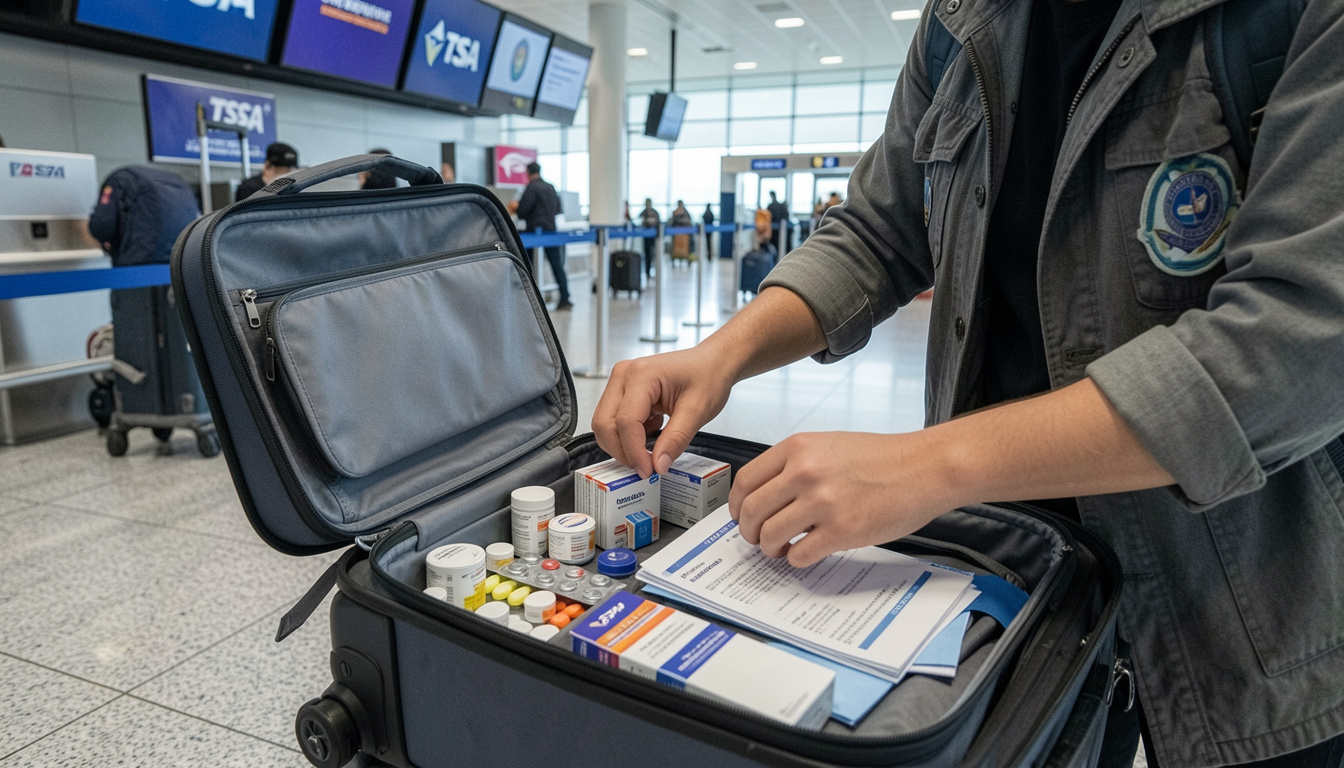
The TSA also recommends carrying medications in your carry-on luggage instead of checked baggage. If your suitcase is delayed or lost, you’ll still have access to your medicine during your trip.
TSA Rules for Bringing Medicine on a Plane
Understanding TSA guidelines helps make airport security much smoother.
Solid Medications
Solid medications are the easiest to travel with.
Examples include:
- Tablets
- Capsules
- Pills
- Soft gels
- Powder medicine
There is generally no limit on the amount of solid medication you can bring for personal use.
Security officers may inspect your medication if additional screening is needed.
Liquid Medications
Many travelers worry about liquid medicine because of airport liquid restrictions.
The good news is that medically necessary liquids are treated differently than regular toiletries.
These include:
- Liquid prescription medicine
- Children’s medicine
- Cough syrup
- Insulin
- Saline solution
- Eye drops
- Medical nutrition drinks
These medically necessary liquids are generally allowed in quantities larger than the normal carry-on liquid limit. Simply inform the TSA officer before screening.
Do Medicines Need Their Original Containers?
The TSA does not strictly require medications to remain in their original prescription bottles for domestic flights.
However, keeping them in their original labeled containers is strongly recommended because it helps:
- Verify the prescription
- Avoid confusion during inspections
- Simplify international travel
- Prevent questions from customs officials
If you use a weekly pill organizer, consider packing the original prescription bottles as well.
Carry-On vs Checked Bags
Choosing where to pack your medication is important.
| Feature | Carry-On Bag | Checked Bag |
| Prescription medicine | ✅ Recommended | ✅ Allowed |
| Daily medications | ✅ Best option | ❌ Not recommended |
| Liquid medicine | ✅ Yes | ✅ Yes |
| Insulin | ✅ Yes | ⚠ Better in carry-on |
| Medical devices | ✅ Yes | Sometimes |
| Emergency medicine | ✅ Always | ❌ Never |
Why Carry-On Is Better
Your carry-on stays with you throughout the journey.
Benefits include:
- Easy access during the flight
- Protection from lost luggage
- Better temperature control
- Immediate availability during emergencies
- Lower risk of damage
Prescription Medicine vs Over-the-Counter Medicine
Both prescription and over-the-counter (OTC) medications are allowed on airplanes.
Prescription Medicines
Examples include:
- Blood pressure medication
- Heart medication
- Diabetes medication
- Antibiotics
- Thyroid medication
- Mental health medication
- Asthma inhalers
It’s wise to carry:
- Prescription label
- Doctor’s note (especially for controlled medications)
- Pharmacy information
Over-the-Counter Medicines
Common OTC medicines include:
- Ibuprofen
- Acetaminophen
- Aspirin
- Allergy tablets
- Motion sickness medicine
- Antacids
- Cold medicine
- Sleep aids
These can usually be packed without any special paperwork for domestic travel.
Traveling with Liquid Medicine
Liquid medications often raise the most questions at airport security.
Examples include:
- Cough syrup
- Prescription liquid medicine
- Baby medicine
- Eye drops
- Saline solution
- Insulin
- Nutritional supplements
Tips for Carrying Liquid Medicine
- Inform the TSA officer before screening.
- Keep liquid medicine separate from toiletries.
- Use leak-proof containers.
- Pack medications where they’re easy to access.
- Carry prescriptions whenever possible.
Can You Bring More Than 3.4 Ounces?
Yes.
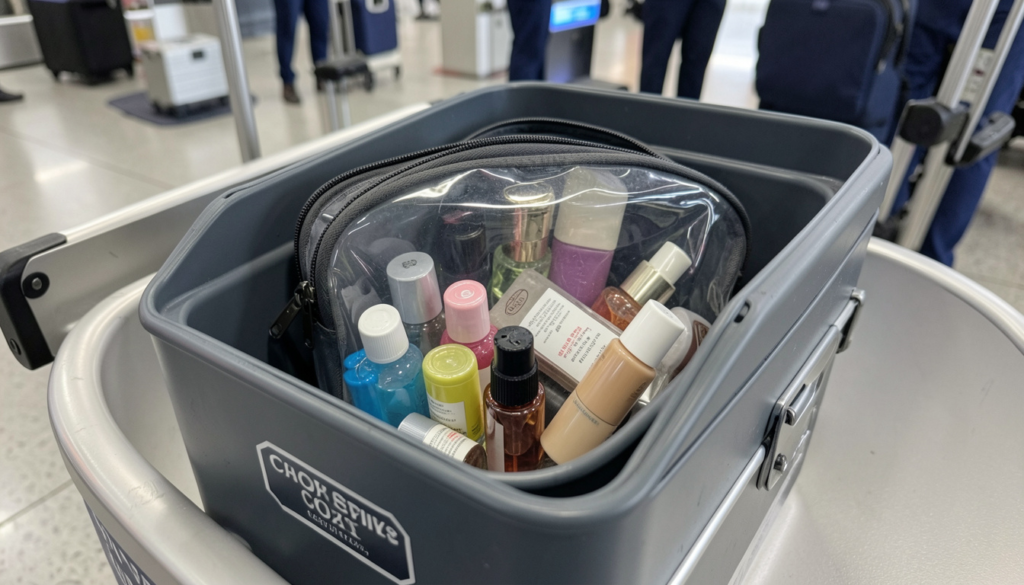
Unlike shampoo or lotion, medically necessary liquid medications are generally allowed in quantities larger than the normal liquid restriction.
Airport security may inspect these items separately, so allow a few extra minutes during screening.
Flying with Medical Devices
Many travelers also carry medical equipment.
Common medical devices include:
- CPAP machines
- Blood glucose monitors
- Insulin pumps
- Nebulizers
- Portable oxygen concentrators (approved models)
- Hearing aids
- Mobility aids
Most of these devices are allowed through airport security.
If you’re traveling with batteries or specialized equipment, check your airline’s policies before your departure date.
Smart Packing Tips for Medicine
Preparing ahead of time can make your travel experience much easier.
Pack More Than You Need
Bring enough medication for your trip plus a few extra days in case of delays.
Divide Your Medication
If you’re traveling with another person, split medications between bags to reduce the risk of losing everything.
Keep a Medication List
Carry a printed list that includes:
- Medication names
- Dosages
- Doctor’s contact information
- Pharmacy details
- Emergency contacts
Protect Temperature-Sensitive Medicine
Some medications, such as insulin, require temperature control. Use an insulated travel case with approved cooling packs if necessary.
Set Medication Reminders
If you’re crossing time zones, use your smartphone or smartwatch to remind you when to take your medication.
Can You Bring Medicine on a Plane? (Continued)
International Travel With Medicine
Domestic flights within the United States are usually straightforward, but international travel requires extra planning. Every country has its own rules regarding prescription medications, controlled substances, and medical devices.
Before you leave, research the medication laws of your destination and any countries where you have a layover. A medicine that is legal in the U.S. may require special approval—or even be prohibited—in another country.
Before You Travel Internationally
Follow these steps to avoid problems:
- Check your destination country’s medication regulations.
- Keep medicines in their original labeled containers.
- Carry copies of your prescriptions.
- Bring a doctor’s letter for injectable medicines or controlled medications.
- Pack enough medicine for your entire trip plus a few extra days.
- Keep medications in your carry-on bag.
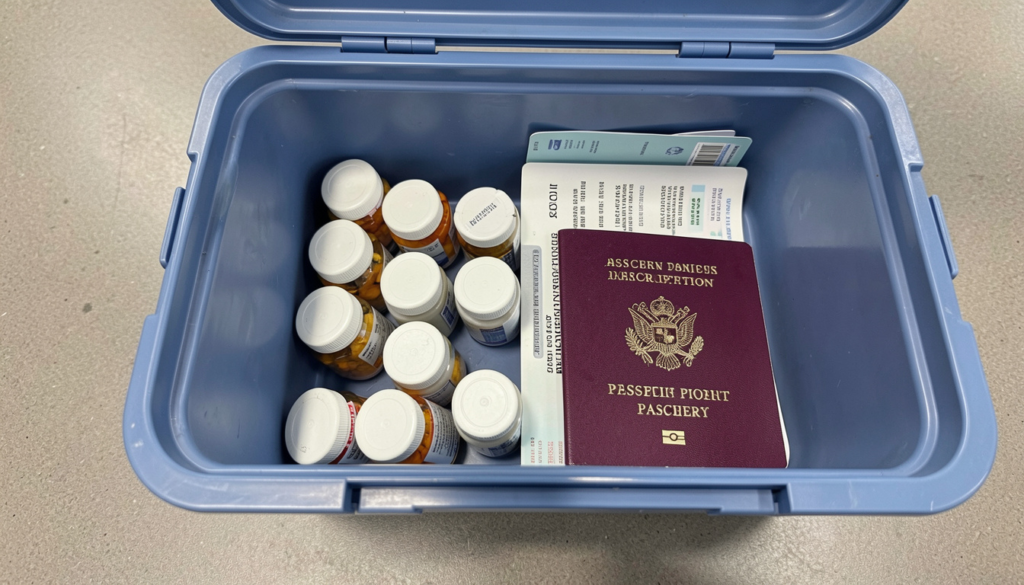
Documents You Should Carry
For international travel, it’s helpful to have:
| Document | Recommended? | Why It Helps |
| Prescription label | ✅ Yes | Confirms your medication |
| Doctor’s letter | ✅ Yes | Explains medical necessity |
| Pharmacy receipt | Optional | Additional proof |
| Medical insurance card | ✅ Yes | Useful during emergencies |
| List of medications | ✅ Yes | Helpful if luggage is lost |
Traveling With Prescription Medication
Prescription medicines are generally allowed on airplanes, but you should be prepared for additional questions if you’re carrying:
- Injectable medications
- Controlled substances
- Large quantities of medication
- Refrigerated medicine
Best Practices
- Leave medications in their pharmacy bottles whenever possible.
- Never mix different pills into one unlabeled container for international trips.
- Carry only the amount you reasonably need.
- Keep copies of your prescriptions on your phone and in paper form.
Can You Bring Controlled Medications on a Plane?
Yes—but extra caution is required.
Controlled medications may include:
- ADHD medication
- Strong pain medications
- Certain anxiety medications
- Some sleep medications
Because these medicines are regulated, customs officers in other countries may request proof that they were legally prescribed.
Tips
- Carry only the required amount.
- Bring the original prescription.
- Carry a signed doctor’s note.
- Never share prescription medications with another traveler.
Traveling With Insulin and Diabetes Supplies
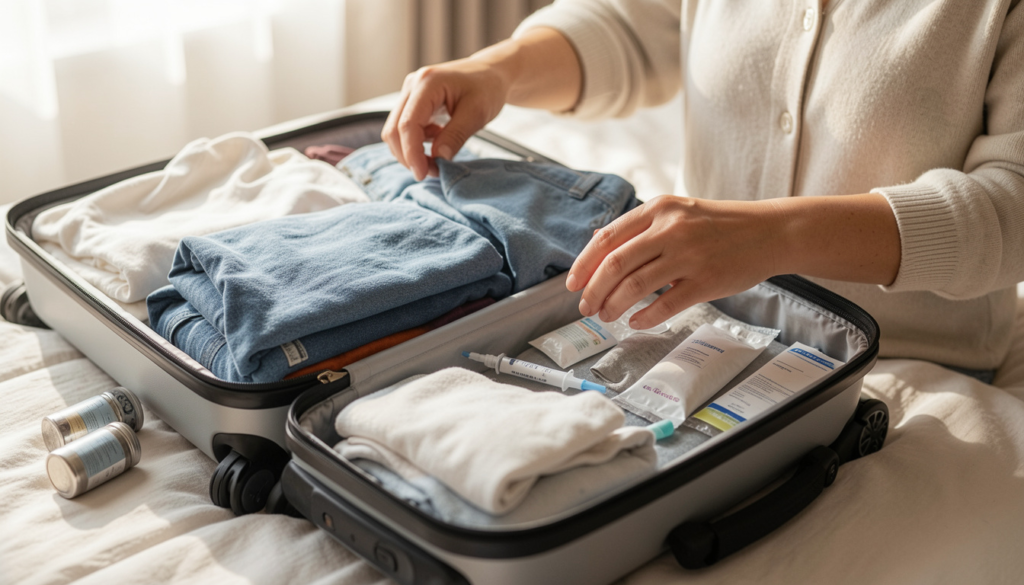
People living with diabetes can travel safely by preparing ahead.
You Can Bring
- Insulin
- Insulin pens
- Syringes
- Continuous glucose monitors (CGMs)
- Blood glucose meters
- Test strips
- Lancets
- Insulin pumps
- Glucose tablets
- Juice for treating low blood sugar
Airport security is familiar with diabetes supplies.
If you wear an insulin pump or continuous glucose monitor, let the security officer know before screening.
Packing Tips
- Pack twice as much insulin as you think you’ll need.
- Keep insulin cool but do not freeze it.
- Carry snacks for unexpected delays.
- Store supplies in your carry-on.
Traveling With Inhalers, EpiPens, and Emergency Medicine
Emergency medications should always stay with you.
These include:
- Rescue inhalers
- EpiPens
- Nitroglycerin
- Seizure medication
- Heart medication
Never pack emergency medicine in checked luggage.
If an emergency happens during your flight, immediate access could be lifesaving.
Can You Bring Vitamins and Supplements on a Plane?
Yes.
Vitamins and supplements are allowed in both carry-on and checked baggage.
Examples include:
- Multivitamins
- Fish oil
- Vitamin D
- Protein powder
- Electrolyte tablets
- Magnesium
- Herbal supplements
Powder supplements may receive additional screening if carried in large quantities.
Keeping them in their original packaging helps avoid confusion.
Can You Bring Children’s Medicine on a Plane?
Yes.
Parents can travel with:
- Infant acetaminophen
- Children’s ibuprofen
- Liquid antibiotics
- Baby formula
- Oral rehydration solution
- Baby food
- Medical syringes
Families traveling with babies are generally permitted to carry medically necessary liquids beyond the standard carry-on liquid limit.
Keep everything together in a separate pouch for easier inspection.
Can You Bring CBD or Cannabis Products on a Plane?
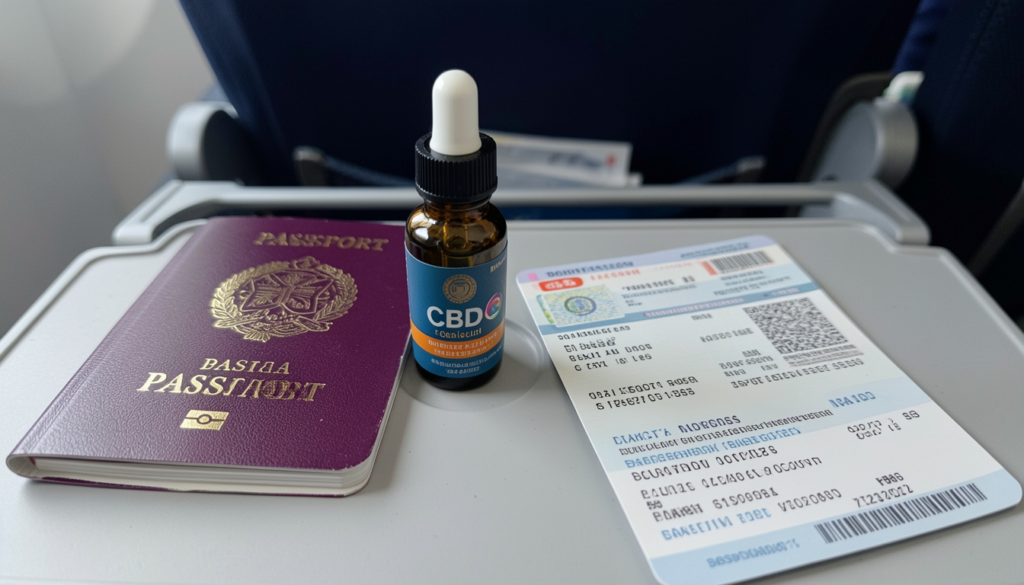
This is one of the most confusing travel questions.
The answer depends on:
- Federal law
- State law
- Airline policies
- Your destination
- International regulations
Even if cannabis products are legal where you live, they may not be legal where you’re traveling.
Always research the laws before packing any CBD or cannabis-related products.
If you’re traveling internationally, avoid assuming that products legal in the U.S. are allowed elsewhere.
Carry-On vs Checked Bag Comparison
| Medication Type | Carry-On | Checked Bag | Best Choice |
| Daily prescription medicine | ✅ | ✅ | Carry-On |
| Liquid medicine | ✅ | ✅ | Carry-On |
| Insulin | ✅ | ⚠ | Carry-On |
| Inhaler | ✅ | ❌ | Carry-On |
| EpiPen | ✅ | ❌ | Carry-On |
| Vitamins | ✅ | ✅ | Either |
| Pain relievers | ✅ | ✅ | Carry-On |
| Children’s medicine | ✅ | ✅ | Carry-On |
| Medical devices | ✅ | Sometimes | Carry-On |
Pros and Cons of Carrying Medicine on a Plane
| Pros | Cons |
| Easy access during flight | Additional screening may occur |
| Less risk of losing medication | Requires careful packing |
| Better temperature control | International rules vary |
| Faster response during emergencies | Documentation may be needed |
| Recommended by travel experts | Controlled medicines need extra planning |
Travel Medicine Checklist
Before leaving for the airport, make sure you have:
- ✔ Prescription medications
- ✔ Over-the-counter medicine
- ✔ Original prescription bottles
- ✔ Doctor’s letter (if needed)
- ✔ Medication list
- ✔ Extra medication
- ✔ Medical insurance card
- ✔ Emergency contacts
- ✔ Cooling case (if required)
- ✔ Medical devices
- ✔ Batteries or chargers
- ✔ Healthy snacks
- ✔ Water bottle (fill after security)
Common Mistakes Travelers Make
Avoid these common errors when flying with medicine.
Packing Medication in Checked Luggage
Checked bags can be delayed or lost. Always carry essential medicine with you.
Forgetting Extra Medication
Travel delays happen.
Bring several extra days’ worth of medicine whenever possible.
Removing Prescription Labels
Unlabeled medication may create unnecessary questions during customs inspections.
Ignoring International Laws
Many travelers assume every country follows the same rules.
Always check medication regulations before flying overseas.
Not Carrying Emergency Medication
Rescue inhalers, EpiPens, insulin, and heart medication should always remain within easy reach.
Expert Tips for Flying With Medicine
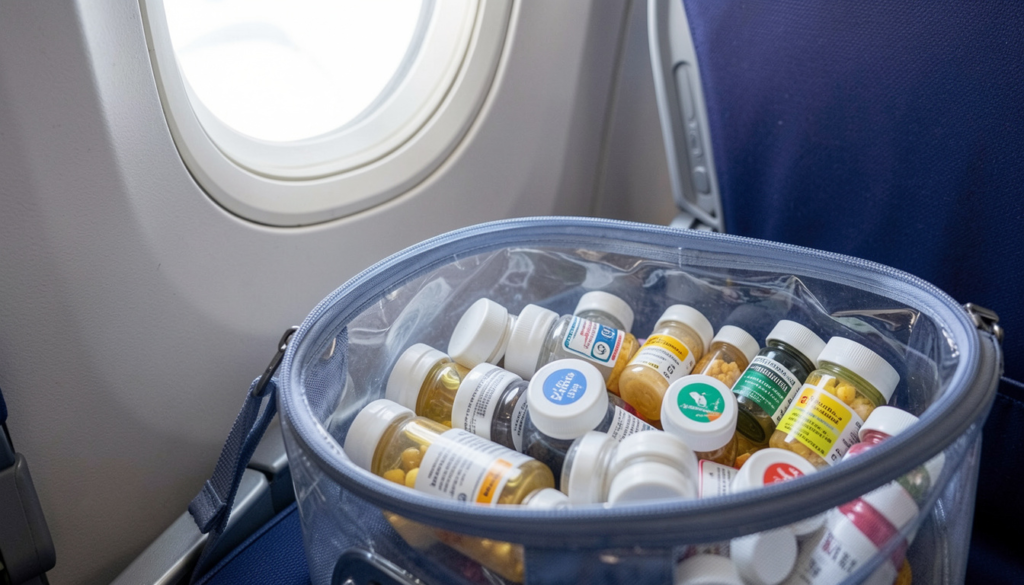
1. Keep Medicines Together
Use a dedicated travel medicine pouch so everything is easy to locate during security screening.
2. Pack Medications First
Before packing clothes or shoes, organize your medical supplies.
3. Bring Digital Copies
Store prescriptions, insurance cards, and doctor’s letters securely on your phone as backups.
4. Prepare for Delays
Weather, cancellations, or missed connections can extend your trip unexpectedly. Carry extra medication and snacks if needed.
5. Check Airline Policies
If you’re traveling with oxygen equipment, CPAP machines, or refrigerated medications, review your airline’s medical equipment policy before departure.
FAQs
Can you bring medicine on a plane in your carry-on bag?
Yes. It is highly recommended to pack prescription and over-the-counter medications in your carry-on bag. This ensures you have access to them if your checked luggage is delayed or lost.
Do prescription medications have to be in their original bottles?
For domestic U.S. flights, original bottles are generally not required, but they are strongly recommended. For international travel, keeping medications in their original labeled containers can help avoid delays or questions from customs officials.
Can you bring liquid medicine on a plane?
Yes. Medically necessary liquid medications are allowed in carry-on baggage and are generally exempt from the standard liquid size limit. Inform the security officer before screening if you are carrying larger quantities.
Can you take pills through airport security?
Absolutely. Pills, tablets, capsules, and other solid medications are permitted in both carry-on and checked luggage. There is generally no limit for personal-use quantities.
Can you fly with insulin and diabetic supplies?
Yes. Travelers may carry insulin, insulin pens, syringes, glucose monitors, insulin pumps, test strips, and other diabetes supplies. It is best to keep them in your carry-on bag and inform security if necessary.
Can you travel internationally with prescription medicine?
Yes, but every country has different medication regulations. Research your destination before traveling and carry prescriptions or a doctor’s letter if needed, especially for controlled medications.
Are vitamins and supplements allowed on airplanes?
Yes. Vitamins, herbal supplements, protein powders, and dietary supplements are generally permitted in both carry-on and checked baggage. Large quantities of powders may receive additional screening.
What should you do if your medication needs refrigeration?
Use an insulated medication travel case with approved cooling packs. Keep refrigerated medicine in your carry-on and check your airline’s policy if you have special storage needs during long flights.
Can you bring medical devices like CPAP machines or inhalers?
Yes. CPAP machines, inhalers, nebulizers, hearing aids, blood glucose monitors, and many other medical devices are allowed on airplanes. Some devices may require separate screening at airport security.
What is the safest way to travel with medicine?
The safest approach is to keep medications in your carry-on bag, leave them in their original labeled containers whenever possible, carry copies of prescriptions, bring extra medication for unexpected delays, and research the medication rules of your destination before traveling.
Conclusion
The answer to Can You Bring Medicine on a Plane is yes. Whether you’re carrying prescription medications, over-the-counter drugs, insulin, inhalers, vitamins, or medical equipment, flying with medicine is usually straightforward when you’re prepared.
Packing your medications in your carry-on bag, keeping them properly labeled, and carrying supporting documentation for international travel can help you avoid unnecessary stress at airport security. Planning ahead also ensures you’ll have access to essential medications throughout your journey, even if unexpected delays occur.
Before every trip, take a few minutes to review airline policies and the medication regulations of your destination. A little preparation goes a long way toward making your travel experience safe, smooth, and worry-free.
Can You Bring Food Through TSA? The Complete 2026 Guide to TSA Food Rules Every Traveler Should Know