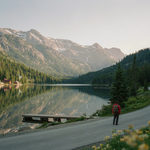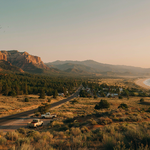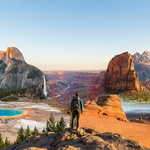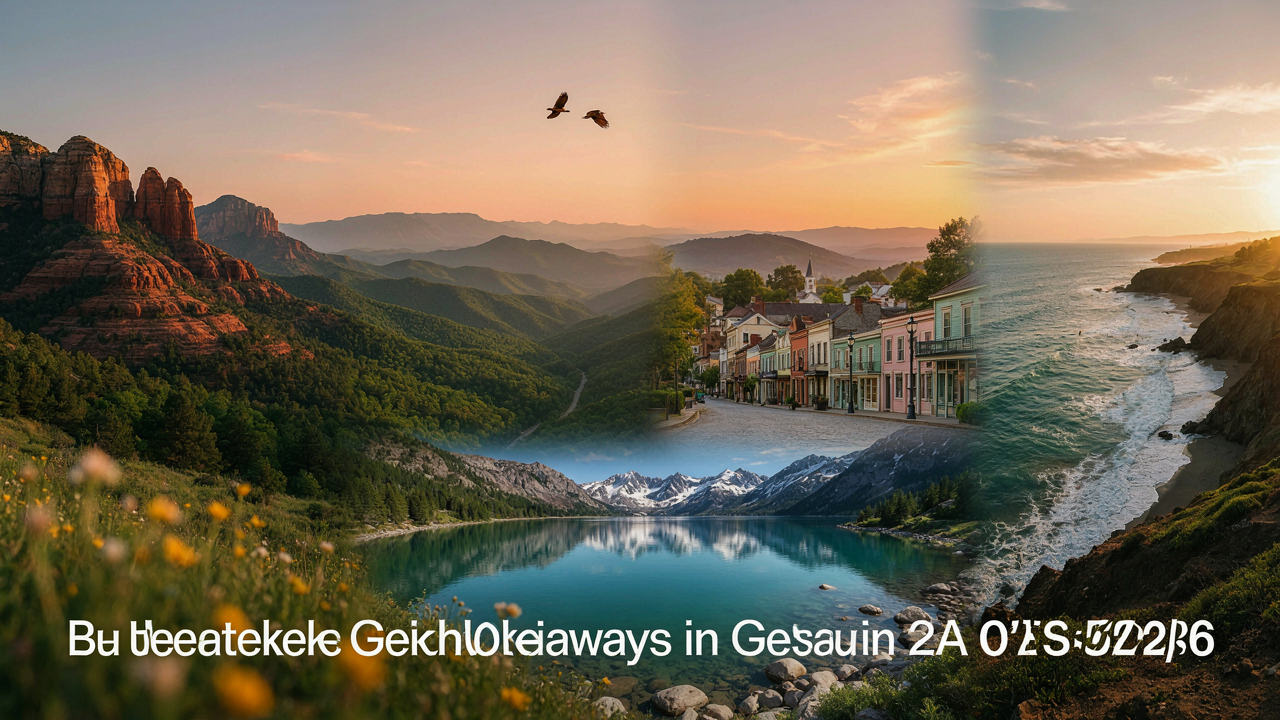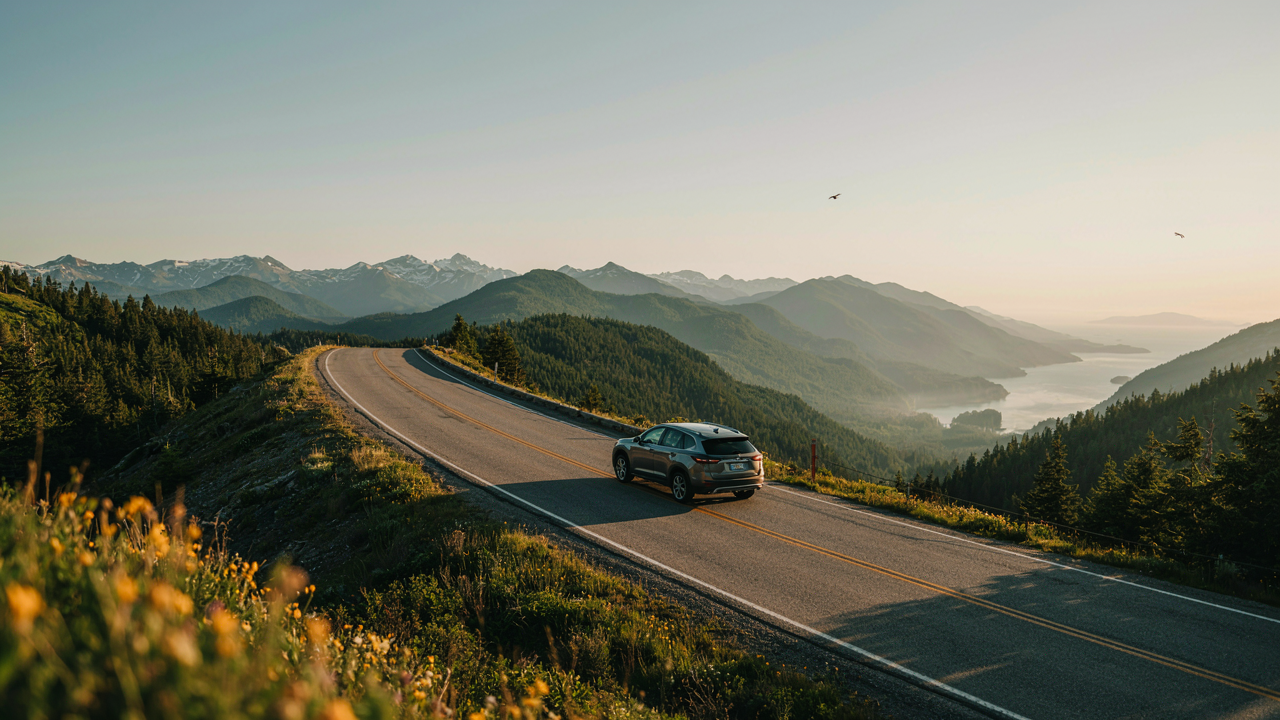
The United States is full of incredible places to explore by car. From California’s dramatic Pacific coastline to the Rocky Mountains, peaceful forest roads, desert landscapes, and charming small towns, every region offers a different kind of adventure. A scenic road trip lets you enjoy these places at your own pace, stop at beautiful viewpoints, discover local attractions, and create unforgettable memories along the way.
The best scenic road trips in USA offer more than beautiful views. They can include national parks, historic towns, coastal communities, hiking trails, lakes, waterfalls, and famous roadside attractions. Whether you are planning a weekend escape, a family vacation, or a longer cross-country journey, there is a route for nearly every travel style and budget.
This guide covers 15 scenic drives across the country, along with estimated costs, suggested travel times, planning tips, packing advice, common mistakes, and frequently asked questions. Use it to find a route that matches your schedule and interests, then check local road conditions before setting off.
Quick Answer
Some of the best scenic road trips in the United States include California’s Pacific Coast Highway, the Blue Ridge Parkway, Alaska’s Seward Highway, the Florida Keys Overseas Highway, Utah’s national park routes, and Montana’s Going-to-the-Sun Road. These drives offer a mix of ocean views, mountains, forests, deserts, wildlife, and memorable roadside stops.
For coastal scenery, choose the Pacific Coast Highway. For mountain views, consider the Blue Ridge Parkway or San Juan Skyway. For a desert adventure, explore Utah’s scenic routes. Your best option depends on the season, available time, driving conditions, and the kind of scenery you want to experience.
Pacific Coast Highway, California: A Stunning Oceanfront Drive
Best for: Coastal views, beach towns, photography, and couples or families
The Pacific Coast Highway, also known as California State Route 1, is one of the most memorable scenic drives in America. It follows parts of California’s rugged coastline, offering views of the Pacific Ocean, rocky cliffs, sandy beaches, and charming seaside communities.
One of the most beautiful sections runs between Monterey and Morro Bay, passing through the famous Big Sur region. Along the way, travelers can visit Carmel-by-the-Sea, explore coastal parks, and stop at scenic viewpoints overlooking the ocean. Bixby Creek Bridge is a popular landmark for photographs, while nearby beaches provide opportunities to relax and enjoy the coastal atmosphere.
Suggested duration: 2–4 days for a relaxed coastal trip.
Best time to visit: Spring and early fall often offer pleasant weather, although coastal fog can occur throughout the year.
Blue Ridge Parkway: A Peaceful Mountain Escape
Best for: Mountain scenery, fall colors, hiking, and relaxed driving
The Blue Ridge Parkway winds through Virginia and North Carolina, following the beautiful Blue Ridge Mountains. It is known for rolling mountain views, forested hills, peaceful overlooks, and colorful autumn scenery.
The parkway stretches approximately 469 miles between the Shenandoah National Park area and Great Smoky Mountains National Park. You do not need to drive the entire route to enjoy it. A shorter section can make an excellent weekend trip, especially if you combine scenic stops with visits to nearby towns.
Popular stops include the Linn Cove Viaduct, Mabry Mill, and overlooks near Asheville. Depending on your route, you can also explore hiking trails, waterfalls, and local mountain communities.
The National Park Service recommends checking for closures and allowing plenty of time because the speed limit is generally no higher than 45 mph, and some sections are slower. There are no gas stations directly on the parkway, so fill up before entering a long stretch.
Alaska’s Seward Highway: Mountains, Glaciers, and Wildlife
Best for: Wilderness, mountain scenery, wildlife, and glacier experiences
For travelers seeking dramatic natural landscapes, Alaska’s Seward Highway is a remarkable choice. The route connects Anchorage with Seward, passing alongside Turnagain Arm and through the mountainous landscapes of southern Alaska.
The drive features steep mountains, sparkling water, forests, and wide-open views. Depending on the season and conditions, travelers may spot wildlife from designated viewpoints. The area around Turnagain Arm is particularly known for its dramatic coastal scenery.
Make time for stops at Potter Marsh, Girdwood, and viewpoints along the highway. Near Seward, visitors can explore the waterfront community and learn about nearby glaciers. If your schedule allows, spend an extra day exploring local trails or taking a guided boat excursion.
Alaska’s transportation department describes the Seward Highway as a 127-mile scenic route with significant natural, historical, and recreational value.
Florida Keys Overseas Highway: An Island-Hopping Adventure

Best for: Tropical scenery, beaches, seafood, and warm-weather vacations
The Overseas Highway connects the Florida mainland with the Florida Keys, creating one of the most distinctive drives in the country. Instead of winding through mountains, you travel across bridges surrounded by blue water and small islands.
A road trip from Miami toward Key West can include stops in Key Largo, Islamorada, Marathon, and the Lower Keys. Each area offers its own character, from marine activities and waterfront dining to relaxed beaches and local attractions.
The Seven Mile Bridge is one of the route’s most recognizable landmarks. In Key West, travelers can explore the historic district, visit local museums, and enjoy the island’s laid-back atmosphere.
Suggested duration: 3–5 days for a leisurely trip from Miami to Key West and back.
Best time to visit: Winter and spring are popular, while summer can be hot, humid, and stormy.
Utah’s Mighty Five: A Desert Landscape Road Trip
Best for: National parks, red-rock scenery, hiking, and outdoor photography
Utah’s Mighty Five road trip connects five celebrated national parks: Zion, Bryce Canyon, Capitol Reef, Canyonlands, and Arches. Together, they showcase a remarkable variety of desert landscapes, including sandstone arches, towering cliffs, natural amphitheaters, and wide-open plateaus.
Start with Zion National Park, where towering canyon walls surround scenic roads and walking trails. Continue to Bryce Canyon for its distinctive rock formations, then travel toward Capitol Reef’s colorful cliffs and historic areas. Arches and Canyonlands, near Moab, offer more opportunities to admire the desert’s unusual geology.
You can complete parts of this route in several days, but a longer trip gives you more time for hiking, overlooks, and park visitor centers.
Suggested duration: 7–10 days to explore all five parks without rushing.
Best time to visit: Spring and fall often provide comfortable conditions, although temperatures vary by elevation.
Going-to-the-Sun Road, Montana: Alpine Views in Glacier National Park
Best for: Alpine scenery, mountain lakes, glaciers, and wildlife viewing
Going-to-the-Sun Road is one of the most dramatic mountain drives in the United States. Located in Glacier National Park, Montana, it crosses a rugged landscape of alpine peaks, forested valleys, and glacially shaped terrain.
The road is approximately 50 miles long and reaches Logan Pass, where visitors can find mountain views and access to hiking opportunities when trails are open. Scenic stops along the way provide views of lakes, waterfalls, and the surrounding wilderness.
Because this is a high-elevation mountain road, conditions are strongly seasonal. Snow removal, weather, maintenance, and temporary closures can affect access. The National Park Service provides current road-status information, which is essential for planning a visit.
Olympic Peninsula Loop, Washington: Rainforests and Rugged Coastlines
Best for: Forests, beaches, lakes, mountains, and nature lovers
Washington’s Olympic Peninsula offers an impressive variety of landscapes within one region. A road trip around the peninsula can include moss-covered rainforests, rocky beaches, mountain scenery, peaceful lakes, and small coastal communities.
Begin near Seattle and travel toward the peninsula using a route that fits your schedule. Popular stops include Port Angeles, Lake Crescent, the Hoh Rain Forest, and sections of the Pacific coastline. Each location offers a different experience, from walking among towering trees to watching waves roll onto rugged beaches.
The peninsula is large, and many attractions are reached by side roads rather than one continuous scenic highway. Allow enough time for driving between locations, short hikes, and changes in weather.
Suggested duration: 3–5 days.
Best time to visit: Late spring through early fall is popular, although rain is possible throughout the year.
Route 66: A Classic American Road Trip
Best for: American history, roadside attractions, small towns, and nostalgia
Route 66 holds a special place in American road-trip culture. The historic route originally connected Chicago with Southern California, passing through communities and landscapes that helped shape the image of the classic American highway journey.
Today, travelers can follow preserved sections of historic Route 66 and visit museums, vintage motels, roadside signs, diners, and small towns. The route passes through parts of Illinois, Missouri, Kansas, Oklahoma, Texas, New Mexico, Arizona, and California.
Rather than treating Route 66 as a single modern highway, plan a journey using designated historic sections and current road maps. Some portions of the original route have been replaced by newer roads or are no longer suitable for through travel.
Suggested duration: 2–3 weeks for an extended trip across several states; shorter sections work well for a weekend.
Best time to visit: Spring and fall are often comfortable for long drives.
Columbia River Gorge, Oregon and Washington: Waterfalls and River Views
Best for: Waterfalls, forests, river scenery, and short outdoor trips
The Columbia River Gorge creates a spectacular natural boundary between Oregon and Washington. Its scenic roads provide views of the Columbia River, steep cliffs, green forests, and waterfalls.
On the Oregon side, the Historic Columbia River Highway is especially popular for scenic viewpoints and access to waterfalls. Multnomah Falls is one of the region’s best-known attractions, while other nearby stops offer shorter walks and quieter views.
You can combine the drive with visits to local towns, viewpoints, and outdoor recreation areas. Because some locations become crowded during peak periods, consider starting early and checking access restrictions before you go.
Suggested duration: 1–3 days.
Best time to visit: Spring is attractive for flowing waterfalls and green scenery, while summer often brings drier weather.
New England Coastal Route: Charming Towns and Autumn Colors
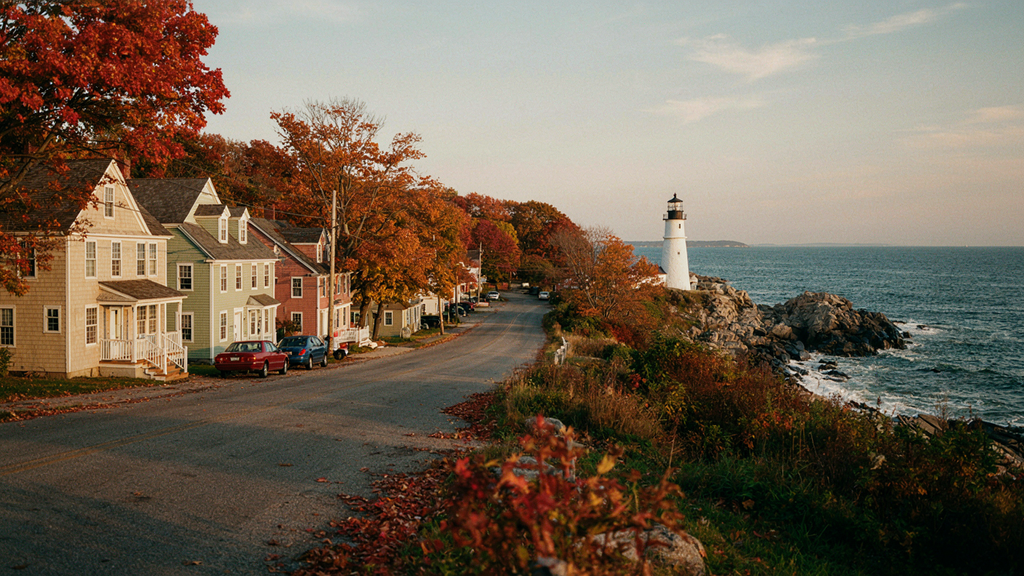
Best for: Historic towns, coastal scenery, seafood, and fall foliage
New England is an excellent choice for travelers who enjoy small towns, historic architecture, rocky shorelines, and seasonal scenery. A coastal road trip can include parts of Massachusetts, New Hampshire, and Maine, with optional detours toward inland villages.
Along the way, visitors can explore harbor towns, lighthouses, local shops, walking paths, and waterfront restaurants. Maine’s coastline is especially appealing for rocky ocean views, while Massachusetts offers a combination of maritime history and lively coastal communities.
Autumn adds another layer of beauty as leaves change color, particularly when you include inland drives through wooded areas. Summer brings warmer weather and busy beach communities.
Suggested duration: 4–7 days for a multi-state journey.
Best time to visit: Late spring through early fall, with autumn especially popular for foliage.
San Juan Skyway, Colorado: Mountain Passes and Historic Towns
Best for: Rocky Mountain scenery, historic communities, and outdoor adventures
The San Juan Skyway is a scenic loop through southwestern Colorado. It combines high mountain landscapes, forested valleys, historic mining towns, and views of the rugged San Juan Mountains.
Durango, Silverton, Ouray, and Telluride are popular stops along or near the route. Each town offers its own character, from historic streets and local museums to mountain activities and outdoor recreation.
The Million Dollar Highway section between Silverton and Ouray is particularly famous for its steep mountain scenery and winding road. Drivers should be comfortable with mountain driving and give themselves plenty of time to navigate curves safely.
Suggested duration: 3–5 days.
Best time to visit: Summer and early fall are popular, but weather and road conditions vary with elevation.
Great River Road: Follow the Mighty Mississippi
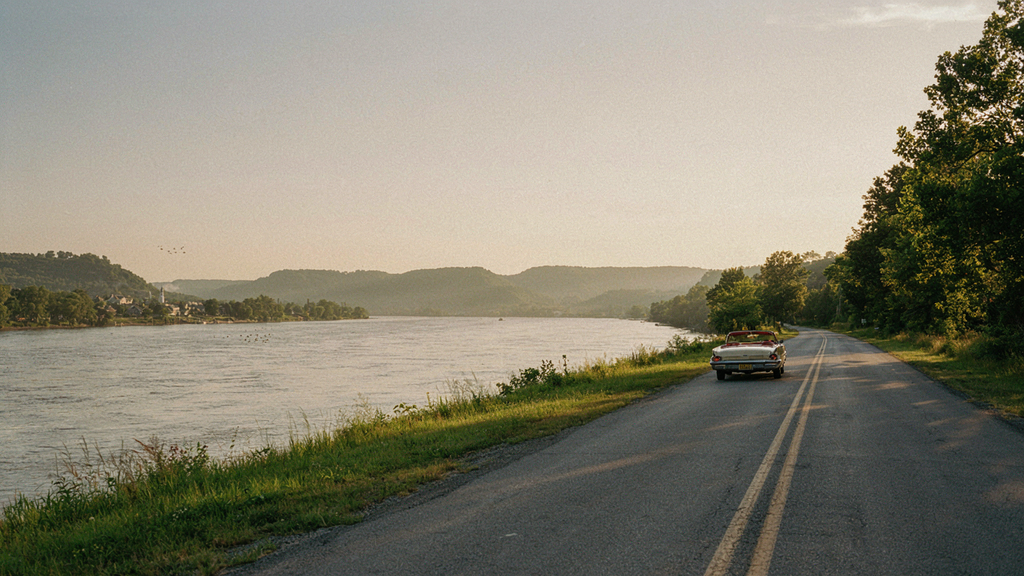
Best for: River scenery, local history, small towns, and cultural attractions
The Great River Road follows the Mississippi River through multiple states, creating a road-trip opportunity rich in scenery and regional history. Depending on the section you choose, you may encounter river overlooks, historic districts, wildlife areas, local museums, and communities shaped by river trade.
Rather than attempting the entire route in one trip, select a region that matches your available time. You could explore a section through Minnesota and Wisconsin, visit river towns farther south, or plan a longer journey through several states.
The landscapes change as you travel, from wooded bluffs in the north to broader river views and warmer-weather scenery farther south.
Suggested duration: 2–7 days for a regional trip; a much longer itinerary is needed to explore extensive portions.
Best time to visit: Spring and fall are often comfortable, but local weather varies considerably along the route.
Arizona’s Red Rock Scenic Byway: A Short Drive with Big Views
Best for: Red-rock formations, desert scenery, and short getaways
Arizona’s Red Rock Scenic Byway, located near Sedona, is an excellent option if you want beautiful scenery without committing to a long road trip. The area is famous for red sandstone formations, desert vegetation, and dramatic views that change color with the light.
The drive can be combined with visits to Sedona’s shops, galleries, local restaurants, and nearby outdoor areas. Viewpoints and designated recreation sites make it easy to break the journey into short stops.
Although the route is relatively short, you can spend a full day exploring the area. If you have more time, consider adding nearby scenic roads or a visit to another northern Arizona destination.
Suggested duration: Half a day to 2 days.
Best time to visit: Spring and fall are popular because temperatures are often more comfortable for outdoor activities.
Road to Hana, Maui, Hawaii: Waterfalls and Tropical Scenery
Best for: Tropical forests, waterfalls, ocean views, and island culture
The Road to Hana is one of Hawaii’s best-known scenic drives. It travels through the eastern side of Maui, passing lush vegetation, coastal viewpoints, bridges, and areas with tropical forest scenery.
The road is known for its curves and narrow sections, so the experience is less about speed and more about enjoying the journey. Travelers may stop at approved viewpoints, local food stands, and accessible natural attractions along the way.
Because the drive can take longer than expected, it is best to avoid squeezing too many stops into one day. Respect private property, follow posted signs, and use designated parking areas rather than blocking narrow roads.
Suggested duration: One full day, with an overnight stay nearby if you want a slower itinerary.
Best time to visit: Conditions vary throughout the year; check the local forecast before leaving.
New Mexico’s Turquoise Trail: Desert Landscapes and Artistic Towns
Best for: Desert views, local art, historic communities, and cultural stops
The Turquoise Trail connects the Albuquerque and Santa Fe areas through a scenic landscape of mountains, desert vegetation, and historic communities. It is a great choice for travelers who want to combine natural scenery with local culture.
Stops along the way can include Madrid and Cerrillos, where visitors may find galleries, small shops, historic buildings, and places to learn about the region’s mining past. The surrounding landscape offers a different experience from the lush forests of the Pacific Northwest or the high peaks of Colorado.
This route works well as a day trip, but you can extend your visit by spending extra time in Albuquerque or Santa Fe.
Suggested duration: One day, or 2–3 days with nearby destinations.
Best time to visit: Spring and fall are often comfortable, though temperatures can vary between day and night.
Comparison Table: Which Scenic Road Trip Should You Choose?
The distances and durations below are general planning estimates, not guarantees. Your actual travel time will depend on the starting point, route, traffic, weather, and the number of stops you make.
| Road trip | Best for | Suggested time | Overall style |
| Pacific Coast Highway | Ocean views | 2–4 days | Coastal |
| Blue Ridge Parkway | Mountain scenery | 2–4 days | Mountain |
| Seward Highway | Wilderness and glaciers | 2–3 days | Adventure |
| Florida Keys Overseas Highway | Island scenery | 3–5 days | Tropical |
| Utah’s Mighty Five | National parks | 7–10 days | Desert |
| Going-to-the-Sun Road | Alpine views | 1–2 days | Mountain |
| Olympic Peninsula Loop | Rainforests and beaches | 3–5 days | Nature |
| Route 66 | American history | 2–3 weeks for a long trip | Historic |
| Columbia River Gorge | Waterfalls | 1–3 days | Nature |
| New England Coast | Coastal towns | 4–7 days | Coastal |
| San Juan Skyway | Mountain towns | 3–5 days | Mountain |
| Great River Road | River communities | 2–7 days for a regional trip | Cultural |
| Red Rock Scenic Byway | Desert scenery | Half a day–2 days | Short getaway |
| Road to Hana | Tropical landscapes | 1 full day | Island |
| Turquoise Trail | Art and history | 1 day | Cultural |
How Much Does a Scenic Road Trip in the USA Cost?
The cost of a road trip depends on the distance, number of travelers, vehicle, accommodation choices, and activities. A short regional drive may cost much less than a multi-state journey.
Here are broad estimates for planning purposes. These are illustrative budgets, not live quotes or guaranteed prices.
| Expense | Possible planning range |
| Fuel for a shorter trip | 50–150 |
| Fuel for a longer trip | 150–500+ |
| Budget accommodation per night | 60–120 |
| Mid-range accommodation per night | 120–250+ |
| Food per person per day | 25–70 |
| Park entry and activities | Varies by destination |
| Rental car | Varies by location, dates, and vehicle |
Ways to Save Money
- Travel with companions: Sharing fuel and accommodation costs can lower the amount each person pays.
- Book accommodation early: Popular coastal areas and national parks can have limited availability.
- Plan fuel stops: Remote regions may have fewer gas stations, so avoid letting the tank get too low.
- Pack snacks and reusable water bottles: This can reduce frequent convenience-store purchases.
- Choose fewer destinations: Spending more time in one region can reduce fuel and lodging expenses.
- Check park fees: National parks and other attractions may charge separate entrance or activity fees.
How to Choose the Best Scenic Road Trip for Your Travel Style
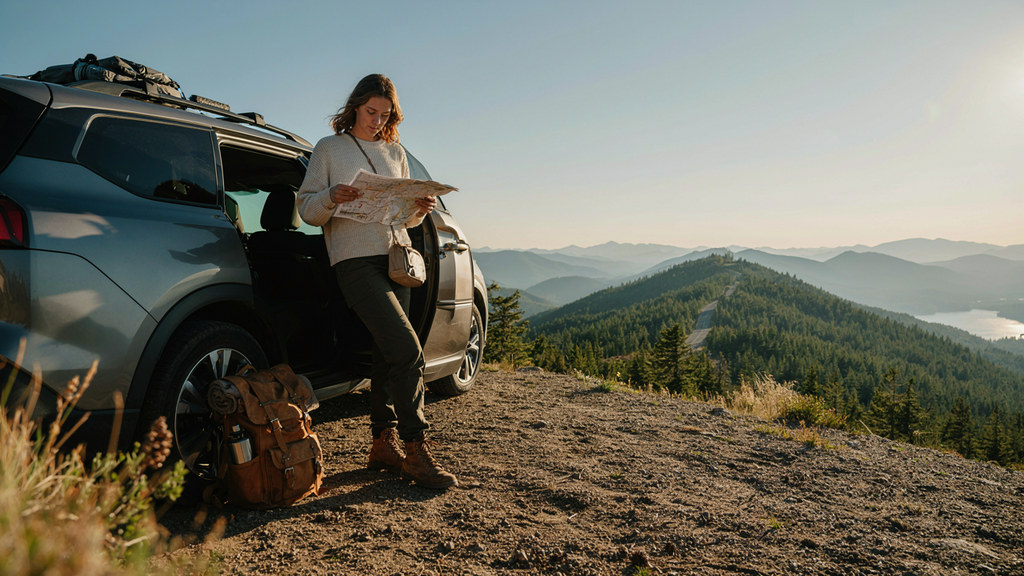
The right route depends on what you want to experience and how much time you have.
For Beach and Ocean Lovers
Consider the Pacific Coast Highway, the Florida Keys Overseas Highway, or New England’s coastal routes. These drives offer ocean views, waterfront communities, and opportunities to enjoy beaches or coastal attractions.
For Mountain and Forest Lovers
The Blue Ridge Parkway, San Juan Skyway, and Going-to-the-Sun Road offer dramatic mountain scenery. The Olympic Peninsula is a strong option if you prefer a mix of forests, lakes, and rugged coastline.
For National Park Fans
Utah’s Mighty Five is a great choice if you have enough time for several parks. Going-to-the-Sun Road is ideal for a shorter drive within a spectacular national park setting.
For History and Culture
Route 66, the Great River Road, and New Mexico’s Turquoise Trail combine scenic travel with historic communities, museums, and local culture.
For a Short Weekend Escape
The Red Rock Scenic Byway, Columbia River Gorge, and selected sections of the Blue Ridge Parkway can work well for shorter getaways, depending on where you start.
Road Trip Checklist: What to Pack for Your Journey
Packing properly helps make a road trip more comfortable and reduces the chance of being caught unprepared.
- Valid driver’s license and required travel documents
- Vehicle registration and insurance information
- Phone, charging cable, and car charger
- Downloaded maps for areas with limited mobile service
- Reusable water bottles and snacks
- Comfortable clothing suited to the forecast
- Walking shoes or hiking shoes for planned trails
- Sunscreen, sunglasses, and a hat
- Rain jacket or warm layers where needed
- First-aid kit and any necessary personal supplies
- Flashlight and basic roadside emergency supplies
- Reservation details and park entry information
- Reusable bags for rubbish
- Camera or phone for capturing memories
Before leaving, check your vehicle’s tires, lights, fluid levels, and fuel. If you are renting a car, review the rental agreement and understand how to contact roadside assistance.
Expert Tips for Planning the Best Scenic Road Trips in USA
Plan the Route, but Leave Room for Flexibility
Create a basic itinerary with your main destinations and overnight stops. Avoid scheduling every hour, because weather, traffic, and unexpected discoveries can change your plans.
Check Road Conditions Before Departure
Scenic highways may close because of snow, heavy rain, rockfall, construction, or other hazards. Mountain roads can be particularly seasonal. The National Park Service advises visitors to check the latest status before driving Going-to-the-Sun Road.
Start Early on Popular Routes
Leaving early can help you reach busy viewpoints before parking areas fill. It also gives you more daylight for sightseeing and makes it easier to reach your overnight stop without rushing.
Avoid Driving Too Far Each Day
A scenic road trip should not feel like a race. Allow time to stop, eat, explore, and rest. On winding mountain roads, the distance shown on a map may take much longer than expected.
Book Popular Accommodations in Advance
Lodging near national parks, island destinations, and famous coastal towns can be limited during peak travel periods. Reserve important overnight stays early, especially if your dates are fixed.
Download Offline Maps
Mobile service can be unreliable in remote forests, deserts, and mountain areas. Download maps before you enter areas where reception may be weak, and keep a general route plan available offline.
Respect Wildlife and Natural Areas
Observe wildlife from a safe distance, never feed wild animals, and follow local instructions. Stay on marked trails and do not enter closed areas to get a better view.
Build Rest Stops into the Itinerary
Take breaks when you feel tired, and switch drivers when appropriate. If you are sleepy, stop somewhere safe and rest rather than trying to push through.
Common Mistakes to Avoid on an American Road Trip
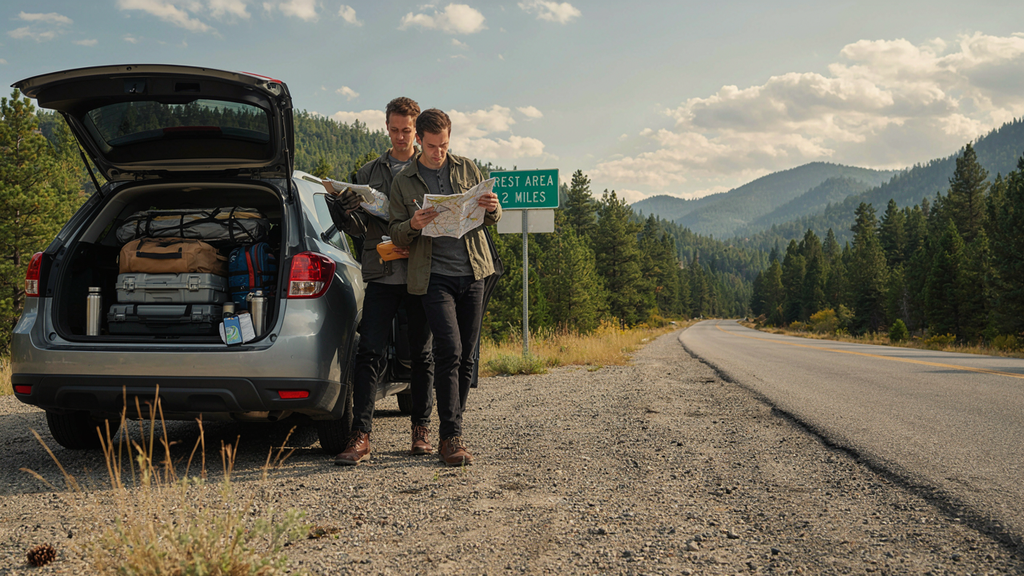
Even a beautiful route can become stressful if you overlook a few important details.
- Underestimating driving time: Curves, slow speed limits, roadworks, and scenic stops can add hours.
- Ignoring seasonal closures: Some high-elevation routes are not accessible all year.
- Overloading the itinerary: Too many destinations can leave you with little time to enjoy any of them.
- Failing to plan fuel stops: Remote areas may have long gaps between services.
- Leaving accommodation until the last minute: This can limit your choices near popular destinations.
- Driving distracted: Never use a phone or take photographs while driving.
- Stopping in unsafe places: Pull into designated overlooks or legal parking areas.
- Ignoring the weather: Rain, snow, heat, and strong winds can affect both driving and outdoor activities.
- Forgetting entrance fees and restrictions: Check official park information before arrival.
- Not having a backup plan: Keep an alternative stop or route in mind in case a road closes.
Pros and Cons of Scenic Road Trips in the USA
| Pros | Cons |
| Freedom to explore at your own pace | Fuel and rental costs can add up |
| Access to small towns and remote scenery | Long drives can be tiring |
| Flexible stops for food and sightseeing | Weather may affect your itinerary |
| Suitable for many travel styles | Some routes have seasonal closures |
| Opportunities to visit several attractions | Popular destinations may be crowded |
Frequently Asked Questions
What are the best scenic road trips in USA?
Popular choices include the Pacific Coast Highway in California, Blue Ridge Parkway in Virginia and North Carolina, Alaska’s Seward Highway, Florida Keys Overseas Highway, Utah’s Mighty Five route, and Going-to-the-Sun Road in Montana. The best option depends on your interests, travel dates, and available time.
What is the most beautiful road trip in America?
There is no single answer because scenic beauty is subjective. The Pacific Coast Highway is a favorite for ocean views, the Blue Ridge Parkway offers peaceful mountain scenery, and Going-to-the-Sun Road provides dramatic alpine landscapes. Each route offers a different experience.
What is the best scenic road trip for a beginner?
A shorter route such as the Red Rock Scenic Byway near Sedona or a manageable section of the Columbia River Gorge may be a good starting point. Choose a route that matches your driving experience, check the conditions, and avoid difficult roads if you are not comfortable with them.
How many days do I need for an American road trip?
A short scenic getaway may take one to three days. Regional journeys often need four to seven days, while long routes such as an extended Route 66 trip can take several weeks. Plan around the places you genuinely want to explore rather than trying to cover too much distance.
What is the best time of year for scenic road trips in the USA?
Spring and fall are good options for many regions because temperatures can be more comfortable. Summer is useful for some mountain routes, but it can also bring crowds and heat. Winter offers beautiful scenery in certain areas, although snow and road closures may make driving more difficult.
Are scenic road trips in the USA expensive?
They can be affordable or costly depending on your route and travel style. Fuel, accommodation, food, rental cars, and park fees are major expenses. Traveling with companions, booking early, and choosing fewer overnight stops can help control the budget.
Which USA road trip is best for national parks?
Utah’s Mighty Five is an excellent option for visiting several national parks in one journey. For a shorter experience, Going-to-the-Sun Road in Glacier National Park offers impressive scenery within a single park. Always check entry rules and road conditions before your visit.
What should I pack for a scenic road trip?
Bring travel documents, a phone charger, offline maps, water, snacks, comfortable clothing, weather-appropriate layers, and basic roadside emergency supplies. Add hiking gear or other equipment only if it suits the activities you have planned.
Are scenic highways open throughout the year?
No. Some scenic routes remain open all year, while high mountain roads may close during winter or after severe weather. For example, the alpine section of Going-to-the-Sun Road is seasonal and can experience temporary closures. Check official road-status updates close to your departure date.
How can I make my road trip safer and more enjoyable?
Plan a realistic daily distance, check the forecast and road reports, take regular breaks, and keep your vehicle in good condition. Use designated stops for photographs, follow local regulations, and leave enough time to enjoy each destination without rushing.
Conclusion
The best scenic road trips in USA offer a wonderful way to discover the country’s diverse landscapes, from California’s dramatic coastline and Alaska’s mountain views to Utah’s red-rock parks and New England’s charming coastal towns. Every route has its own character, so the right choice depends on whether you prefer beaches, mountains, forests, historic communities, or national parks.
Before choosing your journey, consider your budget, travel dates, driving experience, and the amount of time you can spend on the road. Plan your main stops, check official road conditions, and leave room for spontaneous discoveries. Most importantly, drive safely and give yourself time to enjoy the scenery.
Choose a route that fits your travel style, prepare for changing conditions, and make your next American road trip an experience worth remembering.
Read More:Best Road Trips in USA 2026: 15 Amazing Scenic Drives for an Unforgettable Adventure