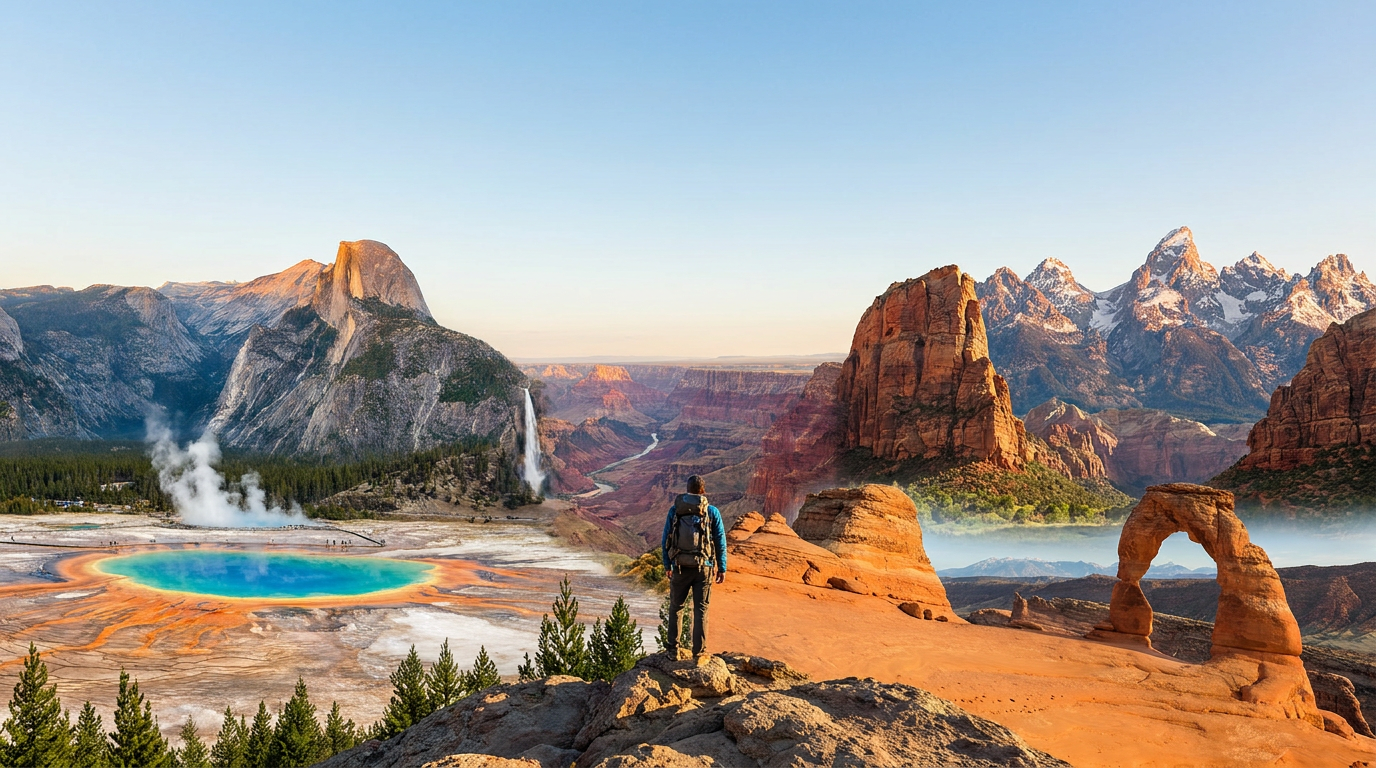
The United States is home to some of the world’s most beautiful natural landscapes, from towering mountains and deep canyons to tropical forests, peaceful lakes, and dramatic coastlines. Its national parks protect these incredible places and give travelers opportunities to experience nature, enjoy outdoor adventures, and discover the country’s diverse wildlife. Whether you love hiking, photography, camping, or scenic drives, there is a national park waiting to inspire your next trip.
Finding the best national parks to visit in USA can be challenging because every destination offers something different. Some parks are famous for their enormous mountains and glaciers, while others feature colorful deserts, ancient forests, or remarkable geological formations. This guide explores 15 outstanding national parks to consider in 2026, along with their main attractions, the best times to visit, practical travel advice, and common mistakes to avoid. Use these recommendations to plan a memorable American national park adventure that matches your interests, budget, and travel schedule.
Quick Answer
Some of the best national parks to visit in USA include Yellowstone, Yosemite, Grand Canyon, Zion, Grand Teton, Glacier, Olympic, Rocky Mountain, Acadia, Great Smoky Mountains, Arches, Bryce Canyon, Death Valley, Everglades, and Hawaiʻi Volcanoes National Park.
Best overall choice: Yellowstone National Park
Best for dramatic canyon views: Grand Canyon National Park
Best for mountain scenery: Grand Teton National Park
Best for hiking adventures: Zion National Park
Best for forests and coastal scenery: Olympic National Park
Best for desert landscapes: Arches National Park
Best for wildlife: Yellowstone National Park
Best for tropical ecosystems: Everglades National Park
Best for autumn scenery: Great Smoky Mountains National Park
Best for volcanic landscapes: Hawaiʻi Volcanoes National Park
The right park for you depends on the season, available travel time, physical abilities, budget, and outdoor activities you enjoy.
Yellowstone National Park: Geysers, Wildlife, and Natural Wonders
Yellowstone National Park is one of America’s most famous natural destinations. Established in 1872, it is widely recognized as the world’s first national park. Located primarily in Wyoming, with portions extending into Montana and Idaho, Yellowstone offers geothermal features, forests, rivers, waterfalls, and abundant wildlife.
Top Things to Do in Yellowstone
Old Faithful is one of the park’s most recognizable attractions. This famous geyser erupts at intervals that can be estimated using current observations. Nearby, the Upper Geyser Basin contains numerous geothermal features and walking paths.
Grand Prismatic Spring is another highlight. Its colorful rings create a striking landscape, while the Grand Canyon of the Yellowstone offers impressive waterfalls and dramatic canyon walls.
Wildlife enthusiasts may see bison, elk, deer, and other animals throughout the park. Wolves and bears also live in Yellowstone, although sightings are never guaranteed. Always observe wildlife from a safe distance and follow park regulations.
Best Time to Visit Yellowstone
Late spring through early fall is popular for sightseeing and road trips. Summer generally offers the broadest access to roads and facilities, but it also brings larger crowds. Winter provides a different experience, with snowy landscapes and specialized transportation arrangements in certain areas.
Travel Tips
- Allow at least three days to explore major areas.
- Check road conditions and seasonal closures before traveling.
- Carry water, food, and appropriate outdoor clothing.
- Stay on designated paths around geothermal features.
- Never approach or feed wildlife.
Who should visit? Yellowstone is an excellent choice for families, wildlife enthusiasts, photographers, and travelers who want to experience diverse natural attractions in one destination.
Yosemite National Park: Granite Cliffs and Majestic Waterfalls
Located in California’s Sierra Nevada mountains, Yosemite National Park is celebrated for its enormous granite cliffs, waterfalls, giant sequoias, and beautiful valleys. Its dramatic scenery makes it one of the best national parks to visit in USA for photography and outdoor recreation.
Top Attractions in Yosemite
Yosemite Valley is the park’s most famous area. Visitors can admire landmarks such as El Capitan, Half Dome, and Yosemite Falls. Scenic viewpoints provide opportunities to appreciate the scale of the surrounding cliffs and forests.
Tunnel View is another popular stop, offering a sweeping view of Yosemite Valley. Visitors interested in giant trees can explore designated areas containing giant sequoias, subject to seasonal access and current conditions.
Hiking opportunities range from relatively easy walks to challenging mountain routes. Choose a trail that matches your experience and check current conditions before setting out.
Best Time to Visit Yosemite
Late spring and early summer are excellent for waterfall viewing because snowmelt often increases water flow. Summer offers many outdoor opportunities but can be busy. Autumn may bring fewer crowds in some areas, while winter can provide peaceful snowy scenery alongside possible road and trail restrictions.
Travel Tips
- Reserve accommodation early during busy periods.
- Check whether an entrance reservation is required for your dates.
- Start popular hikes early in the day.
- Carry enough water and wear suitable footwear.
- Never climb over barriers near waterfalls or cliff edges.
Who should visit? Yosemite is ideal for hikers, photographers, families, and anyone who appreciates dramatic mountain scenery.
Grand Canyon National Park: America’s Iconic Natural Wonder
Grand Canyon National Park in Arizona protects an enormous canyon carved by the Colorado River over millions of years. Its layered rock formations and expansive viewpoints make it one of the most recognizable natural attractions in the United States.
Best Things to Do at the Grand Canyon
The South Rim is the park’s most accessible and popular area. Visitors can explore scenic overlooks, walk along sections of the Rim Trail, and learn about the canyon’s geology and cultural history.
Sunrise and sunset often provide beautiful lighting for photographs. The changing colors of the canyon walls create a memorable experience even for visitors who do not plan strenuous hikes.
Experienced hikers may consider trails that descend below the rim. However, hiking into the canyon is considerably more demanding than walking along the rim because of steep elevation changes, heat, and limited access to water.
The North Rim offers a quieter experience when open, but its seasonal operating schedule and access restrictions can change. Check official park alerts before planning a visit.
Best Time to Visit
Spring and autumn are often comfortable for rim sightseeing and hiking. Summer can be extremely hot, particularly below the rim, so visitors must plan carefully.
Travel Tips
- Begin strenuous hikes early and carry sufficient water.
- Do not attempt to hike to the river and back in one day without appropriate preparation.
- Remain behind safety barriers.
- Check current trail conditions and park notices.
- Allow at least one full day for the South Rim, with more time for hiking.
Who should visit? The Grand Canyon is perfect for first-time national park visitors, landscape photographers, families, and travelers interested in geology.
Zion National Park: Towering Canyons and Exciting Hikes

Zion National Park in southwestern Utah is famous for its towering sandstone cliffs, narrow canyon landscapes, and scenic hiking routes. Its dramatic terrain makes it a favorite destination for outdoor enthusiasts.
Top Things to Do in Zion
The Riverside Walk offers a scenic route along the Virgin River and is a popular choice for visitors seeking a relatively accessible outdoor experience.
The Narrows is a distinctive hiking adventure that involves walking through a river in a narrow canyon. Water levels, flash-flood risk, weather, and permit requirements can affect access. Visitors should check current conditions and bring suitable equipment when the route is open.
Angels Landing is another famous hike, known for steep terrain and exposed sections. A permit is required for the chained portion of the route. It is not suitable for everyone, and visitors should honestly assess their comfort with heights and challenging trails.
Best Time to Visit Zion
Spring and autumn generally offer pleasant temperatures, although conditions can change quickly. Summer can be very hot, and thunderstorms may create flash-flood risks. Winter can bring colder weather and icy trails.
Travel Tips
- Check shuttle schedules and transportation rules.
- Carry plenty of water, especially during warm weather.
- Never enter a canyon when flash-flood warnings are in effect.
- Confirm permit requirements before planning restricted hikes.
- Choose trails according to your fitness and experience.
Who should visit? Zion is an excellent choice for hikers, photographers, adventure travelers, and visitors who enjoy distinctive desert scenery.
Grand Teton National Park: Dramatic Mountain Landscapes
Grand Teton National Park in Wyoming features a spectacular mountain range, alpine lakes, forests, and open valleys. Its sharp peaks rise dramatically above the surrounding landscape, making the park one of the most scenic destinations in the American West.
Top Attractions in Grand Teton
Jenny Lake is a popular starting point for walks, boat trips when operating, and hiking adventures. Visitors can enjoy views of the surrounding mountains from accessible shoreline areas.
Schwabacher Landing is known for reflections of the Teton Range in calm water. Oxbow Bend is another favorite location for landscape photography and potential wildlife viewing.
Hiking routes range from gentle lakeside walks to strenuous mountain trails. Wildlife sightings may include elk, moose, and other native species, but visitors should never approach animals for photographs.
Best Time to Visit
Summer generally provides the widest range of recreational opportunities. Early autumn offers cooler weather and colorful foliage in some areas. Snow and changing weather can affect access during other seasons.
Travel Tips
- Start scenic drives early to avoid congestion.
- Bring layers because mountain temperatures can change quickly.
- Use designated pullouts for photography.
- Keep a safe distance from wildlife.
- Allow two or three days to explore the park at a relaxed pace.
Who should visit? Grand Teton is ideal for mountain lovers, photographers, hikers, and travelers looking for beautiful alpine scenery.
Glacier National Park: Alpine Lakes and Rugged Peaks
Located in Montana near the Canadian border, Glacier National Park protects rugged mountains, clear lakes, forests, and wildlife habitats. Its dramatic scenery makes it one of the most memorable destinations for travelers seeking an outdoor adventure.
What to See in Glacier National Park
Going-to-the-Sun Road is the park’s best-known scenic drive. It crosses mountainous terrain and provides access to remarkable viewpoints. However, it is subject to seasonal opening dates, weather conditions, vehicle restrictions, and possible traffic delays.
Lake McDonald is popular for its clear water and mountain backdrop. Visitors can also explore hiking trails that lead through forests, meadows, and alpine environments.
Wildlife may include mountain goats, bighorn sheep, bears, and other native species. Use binoculars instead of approaching animals.
Best Time to Visit
Summer is the most popular season, although snow can delay access to high-elevation areas. Early autumn can offer beautiful scenery with cooler temperatures, but facilities and road access may become limited.
Travel Tips
- Verify road opening dates before booking your trip.
- Check current vehicle reservation requirements, if applicable.
- Carry bear-safety equipment when recommended and learn how to use it.
- Never leave food unattended in wildlife areas.
- Prepare for sudden changes in mountain weather.
Who should visit? Glacier is a strong choice for experienced hikers, landscape photographers, and travelers who enjoy alpine scenery.
Olympic National Park: Rainforests, Mountains, and Rugged Coastlines
Olympic National Park in Washington offers an unusual variety of landscapes within one destination. Visitors can explore temperate rainforests, mountain environments, freshwater lakes, and rugged Pacific coastlines.
Best Places to Explore in Olympic National Park
The Hoh Rain Forest is famous for its moss-covered trees and lush vegetation. Walking through its designated trails provides an opportunity to experience a remarkable temperate rainforest ecosystem.
Hurricane Ridge offers mountain scenery and panoramic viewpoints when roads and facilities are open. The coastal areas feature rocky beaches, sea stacks, tide pools, and opportunities to observe marine life from a safe distance.
Lake Crescent is another beautiful destination, known for its clear water and forested surroundings.
Best Time to Visit
Summer is popular for combining mountain, forest, and coastal activities. Spring and autumn can be beautiful but wetter. Rainforest areas receive substantial rainfall, so waterproof clothing is useful throughout the year.
Travel Tips
- Check driving distances because the park’s areas are spread out.
- Pack waterproof layers and comfortable footwear.
- Follow tide charts before visiting remote coastal trails.
- Stay away from dangerous waves and unstable driftwood.
- Give yourself two or three days to explore different environments.
Who should visit? Olympic is ideal for nature lovers, photographers, families, and travelers who want varied scenery without visiting multiple states.
Rocky Mountain National Park: Alpine Lakes and Mountain Wildlife
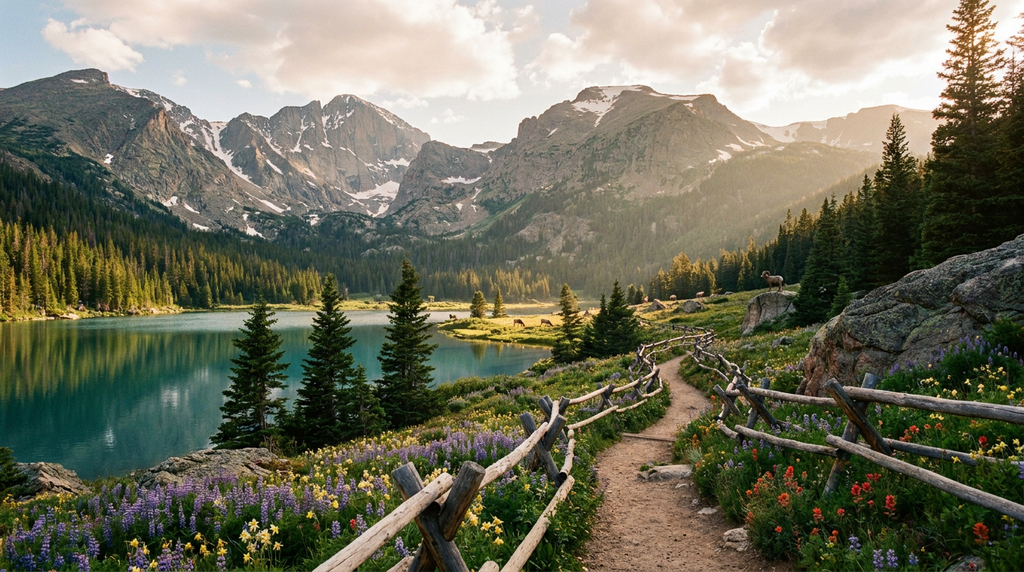
Rocky Mountain National Park in Colorado features high mountain peaks, alpine lakes, forests, and scenic roads. Its combination of accessible viewpoints and challenging trails makes it a popular destination for outdoor enthusiasts.
Top Things to Do
Trail Ridge Road provides spectacular mountain views when open. Because it reaches high elevations, it is affected by snow and weather and typically operates seasonally.
Bear Lake is a popular starting point for shorter hikes and longer routes to nearby lakes. The park also offers opportunities to observe elk, marmots, and other wildlife.
High-altitude hiking requires preparation. Visitors should allow time to adjust to elevation and avoid pushing beyond their physical limits.
Best Time to Visit
Summer is popular for hiking and scenic driving. Autumn offers opportunities to hear elk bugling during the breeding season and to enjoy changing foliage. Winter brings snow and additional challenges.
Travel Tips
- Check timed-entry or reservation requirements for your travel dates.
- Bring layers even during summer.
- Drink water and take breaks at high elevations.
- Stay on established trails.
- Check road conditions before driving into mountainous areas.
Who should visit? Rocky Mountain National Park is a great choice for hikers, families, wildlife enthusiasts, and visitors who love alpine scenery.
Acadia National Park: Rocky Shores and Coastal Beauty
Located on Maine’s Mount Desert Island and nearby coastal areas, Acadia National Park combines rocky shorelines, forested trails, lakes, and mountain views. It is one of the best national parks to visit in USA for travelers seeking a coastal experience.
Must-See Attractions in Acadia
The Park Loop Road provides access to many of the park’s well-known scenic areas. Visitors can stop at designated viewpoints, explore beaches, and enjoy coastal landscapes.
Cadillac Mountain is famous for its expansive views. Access arrangements can vary by season, and vehicle reservations may be required during certain periods.
Jordan Pond is another popular destination, offering a peaceful setting surrounded by hills. Walking routes around the pond provide opportunities to enjoy the scenery at a relaxed pace.
Best Time to Visit
Summer is popular for coastal activities, while autumn attracts visitors hoping to see colorful foliage. Spring may be quieter, but some facilities and trails can remain affected by seasonal conditions.
Travel Tips
- Book accommodation well in advance for peak autumn dates.
- Check Cadillac Mountain access and reservation requirements.
- Wear sturdy shoes on rocky trails.
- Keep a safe distance from cliff edges.
- Explore nearby communities for dining and additional activities.
Who should visit? Acadia is perfect for coastal road-trippers, photographers, families, and travelers who enjoy scenic walks.
Great Smoky Mountains National Park: Forests, Waterfalls, and Autumn Colors
Great Smoky Mountains National Park stretches across Tennessee and North Carolina. It is known for its misty mountain views, forests, waterfalls, historic structures, and exceptional biodiversity.
Things to Do in the Smokies
Cades Cove is a popular destination for scenic driving, historic buildings, and wildlife viewing. The loop road can become congested, especially during busy periods.
Clingmans Dome, also known as Kuwohi, provides sweeping mountain views when access and weather permit. Numerous hiking routes lead through forests and to waterfalls.
The park’s forests change throughout the year. Spring brings wildflowers, summer offers green mountain landscapes, and autumn draws visitors seeking colorful foliage.
Best Time to Visit
Autumn is especially popular, but leaf colors vary with elevation and weather. Spring is excellent for wildflowers, while summer provides lush scenery and longer daylight hours.
Travel Tips
- Expect traffic delays during peak foliage season.
- Check road and trail closures before leaving.
- Never feed wildlife.
- Wear appropriate footwear on wet trails.
- Carry a map because mobile service can be unreliable.
Who should visit? Great Smoky Mountains National Park is well suited to families, scenic drivers, hikers, and travelers who enjoy forests and seasonal colors.
Arches National Park: Extraordinary Sandstone Formations
Arches National Park in Utah is famous for its natural sandstone arches, balanced rocks, and striking desert landscapes. Its distinctive geology makes it a favorite for photography and sightseeing.
Top Attractions in Arches
Delicate Arch is the park’s best-known landmark. Reaching the main viewpoint involves a hike across exposed terrain, so visitors should bring water and avoid the hottest parts of the day.
The Windows Section contains several impressive rock formations and relatively short walking routes. Balanced Rock is another popular stop for visitors exploring by car.
The park’s red sandstone looks particularly striking in the early morning and late afternoon, when softer light creates shadows across the landscape.
Best Time to Visit
Spring and autumn generally offer more comfortable hiking temperatures. Summer can bring extreme heat, while winter may produce cold conditions and occasional snow.
Travel Tips
- Check entrance reservation requirements for your dates.
- Carry more water than you expect to need.
- Avoid strenuous hikes during extreme heat.
- Stay on designated trails to protect fragile desert soil.
- Never climb on delicate rock formations.
Who should visit? Arches is ideal for photographers, geology enthusiasts, road-trippers, and visitors who appreciate unique landscapes.
Bryce Canyon National Park: Colorful Hoodoos and Scenic Viewpoints
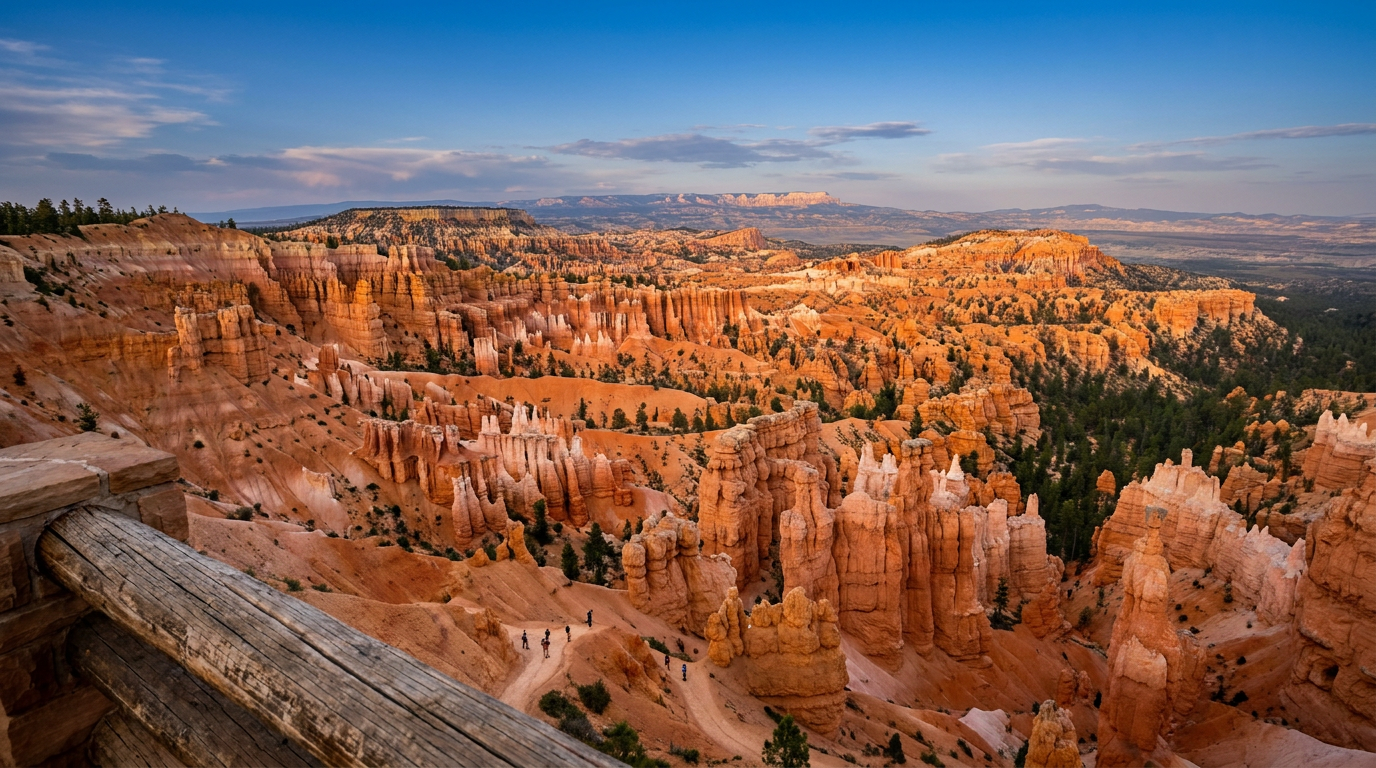
Bryce Canyon National Park in Utah is known for its remarkable hoodoos—tall, irregular rock formations shaped by erosion. Its amphitheaters filled with orange, red, and pale stone create a distinctive landscape.
What to See in Bryce Canyon
Sunrise Point and Sunset Point offer accessible viewpoints across the park’s famous rock formations. Visitors can enjoy the scenery without committing to a long hike.
For a closer experience, designated trails descend among the hoodoos. These routes can be steep, and hiking back uphill requires additional effort.
The park’s high elevation often creates cooler temperatures than nearby desert destinations. Snow can transform the landscape during winter, but icy trails may require extra caution.
Best Time to Visit
Late spring through early autumn is popular for hiking. Autumn can provide comfortable temperatures and beautiful light. Winter brings a different atmosphere, but weather and trail conditions can change quickly.
Travel Tips
- Bring layers because temperatures can vary.
- Check for snow and ice before hiking.
- Carry water on longer routes.
- Use marked viewpoints for safe photography.
- Plan extra time for sunrise or sunset.
Who should visit? Bryce Canyon is excellent for photographers, hikers, families, and travelers exploring southern Utah.
Death Valley National Park: Vast Deserts and Surreal Landscapes
Death Valley National Park, located in California and Nevada, contains expansive desert valleys, mountains, salt flats, sand dunes, and colorful geological formations. It offers a striking contrast to America’s forested and alpine parks.
Best Places to Explore
Badwater Basin is known for its salt flats and low elevation. Zabriskie Point offers views across eroded badlands, while Mesquite Flat Sand Dunes provide an opportunity to experience a classic desert landscape.
Artists Drive is known for colorful mineral-rich hills, although road conditions and vehicle restrictions should be checked before visiting.
The park can be dangerously hot, particularly in summer. Visitors must treat heat preparation as an essential part of their itinerary.
Best Time to Visit
Late autumn, winter, and early spring are generally more suitable for sightseeing and hiking. Summer temperatures can become extreme, so outdoor activities may need to be limited or avoided during the hottest hours.
Travel Tips
- Carry plenty of drinking water.
- Check weather alerts before leaving.
- Refuel before entering remote areas.
- Avoid strenuous outdoor activities during extreme heat.
- Stay on established roads and trails.
Who should visit? Death Valley appeals to desert photographers, geology enthusiasts, scenic drivers, and travelers who want to experience an unusual environment.
Everglades National Park: Wetlands and Fascinating Wildlife
Everglades National Park in southern Florida protects a vast wetland ecosystem that supports a variety of plants, birds, reptiles, and other wildlife. Unlike mountainous parks, the Everglades offers visitors a chance to explore subtropical landscapes and waterways.
Top Things to Do in the Everglades
The Anhinga Trail is a popular place to observe wetland wildlife from a designated walking route. Visitors may see wading birds, turtles, and alligators, although sightings are never guaranteed.
Shark Valley provides opportunities to explore the landscape along a designated route. Boat tours and other guided activities may be available through authorized operators, depending on the location and season.
The park also supports important ecological research and conservation efforts, making it an interesting destination for people who want to learn about wetland ecosystems.
Best Time to Visit
The dry season, generally from late autumn through spring, is popular for comfortable conditions and wildlife viewing. The wet season brings higher humidity, mosquitoes, and frequent storms, but it also transforms the environment.
Travel Tips
- Keep a safe distance from all wildlife.
- Never feed or approach alligators.
- Bring insect repellent and sun protection.
- Check storm and weather forecasts.
- Confirm operating hours and tour availability in advance.
Who should visit? Everglades National Park is ideal for birdwatchers, wildlife enthusiasts, families, and visitors interested in subtropical ecosystems.
Hawaiʻi Volcanoes National Park: Active Volcanoes and Volcanic Landscapes
Located on Hawaiʻi Island, Hawaiʻi Volcanoes National Park protects remarkable volcanic landscapes, including craters, lava formations, native forests, and areas shaped by ongoing geological processes.
What to Explore
Visitors can explore designated viewpoints, learn about volcanic activity, and walk along trails through landscapes formed by lava. The park’s scenery can change as geological activity and safety conditions evolve.
The Kīlauea area is a major attraction, but volcanic activity is unpredictable. An eruption is never guaranteed during a visit, and access to certain locations may change because of volcanic hazards.
The park also protects culturally significant places and fragile native ecosystems. Visitors should follow posted rules and respect the cultural importance of the landscape.
Best Time to Visit
The park can be visited throughout the year, although rain, wind, and changing volcanic conditions may affect activities. Check current alerts before traveling.
Travel Tips
- Check official volcanic activity updates before your visit.
- Remain inside designated viewing areas.
- Follow all closures and safety instructions.
- Bring rain protection and comfortable walking shoes.
- Allow time to explore different sections of the park.
Who should visit? Hawaiʻi Volcanoes National Park is an excellent choice for geology enthusiasts, photographers, families, and travelers interested in volcanic landscapes.
Comparison Table: Which National Park Should You Visit?
| National Park | State or States | Best For | Recommended Time |
| Yellowstone | Wyoming, Montana, Idaho | Geysers and wildlife | 3–4 days |
| Yosemite | California | Waterfalls and granite cliffs | 2–4 days |
| Grand Canyon | Arizona | Canyon views and geology | 1–3 days |
| Zion | Utah | Hiking and sandstone canyons | 2–3 days |
| Grand Teton | Wyoming | Mountain scenery | 2–3 days |
| Glacier | Montana | Alpine landscapes | 2–4 days |
| Olympic | Washington | Rainforests and coastlines | 2–4 days |
| Rocky Mountain | Colorado | Alpine lakes and hiking | 2–3 days |
| Acadia | Maine | Coastal scenery | 2–3 days |
| Great Smoky Mountains | Tennessee, North Carolina | Forests and autumn colors | 2–3 days |
| Arches | Utah | Natural sandstone arches | 1–2 days |
| Bryce Canyon | Utah | Hoodoos and viewpoints | 1–2 days |
| Death Valley | California, Nevada | Desert scenery | 1–3 days |
| Everglades | Florida | Wetlands and wildlife | 1–3 days |
| Hawaiʻi Volcanoes | Hawaii | Volcanic landscapes | 1–2 days |
These suggested durations are general planning estimates, not official requirements. Actual travel time depends on your route, chosen activities, weather, and access restrictions.
How to Choose the Best National Park for Your Travel Style
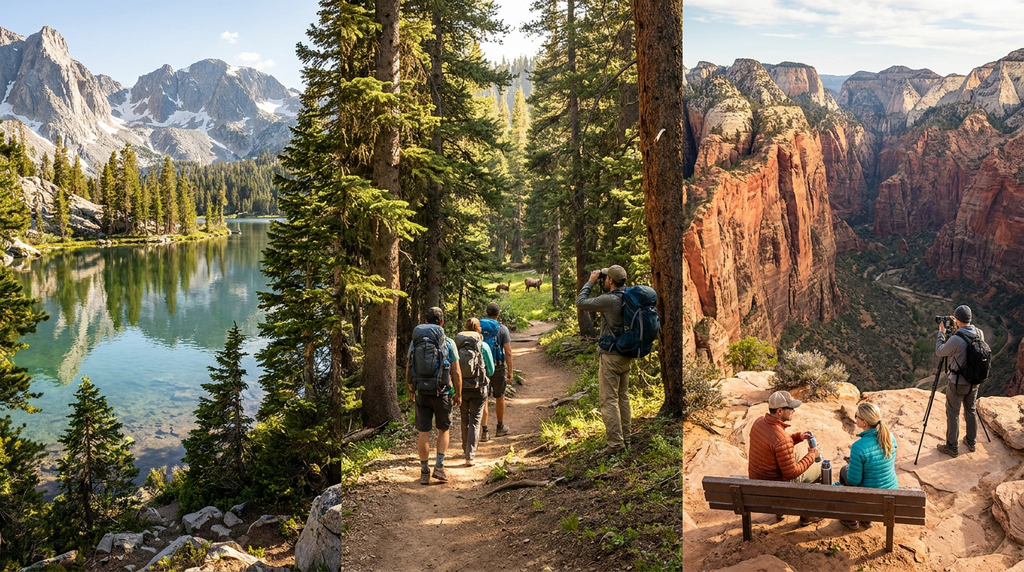
The best park is not necessarily the most famous one. Choose a destination that matches your interests, available time, and comfort level.
Choose According to Your Interests
If you love wildlife, consider Yellowstone or the Everglades. For mountain views, Grand Teton and Rocky Mountain National Park are excellent options. Visitors interested in unusual geological features may prefer Arches, Bryce Canyon, or Hawaiʻi Volcanoes.
If coastal landscapes appeal to you, Olympic and Acadia provide a different experience from the country’s desert and mountain parks.
Consider the Season
Seasonal weather can significantly affect your experience. Mountain roads may remain closed because of snow, desert temperatures can become dangerously high, and coastal weather can change quickly.
Research your chosen park before booking flights or accommodation. Check seasonal operating schedules, current alerts, and trail conditions.
Think About Your Fitness Level
Some national parks offer accessible viewpoints and short walking paths, while others feature steep climbs and long backcountry routes.
You do not need to complete a difficult hike to enjoy a national park. Choose activities that fit your experience and physical abilities.
Set a Realistic Budget
Your expenses may include accommodation, transportation, food, entrance fees, equipment, and guided activities.
Camping may reduce accommodation costs, but campsites can require advance reservations. Staying in nearby towns can provide more lodging choices, although it may increase daily driving time.
Check Access and Reservation Rules
Some parks or popular areas may use timed-entry systems, vehicle reservations, permits, or shuttle transportation during particular seasons.
Always check official National Park Service information for your exact travel dates instead of relying on older blog posts.
How Much Does a National Park Trip in the USA Cost?
The cost of a national park vacation depends on the number of parks you visit, your travel distance, accommodation choices, and activities.
| Expense | What Affects the Cost? | Budget Tip |
| Transportation | Flights, rental cars, fuel, and parking | Compare routes before booking |
| Accommodation | Hotels, lodges, cabins, or campsites | Reserve early during busy seasons |
| Food | Restaurants, groceries, and snacks | Pack meals when permitted |
| Entrance fees | Park-specific admission rules | Review current official fee information |
| Activities | Tours, rentals, and permitted excursions | Prioritize the activities you value most |
| Equipment | Hiking shoes, layers, and camping gear | Borrow or rent suitable equipment when practical |
For a budget-friendly trip, choose one region instead of trying to visit parks scattered across the country. For example, combining Zion, Bryce Canyon, and Arches can make sense for a southern Utah road trip, while Yellowstone and Grand Teton work well together in Wyoming.
Always check current admission fees, reservation requirements, and transportation costs before finalizing your budget.
Common Mistakes to Avoid When Visiting National Parks
A little preparation can prevent common problems and make your national park vacation more enjoyable.
Trying to Visit Too Many Parks
National parks often cover enormous areas, and traveling between them can take longer than expected. Planning too many destinations into a short trip may leave little time to enjoy each one.
Better approach: Choose a small group of nearby parks and allow enough time for sightseeing.
Ignoring Weather Conditions
Weather can change quickly in mountains, deserts, and coastal environments. A trail that looks easy in pleasant weather may become hazardous during storms, snow, or extreme heat.
Better approach: Check forecasts and park alerts before leaving your accommodation.
Starting Difficult Hikes Too Late
Beginning a strenuous hike late in the day can leave insufficient time to return before darkness or changing weather.
Better approach: Start early, estimate the full round-trip time, and turn back if conditions become unsafe.
Underestimating Water and Food Needs
Remote trails and scenic drives may have few services. Running out of water or food can become a serious problem, especially in hot environments.
Better approach: Carry adequate supplies and know where water and other services are available.
Approaching Wildlife
Animals in national parks are wild and can behave unpredictably. Approaching them for photographs or feeding them can put people and wildlife at risk.
Better approach: Observe wildlife from a safe distance and follow park guidance.
Forgetting Reservations and Permits
Popular accommodation, campsites, scenic drives, and hiking routes may have booking or permit requirements.
Better approach: Check the official park website before confirming your itinerary.
Relying Entirely on Mobile Service
Mobile reception may be limited or unavailable in remote areas.
Better approach: Download maps, save important information offline, and carry a physical map when appropriate.
Leaving Litter Behind
Food scraps, plastic, and other waste can harm wildlife and damage fragile environments.
Better approach: Follow Leave No Trace principles and take your rubbish with you.
Expert Tips for Planning a Successful National Park Adventure

Use these practical tips to prepare for your journey.
- Research before booking: Review entrance requirements, seasonal closures, weather, and current alerts.
- Travel during quieter periods: When your schedule allows, consider weekdays or shoulder seasons to avoid some crowds.
- Pack for changing conditions: Bring suitable footwear, layered clothing, sun protection, and rain gear.
- Keep your itinerary flexible: Weather and road closures can affect your plans.
- Start popular activities early: Morning visits may provide cooler temperatures and less congestion.
- Respect wildlife: Never feed animals or approach them for photographs.
- Stay on designated trails: This protects both visitors and fragile habitats.
- Download offline information: Save maps, reservations, and essential directions before entering remote areas.
- Support nearby communities: Local businesses can provide accommodation, meals, supplies, and useful travel information.
- Follow park regulations: Rules protect visitors, wildlife, natural features, and culturally significant places.
National Park Packing Checklist
Packing appropriately can help you enjoy your visit without carrying unnecessary equipment.
| Item | Why It Matters |
| Comfortable walking shoes | Provide support on trails and uneven surfaces |
| Reusable water bottle | Helps you carry drinking water |
| Sun protection | Includes sunscreen, sunglasses, and a suitable hat |
| Weather-appropriate clothing | Helps you prepare for changing conditions |
| Offline maps | Useful where mobile reception is limited |
| First-aid supplies | Helpful for minor everyday needs |
| Snacks and meals | Useful when services are limited |
| Flashlight or headlamp | Important for early starts or unexpected delays |
| Power bank | Helps keep your phone charged |
| Binoculars | Allow wildlife observation from a distance |
| Small rubbish bag | Makes it easier to carry out your waste |
| Required permits and reservations | Helps prevent access problems |
Your exact packing list should reflect the season, trail difficulty, length of your visit, and current park guidance.
Frequently Asked Questions
What are the best national parks to visit in USA for first-time visitors?
Yellowstone, Yosemite, Grand Canyon, Zion, and Grand Teton are excellent starting points. They offer distinctive scenery and a range of sightseeing opportunities. The best choice depends on the season and activities you prefer.
Which US national park is best for families?
Yosemite, Yellowstone, Acadia, and Great Smoky Mountains can be good choices for families because they offer scenic viewpoints and a variety of outdoor activities. Check trail lengths, accessibility, weather, and visitor facilities before choosing specific activities.
What is the best time to visit national parks in the USA?
Late spring through early autumn is popular for many parks, but there is no single best season for every destination. Mountain parks may have snow-related closures, while desert parks are often more comfortable during cooler months.
Which national parks are best for hiking?
Zion, Yosemite, Rocky Mountain, Glacier, and Grand Teton offer a wide range of hiking opportunities. Trails vary in difficulty, so review distance, elevation gain, weather, and current conditions before setting out.
Which national parks are best for wildlife viewing?
Yellowstone and Grand Teton are well known for wildlife, while the Everglades is an important destination for observing wetland species. Wildlife sightings are never guaranteed, and visitors should maintain a safe distance.
Can I visit multiple national parks on one road trip?
Yes. Visiting nearby parks can be an efficient way to explore several landscapes during one vacation. For example, travelers often combine Zion, Bryce Canyon, and Arches, or plan a Wyoming trip around Yellowstone and Grand Teton. Always account for driving distances and time spent inside each park.
Do I need reservations to visit national parks?
Requirements vary by park, season, and activity. Some destinations may require timed-entry reservations, vehicle permits, campground bookings, or permits for specific hikes. Check the official park website for current requirements.
How can I visit national parks on a budget?
Travel during less busy periods when possible, compare accommodation options, prepare some of your own meals, and focus on parks within the same region. Check official entrance-fee information and avoid planning an itinerary with excessive driving.
Are national parks in the USA suitable for beginners?
Yes. Many parks offer scenic drives, visitor centers, accessible viewpoints, and short trails. You can enjoy the scenery without attempting difficult hikes. Choose activities that match your experience and follow park safety guidance.
What should I avoid doing in a national park?
Never feed or approach wildlife, leave rubbish behind, ignore closures, enter dangerous areas, or underestimate weather conditions. Stay on designated trails, follow park regulations, and respect natural and culturally significant places.
Conclusion
Exploring the best national parks to visit in USA is a wonderful way to discover the country’s remarkable natural diversity. From Yellowstone’s geysers and wildlife to Yosemite’s granite cliffs, the Grand Canyon’s vast landscapes, Zion’s sandstone canyons, and Olympic’s lush rainforests, every park offers a different experience.
The key to a successful trip is choosing destinations that match your interests, visiting during suitable seasons, preparing for changing weather, and checking current access requirements. You do not need to visit every park in one vacation. A carefully planned journey through two or three nearby destinations can provide a more relaxed and rewarding experience.
Start by choosing the landscapes you most want to see, decide how much time you have, and build a realistic itinerary. With thoughtful preparation and respect for the natural environment, your 2026 national park adventure can become a memorable travel experience.
Read More:Best Scenic Road Trips in USA: 15 Breathtaking Routes for an Unforgettable Adventure