
Planning a Europe trip from the United States can feel expensive, especially when you add flights, hotels, trains, meals, attractions, and local transportation. EuroCheapo is designed for travelers who want to experience Europe without spending more than necessary. The site focuses on affordable hotels, budget travel advice, transportation, and practical ways to stretch a travel budget.
EuroCheapo began in 2001 with a focus on finding and reviewing affordable European hotels. Over time, its coverage expanded into budget travel guides, transportation advice, alternative accommodations, and destination-specific money-saving ideas. Its editorial team includes travel writers and correspondents who cover European destinations from different perspectives.
For American travelers, the biggest value is not simply finding the cheapest room. It is learning where to stay, when to travel, how to move around, and where to spend your money. This guide explains how to use EuroCheapo effectively in 2026 while combining its advice with your own research and current prices.
Quick Answer
EuroCheapo is a budget travel website focused primarily on affordable European hotels and money-saving travel advice. It reviews hotels, provides destination guides, and publishes practical information about transportation, timing, food, and other ways to reduce travel costs.
It can be especially useful if you want to:
- Find affordable hotels in European cities
- Compare different neighborhoods
- Discover budget travel tips
- Plan a lower-cost Europe itinerary
- Learn when European destinations are cheaper
- Reduce transportation costs
- Find alternatives to expensive hotels
- Get practical city-specific advice
However, prices and availability change constantly, so travelers should always confirm current rates, taxes, cancellation policies, and amenities before booking.
What Is EuroCheapo and How Does It Work?
EuroCheapo was launched in 2001 by Tom Meyers after he moved to Berlin and began inspecting European hotels. The original concept was straightforward: identify interesting, affordable hotels and provide useful information about them online.
The website has grown considerably since those early days. Its content now includes hotel reviews, destination information, budget advice, transportation tips, and articles about saving money while traveling around Europe.
What Makes EuroCheapo Different?
The site takes a value-focused approach rather than treating luxury as the default.
A budget hotel does not necessarily mean a bad hotel. A small family-run property in a great neighborhood can sometimes offer a better travel experience than a larger property far outside the city center.
EuroCheapo’s approach emphasizes finding places that balance:
- Price
- Location
- Character
- Comfort
- Convenience
- Local atmosphere
That distinction is important for U.S. visitors. Saving $20 on a room may not be worthwhile if you spend an extra hour commuting every day.
A Brief History
EuroCheapo originally launched with a guide covering 25 budget hotels in Paris. The project later expanded to additional European cities and developed a blog covering budget travel.
The site’s stated mission remains centered on making European travel more affordable and memorable.
Best Ways to Use EuroCheapo for a Europe Trip

The most effective way to use EuroCheapo is as a research tool, not simply as a booking website.
Start by choosing your destination. Then research the neighborhoods, accommodation types, transportation options, and seasonal pricing.
Start With Your Destination
Suppose you are planning a first European trip and are considering Paris, Rome, Lisbon, Amsterdam, or Berlin.
Instead of searching only for “cheap hotels,” first understand the city.
Ask:
- Which neighborhoods are convenient?
- Is public transportation reliable?
- How far is the airport?
- Which attractions are nearby?
- Is the area safe and practical for visitors?
- What are normal hotel prices?
- Are there local events during your dates?
Compare Neighborhoods
A slightly more expensive room in a central neighborhood can sometimes save money overall.
For example, if a $75 hotel requires expensive transportation every day while a $95 hotel allows you to walk to major attractions, the second option could provide better value.
Read Hotel Reviews Carefully
Do not look only at the price.
Check the review information for:
- Room size
- Bathroom setup
- Air conditioning
- Elevator availability
- Wi-Fi
- Breakfast
- Location
- Noise
- Check-in policies
- Nearby transportation
This matters because European hotel rooms can differ significantly from what American travelers expect.
Best European Cities to Research With EuroCheapo
EuroCheapo’s coverage includes major European destinations and city-specific hotel listings. The site currently has hotel pages for destinations such as Paris, Rome, Lisbon, Bruges, Frankfurt, and others.
Paris
Paris is one of the world’s most popular destinations, but it does not have to destroy your travel budget.
EuroCheapo’s Paris coverage includes budget hotels and extensive money-saving advice. Its Paris budget guide, for example, covers ways to reduce costs related to hotels, transportation, sightseeing, and other trip expenses.
Budget strategy: Consider staying in a well-connected neighborhood rather than automatically choosing the cheapest property outside the city.
Rome
Rome is another destination where location can dramatically influence the value of a hotel.
Being close to major transportation routes can reduce the time and money spent moving between attractions.
Budget strategy: Look beyond star ratings and consider walking access, transportation, breakfast, and neighborhood atmosphere.
Lisbon
Lisbon has traditionally been attractive to budget-conscious travelers because food, transportation, accommodation, and other expenses can be relatively affordable compared with some Western European capitals.
Budget strategy: Compare central guesthouses, small hotels, and other accommodation types instead of looking only at major hotel chains.
Bruges
Bruges can be an excellent destination for travelers who want a compact historic city.
EuroCheapo’s listings include affordable properties in central areas, with some listings showing rates below $100 depending on dates and availability.
Budget strategy: Compare staying directly in Bruges with staying farther away and commuting in.
Frankfurt
Frankfurt can be particularly useful as part of a wider European itinerary because of its transportation connections.
EuroCheapo’s Frankfurt listings include budget-oriented hotels in areas such as the Bahnhofsviertel.
Budget strategy: If you have an early train, a hotel near the station can be worth paying slightly more for.
How to Find Cheap Hotels With EuroCheapo
Finding a low price is only the first step. The real goal is finding good value.
Compare More Than the Headline Price
A room advertised at a low nightly rate may have additional costs.
Before booking, check:
| Factor | Why It Matters |
| Nightly rate | Basic accommodation cost |
| Taxes | May be added separately |
| City tax | Common in European destinations |
| Breakfast | Can change the real daily cost |
| Location | Affects transportation expenses |
| Cancellation | Protects you if plans change |
| Air conditioning | Important during hot months |
| Elevator | Useful with luggage |
| Wi-Fi | Important for trip planning |
| Private bathroom | Not universal in budget properties |
Look for Value, Not Just Cheapness
EuroCheapo’s hotel listings demonstrate why travelers should consider reviews, location, and features alongside price. For example, its Paris listings include affordable properties with different combinations of location and amenities.
A $90 hotel with breakfast and a central location may be a better choice than a $65 room that requires daily transportation and restaurant breakfasts.
When Is the Cheapest Time to Visit Europe?

Timing can have a major effect on the cost of a European vacation.
EuroCheapo generally describes high season, shoulder season, and low season as useful ways to think about European travel prices. High season often includes late spring through summer and early fall, while shoulder seasons generally offer a combination of fewer crowds and lower prices. Winter is often cheaper, although conditions vary by destination.
High Season
Typical period: Late spring through summer and early fall
Advantages:
- Longer daylight
- Warmer weather
- More attractions operating
- Convenient for family travel
Disadvantages:
- Higher hotel prices
- Higher airfare
- More crowds
- Longer attraction lines
Shoulder Season
Typical period: Early spring and late fall
This can be one of the best compromises for budget travelers.
You may get:
- Lower accommodation prices
- Fewer tourists
- Reasonable weather
- Better availability
However, always check local school holidays and major events.
Low Season
Winter can offer significant savings in many European destinations, although the experience depends heavily on the city and your interests. EuroCheapo notes that winter can mean lower costs and fewer crowds, but weather and seasonal closures can affect the experience.
Important: Ski destinations are an exception. Winter can be their busiest and most expensive period.
EuroCheapo Budget Travel Tips for American Visitors
A U.S. traveler can use several simple strategies to make a European vacation more affordable.
Book Around Your Priorities
Do not spend the same amount on every part of the trip.
Instead, decide what matters most.
For example:
- Spend more on a central hotel.
- Spend less on breakfast.
- Walk between nearby attractions.
- Use public transportation for longer distances.
- Choose a few paid attractions instead of trying to visit everything.
Travel Light
Packing light can make European travel easier.
Smaller bags are especially useful when using:
- Trains
- Metro systems
- Buses
- Historic-city streets
- Older buildings without elevators
Use Public Transportation
European cities often have strong public transportation systems.
Before buying a taxi or rideshare, check whether:
- A metro line serves your destination
- A local bus is available
- A train connects the airport
- A walk is practical
Eat Like a Local
Restaurants near major attractions can be expensive.
Consider:
- Local bakeries
- Markets
- Casual restaurants
- Grocery stores
- Neighborhood cafés
- Set lunch menus
This does not mean avoiding special meals. Instead, choose when to splurge.
Pros and Cons of Using EuroCheapo
| Pros | Cons |
| Strong focus on budget travel | Not every European destination has the same depth of coverage |
| Long history of European hotel research | Prices can change after an article or listing is published |
| Destination-specific advice | Travelers still need to verify current booking conditions |
| Hotel reviews and recommendations | Budget preferences differ from traveler to traveler |
| Practical transportation advice | Some advice may be more useful for independent travelers |
| Useful seasonal tips | Current events can change prices quickly |
| Focus on value rather than luxury | A cheap room may not suit every traveler |
Overall, EuroCheapo is most useful when combined with current booking information and official destination resources.
Expert Tips for Getting More Value From EuroCheapo

Use Reviews as a Starting Point
A review gives you context, but always check the latest booking information before making a reservation.
Check the Exact Location
Look at the hotel’s location on a current map.
Ask yourself:
“Would I actually enjoy staying here for three or four nights?”
Calculate the Full Cost
Don’t compare hotel prices alone.
Use this simple formula:
Total accommodation cost = room rate + taxes + fees + transportation + breakfast
The cheapest room is not always the cheapest trip.
Check Your Travel Dates
A hotel can have dramatically different rates depending on the day of the week, season, holidays, and major local events.
Watch for Major Events
A city that normally has affordable hotels can become expensive during conventions, festivals, sporting events, or major cultural events. EuroCheapo specifically warns budget travelers to watch for special events that can fill hotel rooms even during normally inexpensive periods.
Give Yourself Some Flexibility
Changing your trip by even a few days can sometimes improve prices.
Common Mistakes Budget Travelers Should Avoid
Choosing the Cheapest Hotel Automatically
Cheap does not always mean good value.
Ignoring Transportation Costs
A hotel far from everything may create additional daily expenses.
Forgetting City Taxes
Some European destinations add local tourist taxes.
Assuming All Rooms Are the Same
Room sizes, bathrooms, elevators, and amenities can vary widely.
Planning Only Around Summer
Summer can be wonderful, but it is often more expensive and crowded.
Ignoring Special Events
Large events can dramatically change accommodation prices.
Trying to See Everything
A packed itinerary can increase transportation and attraction costs while making your trip stressful.
Not Checking Current Information
Older travel articles can remain useful for strategy, but prices, transportation rules, hotel policies, and attraction details can change.
EuroCheapo Europe Travel Checklist
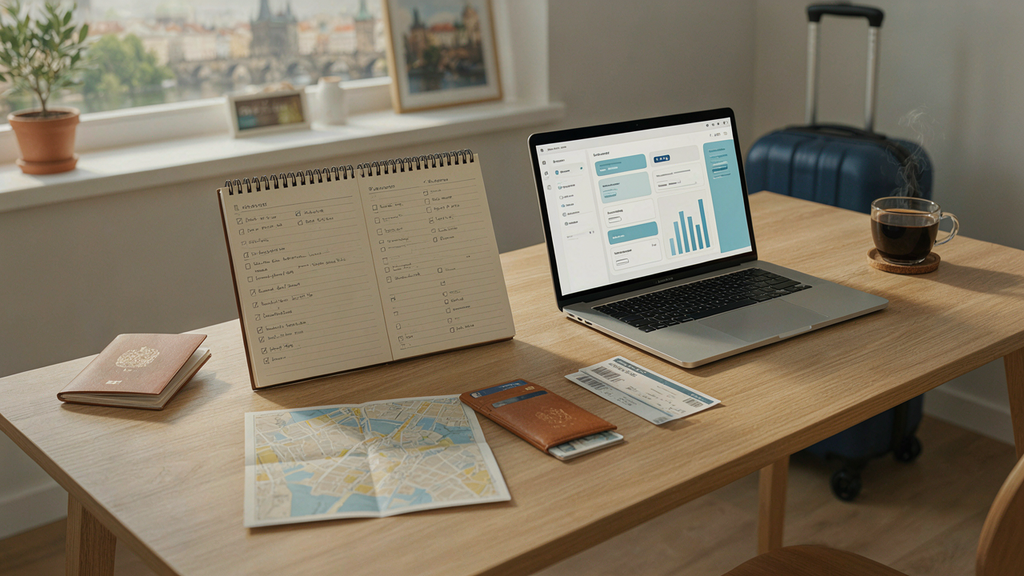
Use this checklist before booking your next European trip:
- Choose your destinations
- Set a realistic daily budget
- Research neighborhoods
- Compare hotel prices
- Check hotel reviews
- Confirm current availability
- Check cancellation policies
- Calculate local transportation costs
- Check tourist taxes
- Research airport transportation
- Compare high, shoulder, and low seasons
- Check local events
- Plan major attractions
- Look for free activities
- Research local food options
- Confirm passport and entry requirements
- Check travel insurance
- Keep emergency contact information
- Download useful travel apps
- Keep a backup accommodation option
How to Build a Budget Europe Itinerary With EuroCheapo
A smart itinerary should balance expensive cities with affordable experiences.
For example, imagine a 10-day trip:
| Days | Destination | Budget Strategy |
| 1–3 | Paris | Budget hotel + free walking |
| 4–5 | Brussels | Train travel + local dining |
| 6–7 | Bruges | Walkable historic center |
| 8–10 | Amsterdam | Public transportation + free attractions |
The exact itinerary will depend on your interests and flight prices.
The important principle is to avoid spending your entire budget on accommodation.
Use a Daily Budget
Break your spending into categories:
- Accommodation
- Food
- Transportation
- Attractions
- Shopping
- Emergency funds
This gives you more control than simply setting one total number.
Is EuroCheapo Good for First-Time Europe Travelers?

Yes, particularly if you prefer independent travel and want to understand how to reduce costs.
First-time visitors often focus heavily on famous attractions. That is understandable, but accommodation and transportation can have an even larger effect on the total cost of a trip.
EuroCheapo can help you think about the trip from a budget perspective.
Its content is especially useful for travelers asking questions such as:
- Where should I stay?
- What neighborhood offers good value?
- When should I visit?
- How can I reduce hotel costs?
- How can I get around cheaply?
- Which expenses should I prioritize?
For a first Europe trip, combine that information with official tourism websites, transportation providers, and current hotel booking information.
Frequently Asked Questions
What is EuroCheapo?
EuroCheapo is a European budget travel website that focuses on affordable hotels, destination advice, transportation information, and ways to save money while traveling. It was founded in 2001.
Is EuroCheapo only for cheap hotels?
No. Although affordable hotels remain an important part of the website, EuroCheapo also publishes broader budget travel advice covering transportation, destinations, seasonal travel, and other ways to save money.
Is EuroCheapo useful for Americans?
Yes. American travelers planning independent European vacations can use its hotel research and budget advice to understand European accommodation and travel costs.
Does EuroCheapo cover Paris?
Yes. EuroCheapo has extensive Paris hotel listings and budget travel content, including advice on saving money on accommodation, transportation, sightseeing, and other expenses.
Does EuroCheapo cover Rome?
Yes. The site has Rome hotel listings and destination-related budget information.
Can EuroCheapo help me find affordable hotels?
Yes. Finding and reviewing budget-friendly European hotels has been central to EuroCheapo since its launch.
What is the cheapest time to visit Europe?
There is no single cheapest period for every European city. Winter is often less expensive, while shoulder seasons can offer a good balance between weather, crowds, and prices.
Should I book the cheapest hotel I find?
Not necessarily. Consider location, transportation, taxes, amenities, cancellation rules, and reviews before choosing a property.
Can EuroCheapo help with transportation?
Yes. EuroCheapo’s stated coverage includes European rail passes, budget airlines, bus networks, car rentals, and other transportation-related advice.
Is EuroCheapo enough to plan an entire Europe trip?
It can be an excellent research resource, but it should not be your only source. Confirm current prices, transportation schedules, entry requirements, attraction information, and booking conditions with current official sources.
Conclusion
EuroCheapo can be a valuable resource for travelers who want to explore Europe without treating every part of the trip as a luxury purchase. Its long-running focus on affordable hotels, destination research, transportation, and practical budget advice makes it particularly useful for independent travelers.
The smartest approach is to use EuroCheapo to research value, not simply chase the lowest price. Compare neighborhoods, check transportation, consider the season, calculate the full cost of accommodation, and verify important details before booking.
If you are planning a European adventure in 2026, start with your destinations, build a realistic budget, and use reliable travel resources to turn your research into a practical itinerary. A memorable Europe trip does not have to be the most expensive one.
Read More:The Local Europe: Ultimate 2026 Guide to Travel News, Local Tips & European Adventures