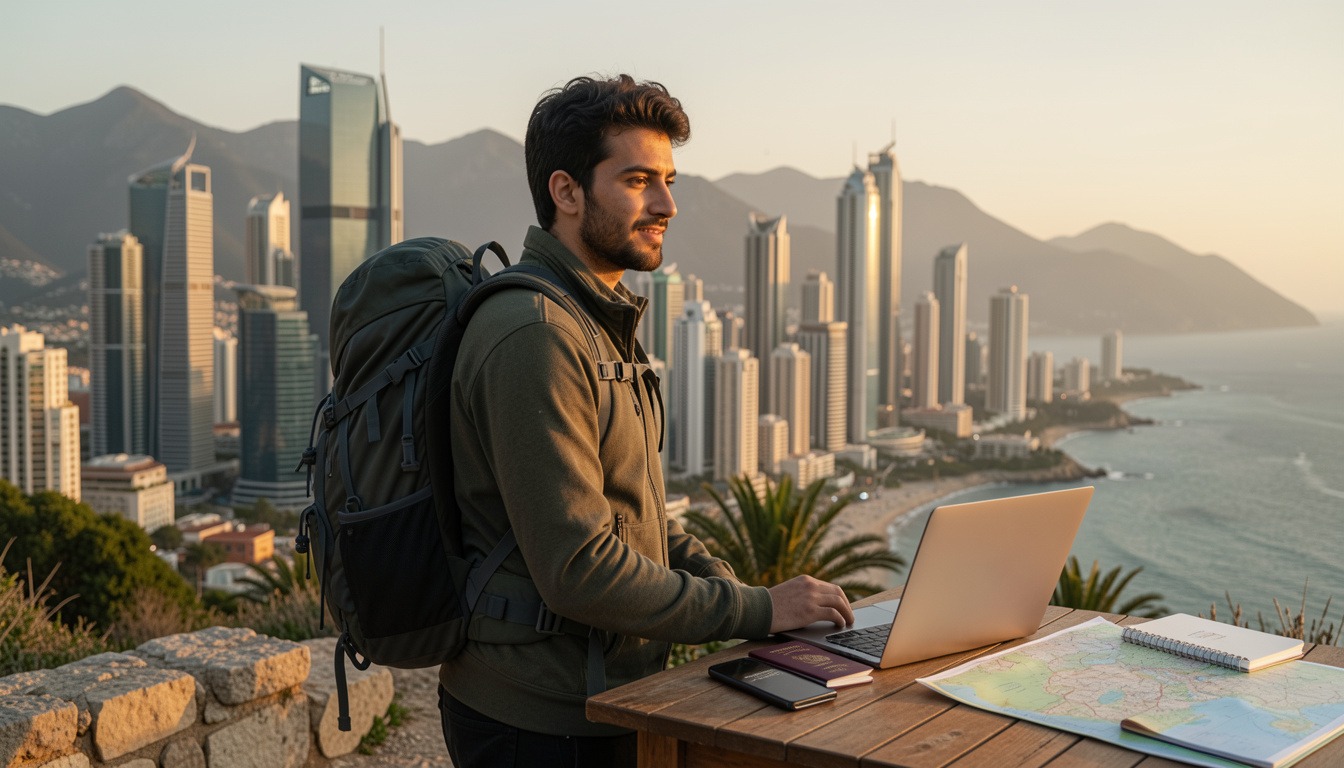
Travel has changed dramatically. A vacation once meant booking a hotel for a week, visiting major attractions, and returning home. Today, more travelers are interested in spending several weeks or months in one destination. They may work remotely, study, freelance, take a career break, or simply want to experience everyday life in another country.
That is where Travel Guides & Nomadic Living Abroad becomes valuable. Instead of planning every trip around sightseeing alone, you begin thinking about accommodation, local transportation, visas, healthcare, internet access, food costs, banking, work schedules, and community. This approach can make long-term travel more practical and less stressful.
But living abroad is not an endless vacation. It requires preparation and flexibility. Visa conditions can change, housing can cost more than expected, and a destination that looks perfect online may not match your lifestyle. The smartest nomads research carefully, keep emergency funds, respect local laws, and build plans that can adapt.
This guide explains how to approach Travel Guides & Nomadic Living Abroad in a realistic way, from choosing a destination to managing your budget and avoiding common mistakes.
Quick Answer
Travel Guides & Nomadic Living Abroad combines practical travel planning with the lifestyle of spending extended periods in different countries rather than taking only short vacations.
A successful nomadic lifestyle usually involves choosing suitable destinations, understanding visa rules, finding reliable accommodation, managing money across currencies, arranging insurance, maintaining dependable internet, and creating a sustainable work-and-travel routine.
The goal is not simply to visit as many countries as possible. It is to build a flexible lifestyle that lets you travel longer, spend wisely, work or study responsibly, and experience destinations more deeply.
Understand the Difference Between Vacation Travel and Nomadic Living
Traditional travel is often built around a fixed itinerary. You might spend three days in one city, two days in another, and return home after a week or two.
Nomadic living is different.
Instead of constantly moving, many long-term travelers stay in a destination for several weeks or months. This can reduce transportation costs and give travelers time to understand local culture.
Traditional Travel vs. Nomadic Living
| Factor | Traditional Travel | Nomadic Living |
| Trip length | Usually days or weeks | Often weeks or months |
| Accommodation | Hotels and resorts | Apartments, extended stays, guesthouses |
| Planning | Detailed itinerary | Flexible routine |
| Transportation | Frequent | Less frequent |
| Main goal | Sightseeing | Living and exploring |
| Budget | Daily vacation budget | Monthly living budget |
| Work | Usually off | May continue remotely |
| Local experience | Short-term | Deeper and slower |
Nomadic living does not require moving every few days. In fact, slow travel can be one of the smartest ways to make an international lifestyle affordable.
Choose a Destination Based on Lifestyle, Not Just Price
One of the biggest mistakes in long-term travel is choosing a country simply because it appears cheap.
A low-cost destination may have expensive international flights, unreliable internet, limited transportation, difficult visa rules, or poor access to the services you need.
Instead, evaluate the complete lifestyle cost.
Consider:
- Monthly accommodation
- Food and groceries
- Local transportation
- Internet
- Healthcare
- Travel insurance
- Visa costs
- Coworking spaces
- Entertainment
- Banking and ATM fees
- Flights between destinations
- Weather
- Safety and local regulations
- Time-zone compatibility
A Simple Destination Scorecard
Give each destination a score from 1 to 5:
| Category | Score |
| Monthly cost | /5 |
| Internet reliability | /5 |
| Visa suitability | /5 |
| Accommodation | /5 |
| Transportation | /5 |
| Healthcare access | /5 |
| Weather | /5 |
| Lifestyle fit | /5 |
| Community | /5 |
| Overall value | /5 |
This creates a more realistic picture than looking at rent prices alone.
Think About Your Daily Life
Ask yourself:
Could I comfortably live here for three months?
That question is often more useful than:
Would I enjoy visiting here for five days?
Research Visa and Entry Requirements Before Booking
Visa rules are one of the most important parts of Travel Guides & Nomadic Living Abroad.
Never assume that entering a country as a tourist automatically means you can work there remotely or stay indefinitely.
Countries may offer:
- Tourist visas
- Visa-free entry
- Electronic travel authorizations
- Student visas
- Work visas
- Digital nomad visas
- Residence permits
- Business visas
- Long-stay visas
The exact rules depend on nationality, destination, purpose of stay, and length of visit.
Important Questions to Research
Before booking a long stay, find out:
How long can you legally stay?
Does the destination require a visa?
Can the visa be extended?
Is remote work permitted?
What income requirements apply?
Does the country require health insurance?
How much does the application cost?
What documents are required?
Are there minimum-income requirements?
Can you leave and re-enter during the visa period?
Always check the destination’s official immigration or government website for current rules.
Visa policies can change, so an old blog post should never be your only source.
Build a Realistic Monthly Travel Budget
Long-term travel becomes easier when you stop thinking only in terms of a daily vacation budget.
Create a monthly budget instead.
Example Nomadic Monthly Budget
| Expense | Example Monthly Amount |
| Accommodation | $900 |
| Food | $450 |
| Local transportation | $150 |
| Internet/mobile | $70 |
| Travel insurance | $100 |
| Coworking/work costs | $120 |
| Entertainment | $150 |
| Miscellaneous | $160 |
| Emergency savings | $200 |
| Example total | $2,300 |
These figures are examples, not universal prices. Costs can vary greatly by country, city, season, accommodation type, and lifestyle.
Use the 3-Budget Method
A practical system is to create three budgets:
Minimum budget: The amount needed for basic living.
Comfortable budget: Your normal lifestyle with some entertainment.
Emergency budget: Extra money reserved for unexpected expenses.
For example:
- Minimum: $1,700
- Comfortable: $2,300
- Emergency reserve: $4,000+
This gives you a safety margin instead of relying on perfect circumstances.
Track Hidden Expenses
Long-term travelers often forget:
- Visa fees
- Airport transportation
- Currency conversion
- ATM fees
- Deposits
- Laundry
- SIM cards
- Replacement electronics
- Unexpected medical costs
- Last-minute flights
Small costs can become significant over several months.
Choose Long-Term Accommodation Carefully
Accommodation is often the largest monthly expense for nomadic travelers.
A hotel may be convenient for a short trip but expensive for a three-month stay. An apartment may offer better value but require deposits, contracts, or utility arrangements.
Common Accommodation Options
| Option | Best For | Main Advantage | Potential Drawback |
| Hotel | Short stays | Convenience | Higher long-term cost |
| Serviced apartment | 1–3 months | Comfort | Can be expensive |
| Monthly rental | Longer stays | Better value | May require deposits |
| Guesthouse | Budget travelers | Social atmosphere | Less privacy |
| Hostel private room | Solo travelers | Affordable | Variable quality |
| House sitting | Flexible travelers | Can reduce housing cost | Limited availability |
Before booking, check:
- Reliable Wi-Fi
- Workspace
- Air conditioning or heating
- Kitchen access
- Laundry
- Neighborhood safety
- Public transportation
- Noise levels
- Cancellation policy
- Reviews from longer-term guests
Never choose accommodation based only on attractive photographs.
Plan How You Will Work, Study, or Earn Money Abroad
Nomadic living often depends on location-independent income, but working internationally can involve legal, tax, employment, and contractual issues.
Possible income models include:
- Remote employment
- Freelancing
- Online consulting
- Digital services
- Online education
- Creative work
- Entrepreneurship
- Contract work
However, being able to work remotely does not automatically mean local immigration law allows you to do so.
Check the relevant rules before working from another country.
Build a Reliable Work System
A good remote-work setup should include:
- Primary laptop
- Backup storage
- Reliable internet
- Mobile data backup
- Headphones
- Secure passwords
- Cloud backups
- A comfortable workspace
- Calendar management
- Clear working hours
If your income depends on internet access, never rely on one connection.
Manage Banking, Currency, and Emergency Money
Money management becomes more important when you live across borders.
Ideally, maintain access to more than one payment method.
A practical setup might include:
- Primary bank account
- Backup payment card
- Emergency savings
- Small amount of local cash
- Secure digital banking
- Expense tracking app or spreadsheet
Protect Your Emergency Fund
Do not spend your entire travel budget.
An emergency fund can help with:
- Emergency flights
- Medical expenses
- Lost luggage
- Accommodation problems
- Visa complications
- Unexpected family travel
- Technology replacement
A strong financial plan gives you options when plans change.
Understand Taxes When Living Abroad
Taxes are one area where online travel advice can become misleading.
For U.S. citizens and resident aliens, living outside the United States generally does not automatically remove U.S. tax filing responsibilities. Worldwide income may still need to be reported, and certain taxpayers may qualify for benefits such as the foreign earned income exclusion or foreign tax credit.
The IRS also explains that qualifying for the foreign earned income exclusion involves specific requirements, including having a foreign tax home and meeting either the bona fide residence test or physical presence test.
Foreign financial accounts can create additional reporting requirements. For example, the IRS notes that an FBAR may be required when the aggregate value of qualifying foreign financial accounts exceeds $10,000 at any point during the year.
Important Reminder
Tax rules depend on your individual situation.
If you are earning income while living abroad, speak with a qualified tax professional who understands U.S. international taxation rather than relying only on social media advice.
Take Health and Travel Insurance Seriously

Travel insurance is not simply about delayed flights.
Long-term travelers may need protection for:
- Medical emergencies
- Hospital treatment
- Emergency evacuation
- Trip interruption
- Lost baggage
- Travel delays
- Personal liability
Health needs can also vary greatly by destination.
The CDC recommends international travelers review destination-specific health information and consider appropriate vaccines, medicines, and precautions before departure.
Before Leaving
Consider:
- Routine vaccinations
- Destination-specific health advice
- Prescription medication planning
- Medical records
- Travel insurance
- Emergency contacts
- Nearby medical facilities
Do this before departure rather than waiting until you arrive.
Pack for Mobility, Not for Every Possible Situation
One advantage of nomadic living is mobility.
You do not need to carry your entire home.
Practical Packing Categories
Technology
- Laptop
- Charger
- Universal adapter
- Phone
- Power bank
- Backup storage
Clothing
- Versatile everyday clothing
- Weather-appropriate layers
- Comfortable walking shoes
- One smarter outfit
Travel documents
- Passport
- Copies of important documents
- Insurance information
- Visa documentation
Daily essentials
- Reusable water bottle
- Toiletries
- Small laundry supplies
- Compact day bag
Pack according to your destination and season.
The lighter your luggage, the easier it is to change cities, use public transportation, and avoid baggage fees.
Use Slow Travel to Save Money and Experience More
Constant movement can become surprisingly expensive.
Every relocation may involve:
- Transportation
- Airport transfers
- New accommodation deposits
- Lost work time
- Booking fees
- Packing and unpacking
Staying longer can make your lifestyle more comfortable.
Instead of visiting six cities in six weeks, consider spending one or two months in a city and exploring nearby areas on weekends.
This approach is called slow travel, and it can provide a deeper cultural experience.
Build a Daily Routine While Living Abroad
Freedom sounds exciting, but too much freedom can create problems.
Without structure, you may:
- Sleep at inconsistent times
- Miss deadlines
- Spend too much money
- Work all day
- Feel isolated
- Stop exploring
Create a simple routine.
Example Nomadic Day
Morning: Exercise, breakfast, planning
Late morning: Focused work or study
Afternoon: Lunch and local exploration
Late afternoon: Second work session
Evening: Dinner, social activity, or relaxation
You do not need to follow the same routine every day. The point is to create enough structure to protect your health, work, and personal time.
Find Community Instead of Traveling Completely Alone

Long-term travel can be exciting, but isolation is a real challenge.
You can build connections through:
- Coworking spaces
- Language classes
- Local clubs
- Cultural events
- Volunteer opportunities
- Professional communities
- Group activities
- Neighborhood events
Be respectful of local communities. Do not treat destinations simply as temporary backgrounds for social-media content.
Learning a few local phrases can also make everyday interactions easier.
Create a Practical Safety System
Smart travel is not about being afraid. It is about being prepared.
Before moving to a new destination:
- Research local laws
- Check official travel advisories
- Save emergency contacts
- Know where your embassy or consulate is
- Keep digital copies of documents
- Research transportation options
- Avoid displaying valuable items unnecessarily
- Tell someone you trust your general itinerary
Keep important documents backed up securely.
Your safety plan should be simple enough to follow even when you are tired or dealing with an unexpected problem.
Compare Popular Nomadic Travel Styles
There is no single way to live abroad.
| Style | Typical Length | Best For | Main Challenge |
| Slow traveler | 1–6 months | Deep cultural experience | Less variety |
| Digital nomad | Flexible | Remote workers | Work-life balance |
| Expat | 6+ months | Settling into one place | More paperwork |
| Student abroad | Semester/year | Education | Academic requirements |
| Career-break traveler | Several months | Exploration | Income interruption |
| Frequent traveler | Days/weeks | Variety | Higher travel costs |
Your ideal model depends on your goals.
Someone who wants to build a business may prefer longer stays. Someone taking a career break may want more flexibility. Families may prioritize schools, healthcare, and stable housing.
Pros and Cons of Nomadic Living Abroad
| Pros | Cons |
| Experience different cultures | Visa rules can be complicated |
| Greater lifestyle flexibility | Travel can become tiring |
| Potentially lower living costs | Currency fluctuations |
| More opportunities for slow travel | Distance from family |
| Personal growth | Possible loneliness |
| New professional networks | Tax and legal responsibilities |
| Flexible location | Healthcare planning is important |
| Broader worldview | Unpredictable expenses |
Nomadic living is rewarding, but it is not automatically easier than traditional living.
The key is choosing a lifestyle that matches your personality, responsibilities, income, and long-term goals.
Common Mistakes Travelers Make
Choosing a Destination Only Because It Is Cheap
Low rent does not guarantee a low total cost of living.
Ignoring Visa Restrictions
Never assume a tourist entry permits every type of activity.
Booking Long-Term Housing Too Quickly
Test a neighborhood before committing to a long lease whenever possible.
Forgetting Taxes
Living abroad does not necessarily end U.S. tax responsibilities.
Moving Too Often
Constant relocation can increase costs and reduce productivity.
Having Only One Bank Card
A lost or blocked card can create a major problem.
Working Without a Backup Internet Plan
Internet problems can become income problems.
Packing Too Much
Heavy luggage makes frequent movement harder.
Ignoring Health Preparation
Check destination-specific health guidance before departure.
Treating Every Day Like a Vacation
Long-term travel works better when you create routines for work, rest, finances, and exploration.
Expert Tips for Successful Nomadic Living

Start With One Long Stay
Before attempting a year abroad, try living in another country for several weeks or a few months.
Create a “Home Base” Strategy
You do not always need to move constantly. A stable base can make international travel less exhausting.
Separate Travel Money From Emergency Money
Your emergency savings should not be treated as spending money.
Research Neighborhoods, Not Just Cities
A great city can have neighborhoods with completely different costs, transportation, noise, and lifestyle.
Keep Your Digital Documents Organized
Create secure backups of:
- Passport
- Visa
- Insurance
- Important contacts
- Accommodation confirmations
- Financial information
Learn Basic Local Etiquette
Understand appropriate behavior around clothing, photography, public spaces, tipping, transportation, and religious or cultural sites.
Protect Your Work Hours
If you work remotely, decide when you are working and when you are exploring.
Reassess Every Month
Ask:
- Am I within budget?
- Am I happy here?
- Is my work sustainable?
- Do I need more rest?
- Is my visa still valid?
- Should I stay longer or move?
Flexibility is one of the biggest advantages of nomadic living.
A Practical Nomadic Living Checklist
Before leaving the United States:
- Check passport validity
- Research visa and entry requirements
- Confirm accommodation
- Research local transportation
- Review destination-specific health guidance
- Arrange appropriate travel or health insurance
- Create a realistic monthly budget
- Build an emergency fund
- Notify banks about travel when appropriate
- Prepare backup payment methods
- Back up important documents securely
- Arrange reliable mobile data
- Plan your work or study schedule
- Research local laws and customs
- Save emergency contacts
- Check U.S. tax obligations if living or earning abroad
- Share your general travel plans with a trusted person
- Pack light
- Confirm return or onward travel requirements when applicable
- Recheck official information shortly before departure
How to Build Your Own Travel-and-Nomad Plan
A simple five-step system works well.
Define Your Goal
Are you trying to save money, experience another culture, work remotely, study, take a career break, or explore before settling somewhere?
Select Three Possible Destinations
Compare them using cost, visa rules, internet, healthcare, weather, transportation, and lifestyle.
Calculate Your Monthly Number
Estimate your realistic monthly expenses and add an emergency margin.
Test Before Committing
If possible, spend several weeks in a destination before signing a long-term agreement.
Review Every 30 Days
A successful nomadic lifestyle evolves.
You might discover that you prefer:
- Longer stays
- Smaller cities
- More nature
- Better public transportation
- Stronger communities
- Lower costs
- Fewer destinations
The best travel plan is the one that supports your actual life.
How to Make Nomadic Living More Sustainable
Long-term travel can have environmental and social impacts.
You can reduce them by:
- Staying longer in each destination
- Using trains and public transportation where practical
- Supporting local businesses
- Avoiding unnecessary waste
- Respecting local communities
- Choosing responsible accommodations
- Carrying reusable essentials
- Avoiding overcrowded attractions when possible
Slow travel is often better for both your budget and your connection to a destination.
What Makes a Great Travel Guide in 2026?
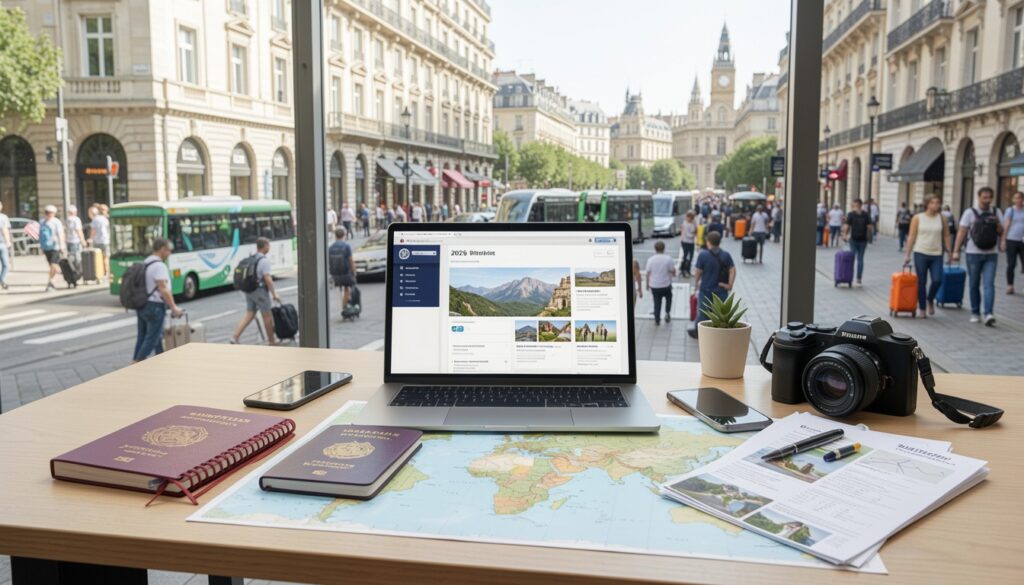
A useful travel guide should do more than list attractions.
The best Travel Guides & Nomadic Living Abroad resources answer practical questions such as:
- What does daily life actually cost?
- Where should I stay?
- How long should I stay?
- What visa applies?
- How can I get around?
- Is internet access reliable?
- What should I know about local customs?
- What are the common mistakes?
- What should I prepare before departure?
Travel information changes quickly, so readers should verify important details through official government and destination sources before making financial or legal decisions.
A high-quality travel guide should also separate personal experience from verified facts.
That is a key part of trustworthy travel content.
Frequently Asked Questions
What is nomadic living abroad?
Nomadic living abroad means spending extended periods in different countries while maintaining a flexible lifestyle. Depending on the person, this may involve remote employment, freelancing, studying, entrepreneurship, or taking an extended break from traditional work.
How much money do I need to live abroad as a nomad?
There is no universal amount. Your budget depends on the destination, accommodation, transportation, food, insurance, work needs, and lifestyle. Build a monthly budget and maintain separate emergency savings.
Is nomadic living cheaper than living in the United States?
It can be, but not always. A lower-cost destination may still become expensive if you move frequently, stay in tourist areas, take frequent flights, or book short-term accommodation.
Can Americans work remotely while living abroad?
It depends on the immigration and employment rules of the destination. Remote work should not be assumed to be permitted simply because you can perform your job online. Check the relevant official rules before working abroad.
Do U.S. citizens have to pay taxes while living abroad?
U.S. citizens generally remain subject to U.S. tax rules on worldwide income even while living outside the country. Certain exclusions and credits may apply depending on eligibility.
What is slow travel?
Slow travel means spending more time in fewer destinations instead of constantly moving. It can reduce transportation costs and allow travelers to experience local culture more deeply.
How long should I stay in one country?
There is no perfect length. Some travelers prefer a few weeks, while others stay several months. Your visa, budget, work schedule, and lifestyle should determine the length.
Is travel insurance necessary for long-term travel?
Appropriate insurance can provide valuable protection against unexpected medical expenses, interruptions, delays, and other travel problems. Review the policy carefully to understand exclusions and coverage limits.
What should I look for when choosing a nomad destination?
Consider visa rules, monthly costs, accommodation, internet reliability, transportation, healthcare, weather, safety, community, time zones, and the type of lifestyle you want.
What is the biggest mistake new nomads make?
One of the biggest mistakes is treating long-term travel like an extended vacation. Successful nomadic living requires budgeting, routines, legal research, emergency planning, and realistic expectations.
Conclusion
Travel Guides & Nomadic Living Abroad can open the door to a more flexible, meaningful, and adventurous way of experiencing the world. Whether you want to work remotely, explore new cultures, take a career break, or simply spend more time living like a local, careful planning can make the journey smoother and more enjoyable
.
The key is to travel with a realistic plan. Research visa requirements, understand your monthly costs, choose accommodation carefully, protect your finances, arrange suitable insurance, and learn about local customs before you arrive. Staying longer in fewer destinations can also help you save money while giving you a deeper connection to local communities.
You do not need to become a full-time nomad overnight. Start with a shorter stay, learn from the experience, and adjust your plans as you go. With smart preparation, flexibility, and an open mind, living abroad can become more than a temporary adventure—it can become a rewarding way to see the world.
Read More:Travel Smarter, Cheaper, Longer: 25 Proven Ways to Make Your Travel Budget Go Further in 2026