Travel can feel exciting and intimidating at the same time. A new city may have unfamiliar streets, different customs, another language, new transportation systems, and unexpected changes. For first-time travelers, these unknowns can make even a simple trip seem overwhelming.
The good news is that confidence is not something you either have or do not have. It is a skill you can build. When you learn to travel anywhere with confidence, you become better at planning, making decisions, solving problems, communicating with people, and staying calm when plans change.
This guide explains practical strategies that can help you become a smarter and more prepared traveler. Whether you are planning your first international trip, a solo adventure, a family vacation, or a long-term journey, these habits can make travel easier and more enjoyable.
Quick Answer
To learn to travel anywhere with confidence, focus on preparation rather than trying to predict every possible problem. Research your destination, organize important documents, understand local transportation, create a realistic budget, learn a few useful local phrases, share your itinerary with someone you trust, and keep backup plans for important parts of your trip.
Confidence grows through experience. Start with manageable trips, make thoughtful decisions, learn from small mistakes, and gradually become comfortable handling unfamiliar situations.
What Does It Mean to Travel With Confidence?
Travel confidence does not mean believing that everything will go perfectly.
Instead, it means trusting yourself to handle ordinary travel challenges.
A confident traveler can:
- Find their way around an unfamiliar destination.
- Ask for help when needed.
- Keep important documents organized.
- Understand basic local transportation.
- Manage a travel budget.
- Recognize common travel risks.
- Adjust when plans change.
- Communicate respectfully across cultures.
- Make informed decisions.
- Know when to slow down or change plans.
The goal is not to eliminate uncertainty. The goal is to become capable of dealing with it.
Start With Destinations That Match Your Experience
One of the easiest ways to build travel confidence is to choose destinations that match your current experience level.
If you have never traveled independently, you do not need to begin with a complicated multi-country journey.
Consider starting with:
- A nearby city.
- A weekend trip.
- A destination with reliable public transportation.
- A place where you understand the language.
- A short domestic trip before international travel.
As your skills improve, you can increase the level of complexity.
A Simple Confidence Progression
| Experience Level | Suggested Trip |
| Beginner | Day trip or nearby city |
| Early traveler | 2–4 day domestic trip |
| Intermediate | International trip with simple logistics |
| Experienced | Multi-city or multi-country journey |
| Advanced | Longer independent or flexible trip |
This approach allows you to gain experience without putting unnecessary pressure on yourself.
Research Before You Leave
Good research can remove many unknowns.
Before traveling, learn basic information about your destination, including:
- Local transportation.
- Weather.
- Currency.
- Common payment methods.
- Neighborhoods.
- Local customs.
- Opening hours.
- Emergency procedures.
- Entry requirements.
- Common tourist scams.
- Major attractions.
- Local laws and rules.
You do not need to memorize everything.
Focus on information that can affect your daily decisions.
Research the First 24 Hours
Your arrival is often the most stressful part of a trip. Research how you will get from your arrival point to your accommodation.
Know:
Where you are arriving.
Which transportation options are available.
How payment works.
Where you need to go.
What you should do if your original transportation option is unavailable.
Having this information ready can make your first day much smoother.
Create a Realistic Travel Budget
Money problems can quickly reduce travel confidence.
Before leaving, estimate the major costs of your trip:
- Transportation.
- Accommodation.
- Food.
- Attractions.
- Local transportation.
- Travel insurance.
- Entry fees.
- Shopping.
- Emergency expenses.
Then add a reasonable buffer for unexpected costs.
Example Travel Budget
| Expense | Planned Amount |
| Accommodation | $600 |
| Transportation | $300 |
| Food | $300 |
| Activities | $200 |
| Local travel | $150 |
| Emergency buffer | $200 |
| Estimated Total | $1,750 |
The numbers will vary by destination and travel style. The important point is to know what you can comfortably afford before your trip.
Keep Important Documents Organized
A confident traveler knows where important documents are.
Depending on your trip, these may include:
- Passport.
- Visa or travel authorization.
- Identification.
- Travel insurance information.
- Accommodation details.
- Transportation reservations.
- Emergency contacts.
- Copies of important documents.
Keep digital copies in a secure location and consider carrying appropriate physical backups.
Avoid keeping every important document in one place.
If something is lost, having a backup can make recovery easier.
Learn How Local Transportation Works
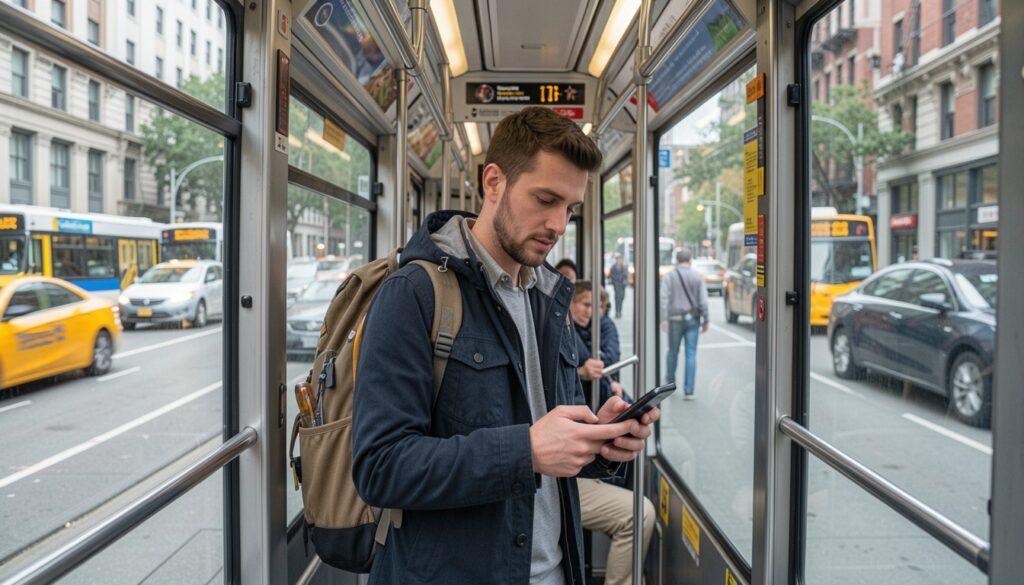
Transportation can seem confusing when you first arrive somewhere.
Before traveling, learn the basics of your destination’s transportation system.
Research:
- Airport or station transfers.
- Public buses.
- Trains.
- Subway systems.
- Official taxis.
- Rideshare availability.
- Walking routes.
- Transportation payment systems.
You do not need to know every route.
Understand the system first.
Once you know how transportation works, exploring unfamiliar areas becomes much easier.
Practice Navigation Before Your Trip
Navigation is one of the most useful skills for independent travelers.
Before departure, practice reading digital maps.
Learn how to:
- Save important locations.
- Download maps when available.
- Check walking directions.
- Identify major landmarks.
- Understand public transportation directions.
- Estimate travel times.
Also remember that your phone battery can become a problem.
Carry a suitable backup power option and know your destination well enough to identify major landmarks and your accommodation.
Learn a Few Local Phrases
You do not need to become fluent in another language to communicate respectfully.
Learn simple phrases such as:
- Hello.
- Thank you.
- Please.
- Excuse me.
- How much?
- Where is…?
- I need help.
- I do not understand.
Even basic language skills can improve communication and show respect for local culture.
If pronunciation is difficult, save useful phrases in your phone before traveling.
Understand Local Customs
Cultural awareness is a major part of confident travel.
Research appropriate behavior before visiting a destination.
Pay attention to:
- Clothing expectations.
- Photography rules.
- Religious customs.
- Dining etiquette.
- Tipping practices.
- Greetings.
- Public behavior.
- Rules at museums and cultural sites.
Do not assume that behavior considered normal at home will be appropriate everywhere.
A little preparation can prevent uncomfortable situations.
Learn to Recognize Common Travel Scams
Tourists can sometimes attract unwanted attention because they are unfamiliar with local systems.
Common warning signs can include:
- Unsolicited offers that seem unusually attractive.
- Pressure to make an immediate decision.
- Unexpected requests for money.
- Unofficial transportation.
- Fake tickets or services.
- People demanding payment for something you did not request.
The best response is usually calm and simple.
If something feels suspicious, step away, verify the information through an official source, and avoid being pressured into a decision.
Build a Personal Travel Safety Routine
Travel safety does not have to be complicated.
Create a simple routine:
Every Morning
Check:
- Weather.
- Transportation.
- Your day’s destination.
- Phone battery.
- Important documents.
- Your planned route.
Every Evening
Check:
- Tomorrow’s transportation.
- Reservation details.
- Departure times.
- Weather.
- Important belongings.
Simple routines reduce unnecessary stress.
Share Your Basic Itinerary
If you are traveling independently, let someone you trust know your general plans.
You can share:
- Destination.
- Accommodation.
- Major transportation plans.
- Approximate travel dates.
You do not need to report every movement.
The goal is simply to make sure someone knows where you are expected to be.
Pack for the Trip You Are Actually Taking
Overpacking can create stress.
Instead of packing for every imaginary situation, consider what you realistically need.
Basic Travel Packing Checklist
- Appropriate clothing
- Comfortable footwear
- Travel documents
- Phone and charger
- Backup power
- Necessary personal items
- Prescription or routine health items, if applicable
- Reusable water bottle where appropriate
- Small day bag
- Copies or secure backups of important documents
- Weather-appropriate gear
Check airline baggage rules before departure when flying.
Make a Flexible Itinerary
A schedule can help you stay organized, but an overloaded schedule can make travel exhausting.
Instead of planning every minute, identify:
- Must-see attractions.
- Important reservations.
- Flexible activities.
- Free time.
- Rest periods.
A good itinerary gives you direction without removing flexibility.
The 3-Level Planning Method
Must Do: Activities that are central to the trip.
Would Like to Do: Activities you can add if time allows.
Optional: Activities you can skip without affecting the trip.
This makes unexpected delays much easier to handle.
Learn How to Handle Travel Problems
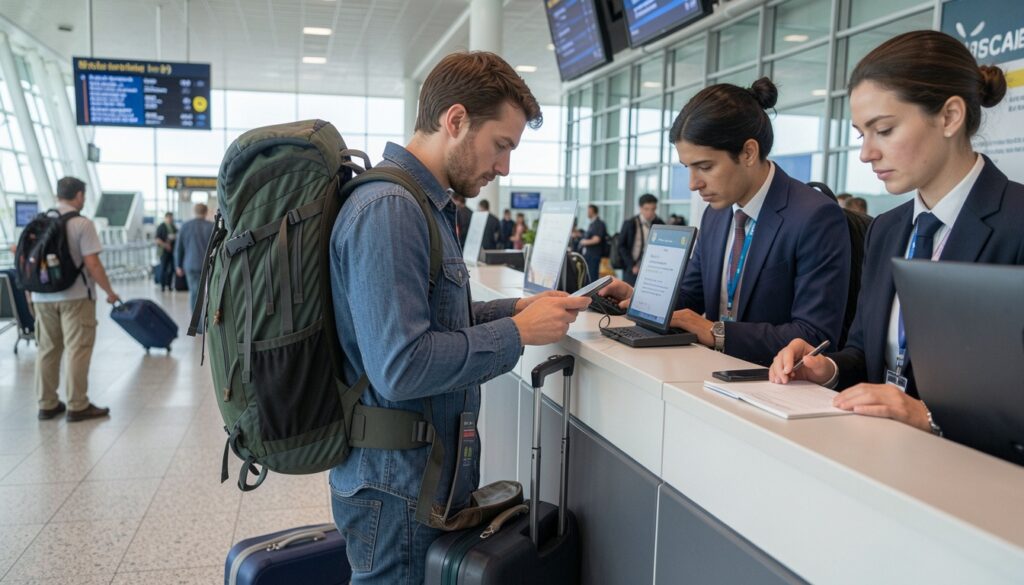
Problems happen even when you plan carefully.
A train may be delayed. A reservation may have an error. Your luggage may arrive late. Weather may change your schedule.
Confident travelers focus on solutions.
Use this simple process:
Pause → Assess → Verify → Choose → Act
Example
Your transportation is canceled.
Instead of panicking:
Pause.
Confirm the cancellation.
Check official alternatives.
Compare the options.
Choose the safest practical solution.
Update anyone who needs to know.
Problem-solving is one of the biggest skills you gain from travel.
Keep Backup Plans for Important Arrangements
You do not need a backup for everything.
Prioritize the parts of the trip that would create serious problems if they failed.
Consider backup options for:
- Arrival transportation.
- Important reservations.
- Access to money.
- Important documents.
- Communication.
- Navigation.
For example, know what you would do if your phone stopped working.
That simple question can reveal gaps in your preparation.
Learn to Manage Travel Anxiety
Feeling nervous before or during a trip is normal.
Instead of trying to eliminate every uncomfortable feeling, break the situation into smaller tasks.
For example:
Instead of thinking:
“I have to navigate an entire foreign city.”
Think:
“First, I need to find the correct transportation area.”
Then:
“Next, I need to get to my accommodation.”
Small steps make unfamiliar situations easier to manage.
Become Comfortable Asking for Help
Asking for help is not a sign of failure.
It is a practical travel skill.
You may need assistance from:
- Hotel staff.
- Official transportation employees.
- Airport workers.
- Museum staff.
- Tourist information centers.
- Trusted local businesses.
Be specific when asking questions.
Instead of saying:
“Where do I go?”
Try:
“Could you tell me where the train entrance is?”
Specific questions usually produce clearer answers.
Protect Your Money and Payment Methods
Use sensible financial habits while traveling.
Consider:
- Carrying only the money you need for the day.
- Keeping backup payment options.
- Monitoring transactions.
- Using secure payment methods.
- Knowing how to contact your financial institution if necessary.
Before international travel, check whether your cards work at your destination and understand potential foreign transaction or ATM fees.
Never rely on a single payment method.
Choose Accommodation Carefully
Where you stay can strongly affect your travel experience.
Look beyond the headline price.
Consider:
| Factor | Why It Matters |
| Location | Saves transportation time |
| Reviews | Shows recent guest experiences |
| Transportation | Makes exploration easier |
| Check-in | Reduces arrival stress |
| Safety features | Adds peace of mind |
| Cancellation policy | Provides flexibility |
| Total price | Prevents budget surprises |
The cheapest accommodation is not always the best value.
Travel at a Pace You Can Handle
Trying to see everything can make a trip stressful.
Give yourself time to:
- Eat properly.
- Sleep.
- Rest.
- Explore slowly.
- Adjust to time zones.
- Handle unexpected delays.
Travel should not feel like a race.
A slower itinerary can often create better memories because you have enough time to notice the destination around you.
Keep a Simple Emergency Plan
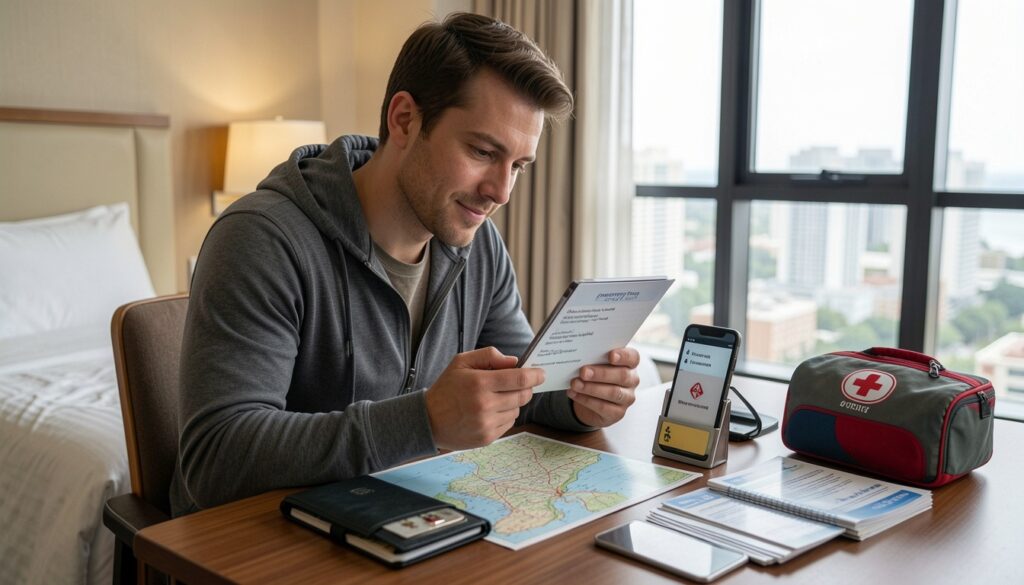
Before traveling, know what you would do if something important went wrong.
Your plan can cover:
- Lost documents.
- Lost phone.
- Lost payment method.
- Transportation disruption.
- Medical needs.
- Severe weather.
- Unexpected accommodation problems.
You do not need to expect the worst.
You simply want a clear response if something unexpected happens.
Use Technology as a Tool, Not Your Only Plan
Travel apps can make trips easier.
Useful categories include:
- Maps.
- Translation.
- Transportation.
- Weather.
- Currency conversion.
- Accommodation.
- Digital document storage.
However, technology can fail.
Your phone may lose battery, internet access may disappear, or an app may not work in a particular location.
Good travelers use technology while maintaining basic offline awareness.
Learn From Every Trip
After returning home, spend a few minutes reviewing your experience.
Ask:
- What worked well?
- What caused stress?
- What did I forget?
- What would I pack differently?
- Which planning step saved time?
- What should I research next time?
This turns every trip into training for the next one.
That is how you gradually learn to travel anywhere with confidence.
Expert Tips for Becoming a More Confident Traveler
Experienced travelers often develop simple habits that beginners can copy.
Know Your First Move
Before arrival, know exactly what you need to do first.
Leave Extra Time
Do not build an itinerary where one small delay ruins your entire day.
Verify Important Information
Use official sources for critical information such as entry requirements, transportation rules, and local regulations.
Keep Important Information Accessible
Do not bury essential reservation or emergency details under dozens of unrelated files.
Stay Calm When Plans Change
A changed plan is a travel problem, not automatically a travel disaster.
Respect Local Culture
Curiosity and respect can improve interactions almost everywhere.
Build Confidence Gradually
You do not need to become an expert traveler overnight.
Learn to Travel Anywhere With Confidence Through Experience
The most important lesson is simple: confidence comes from doing.
Your first trip may feel unfamiliar. Your second trip may feel easier. After several journeys, tasks that once seemed difficult can become routine.
You learn:
- How early to arrive.
- How much luggage you actually need.
- How to organize reservations.
- How to navigate airports.
- How to use public transportation.
- How to manage your money.
- How to respond to unexpected changes.
- How to communicate with strangers.
- How to choose better accommodation.
Every experience adds another layer of knowledge.
Pros and Cons of Becoming a More Independent Traveler
| Pros | Cons |
| Greater independence | Requires preparation |
| Better problem-solving skills | Mistakes can happen |
| More flexibility | Some situations feel uncomfortable |
| Stronger cultural awareness | Research takes time |
| Increased confidence | Unexpected costs are possible |
| More control over your itinerary | You must make more decisions |
The goal is not to avoid every challenge. It is to become prepared enough to handle reasonable challenges effectively.
Common Mistakes Travelers Make
Planning Too Much
A packed schedule leaves little room for delays or rest.
Relying on One Payment Method
Always consider what you would do if your primary payment option became unavailable.
Ignoring Local Customs
Researching cultural expectations can prevent unnecessary problems.
Forgetting the First-Day Logistics
Know how you will reach your accommodation after arrival.
Not Checking Requirements
Travel documents and entry requirements can change. Verify current rules before departure.
Overpacking
Too much luggage can make transportation harder.
Ignoring Weather
A destination’s climate can affect transportation, clothing, activities, and comfort.
Refusing to Ask for Help
Trying to solve every problem alone can waste valuable time.
Making Decisions Under Pressure
If someone pressures you into paying, signing, buying, or agreeing immediately, slow down and verify the situation.
Expecting a Perfect Trip
Even well-planned trips can have surprises.
Flexibility is part of confident travel.
Travel Confidence Checklist
Use this checklist before your next trip:
- Research the destination.
- Check current entry requirements.
- Confirm transportation.
- Confirm accommodation.
- Create a realistic budget.
- Prepare important documents.
- Store secure backups of essential information.
- Learn basic local phrases.
- Research local customs.
- Learn transportation basics.
- Save important locations.
- Prepare a communication plan.
- Carry suitable charging equipment.
- Consider backup payment options.
- Share basic itinerary information with someone you trust.
- Check the weather.
- Leave space for unexpected changes.
- Research common travel risks.
- Create a simple emergency plan.
- Review your trip afterward and note what you learned.
How to Build a Confident Travel Plan
Here is a simple framework you can use for almost any destination.
Research
Understand the destination before departure.
Prepare
Organize documents, money, transportation, accommodation, and essential information.
Practice
Learn navigation, useful phrases, and transportation basics.
Travel
Follow your plan while remaining flexible.
Adapt
When something changes, pause and find the best available solution.
Reflect
Use what you learned to improve your next trip.
This six-step cycle can gradually transform an inexperienced traveler into a confident one.
What Should You Do If You Feel Lost?
First, stop and move to a safe, appropriate place if possible.
Then:
Check your map.
Confirm your destination.
Look for an official information point or trusted staff member.
Ask a clear question.
Avoid making rushed decisions.
Contact your accommodation if you need practical guidance.
Getting temporarily lost does not mean you are bad at traveling.
It is simply a problem that needs solving.
Internal Linking Opportunities for a Travel Website
This article can support a strong internal-linking structure.
Consider linking naturally to related articles such as:
- Travel Planning Guide
- Ultimate Travel Packing Checklist
- Best Travel Destinations in the USA
- International Travel Tips
- Solo Travel Guide
- Travel Budget Guide
- Best Travel Insurance Tips
- How to Choose Hotels and Accommodation
- Airport Travel Tips
- Public Transportation Travel Guide
- Offseason Travel Guide
- Travel Safety Tips
- Travel Apps Every Traveler Should Know
- How to Plan a Weekend Trip
Use descriptive anchor text rather than generic phrases such as “click here.”
Suggested External Authority Sources
For EEAT and factual verification, consider referencing authoritative sources such as:
- U.S. Department of State — travel advisories and international travel information.
- U.S. Customs and Border Protection — entry and border information.
- Transportation Security Administration — airport security guidance.
- Centers for Disease Control and Prevention — destination health information.
- Federal Aviation Administration — aviation and passenger-related information.
- Official tourism boards for individual destinations.
- Official transportation agencies.
- Embassy or consular websites when relevant.
Always verify time-sensitive information before publication because entry rules, transportation policies, and travel advisories can change.
Frequently Asked Questions
How can I learn to travel anywhere with confidence?
Start with preparation. Research your destination, organize your documents, understand transportation, create a budget, learn basic local customs, and practice solving small travel problems.
How do I become a more confident traveler?
Travel experience builds confidence. Begin with manageable trips, learn from mistakes, and gradually take on more complicated journeys.
Is it normal to feel nervous before traveling?
Yes. New environments can create uncertainty. Preparation can reduce many practical worries, while experience can make unfamiliar situations feel more manageable.
What should I research before traveling?
Research entry requirements, weather, transportation, accommodation, local customs, currency, payment methods, important laws, and major safety considerations.
How can I travel safely in an unfamiliar place?
Stay aware of your surroundings, protect important belongings, use reputable transportation, research common risks, and follow local rules and official guidance.
How much should I plan before a trip?
Plan the important logistics but leave room for flexibility. Transportation, accommodation, documents, budget, and arrival arrangements deserve special attention.
How can I become confident at navigating new cities?
Practice using maps, learn major landmarks, understand public transportation, save important locations, and give yourself extra time when moving between places.
What should I do if my travel plans suddenly change?
Stay calm, verify what happened, identify your available alternatives, and choose the safest practical option. Flexible planning makes disruptions easier to manage.
Can beginners travel independently?
Yes. Beginners can start with short and manageable trips and gradually increase the complexity as their planning and problem-solving skills improve.
What is the biggest secret to confident travel?
Preparation plus experience. You cannot predict everything, but you can become better at responding when something unexpected happens.
Conclusion
Learning to travel anywhere with confidence is not about knowing every answer before you leave. It is about preparing wisely, staying aware, adapting when plans change, and trusting yourself to handle unfamiliar situations. From researching destinations and managing your budget to protecting important documents, choosing safe accommodation, and understanding local customs, each strategy can make your journey smoother and more enjoyable.
The best travelers are not necessarily those who travel the most—they are the ones who stay curious, prepared, flexible, and respectful wherever they go. Use these 25 proven strategies as a practical foundation for your next adventure, whether you are planning a weekend getaway, a solo trip, or a longer international journey in 2026. With the right preparation and mindset, you can explore new places with greater confidence and create memorable experiences along the way.