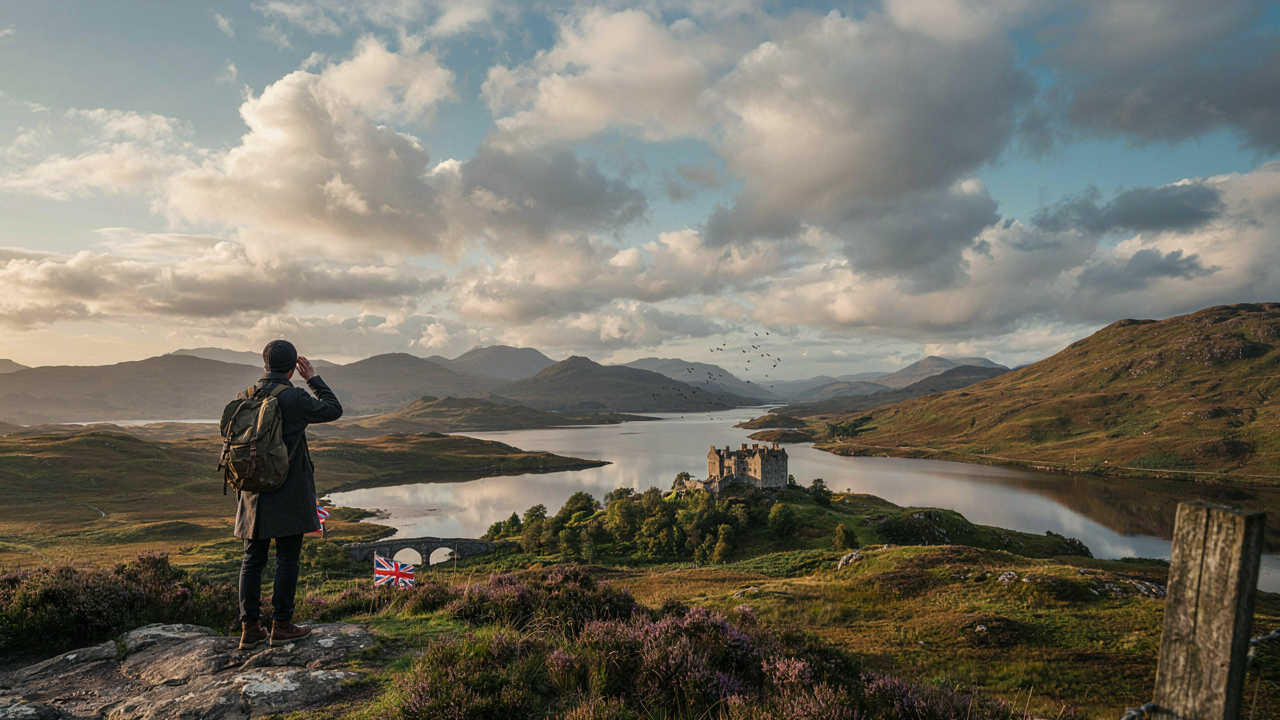
Scotland has a way of making an ordinary vacation feel like a story. You can begin your morning walking through the historic streets of Edinburgh, spend the afternoon beside a dramatic loch, and finish the day in a small Highland town surrounded by mountains. Add centuries-old castles, lively cities, traditional music, Scottish food, islands, and famous golf courses, and it becomes easy to see why Scotland remains popular with American travelers.
For first-time visitors, however, planning a Scotland vacation can feel overwhelming. Should you spend more time in Edinburgh or Glasgow? Is a rental car necessary? When should you visit the Highlands? How many days do you need? And which attractions are actually worth your time?
That’s where VisitScotland becomes valuable. Rather than treating Scotland as one simple destination, its travel resources help visitors discover different regions, experiences, events, attractions, accommodations, and ways to travel around the country.
This complete guide explains how to use VisitScotland effectively while building your own Scotland trip. It also covers the best places to visit, transportation, seasons, itinerary ideas, common mistakes, expert tips, and important planning information for travelers from the USA.
Quick Answer
VisitScotland is Scotland’s national tourism and events organization. Its role is to promote Scotland as a travel destination, support the visitor economy, help tourism businesses, and provide travelers with information and inspiration for exploring the country.
For travelers from the United States, VisitScotland can be especially useful when planning a first trip because Scotland combines historic cities, castles, mountains, lochs, islands, cultural experiences, food, golf, and outdoor adventures in a relatively compact country.
The United States is Scotland’s largest international source market by visits, nights, and visitor spending. In 2024, American travelers made about 964,339 trips to Scotland, spent approximately 7.3 million nights there, and spent around £1.44 billion.
What Is VisitScotland and Why Does It Matter?
VisitScotland is Scotland’s national tourism and events organization. Its purpose is broader than simply advertising vacations. The organization works to grow the visitor economy, support tourism businesses, develop destinations, promote events, and encourage responsible tourism.
VisitScotland’s current strategy focuses on creating a strong, year-round visitor economy while supporting businesses, communities, destinations, and sustainable tourism.
For a traveler, this means VisitScotland can be used as a starting point for:
- Destination inspiration
- Scotland itinerary planning
- Regional travel ideas
- Attractions and experiences
- Outdoor activities
- Food and drink experiences
- Events and festivals
- Accommodation research
- Transportation planning
- Responsible travel information
Why Americans Should Use VisitScotland
Scotland has strong appeal for U.S. visitors because of its landscapes, history, culture, golf, and connections to Scottish heritage.
VisitScotland’s research shows that American travelers are particularly attracted by Scotland’s dramatic landscapes, history and culture, and golf reputation. In 2024, about 73% of American visitors were holidaymakers, while 19% traveled to see friends and relatives.
That makes VisitScotland useful for both the first-time traveler and the repeat visitor looking beyond Edinburgh.
Best Places to Discover With VisitScotland

Scotland is small compared with the United States, but it offers an impressive range of landscapes and travel experiences.
Edinburgh
Edinburgh is one of the best starting points for a first Scotland trip.
Highlights include:
- Edinburgh Castle
- Royal Mile
- Holyrood Palace
- Arthur’s Seat
- Old Town
- New Town
- Museums and galleries
- Scottish food and restaurants
The city is also a practical base for day trips.
Best for: First-time visitors, history, architecture, festivals, food, and city breaks.
Glasgow
Glasgow has a different personality from Edinburgh. It is known for music, art, architecture, shopping, museums, and a lively food scene.
Best for: Culture, music, museums, nightlife, architecture, and urban travel.
Scottish Highlands
The Highlands are among the biggest reasons international travelers want to visit Scotland.
Expect:
- Mountain scenery
- Lochs
- Glens
- Historic sites
- Small villages
- Hiking opportunities
- Scenic drives
- Wildlife experiences
The Highlands reward slower travel. Instead of trying to see everything in a single day, choose a few places and give yourself time to enjoy the scenery.
Best for: Nature, photography, road trips, hiking, landscapes, and outdoor adventures.
Isle of Skye
The Isle of Skye is famous for dramatic scenery and outdoor experiences.
Popular areas include:
- Quiraing
- Old Man of Storr
- Fairy Pools
- Portree
- Dunvegan
- Coastal viewpoints
Because Skye is popular, advance planning is important during busy travel periods.
Best for: Hiking, landscapes, photography, and nature.
Loch Ness and Inverness
Loch Ness is one of Scotland’s most recognizable destinations.
The nearby city of Inverness works well as a gateway to the Highlands and northern Scotland.
Best for: Families, scenery, history, road trips, and Highland exploration.
Scottish Islands
If you have extra time, consider exploring Scotland’s islands.
Depending on your interests, options can include destinations in:
- Orkney
- Shetland
- Outer Hebrides
- Inner Hebrides
Island travel takes more planning because ferry schedules, weather, and limited accommodation can affect your itinerary.
Best for: Slow travel, wildlife, culture, beaches, history, and remote landscapes.
Scotland Destinations at a Glance
| Destination | Best For | Suggested Stay |
| Edinburgh | History & first visit | 2–3 days |
| Glasgow | Culture & city life | 1–2 days |
| Highlands | Nature & scenery | 3–5 days |
| Isle of Skye | Landscapes & hiking | 2–3 days |
| Inverness | Highland base | 1–2 days |
| Loch Ness | Scenic day trip | 1 day |
| Scottish Islands | Slow travel | 3–5+ days |
| St Andrews | Golf & coastal history | 1 day |
| Cairngorms | Outdoor adventures | 2–3 days |
These are planning suggestions rather than fixed rules. Your ideal schedule depends on your interests, transportation, budget, and travel season.
Best Time to Visit Scotland
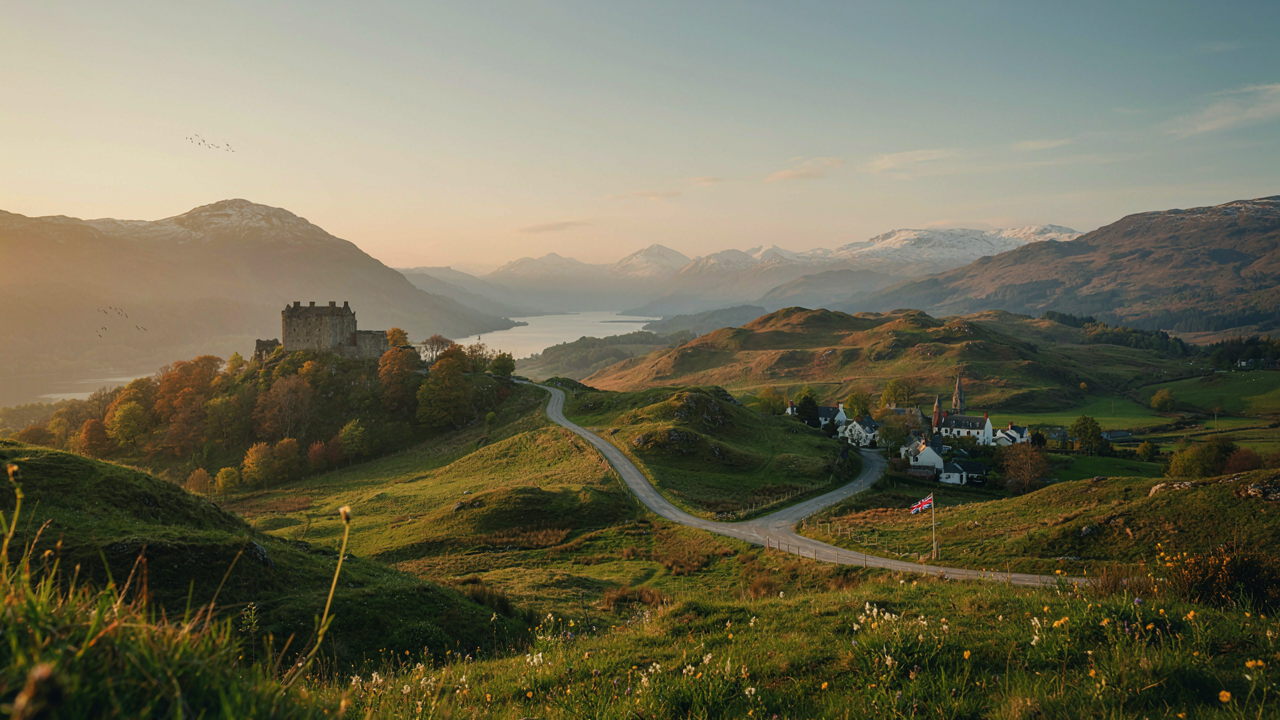
There is no single perfect month for Scotland. Each season offers a different travel experience.
Spring
Spring brings longer days and the return of fresh greenery.
Good for:
- City sightseeing
- Hiking
- Photography
- Fewer crowds than peak summer in many places
Summer
Summer generally offers long daylight hours and a strong calendar of events.
It can also bring higher demand for popular hotels, attractions, rental cars, and tours.
Good for:
- Highlands road trips
- Hiking
- Islands
- Festivals
- Outdoor sightseeing
Autumn
Autumn can be beautiful, particularly for travelers who enjoy changing foliage, cooler weather, and a quieter atmosphere.
Good for:
- Photography
- Scenic drives
- Food experiences
- City breaks
- Hiking
Winter
Winter offers a different side of Scotland.
You may find:
- Festive events
- Cozy pubs and restaurants
- Winter landscapes
- Shorter daylight
- Potentially challenging mountain weather
Winter travel requires more flexibility because weather can affect roads, ferries, and outdoor plans.
VisitScotland Planning Tip
Don’t choose your travel dates based only on weather. Think about what you want to do. If your priority is hiking and island travel, summer may make sense. If your goal is historic cities, food, museums, and cozy experiences, cooler months can work very well.
How to Plan a Scotland Trip Using VisitScotland
A successful Scotland itinerary starts with your priorities rather than a long list of attractions.
Choose Your Travel Style
Decide whether your trip is mainly about:
- History
- Nature
- Castles
- Food
- Golf
- Hiking
- Photography
- Scottish heritage
- Family activities
- Luxury travel
- Road trips
- Cities and culture
This immediately makes planning easier.
Select Two or Three Main Regions
Don’t try to cover every corner of Scotland on your first trip.
For example:
First trip: Edinburgh + Highlands + Isle of Skye
City-focused trip: Edinburgh + Glasgow + St Andrews
Nature-focused trip: Highlands + Skye + Cairngorms
Island trip: Glasgow/Edinburgh + Hebrides or Orkney
Check Transportation
Scotland has a broad transportation network that includes rail, buses, ferries, roads, and air services. Transport Scotland provides planning resources and information for public transportation across the country.
Rail can be excellent between major cities and towns. A rental car becomes more useful when exploring rural areas, remote villages, and some Highland destinations.
Build in Extra Time
One of the biggest Scotland travel mistakes is creating an itinerary that looks perfect on paper but is exhausting in real life.
A scenic route may take longer than expected because you will want to stop for:
- Photos
- Short walks
- Cafés
- Viewpoints
- Castles
- Local shops
- Unexpected discoveries
Rental Car vs. Public Transportation in Scotland
| Travel Option | Advantages | Best For | Potential Challenge |
| Rental Car | Flexible schedule | Highlands, Skye, rural areas | Driving on unfamiliar roads |
| Train | Comfortable & scenic | Cities and major routes | Limited reach in remote areas |
| Bus/Coach | Useful connections | Towns and budget travel | Timetables |
| Ferry | Essential for many islands | Island travel | Weather and schedule changes |
| Guided Tour | Easy logistics | First-time visitors | Less flexibility |
Scotland’s transport network is extensive, and official transport data shows substantial use of buses, rail, air, and ferries. In 2024–25, Scotland recorded approximately 457 million public transport journeys across these modes.
Should Americans Rent a Car?
A rental car can be worthwhile if you want to explore rural Scotland independently.
However, don’t rent one simply because you assume you need a car everywhere.
If your trip is mainly Edinburgh and Glasgow, public transportation may be easier. For a Highlands or island itinerary, a car can provide more flexibility.
How Many Days Do You Need in Scotland?

5 Days
A short trip should focus on one region.
Example:
- Days 1–2: Edinburgh
- Day 3: Edinburgh + nearby excursion
- Days 4–5: Highlands or another destination
7 Days
Seven days gives you more room.
Example:
- 2 days Edinburgh
- 1 day travel toward the Highlands
- 2 days Highlands
- 2 days Isle of Skye
10–14 Days
Two weeks allows a much more relaxed Scotland vacation.
You could combine:
- Edinburgh
- Glasgow
- Highlands
- Isle of Skye
- Inverness
- Cairngorms
- St Andrews
- One island region
The key is to avoid changing hotels every night.
What to Eat in Scotland
A Scotland trip isn’t complete without trying local food.
Depending on your preferences, look for:
- Scottish salmon
- Shortbread
- Oatcakes
- Cullen skink
- Local cheeses
- Fresh seafood
- Scotch pies
- Traditional breakfasts
- Scottish desserts
- Local beef and lamb
- Vegetarian Scottish dishes
- Whisky-related food experiences
Food markets, local cafés, pubs, bakeries, seafood restaurants, and farm-to-table experiences can add another layer to your trip.
Food Tip for American Travelers
Don’t assume Scottish food is limited to traditional dishes. Scotland’s cities offer diverse modern restaurants, international cuisines, cafés, bakeries, and contemporary Scottish cooking.
VisitScotland for Outdoor Adventures
Scotland is particularly attractive to travelers who enjoy outdoor activities.
Popular options include:
- Hiking
- Walking trails
- Cycling
- Wildlife watching
- Golf
- Kayaking
- Scenic drives
- Photography
- Stargazing
- Coastal walks
Scotland’s famous mountains, lochs, forests, islands, and coastlines create countless opportunities for outdoor exploration.
However, outdoor conditions can change quickly. Check local weather and trail conditions before heading into remote areas.
Responsible Outdoor Travel
Follow the principles of responsible travel:
- Stay on appropriate paths where required.
- Take litter home.
- Respect wildlife.
- Avoid disturbing livestock.
- Keep dogs under control.
- Respect private property.
- Follow local guidance.
- Leave natural and historic sites as you found them.
VisitScotland’s current strategy also places emphasis on sustainable tourism and responsible destination development.
Pros and Cons of Using VisitScotland
| Pros | Cons |
| Official national tourism organization | Not a substitute for checking every operator directly |
| Strong destination inspiration | Large amount of information can feel overwhelming |
| Useful regional ideas | Travelers still need to build their own itinerary |
| Helpful for first-time visitors | Popular attractions may require separate booking |
| Good source for events and experiences | Availability and prices can change |
| Useful information for international visitors | Weather can still disrupt plans |
Common Mistakes When Planning a Scotland Trip
Trying to See Too Much
Scotland may look small on a map, but scenic roads, ferry crossings, stops, and changing weather can add travel time.
Better approach: Pick fewer destinations and explore them more deeply.
Treating Edinburgh as the Whole Country
Edinburgh is an excellent introduction, but Scotland extends far beyond the capital.
Make room for rural landscapes, smaller towns, coastal areas, or the Highlands if your schedule allows.
Ignoring Ferry Schedules
Island trips require more planning.
Check ferry schedules early and leave flexibility in your itinerary.
Packing Only for One Type of Weather
Scottish weather can change quickly.
Pack layers and a reliable waterproof outer layer, especially for outdoor trips.
Assuming Every Highland Road Is Fast
A beautiful rural route isn’t necessarily a fast route.
Allow extra driving time.
Booking Too Late
Popular destinations can become busy during peak travel periods.
Reserve important accommodations and experiences early when possible.
Planning Every Minute
Leave room for spontaneous stops.
Some of your best Scotland memories may come from places you didn’t originally put on the itinerary.
Expert Tips for Using VisitScotland

Use It for Inspiration First
Start by exploring destinations and experiences before choosing a detailed route.
Match the Region to Your Interests
History lovers may prioritize Edinburgh and castles. Outdoor travelers may prefer the Highlands, Cairngorms, or islands.
Use Official Information for Time-Sensitive Details
Opening hours, transportation, events, access rules, and travel requirements can change.
Don’t Confuse Inspiration With Booking Confirmation
Even if VisitScotland highlights an attraction or experience, confirm current availability, dates, prices, and policies directly with the relevant provider before traveling.
Plan Around Daylight
Daylight hours vary significantly by season. This matters when planning photography, hiking, and scenic drives.
Build Flexible Days
Keep at least a little flexibility for weather and transportation changes.
Think Regionally
Instead of asking, “What can I see in Scotland?” ask:
“What kind of Scotland experience do I want?”
That simple change can make itinerary planning much easier.
USA Traveler Checklist for Scotland
Before your trip, check the following:
- Passport is valid for your trip
- Check current UK entry requirements
- Check whether you need a UK ETA
- Book international flights
- Choose your main Scottish regions
- Reserve important accommodations
- Decide between rental car and public transportation
- Check driving requirements if renting a car
- Review ferry schedules for island travel
- Check attraction opening dates
- Plan travel insurance
- Prepare suitable layers and rain protection
- Bring comfortable walking shoes
- Check weather forecasts
- Download useful travel apps and maps
- Keep your itinerary flexible
Important UK Entry Requirement for Americans
U.S. citizens are among the nationalities that require an Electronic Travel Authorisation for travel to the UK under the current system, unless an exemption or another immigration permission applies. UK government guidance states that non-visa nationals must have the required digital travel permission before travel.
Always check the latest GOV.UK requirements before your departure, because entry rules, fees, and application procedures can change.
Is VisitScotland Worth Using in 2026?

Yes. VisitScotland is a useful starting point for travelers planning a Scotland vacation in 2026, particularly if they want reliable destination inspiration and an overview of Scotland’s regions, attractions, events, and travel experiences.
It is especially useful for first-time visitors who don’t yet know how Scotland is divided into destinations.
At the same time, smart travelers should use more than one source. Use VisitScotland for destination planning, official government websites for immigration requirements, transportation authorities for current travel information, and individual attractions or accommodation providers for booking details.
This layered approach gives you a more reliable travel plan.
Frequently Asked Questions
What is VisitScotland?
VisitScotland is Scotland’s national tourism and events organization. It promotes Scotland internationally, supports tourism businesses and destinations, and works to grow the visitor economy.
Is VisitScotland an official website?
Yes. VisitScotland operates Scotland’s national tourism organization and provides official tourism information and inspiration for visitors.
Is VisitScotland useful for American travelers?
Yes. The United States is Scotland’s largest international source market by visits, nights, and spending, making resources aimed at international visitors particularly relevant to U.S. travelers.
What is the best place to visit in Scotland for a first-time traveler?
Edinburgh is an excellent starting point because it combines history, architecture, culture, restaurants, attractions, and convenient connections to other parts of Scotland.
How many days should I spend in Scotland?
Seven to ten days is a useful starting point for a first trip, although two weeks allows a much more relaxed itinerary.
Do Americans need an ETA for Scotland?
Scotland is part of the UK, so U.S. travelers must follow UK entry requirements. Under current rules, U.S. citizens generally need an ETA for qualifying UK travel unless an exemption applies.
Do I need a rental car in Scotland?
Not always. Trains and buses can work well between major destinations, while a rental car offers more flexibility in rural areas and some Highland and island itineraries.
What is the best time to visit Scotland?
Summer is popular for longer daylight and outdoor activities, while spring and autumn can offer attractive conditions with a different atmosphere. Winter can be rewarding for travelers who prefer cities, seasonal events, and quieter experiences.
Is Scotland expensive for American tourists?
Costs vary widely. Accommodation, transportation, attractions, dining, and travel season all affect the total budget. Booking early and limiting unnecessary hotel changes can help control costs.
Can VisitScotland help me plan an itinerary?
VisitScotland can provide destination inspiration, regional ideas, attractions, experiences, and travel information. You should still confirm current schedules, prices, availability, and entry requirements before booking.
Conclusion
Planning a trip to Scotland becomes much easier when you know where to start, and VisitScotland is a valuable resource for discovering the country’s diverse destinations, attractions, culture, food, outdoor adventures, and travel experiences. From the historic streets of Edinburgh to the dramatic landscapes of the Highlands and the peaceful beauty of Scotland’s islands, there is something for almost every type of traveler.
For U.S. visitors, the best approach is to plan around your interests rather than trying to see everything in one trip. Choose a few key destinations, check transportation and entry requirements, book popular experiences early, and leave some flexibility for changing weather and unexpected discoveries.
Whether you’re planning a Scotland road trip, family vacation, romantic getaway, hiking adventure, cultural journey, or first international trip, the right research can help you make the most of your time. Use VisitScotland for inspiration, confirm important details with official sources, and create an itinerary that gives you enough time to truly enjoy each destination.
Read More:Visit London: 25 Amazing Things to Do, Expert Tips & Ultimate 2026 Travel Guide