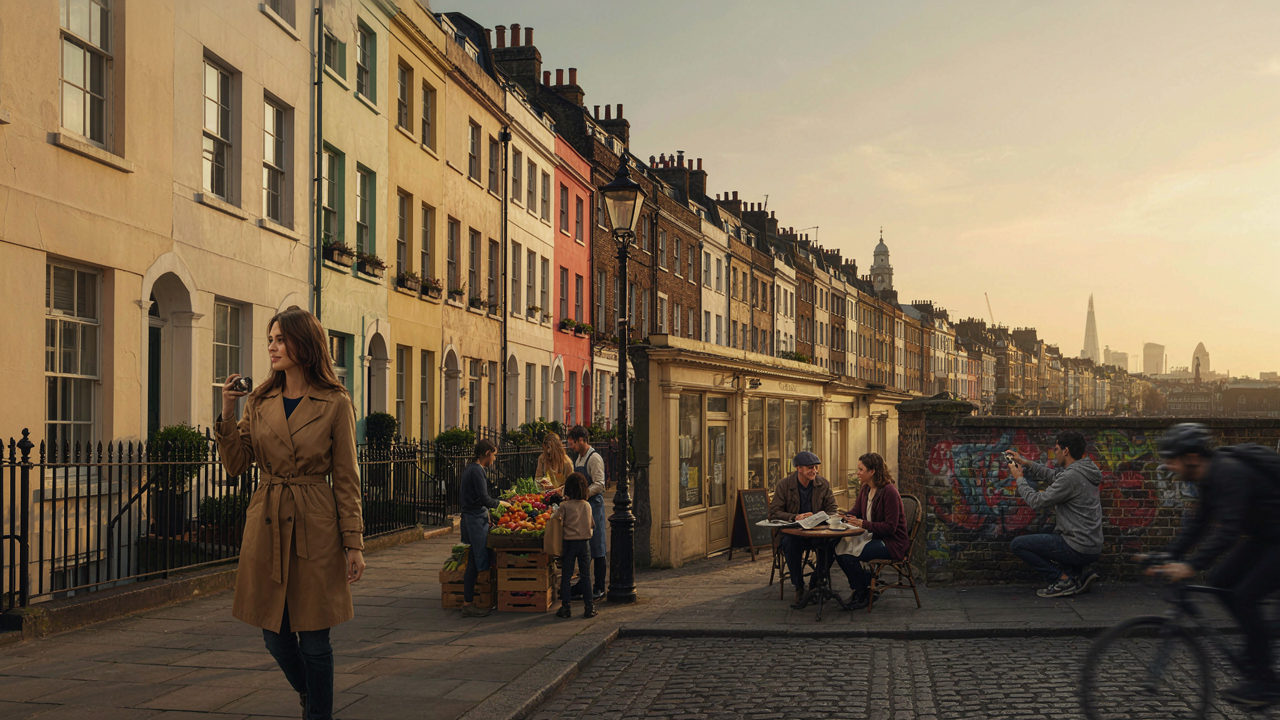
London is the kind of city where history and modern life meet on almost every street. You can see a centuries-old palace in the morning, explore a free museum in the afternoon, eat food from around the world for dinner, and finish the night with a West End show. That mix makes London especially appealing to travelers from the United States who want a trip filled with variety without constantly changing hotels.
For first-time visitors, the biggest challenge is not finding things to do. It is deciding what to prioritize. London is enormous, and its attractions are spread across different neighborhoods. A smart itinerary groups nearby sights together instead of trying to cross the entire city several times a day.
This Visit London guide is designed to make that planning easier. You will discover the best attractions, neighborhoods, transportation options, free things to do, food experiences, money-saving ideas, common mistakes, expert tips, and a simple itinerary you can adapt to your trip.
Quick Answer
Yes. London is one of the best international city breaks for American travelers. The city combines famous royal landmarks, historic streets, world-class museums, West End theater, diverse food, beautiful parks, shopping, and easy public transportation.
If it is your first trip, focus on major sights such as Buckingham Palace, the Tower of London, Westminster Abbey, the London Eye, St Paul’s Cathedral, the British Museum, Tower Bridge, and the West End. London also has many free attractions, including several major museums and large public parks.
For transportation, most visitors can use a contactless bank card, phone, or Oyster card. London’s integrated transport network includes the Underground, buses, trains, trams, river services, and more. Daily fare caps can help control transportation costs.
For Americans, one important 2026 planning detail is the UK’s Electronic Travel Authorisation (ETA). Most U.S. visitors need an ETA rather than a traditional visitor visa for tourism, so check the current UK government requirements before traveling. The current official application fee is £20.
Best Things to Do When You Visit London
London offers hundreds of experiences, but first-time travelers usually want a balance of famous landmarks and local experiences.
The following attractions are excellent starting points.
Buckingham Palace
Buckingham Palace is one of London’s most recognizable landmarks and an essential stop for travelers interested in British royal history.
Depending on the season and visitor access, travelers may be able to tour parts of the palace or experience special openings. Even when you do not enter, the surrounding area is worth exploring.
Combine Buckingham Palace with:
- St James’s Park
- The Mall
- Westminster
- Trafalgar Square
- Hyde Park
Tower of London
The Tower of London offers a fascinating look at London’s royal and political history. The historic fortress is also home to the Crown Jewels.
It is one of the attractions where advance planning can make your day easier, particularly during busy travel periods. Visit London’s official guide currently lists the Tower among its key London attractions.
Westminster Abbey
Westminster Abbey is closely connected with British royal and political history. Its architecture and historic significance make it a popular stop for first-time visitors.
It is particularly easy to combine with Big Ben, the Palace of Westminster, Westminster Bridge, and the London Eye.
London Eye
The London Eye provides a different perspective of the city. Instead of viewing London’s skyline from street level, you get a broad panorama over central London and the River Thames.
For photographers, late afternoon can provide attractive natural light, although the best time depends on the season and weather.
British Museum
The British Museum is one of the strongest choices for travelers who want culture without spending heavily on admission.
Its extensive collections cover thousands of years of human history and art. Visit London’s attraction guide lists the British Museum among London’s major free attractions.
St Paul’s Cathedral
St Paul’s is one of London’s defining architectural landmarks. The dome is visible from many parts of central London, while the cathedral itself offers an impressive historical and architectural experience.
Tower Bridge
Do not confuse Tower Bridge with London Bridge. Tower Bridge is the dramatic Victorian bridge with its distinctive towers.
You can photograph it from the Thames, walk across it, or explore its visitor areas.
Trafalgar Square
Trafalgar Square is an excellent central meeting point for sightseeing. It is close to the National Gallery, Leicester Square, Covent Garden, and the West End.
Covent Garden
Covent Garden combines restaurants, shops, performers, markets, and historic architecture. It is especially enjoyable when you want a less structured part of your sightseeing day.
London’s West End
A London trip feels incomplete for many visitors without experiencing the theater district.
The West End offers major musicals, plays, comedy, and other performances. Check the current schedule before your trip because shows and ticket availability change.
Explore London’s Best Neighborhoods

One of the best ways to Visit London beyond the major landmarks is to explore its neighborhoods.
Westminster
Best for:
- Big Ben
- Parliament
- Westminster Abbey
- Buckingham Palace
- St James’s Park
Westminster is ideal for first-time visitors because several iconic sights are close together.
South Bank
South Bank runs along the Thames and offers excellent views of central London.
You can walk beside the river, visit the London Eye, stop at cultural attractions, and continue toward Tower Bridge.
Covent Garden and Soho
These central neighborhoods are great for restaurants, shopping, nightlife, theater, and people-watching.
They are particularly convenient if your itinerary includes a West End show.
Notting Hill
Notting Hill is known for colorful streets, independent shops, cafes, and Portobello Road.
It is a good choice when you want a neighborhood-focused experience rather than another major monument.
Camden
Camden is known for its markets, music history, street food, and alternative atmosphere.
It offers a very different feel from Westminster and the royal districts.
Greenwich
Greenwich is a strong choice for travelers with extra time. You can combine historic attractions with riverside scenery and views across London.
Shoreditch
Shoreditch is popular for street art, independent businesses, creative spaces, and food.
It can be a good addition for repeat visitors who have already seen London’s biggest landmarks.
Free Things to Do When You Visit London
London can be expensive, but you do not need a large attraction budget to enjoy the city.
Visit Free Museums
Several major museums offer free general admission, although special exhibitions may require tickets.
Popular options include:
- British Museum
- Natural History Museum
- Tate Modern
- National Gallery
Visit London’s official attraction guide identifies these as major free London attractions.
Walk Through Hyde Park
Hyde Park gives you space away from busy streets. It is ideal for a relaxed walk between sightseeing stops.
Explore St James’s Park
This central park is particularly convenient when visiting Buckingham Palace and Westminster.
Walk Along the Thames
A Thames-side walk can connect multiple attractions without requiring another Tube journey.
Explore London’s Markets
Markets can be an enjoyable way to experience local food, shopping, crafts, and neighborhood culture.
Photograph London’s Landmarks
You do not always need to pay for a landmark experience to appreciate it. Many of London’s most famous buildings can be photographed from public streets, bridges, and parks.
How to Get Around London
London’s transportation system can seem confusing at first, but it becomes much easier once you understand the basics.
The network includes the Underground, buses, trains, trams, DLR, Elizabeth line, river services, and other transport options.
London Underground
The Tube is usually the fastest choice for crossing central London and traveling between neighborhoods.
Learn to read the Tube map before your trip, but do not feel that you need to memorize it.
Buses
London buses are useful for shorter journeys and can also provide sightseeing views from street level.
Contactless Payment
For many U.S. visitors, contactless payment is the simplest option.
TfL states that visitors can use contactless cards or mobile devices for pay-as-you-go travel. It also notes that overseas transaction fees may apply depending on your card issuer.
Oyster Cards
Oyster cards remain another option for visitors who do not want to use a contactless bank card or mobile device.
Walking
Do not underestimate walking.
Some attractions that look far apart on a map may be close enough to connect comfortably on foot.
Use a Journey-Planner App
A route-planning app can help you compare Tube, bus, walking, and train options. Visit London recommends tools such as Citymapper, Google Maps, and the official TfL Go app for journey planning and updates.
Where to Stay in London
Choosing the right neighborhood can make a huge difference.
| Area | Best For | Main Advantage |
| Westminster | First-time visitors | Near major landmarks |
| Covent Garden | Theater and dining | Central location |
| South Bank | Views and culture | Thames access |
| Kensington | Museums and families | Museums and quieter streets |
| Soho | Food and nightlife | Restaurants and entertainment |
| Notting Hill | Neighborhood atmosphere | Charming streets and shops |
| Paddington | Transport convenience | Excellent connections |
| Greenwich | Relaxed sightseeing | Historic and riverside setting |
Best Area for First-Time Visitors
If you want easy access to major attractions, Westminster or a nearby central neighborhood is a practical choice.
Best Area for Families
Kensington can be convenient for families because of its museums, parks, and relatively calm residential atmosphere.
Best Area for Food Lovers
Soho and Covent Garden offer an enormous range of restaurants and cafes.
Best Area for Repeat Visitors
Consider neighborhoods such as Shoreditch, Greenwich, or Notting Hill if you have already experienced central London’s main sights.
Best Time to Visit London
There is no single perfect month for every traveler.
Spring
Spring can be excellent for parks, gardens, walking, and sightseeing.
Summer
Summer brings longer daylight hours and a busy calendar of outdoor events. However, popular attractions can also be crowded.
Autumn
Autumn offers cooler weather and attractive seasonal scenery. It can be a comfortable time for walking tours.
Winter
Winter can bring shorter daylight hours and colder weather, but London becomes especially atmospheric around the holiday season.
The Best Strategy
Rather than choosing a season only for weather, consider:
- Flight prices
- Hotel rates
- School vacation periods
- Major events
- Your preferred activities
- Daylight hours
- Crowd levels
Visit London’s 2026 event calendar includes major cultural events, theater, seasonal activities, sports, and special experiences, so checking the calendar before booking can help you plan around events you care about.
What to Eat When You Visit London

London is one of the world’s most diverse food cities.
Do not limit yourself to traditional British dishes.
Traditional British Foods
Consider trying:
- Fish and chips
- Full English breakfast
- Sunday roast
- Steak and ale pie
- Sausage and mash
- Afternoon tea
International Food
London’s food scene also reflects communities from around the world.
You can find excellent Indian, Pakistani, Middle Eastern, Chinese, Japanese, Caribbean, African, Italian, French, Korean, and many other cuisines.
Afternoon Tea
Afternoon tea can be a memorable experience for a first London trip.
It is best treated as an experience rather than simply another meal, especially if you choose a historic hotel or elegant tea room.
Food Markets
Markets can be useful for travelers who want variety without committing to a long restaurant meal.
A Simple 7-Day London Itinerary
If you have a full week, avoid packing every hour with attractions.
Day 1: Westminster
Visit:
- Big Ben
- Palace of Westminster
- Westminster Abbey
- St James’s Park
- Buckingham Palace
- Trafalgar Square
Day 2: Tower of London and City of London
Visit:
- Tower of London
- Tower Bridge
- St Paul’s Cathedral
- City of London
- Thames riverside
Day 3: Museums
Choose two or three museums rather than trying to see everything.
Good options include:
- British Museum
- National Gallery
- Natural History Museum
- Victoria and Albert Museum
- Tate Modern
Day 4: West End and Covent Garden
Spend the day exploring:
- Covent Garden
- Leicester Square
- Soho
- Chinatown
- West End
Finish with a theater performance.
Day 5: Notting Hill and Kensington
Explore:
- Notting Hill
- Portobello Road
- Kensington Gardens
- Hyde Park
- Nearby museums
Day 6: Greenwich
Take a slower day exploring Greenwich, its historic attractions, parkland, and riverside setting.
Day 7: Flexible London Day
Use your final day for anything you missed.
Good choices include:
- Camden
- Shoreditch
- Shopping
- A Thames cruise
- Another museum
- A food tour
- A day trip outside London
London Travel Costs: How to Budget
London does not have to be an ultra-expensive vacation, but costs can rise quickly if you book everything at the last minute.
| Expense | Budget Approach | Comfortable Approach |
| Accommodation | Simple hotel or hostel | Central 3–4 star hotel |
| Food | Markets and casual restaurants | Mix of restaurants and cafes |
| Transport | Contactless/public transport | Public transport + occasional taxi |
| Attractions | Free museums + selected paid sights | Several ticketed attractions |
| Entertainment | Free events/walking | West End or premium experiences |
Ways to Save Money
Stay close to efficient public transportation rather than paying a premium only for a famous address.
Mix free attractions with paid experiences.
Use public transportation.
Reserve popular attractions early when appropriate.
Eat one or two meals from markets or casual restaurants.
Group nearby attractions together.
Check whether an attraction pass makes sense for your itinerary.
The right pass depends on how many paid attractions you plan to visit. Do not buy a sightseeing pass simply because it sounds like a deal.
London Travel Checklist for U.S. Visitors

Use this checklist before you Visit London:
Before Booking
- Choose your travel dates
- Compare flights
- Choose a convenient neighborhood
- Check passport validity
- Review UK entry requirements
- Check current ETA requirements
- Reserve popular attractions when needed
- Check theater schedules
- Consider travel insurance
Before Departure
- Download maps
- Install a transportation app
- Check whether your card works internationally
- Notify your bank if necessary
- Pack comfortable walking shoes
- Bring a suitable power adapter
- Save hotel details offline
- Keep digital copies of important travel information
During Your Trip
- Use public transportation
- Check opening times before traveling
- Leave space for spontaneous exploration
- Watch your belongings in crowded areas
- Allow extra time between reservations
- Respect local customs and public spaces
Common Mistakes Tourists Make in London
Even experienced travelers can make planning mistakes.
Trying to See Everything
London is too large for that.
Choose a realistic number of attractions each day.
Ignoring Travel Time
An attraction may look close on a map but still require a complicated route.
Build travel time into your schedule.
Booking Too Many Timed Attractions
If every hour is scheduled, one delay can ruin your entire day.
Leave gaps.
Staying Too Far Away to Save Money
A cheaper hotel can become less valuable if you spend extra time and money commuting.
Using Cash for Everything
London’s transportation system supports contactless and Oyster options, while payment practices vary by business. TfL specifically recommends contactless or Oyster for public transport.
Forgetting About the Weather
London weather can change. Pack layers and prepare for rain.
Visiting Only Famous Attractions
The landmarks matter, but neighborhoods, markets, parks, cafes, and local streets often create some of the best memories.
Expert Tips for a Better London Trip
Group Attractions by Location
This is one of the simplest ways to improve your itinerary.
For example, combine Buckingham Palace, St James’s Park, Westminster and Trafalgar Square.
Start Early
Popular landmarks are often more comfortable earlier in the day.
Use Public Transport
London’s public transport network is extensive, making it unnecessary for most tourists to rely on taxis for every journey.
Walk Between Nearby Sights
Walking helps you see parts of London that you would miss underground.
Book Popular Experiences Ahead
Visit London’s first-time visitor guidance recommends booking ahead for popular attractions when possible.
Plan Around Your Energy
Do not schedule three museums after a long walking tour.
Mix active sightseeing with slower activities.
Check Official Information
Opening hours, ticket prices, temporary closures, and entry rules can change.
Always confirm important details shortly before your trip.
Keep Your Schedule Flexible
A good itinerary should guide you—not control every minute.
Pros and Cons of Visiting London
| Pros | Cons |
| World-class attractions | Can be expensive |
| Excellent public transportation | Large and spread out |
| Many free museums | Crowds at major sights |
| Rich history | Weather can be unpredictable |
| Diverse food scene | Popular attractions may sell out |
| Great theater and entertainment | Hotel prices can be high |
| Easy to explore on foot in many areas | Long walking days can be tiring |
| Suitable for many travel styles | Planning can feel overwhelming |
Overall, the advantages strongly outweigh the disadvantages for most travelers.
Is London Good for First-Time International Travelers?

Yes.
London is especially appealing for Americans because English is the primary language, the city has extensive visitor infrastructure, and there are many familiar conveniences alongside a distinctly British culture.
First-time international travelers can start with central areas such as Westminster, South Bank, Covent Garden, and the City of London before branching into neighborhoods farther from the traditional tourist core.
London is also flexible. You can build a luxury vacation, family holiday, budget trip, romantic city break, museum-focused itinerary, food trip, or theater weekend around the same city.
What U.S. Travelers Should Know Before Visiting London
Currency
The United Kingdom uses the British pound sterling (£), not the U.S. dollar.
Check your credit card’s foreign transaction policy before traveling.
Electrical Outlets
The UK uses a different plug and electrical system from the United States. A suitable travel adapter is essential for most U.S. visitors.
Driving
Most American visitors do not need a car for a London vacation.
Public transportation is generally much more practical for sightseeing.
Entry Requirements
Entry requirements can change, so check official UK government information before departure.
For U.S. citizens, the current UK ETA system is particularly important. GOV.UK states that most visitors from the USA need an ETA rather than a visa for qualifying tourism trips. An ETA allows eligible visitors to travel to the UK for up to six months for tourism, subject to the rules.
Important ETA Reminder
An ETA is not the same as guaranteed admission to the UK. It is a travel authorization, and border officials still determine whether a traveler can enter.
How to Make the Most of a Weekend in London
Only have two or three days?
Prioritize location over quantity.
Day 1
Focus on:
- Westminster
- Buckingham Palace
- St James’s Park
- Trafalgar Square
- Covent Garden
- West End
Day 2
Explore:
- Tower of London
- Tower Bridge
- St Paul’s Cathedral
- Thames
- South Bank
Day 3
Choose one:
- British Museum
- Notting Hill
- Camden
- Kensington museums
- Greenwich
A short trip should not attempt to cover every neighborhood.
Suggested Internal Linking Opportunities
If this article is published on a travel website, use internal links naturally to related guides.
Suggested Internal Links
- Best Places to Visit in London
- Things to Do in London
- London Travel Guide
- Best London Neighborhoods
- London Underground Guide
- Best Free Things to Do in London
- Best Museums in London
- Best Hotels in London
- London Weekend Itinerary
- London to Paris Travel Guide
- Best Day Trips From London
- London Family Travel Guide
- Best London Christmas Markets
- London West End Theater Guide
- Best Restaurants in London
- London Airport Transfer Guide
Use descriptive anchor text instead of repeatedly linking the same phrase.
Suggested External Authority Sources

For strong EEAT signals, reference trustworthy sources where appropriate. Do not rely on random travel blogs for important travel rules.
Recommended authority sources include:
GOV.UK — UK entry requirements, ETA information, immigration rules, and official government guidance.
Transport for London (TfL) — public transportation, fares, Oyster, contactless payments, service information, and accessibility.
Visit London — official visitor information, attractions, events, neighborhoods, maps, and travel planning.
UK Government / Home Office — immigration and border requirements.
National Rail — train information for journeys around the UK.
British Museum — official visitor information and exhibitions.
Tower of London / Historic Royal Palaces — official attraction information.
Westminster Abbey — official visitor information.
National Gallery — official museum information.
VisitBritain — broader UK tourism information.
Frequently Asked Questions About Visiting London
How many days should I spend in London?
Three to five days is a good starting point for first-time visitors. Three days allows you to see major landmarks, while five to seven days gives you more time for museums, neighborhoods, food, theater, and slower exploration.
What is the best month to Visit London?
There is no single best month. Spring and early summer can be attractive for outdoor sightseeing, while autumn can offer comfortable walking weather. Winter is appealing for travelers interested in seasonal events.
Is London expensive for American tourists?
London can be expensive, particularly for hotels and major attractions. However, travelers can reduce costs with free museums, public transportation, casual restaurants, parks, and careful itinerary planning.
Do Americans need a visa to visit London?
For qualifying tourism trips, U.S. citizens generally need an ETA rather than a traditional visa under the UK’s current system. Always check GOV.UK before departure because requirements can change.
What is the easiest way to get around London?
For most tourists, a combination of walking, the Tube, buses, and trains works well. Contactless payment or Oyster can make public transportation easier.
Is London safe for tourists?
London is a major international city and millions of visitors travel there each year. Use normal city-travel precautions, especially in crowded tourist areas and on public transportation.
What should I book in advance in London?
Popular attractions, theater performances, special exhibitions, and some tours are worth checking and booking ahead. This is particularly important during busy travel periods.
Can I see London without a car?
Absolutely. In fact, avoiding a rental car is often easier for a sightseeing-focused London trip. The city has an extensive public transportation network and many central attractions can be reached on foot.
What are the best free things to do in London?
Major free options include museums such as the British Museum, National Gallery, Natural History Museum, and Tate Modern, along with parks, public squares, markets, and riverside walks.
What should I do on my first Visit London?
Start with Westminster, Buckingham Palace, the Tower of London, Tower Bridge, a major museum, and a West End show. Then leave time to explore one or two neighborhoods such as Covent Garden, Notting Hill, Camden, or Greenwich.
Conclusion
A great London vacation is not about checking every attraction off a list. It is about creating a smart balance between famous landmarks, local neighborhoods, museums, food, parks, culture, and unplanned discoveries.
For a first trip, begin with the classics: Westminster, Buckingham Palace, the Tower of London, Tower Bridge, the London Eye, St Paul’s Cathedral, a major museum, and the West End. Then add experiences that match your interests, whether that means markets, food, architecture, history, shopping, theater, or neighborhood walks.
The biggest secret to a successful trip is simple: plan the important parts, but leave room to explore. London’s public transportation makes it easy to move around, and its huge variety means you can create a completely different experience each time you return.
If you are planning to Visit London in 2026, start by choosing your travel dates, checking the latest UK entry requirements, selecting your ideal neighborhood, and building an itinerary around nearby attractions. With the right preparation, your London trip can be exciting, comfortable, and far less stressful.
Read More:Visit the Real Star: The Ultimate 2026 Guide to Britain’s Best Film, TV & Travel Locations