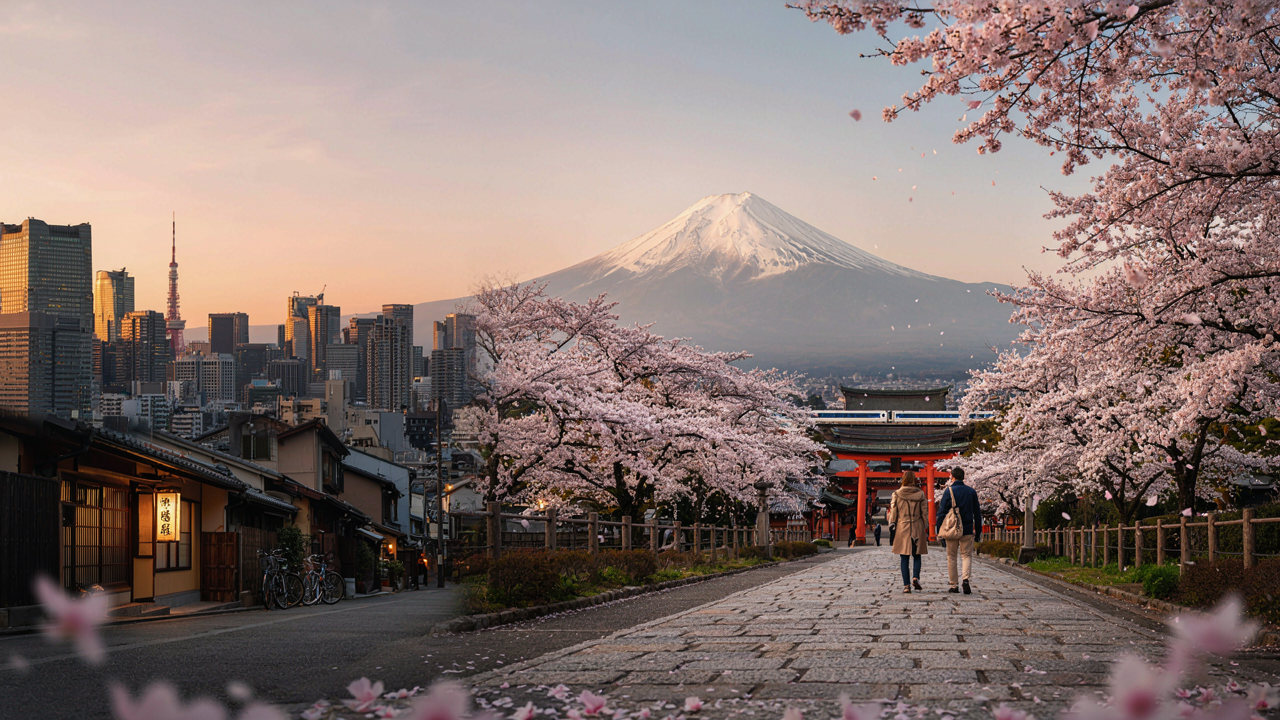
Japan offers an unusual mix of ancient traditions, modern cities, beautiful landscapes, excellent public transportation, and memorable food. For travelers from the United States, it can feel both exciting and unfamiliar. A good plan helps you enjoy more of the country without spending your entire trip moving between destinations.
This Japan Travel and Living Guide covers the essentials for a first trip and gives useful ideas for longer stays. You will learn when to visit, where to go, how transportation works, what to eat, how to respect local customs, what to budget for, and how to avoid common travel mistakes.
Quick Answer
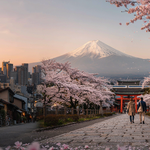
Japan is a year-round destination, but the best time depends on your interests. Spring is popular for cherry blossoms, autumn is known for colorful foliage and comfortable sightseeing weather, summer brings festivals and outdoor activities, and winter offers snow, hot springs, and winter sports.
For a first visit, Tokyo, Kyoto, and Osaka make a practical starting route. JNTO notes that around 10 days to two weeks can work well for the classic “Golden Route,” while longer trips allow more time for regional Japan.
Quick checklist:
- Choose your season and regions.
- Check current entry requirements for your nationality.
- Book major hotels and popular experiences early.
- Learn a few simple Japanese phrases.
- Plan your airport-to-hotel transfer.
- Compare individual train tickets with rail passes.
- Consider an IC transportation card where useful.
- Download offline maps and translation tools.
- Carry a backup payment method.
- Learn basic Japanese etiquette.
- Keep your itinerary flexible.
- Check official weather and disaster information before traveling.
Japan Travel and Living Guide: 10 Essential Things to Know
Japan is easy to explore once you understand a few basic systems. Public transportation is extensive, English information is common in major tourist areas, and travelers have access to official tourism resources. At the same time, smaller towns and rural areas may have fewer English-language services.
Japan is more than Tokyo and Kyoto
Popular cities are excellent introductions, but regional Japan can offer quieter experiences, local food, mountains, beaches, historic towns, and smaller communities.
Public transportation is a major advantage
Trains, subways, buses, and high-speed shinkansen connect much of the country.
Seasons matter
Weather varies considerably from Hokkaido in the north to Okinawa in the south, so pack for your actual destinations rather than assuming all of Japan has the same climate.
Etiquette matters
Quiet behavior on public transportation, respecting lines, removing shoes where required, and following local rules can make your trip smoother.
Don’t overpack your itinerary
Japan rewards slow exploration. Spending three nights in one place can often be more enjoyable than changing hotels every day.
Best Places to Visit in Japan
Japan has enough variety for multiple trips. Your ideal destination list should depend on your interests, trip length, and season.
| Destination | Best For | Suggested Stay |
| Tokyo | Modern culture, shopping, food, neighborhoods | 3–5 days |
| Kyoto | Temples, gardens, traditional culture | 2–4 days |
| Osaka | Food, nightlife, urban attractions | 2–3 days |
| Nara | Temples, history, day trips | 1 day |
| Hiroshima | History and nearby Miyajima | 1–2 days |
| Hakone | Hot springs and mountain scenery | 1–2 days |
| Hokkaido | Nature, skiing, seafood | 4–7+ days |
| Okinawa | Beaches and island culture | 3–5+ days |
| Kanazawa | Gardens, crafts, traditional districts | 1–2 days |
| Fukuoka | Food, city life, Kyushu gateway | 2–3 days |
Tokyo
Tokyo combines huge transport hubs and skyscrapers with quiet neighborhoods, shrines, parks, markets, museums, and local restaurants. Instead of trying to see everything, divide the city into areas and explore one or two neighborhoods each day.
Kyoto
Kyoto is known for temples, shrines, gardens, traditional streets, and cultural experiences. Start early at popular sites and leave time to explore less crowded streets.
Osaka
Osaka is a useful base for exploring western Japan and is famous for its food culture. It also works well as a gateway for day trips.
Beyond the Golden Route
If you have more time, consider Hokkaido, Tohoku, Hokuriku, Shikoku, Kyushu, or Okinawa. Regional travel can help you see a different side of Japan.
Best Time to Visit Japan
There is no single best month for every traveler. Japan has four distinct seasons, and each creates a different travel experience.
Spring: March to May
Spring is popular for cherry blossoms and mild conditions. However, popular viewing areas can become very busy.
Good for: flowers, gardens, city sightseeing, photography.
Summer: June to August
Summer can be hot and humid, while festivals, fireworks, beaches, and mountain activities add plenty of options.
Good for: festivals, hiking, outdoor adventures, regional trips.
Autumn: September to November
Autumn brings colorful foliage and generally comfortable sightseeing conditions in many parts of Japan.
Good for: photography, food, hiking, temples, gardens.
Winter: December to February
Winter is particularly attractive for snow experiences, skiing, hot springs, and winter scenery. Hokkaido and areas along the Sea of Japan can receive heavy snow.
Good for: skiing, snow, onsens, winter food.
Busy Travel Periods
JNTO identifies New Year, Golden Week, and the summer/Obon period as major busy travel periods. Hotels and transportation can become more crowded, so advance planning is especially useful.
Getting Around Japan: Trains, Shinkansen, Buses & IC Cards
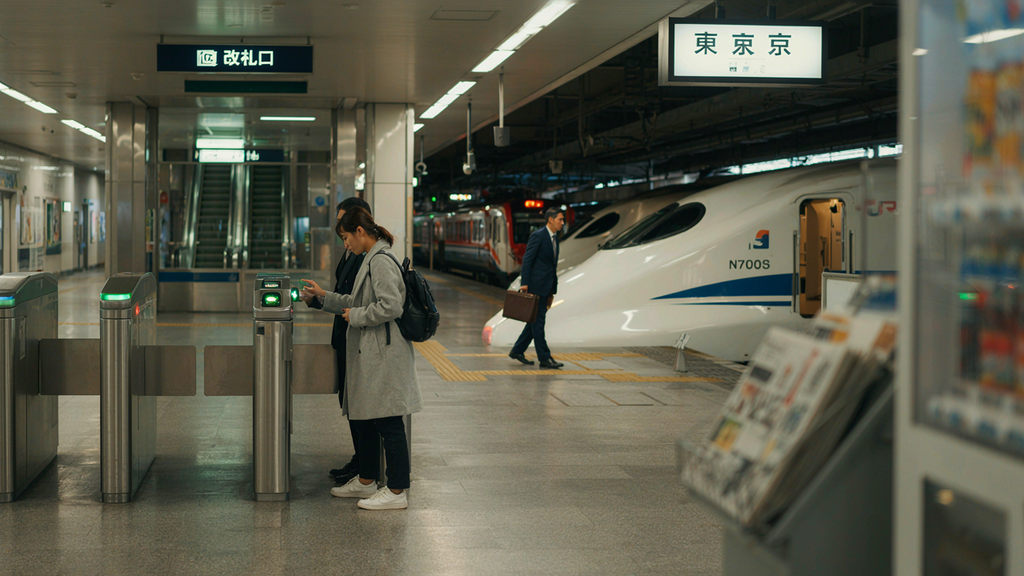
Transportation is one of the most important parts of a Japan itinerary. The country has an extensive railway network, urban subway systems, buses, taxis, domestic flights, and ferries.
Shinkansen
The shinkansen connects major cities quickly and comfortably. It is especially useful for longer journeys such as Tokyo–Kyoto or Tokyo–Osaka.
Local Trains and Subways
In Tokyo, Osaka, Kyoto, and other major cities, local rail and subway systems can get you close to most attractions.
IC Cards
Reloadable IC transportation cards can make everyday train, subway, and some bus journeys easier. Availability and supported services can vary, so check current official information before your trip.
Japan Rail Pass
Do not automatically assume the nationwide rail pass saves money. Calculate your planned long-distance journeys first.
As of the current 2026 pricing information, JR Group announced revised overseas agency prices effective for purchases made on or after October 1, 2026, while online-purchase pricing was temporarily unchanged at the time of the announcement. For a Standard Car adult pass, the announced overseas-agency prices are ¥53,000 for 7 days, ¥84,000 for 14 days, and ¥105,000 for 21 days.
Because fares and pass conditions can change, verify prices immediately before purchasing.
Luggage Delivery
Japan also offers luggage delivery services that can reduce the hassle of carrying large bags between hotels. JNTO specifically highlights luggage delivery as part of Japan’s travel infrastructure.
Transportation Comparison
| Option | Best For | Main Advantage |
| Shinkansen | Long-distance travel | Fast |
| Local train | Cities and nearby towns | Convenient |
| Subway | Major cities | Efficient |
| Bus | Local/regional routes | Broad coverage |
| Taxi | Short trips or luggage | Door-to-door |
| Domestic flight | Far regions | Saves time |
| Rental car | Rural areas | Flexibility |
Japan Food Guide: What to Eat
Food is one of the easiest ways to understand regional Japan. Do not limit your meals to sushi. Japanese cuisine varies greatly by city and region.
Foods to Try
- Sushi and sashimi
- Ramen
- Tempura
- Yakitori
- Udon
- Soba
- Okonomiyaki
- Takoyaki
- Curry rice
- Donburi
- Onigiri
- Tonkatsu
- Japanese breakfast
- Regional seafood
- Seasonal sweets
Regional Food Experiences
Osaka is strongly associated with street-food favorites such as takoyaki and okonomiyaki. Hokkaido is well known for seafood and dairy products, while different regions offer their own noodles, vegetables, sweets, and specialty dishes.
Dining Tips
Check restaurant hours before visiting, especially outside major cities. Some small restaurants may have limited seating. If you have dietary restrictions, research restaurants before arrival because options can vary by region. JNTO notes that vegetarian and halal options may be limited depending on the area.
Where to Stay in Japan
Your accommodation choice can shape your whole trip.
Hotels
Hotels are convenient for first-time travelers, especially near major train stations.
Ryokan
A ryokan is a traditional Japanese-style inn. It can provide a deeper cultural experience and may include tatami rooms and traditional meals.
Business Hotels
Business hotels can be practical for budget-conscious travelers who mainly need a clean, convenient place to sleep.
Hostels and Guesthouses
These can work well for younger travelers and people who want social spaces or lower accommodation costs.
Neighborhood Matters
Instead of asking only, “Which hotel is cheapest?” ask:
- How far is it from the station?
- Is there an airport connection?
- Are restaurants nearby?
- Can I easily reach my planned attractions?
- Does the room fit my luggage?
- What are the cancellation conditions?
Accommodation Comparison
| Type | Best For | Experience |
| Hotel | First-time visitors | Convenient |
| Ryokan | Cultural experience | Traditional |
| Business hotel | Short stays | Practical |
| Hostel | Social travelers | Budget-friendly |
| Guesthouse | Local atmosphere | Personal |
Japan Travel Budget: How Much Should You Plan?
Japan can fit different travel budgets. Your biggest expenses are usually transportation, accommodation, food, attractions, and shopping.
Instead of relying on one fixed daily number, build a personal budget based on your travel style.
Budget Categories
| Expense | Budget Approach | Comfortable Approach |
| Accommodation | Hostels/business hotels | Mid-range hotels/ryokan |
| Food | Convenience stores/local restaurants | Restaurants and specialty dining |
| Transport | Local trains/buses | More shinkansen/taxis |
| Attractions | Free sites + selected tickets | More paid experiences |
| Shopping | Limited | Flexible |
| Experiences | Self-guided | Tours and premium activities |
Ways to Save Money
- Stay near convenient transport rather than the most famous landmark.
- Use local restaurants.
- Compare rail fares before buying passes.
- Take day trips from a single base.
- Travel during less busy periods when practical.
- Book popular accommodation early.
- Avoid unnecessary hotel changes.
- Use luggage delivery for long multi-city trips when it makes sense.
A useful rule is to budget by category rather than trying to copy another traveler’s exact daily spending.
Japanese Culture, Etiquette & Responsible Travel
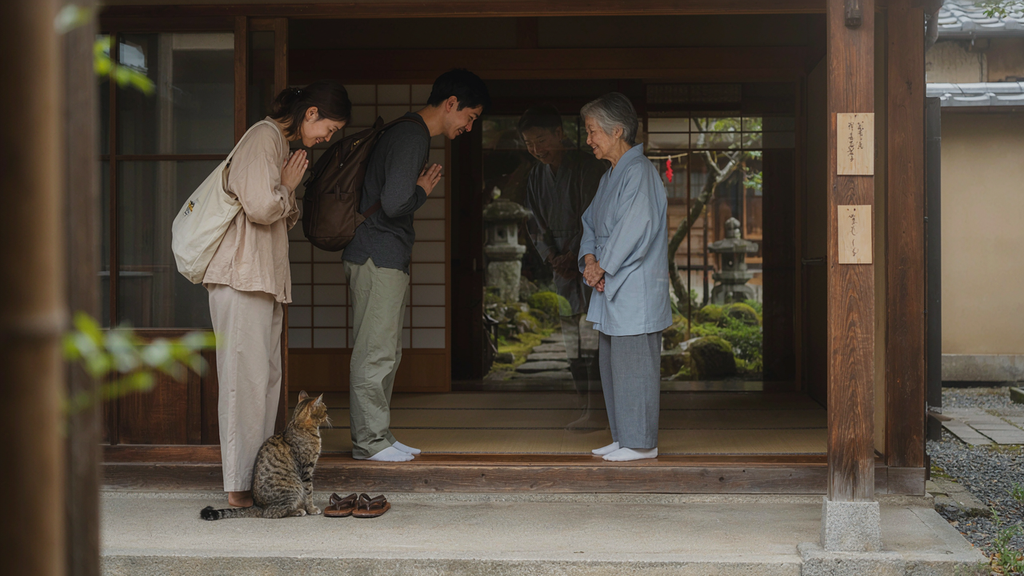
Respect is one of the most important parts of a successful Japan trip. You do not need to know every rule, but learning basic manners shows consideration.
Public Transportation
Keep your voice low and avoid phone calls on trains and buses. Stand to the side and allow passengers to exit before boarding.
Shoes
You may need to remove shoes at traditional accommodations, certain restaurants, temples, and other indoor locations. Look for signs or follow the local custom.
Temples and Shrines
Dress respectfully and observe posted rules. Avoid treating sacred locations simply as photo backgrounds.
Trash
Carry your trash until you find an appropriate disposal point if a public bin is not available.
Photography
Ask before photographing people in situations where privacy may be expected. Follow restrictions in temples, museums, restaurants, and private properties.
Onsens
Hot-spring facilities have their own rules. Read the facility instructions before entering.
Responsible Travel
JNTO recommends mindful travel that respects local communities, destinations, and other visitors.
Expert Tips for First-Time Visitors to Japan
The following tips can save time and reduce unnecessary stress.
Don’t plan every minute
Leave space for unexpected discoveries.
Stay close to transportation
A hotel near a major station can save significant walking time.
Group attractions by neighborhood
This is especially useful in Tokyo and Kyoto.
Use luggage strategically
Large suitcases can make crowded trains harder to navigate. Consider smaller luggage or luggage delivery.
Learn a few Japanese phrases
Useful words include greetings, thank you, excuse me, and asking whether English is available.
Carry backup payment options
Keep a second payment method separate from your main wallet.
Check opening days
Some attractions and small businesses close on specific days.
Book popular experiences early
Special restaurants, seasonal events, and popular accommodations may fill quickly.
Check regional weather
Japan’s geography creates major regional differences in weather.
Check official safety information
For weather emergencies and natural-disaster information, JNTO provides Japan Safe Travel information and directs travelers to official warnings.
Common Japan Travel Mistakes to Avoid
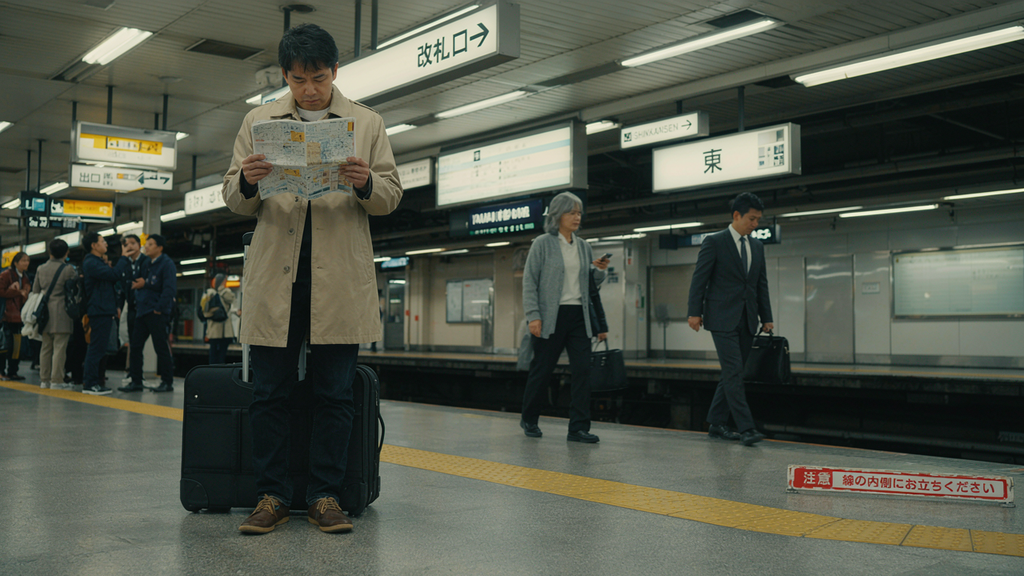
Even experienced travelers can make planning mistakes in Japan.
Trying to See Too Much
Tokyo, Kyoto, Osaka, Hiroshima, Hokkaido, and Okinawa in one short trip can create unnecessary travel fatigue.
Better approach: Choose fewer regions and explore them properly.
Assuming a Rail Pass Always Saves Money
Calculate your actual route before buying a nationwide pass.
Ignoring Peak Periods
Golden Week, New Year, and Obon can bring significant crowds and higher demand.
Treating Every City the Same
Japan’s regions have different foods, climates, transportation patterns, and cultural experiences.
Forgetting Cash
Although card payments are common, some smaller businesses may have different payment options.
Ignoring Train Etiquette
Talking loudly or making phone calls on public transportation can be considered discourteous.
Only Visiting Famous Attractions
Add at least one neighborhood, regional town, local market, garden, or cultural experience to your itinerary.
Packing Too Much
You will often move through stations, trains, hotels, and narrow streets. A manageable bag makes travel easier.
Japan Travel Checklist for U.S. Visitors
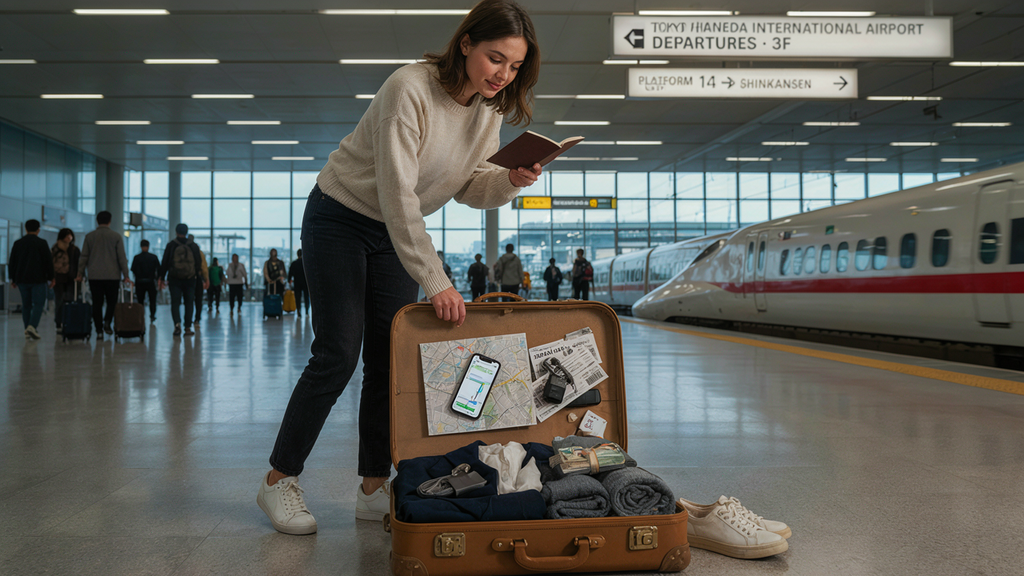
Use this checklist before leaving the United States.
Documents
- Passport
- Confirm current Japan entry requirements
- Flight information
- Hotel confirmations
- Travel insurance details
- Copies of important documents
Technology
- Smartphone
- Charging cables
- Power adapter if needed
- Offline maps
- Translation app
- Portable battery that complies with airline rules
Money
- Main payment card
- Backup payment card
- Some Japanese yen
- Budget spreadsheet or travel app
Clothing
Pack according to the region and season. Japan’s climate varies significantly from north to south.
Transportation
- Airport transfer plan
- Train route research
- IC card information
- Rail-pass calculation if relevant
- Hotel station directions
Culture
Learn:
- Basic greetings
- Train etiquette
- Shoe-removal customs
- Temple/shrine manners
- Dining etiquette
- Photography rules
Safety
Save important emergency numbers. Japan’s emergency police number is 110, while fire and ambulance services use 119. JNTO’s visitor hotline is available 24/7 in English, Chinese, and Korean.
Suggested 7-Day Japan Itinerary for First-Time Visitors
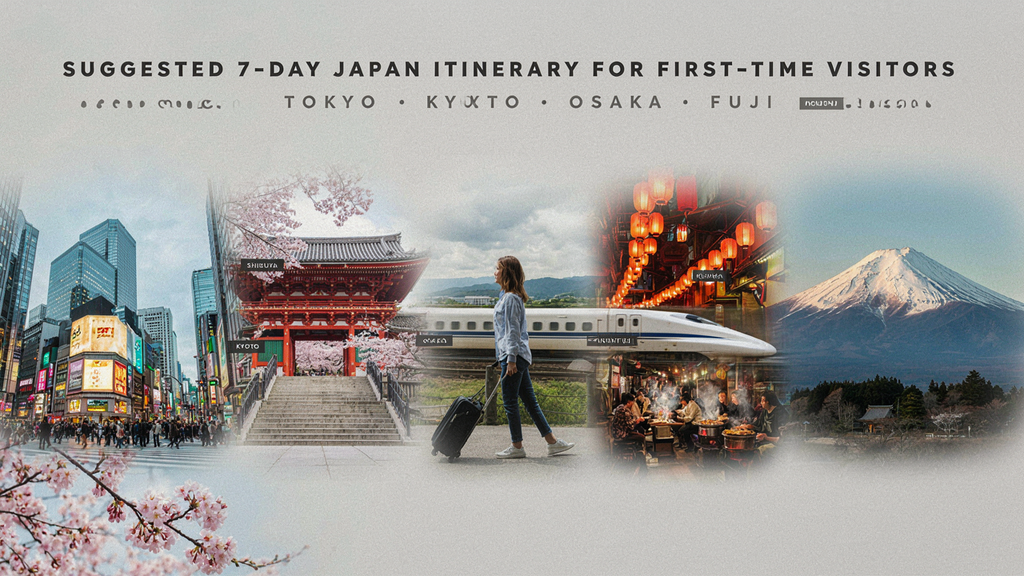
A one-week trip should focus on a manageable area. JNTO recommends considering a single base city and nearby day trips for trips of one week or less.
Day 1: Tokyo Arrival
Check in, recover from the flight, and explore your local neighborhood.
Day 2: Tokyo
Visit a combination of traditional and modern areas.
Day 3: Tokyo
Explore another part of the city or take a short day trip.
Day 4: Tokyo to Kyoto
Travel to Kyoto and explore a nearby neighborhood after checking in.
Day 5: Kyoto
Spend the day visiting temples, gardens, and traditional areas.
Day 6: Kyoto or Osaka
Choose between more Kyoto sightseeing or a day trip to Osaka.
Day 7: Departure
Keep your final day simple, especially if you have an international flight.
For a 10–14 day trip, add Osaka, Nara, Hiroshima/Miyajima, Hakone, or another regional destination rather than squeezing everything into one week. JNTO describes roughly 10 days to two weeks as a useful timeframe for the classic Tokyo–Kyoto–Osaka route.
Pros and Cons of Traveling in Japan
| Pros | Cons |
| Excellent public transportation | Major cities can be crowded |
| Strong mix of old and new culture | Long-distance travel can add up |
| Diverse regional food | Language can be harder in rural areas |
| Four distinct seasons | Peak seasons can be busy |
| Many safe, organized travel systems | Some cultural rules may take time to learn |
| Excellent options for different budgets | Large luggage can be inconvenient |
| Easy to combine cities and day trips | Rural transport can require more planning |
The experience can vary greatly depending on your destination, season, budget, and travel style.
Frequently Asked Questions
How many days do you need in Japan?
Seven days can work for a focused itinerary, while 10–14 days gives first-time visitors more room for Tokyo, Kyoto, Osaka, and nearby destinations. Longer trips are better for exploring regional Japan.
What is the best month to visit Japan?
There is no universal best month. Spring is popular for cherry blossoms, autumn for foliage and comfortable sightseeing, summer for festivals, and winter for snow and hot springs.
Is Japan easy for English-speaking travelers?
Major airports, tourist areas, hotels, and transportation systems generally provide English information. Rural areas and small businesses may have less English support, so a translation app can be useful.
Is the Japan Rail Pass worth it?
It depends on your route. Calculate the cost of your planned long-distance journeys before buying the nationwide pass. Prices and conditions can change, so verify current information before purchase.
What should I eat in Japan?
Try sushi, ramen, tempura, soba, udon, yakitori, okonomiyaki, takoyaki, curry, donburi, and regional specialties.
Is Japan expensive for U.S. travelers?
Japan can fit different budgets. Accommodation, transportation, food choices, and shopping have the biggest impact on your total spending.
What should tourists know about Japanese etiquette?
Be respectful on public transportation, follow shoe-removal rules, respect religious sites, follow photography restrictions, and observe local customs.
Should I visit Tokyo and Kyoto on my first trip?
They are practical choices for many first-time visitors because they offer very different experiences and are connected by high-speed rail. Your final choice should depend on trip length and interests.
What should I do during a natural disaster?
Follow official local instructions and evacuation information. JNTO provides Japan Safe Travel information and directs travelers toward official disaster warnings.
What emergency numbers should travelers know in Japan?
Call 110 for police and 119 for fire or ambulance emergencies. JNTO also operates a 24-hour visitor hotline at 050-3816-2787 with English, Chinese, and Korean support.
Conclusion
Japan is a destination where careful planning and curiosity work together. A well-designed trip can combine Tokyo’s modern energy, Kyoto’s traditional culture, Osaka’s food scene, beautiful regional landscapes, and memorable local experiences without trying to see the entire country at once.
Use this Japan Travel and Living Guide as your starting point, then build your itinerary around the season, regions, budget, and experiences that matter most to you. Before departure, always verify current entry rules, transportation prices, weather conditions, and safety information through official sources.
Ready to plan your Japan adventure? Start with your ideal travel dates, choose two or three priority destinations, and build your itinerary one experience at a time.
Read More:Visit Vietnam: Ultimate 2026 Guide to 25 Amazing Places, Experiences & Smart Travel Tips