If you want a trip that combines dramatic landscapes, historic cities, beautiful beaches, memorable food, and rich culture, Visit Vietnam should be high on your travel list. From Hanoi’s busy Old Quarter and Ha Long Bay’s limestone islands to Hoi An’s lantern-lit streets and the Mekong Delta’s waterways, Vietnam offers a wide range of experiences in one country.
For U.S. travelers, Vietnam can also be a rewarding long-haul adventure when you plan the route carefully. The country stretches across several climate zones, so the best destination can depend heavily on the month you travel. Vietnam’s official tourism authority divides the country into northern, central, and southern regions, each with different landscapes and travel experiences.
This Visit Vietnam 2026 guide covers where to go, when to visit, what to eat, how to plan transportation, Vietnam visa basics for U.S. citizens, safety considerations, common mistakes, and practical tips for building a memorable itinerary.
Quick Answer
Yes, Vietnam offers a diverse travel experience for visitors who enjoy food, history, nature, beaches, cities, and cultural exploration. The best itinerary depends on your available time and the region’s weather.
For a first trip, consider combining:
- Hanoi for history, food, and city culture
- Ha Long Bay or another northern nature destination
- Ninh Binh for dramatic scenery and river landscapes
- Hoi An for heritage, food, and relaxed exploration
- Hue for imperial history
- Da Nang for beaches and city convenience
- Ho Chi Minh City for urban energy and history
- Mekong Delta for rural landscapes and waterways
- Phu Quoc for beaches and island time
Vietnam’s official tourism website highlights destinations across all three regions and organizes travel experiences around nature, culture, food, beaches, cities, adventure, wellness, and family travel.
Why Visit Vietnam in 2026?
Vietnam stands out because you can experience very different styles of travel without leaving the country.
You can spend one day exploring a historic neighborhood, the next traveling through green rice fields, and later relaxing on a tropical beach. The country also has a strong food culture, with regional dishes and street-food traditions that make eating part of the travel experience.
Major reasons to Visit Vietnam
| Experience | What Vietnam Offers |
| Culture | Temples, historic cities, traditions and festivals |
| Nature | Mountains, caves, rice terraces, rivers and islands |
| Beaches | Coastal destinations from north to south |
| Food | Pho, banh mi, bun cha, seafood and regional specialties |
| History | Imperial sites, museums and historic landmarks |
| Cities | Hanoi, Da Nang and Ho Chi Minh City |
| Adventure | Hiking, caves, cycling, kayaking and outdoor tours |
| Relaxation | Beaches, resorts, spas and wellness experiences |
Vietnam’s official tourism resources specifically highlight food, nature, culture, cities, beaches, adventure, wellness, family travel and luxury experiences.
Is Vietnam good for first-time international travelers?
It can be, especially if you create a realistic itinerary. The biggest mistake is trying to see the entire country in a very short trip.
Instead, choose two or three regions and allow enough time for transportation between them.
Best Places to Visit Vietnam
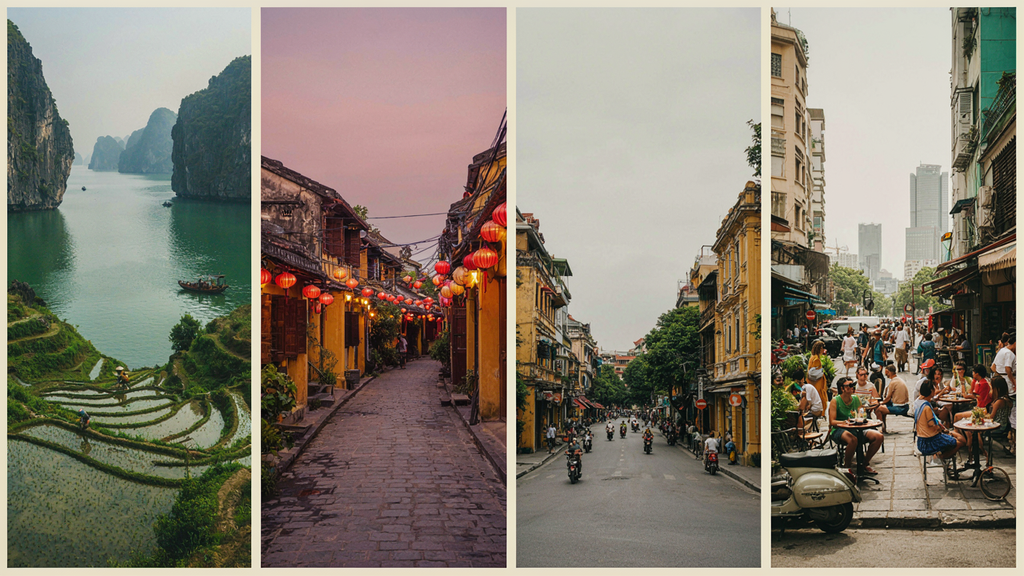
Vietnam has destinations for nearly every travel style. Rather than trying to see everything, select locations that match your interests.
Hanoi
Hanoi is an excellent starting point for understanding Vietnamese history and culture. Explore the Old Quarter, sample local dishes, visit historic sites, and spend time around Hoan Kiem Lake.
Vietnam Tourism recommends Hanoi attractions such as the Temple of Literature, Ho Chi Minh Mausoleum and Imperial Citadel of Thang Long.
Ha Long Bay
Ha Long Bay is famous for its limestone karsts rising from the water. Boat trips are a popular way to experience the scenery, although weather can affect cruise plans.
Ninh Binh
Ninh Binh combines rivers, limestone mountains, temples and rural scenery. It is especially useful for travelers who want dramatic landscapes without committing to a long mountain expedition.
Hoi An
Hoi An is known for its historic architecture, lantern-filled streets, local food and relaxed atmosphere. It works well for travelers interested in culture, photography and food.
Hue
Hue is ideal for history lovers. The former imperial capital offers important heritage sites and a different atmosphere from Vietnam’s modern cities.
Da Nang
Da Nang combines beaches, restaurants, city amenities and access to attractions in central Vietnam.
Ho Chi Minh City
Formerly known internationally as Saigon, Ho Chi Minh City offers museums, markets, restaurants, cafés and a fast-moving urban atmosphere.
Phu Quoc
Phu Quoc is a popular choice for travelers who want to add island time to a Vietnam itinerary.
Vietnam Tourism’s destination guide lists Hanoi, Ha Long, Sapa, Ninh Binh and Ha Giang in the north; Da Nang, Hoi An, Hue and Phong Nha in central Vietnam; and Ho Chi Minh City, Can Tho, Con Dao and Phu Quoc in the south.
North vs. Central vs. South Vietnam
One of the most important decisions when you Visit Vietnam is choosing which regions to explore.
| Region | Best For | Key Destinations |
| North | History, mountains, scenery | Hanoi, Ha Long Bay, Ninh Binh, Sapa |
| Central | Heritage, beaches, food | Hue, Hoi An, Da Nang, Phong Nha |
| South | Cities, islands, delta | Ho Chi Minh City, Mekong Delta, Phu Quoc |
| All regions | Longer trips | North-to-south itinerary |
Northern Vietnam
Northern Vietnam is particularly attractive for travelers interested in mountains, rice terraces, historic cities and traditional culture.
Central Vietnam
Central Vietnam combines heritage locations with beaches and natural attractions. Hoi An, Hue, Da Nang and Phong Nha can form a strong central itinerary.
Southern Vietnam
Southern Vietnam gives you a combination of major-city experiences, river landscapes and island escapes. Vietnam Tourism describes the region as offering both energetic urban areas and quieter countryside.
Best Time to Visit Vietnam
There is no single perfect month for every part of Vietnam because the country has different regional climates.
Vietnam Tourism notes that March through May can offer favorable weather across much of the country, while individual destinations have their own seasonal patterns.
| Travel Period | What to Expect |
| January–February | Cooler northern weather; varied regional conditions |
| March–May | Often favorable conditions across many regions |
| June–August | Hot, humid and rainy periods in several areas |
| September–November | Good opportunities in some regions, variable weather |
| December | Cooler north; warmer southern conditions |
For example, official tourism guidance describes Ha Long Bay as cooler and often misty from December to March, warmer and clearer from April to June, and more storm-prone during parts of summer.
Best strategy
Choose your destinations after checking regional weather rather than choosing a travel date first and assuming the whole country will have the same conditions.
Best Things to Do When You Visit Vietnam

Vietnam is more than a checklist of famous landmarks.
Explore Vietnamese food
Try local specialties such as:
- Pho
- Banh mi
- Bun cha
- Cao lau
- Fresh spring rolls
- Vietnamese coffee
- Regional seafood
- Vegetarian Vietnamese dishes
Food preferences vary by region, so use your destination to guide your choices.
Explore markets
Local markets provide opportunities to see everyday life, discover regional foods and shop for small souvenirs.
Take a countryside trip
Rice fields, rivers and rural villages offer a slower contrast to major cities.
Visit heritage sites
Historic buildings, temples, museums and former imperial sites help explain Vietnam’s complex history.
Enjoy the coast
Beach destinations can add downtime to an otherwise busy cultural itinerary.
Try outdoor activities
Depending on the location and conditions, travelers can explore caves, hike, cycle, kayak or take guided nature tours.
Vietnam Travel Itinerary Ideas for U.S. Travelers
Long-distance travel from the United States makes efficient planning especially important.
7-day Vietnam itinerary
Days 1–2: Hanoi
Day 3: Ninh Binh
Days 4–5: Hoi An or Da Nang
Days 6–7: Ho Chi Minh City
This route is fast-paced, so consider dropping one destination if you prefer slower travel.
10-day Vietnam itinerary
Days 1–3: Hanoi
Days 4–5: Ninh Binh or Ha Long Bay
Days 6–7: Hoi An
Days 8–10: Ho Chi Minh City
14-day Vietnam itinerary
Days 1–3: Hanoi
Days 4–5: Ninh Binh or Ha Long Bay
Days 6–8: Hoi An and Da Nang
Days 9–11: Ho Chi Minh City
Days 12–14: Mekong Delta or Phu Quoc
Planning rule
Do not add another city simply because it looks close on a map. Travel time, airport transfers, check-in, weather delays and rest can consume more time than expected.
Vietnam Visa and Entry Requirements for U.S. Travelers
Visa rules are one area where travelers should rely on current official information rather than old travel blogs.
The U.S. Department of State currently says U.S. travelers need a visa for Vietnam, with a limited exception for stays of 30 days or less on Phu Quoc. It also states that passports must be valid for six months beyond arrival and that travelers should have blank passport pages available.
Vietnam’s official immigration portal states that its e-visa can be valid for up to 90 days, with either single or multiple entry. The listed e-visa fees are currently $25 for single entry and $50 for multiple entry.
Important e-visa tips
Use the official Vietnamese government e-visa system.
Enter passport information carefully.
Check your name and dates before submitting.
Print your approved e-visa.
Make sure your intended entry point is permitted.
Do not rely on an unofficial third-party website for basic visa processing.
The State Department specifically warns travelers to use the official Vietnamese government website and says travelers should print their e-visa before entering Vietnam.
Getting Around Vietnam
Vietnam offers several transportation choices, but the best option depends on the distance.
Domestic flights
Flights can save significant time between northern, central and southern Vietnam.
Trains
Rail travel can be useful for travelers who want to experience more of the landscape at a slower pace.
Buses and transfers
Buses and private transfers can work well for shorter regional journeys.
Taxis and ride-hailing
In cities, use reputable transportation services and confirm your destination and fare before traveling.
Walking
Walking can be one of the best ways to explore historic districts, markets and central neighborhoods.
Transportation comparison
| Option | Best For | Main Advantage |
| Flight | Long distances | Saves time |
| Train | Scenic journeys | Travel experience |
| Bus | Regional routes | Practical |
| Private transfer | Families/groups | Convenience |
| Walking | City centers | Local experience |
Vietnam Food Guide: What to Eat
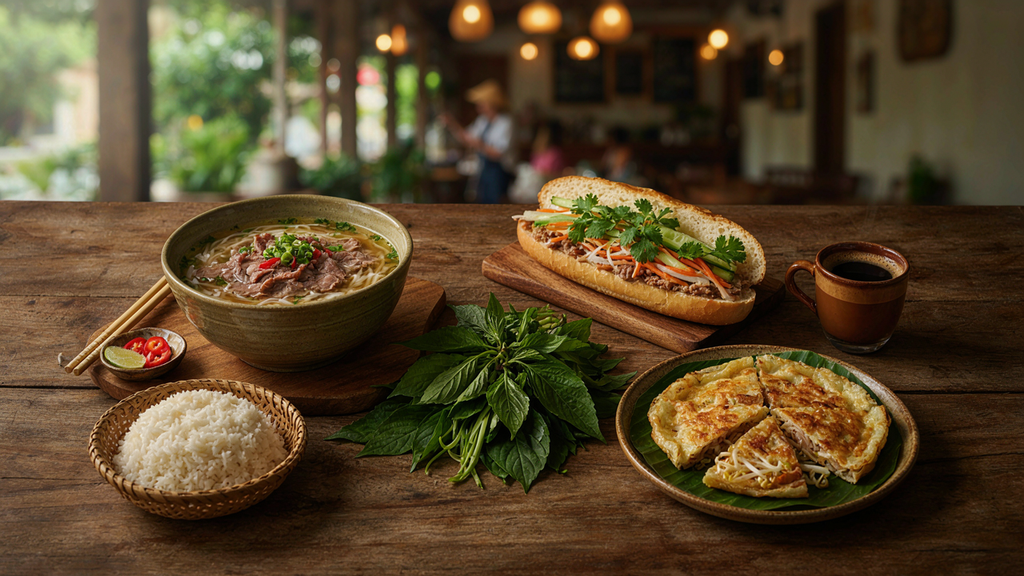
Food is one of the easiest ways to make your Vietnam trip more memorable.
Pho
Pho is one of Vietnam’s best-known dishes. Recipes and flavors vary by region and restaurant.
Banh mi
This popular Vietnamese sandwich combines bread with different fillings, herbs and sauces.
Bun cha
Especially associated with Hanoi, bun cha combines grilled pork, noodles and fresh herbs.
Cao lau
This Hoi An specialty is worth seeking while visiting central Vietnam.
Vietnamese coffee
Coffee culture is a major part of urban life. Try regional preparation styles and enjoy it slowly.
Food safety tip
Choose busy, clean-looking establishments and be sensible with food and water, especially during the first days of your trip.
Expert Tips for Visiting Vietnam
A few planning decisions can make a major difference.
Build a flexible schedule
Leave breathing room between major travel days.
Check regional weather
Vietnam’s climate varies significantly from north to south.
Carry small amounts of local currency
Cards may work widely in tourist areas, but cash remains useful for smaller purchases.
Dress appropriately at religious sites
Bring clothing that allows you to enter temples and other culturally important locations respectfully.
Learn a few Vietnamese phrases
Simple greetings and thank-you phrases can make interactions more pleasant.
Keep digital copies of important documents
Store copies securely and separately from your physical passport.
Protect yourself from mosquitoes
The CDC currently lists dengue as a year-round risk and recommends travelers take steps to prevent mosquito bites.
Check travel advisories before departure
The U.S. State Department currently lists Vietnam at Level 1: Exercise Normal Precautions, while still noting that petty crime can occur, particularly in tourist areas.
Vietnam Travel Safety and Health Checklist
Vietnam can be approached with normal travel precautions, but preparation matters.
Before departure
- Check your passport validity.
- Confirm visa requirements.
- Review current travel advisories.
- Check CDC travel health guidance.
- Consider travel insurance.
- Save emergency contacts.
- Keep digital copies of documents.
- Research your transportation options.
The U.S. State Department recommends reviewing entry requirements, health guidance and local laws and recommends travel insurance with appropriate coverage.
Health planning
The CDC advises travelers to consult a healthcare professional before international travel and notes that recommendations can depend on the itinerary. It also currently highlights dengue prevention and routine vaccination considerations.
While traveling
Keep valuables secure, especially in busy tourist areas. Avoid approaching unfamiliar objects in the ground outside normal populated tourist environments; the State Department notes that unexploded ordnance and landmines remain in parts of Vietnam.
Common Mistakes to Avoid When You Visit Vietnam
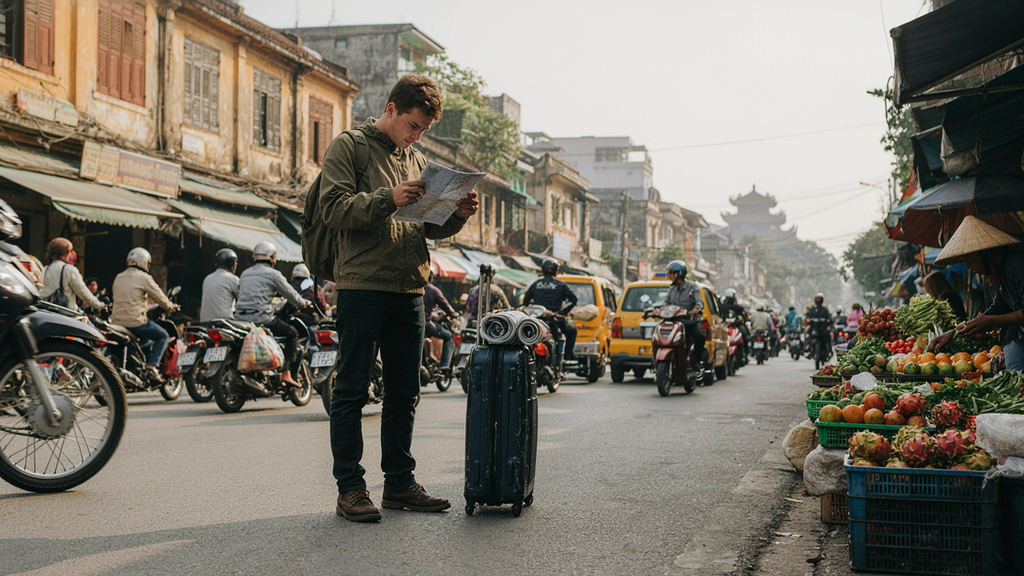
Trying to see everything
Vietnam is longer and more diverse than it may look on a map.
Ignoring regional weather
A beach plan can be disappointing if you select a destination during its rainy or storm-prone period.
Leaving visa planning until the last minute
Give yourself time to check your documents and application information.
Booking every activity
Some of the best moments come from simply walking, eating and exploring.
Overpacking
Lightweight clothing and comfortable footwear are often more useful than a huge suitcase.
Treating every region the same
Northern, central and southern Vietnam have different climates, food traditions and travel experiences.
Using outdated visa information
Entry rules can change. Always confirm requirements through official government sources before departure.
Pros and Cons of Visiting Vietnam
| Pros | Cons |
| Diverse landscapes | Long travel distances |
| Strong food culture | Weather varies by region |
| Rich history and culture | Busy tourist areas can feel crowded |
| Beaches and mountains | Long flight from the United States |
| Many itinerary options | Traffic can feel challenging |
| Wide range of experiences | Visa planning is required for most U.S. travelers |
The biggest planning challenge is usually not finding things to do; it is deciding what to leave out.
Vietnam Packing Checklist for U.S. Travelers
Your packing list should match the season and regions you plan to visit.
Essentials
- Valid passport
- Printed visa/e-visa
- Copies of important documents
- Comfortable walking shoes
- Lightweight clothing
- Light rain jacket
- Sun protection
- Insect repellent
- Reusable water bottle
- Universal travel adapter
- Phone and charging cable
- Basic personal medications
- Small daypack
Optional items
- Packing cubes
- Compact camera
- Portable power bank
- Lightweight scarf
- Dry bag for boat or beach trips
The State Department says U.S. travelers should meet Vietnam’s passport requirements and carry their approved e-visa when applicable.
Suggested Internal Linking Opportunities
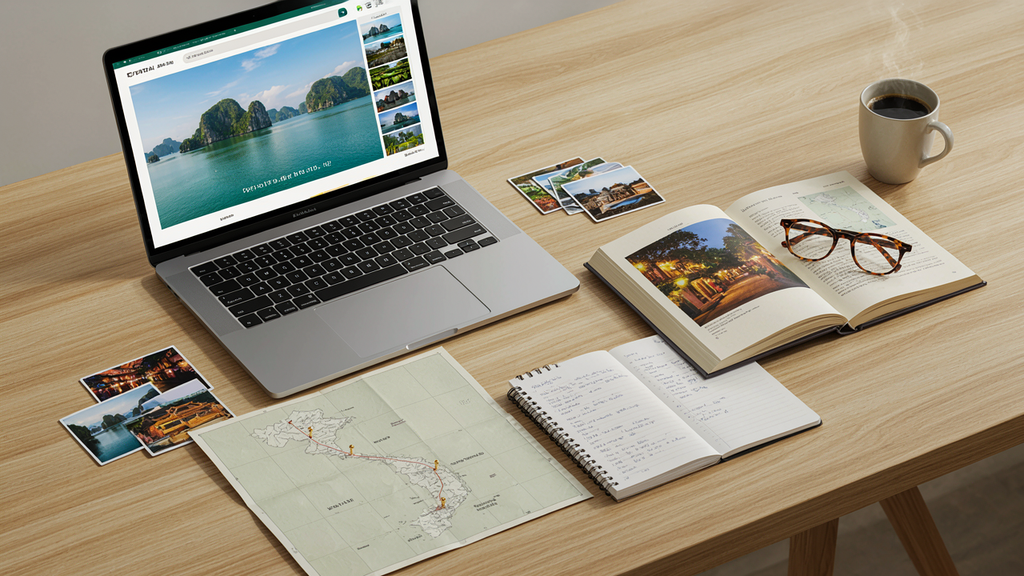
For a travel website, Visit Vietnam can act as a pillar page linking to more specific destination and planning content.
Suggested internal links include:
- Southeast Asia Travel Guide
- Best Southeast Asia Destinations
- Vietnam Travel Itinerary
- Hanoi Travel Guide
- Things to Do in Hanoi
- Ha Long Bay Travel Guide
- Hoi An Travel Guide
- Da Nang Travel Guide
- Ho Chi Minh City Travel Guide
- Mekong Delta Travel Guide
- Best Beaches in Southeast Asia
- Southeast Asia Backpacking Guide
- International Travel Packing Checklist
- Travel Safety Tips for U.S. Travelers
- Best Time to Visit Southeast Asia
Use descriptive anchor text naturally rather than repeatedly linking with the exact same keyword.
Suggested External Authority Sources
For EEAT and factual accuracy, consider referencing authoritative sources such as:
Vietnam National Authority of Tourism — destinations, weather, travel planning and official tourism information.
Vietnam Immigration Department — e-visa and immigration information.
U.S. Department of State — entry requirements, travel advisories, local laws and safety information.
CDC Travelers’ Health — health information and current travel-health guidance.
U.S. Embassy & Consulate in Vietnam — U.S. citizen services and local updates.
IATA or relevant airline sources — current aviation and travel information where appropriate.
These sources provide different types of information, so use each for claims within its area of authority rather than relying on one source for everything.
2026 Visit Vietnam Planning Checklist
Use this checklist before booking your trip:
2–4 months before travel
- Choose your regions.
- Research seasonal weather.
- Compare flight routes.
- Check passport validity.
- Review visa requirements.
- Create a flexible itinerary.
1 month before travel
- Review CDC guidance.
- Arrange appropriate travel insurance.
- Book key hotels and major transportation.
- Save copies of important documents.
- Prepare basic travel medications and supplies.
1 week before travel
- Check your flight.
- Recheck entry requirements.
- Download maps and important travel apps.
- Confirm hotel addresses.
- Check local weather.
- Notify your bank if necessary.
At departure
- Carry your passport.
- Carry your visa/e-visa if required.
- Keep important documents accessible.
- Have your first accommodation information available.
Image Prompt: Create a realistic final-trip preparation scene with a Vietnam itinerary, suitcase, passport holder, smartphone, printed checklist, camera, travel adapter, and boarding pass, organized on a clean desk, warm natural lighting, professional travel magazine photography, no readable personal information.
Frequently Asked Questions
Is Vietnam worth visiting in 2026?
Yes. Vietnam offers a combination of history, food, nature, beaches, cities and cultural experiences. The key is choosing destinations that fit your available time and travel season.
What is the best month to visit Vietnam?
March through May can provide favorable conditions across many parts of the country, but the best month depends on your specific destinations.
How many days do you need in Vietnam?
For a first trip, 10–14 days gives you more flexibility. Seven days can work if you concentrate on a smaller number of destinations.
Do U.S. citizens need a visa for Vietnam?
Generally, yes. The U.S. Department of State currently says a visa is required for U.S. travelers, subject to the specific Phu Quoc exception described in its current guidance.
How long can a Vietnam e-visa be valid?
Vietnam’s official immigration portal states that an e-visa can be valid for up to 90 days and may allow single or multiple entry.
Is Vietnam safe for American tourists?
The current U.S. State Department advisory places Vietnam at Level 1, or “Exercise Normal Precautions.” It also notes that petty crime can occur, especially in popular tourist locations.
Should I visit Hanoi or Ho Chi Minh City?
They offer different experiences. Hanoi is especially strong for historic neighborhoods, northern culture and traditional food, while Ho Chi Minh City offers a large modern-city experience and access to southern attractions.
Can I visit Vietnam and Cambodia on the same trip?
Yes, a longer Southeast Asia itinerary can combine both countries. However, check the current entry requirements for each country separately before booking.
What food should I try in Vietnam?
Consider pho, banh mi, bun cha, regional noodles, fresh spring rolls, seafood and Vietnamese coffee.
What should I pack for Vietnam?
Pack lightweight clothing, comfortable shoes, sun protection, insect repellent, a rain layer, travel documents, electronics and any personal essentials required for your trip.
Conclusion
Vietnam gives travelers the chance to combine bustling cities, ancient heritage, spectacular landscapes, memorable food, beaches and rural experiences in one long and varied journey. The best way to Visit Vietnam is not to rush through every famous destination, but to choose a route that matches your interests, available time and travel season.
For U.S. travelers, start by checking the latest visa and entry requirements, reviewing health guidance, choosing your regions, and building some flexibility into your itinerary. Official Vietnamese tourism resources, the Vietnam Immigration Department, the CDC and the U.S. Department of State should be your primary references for information that can change.