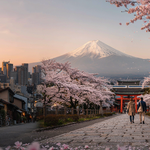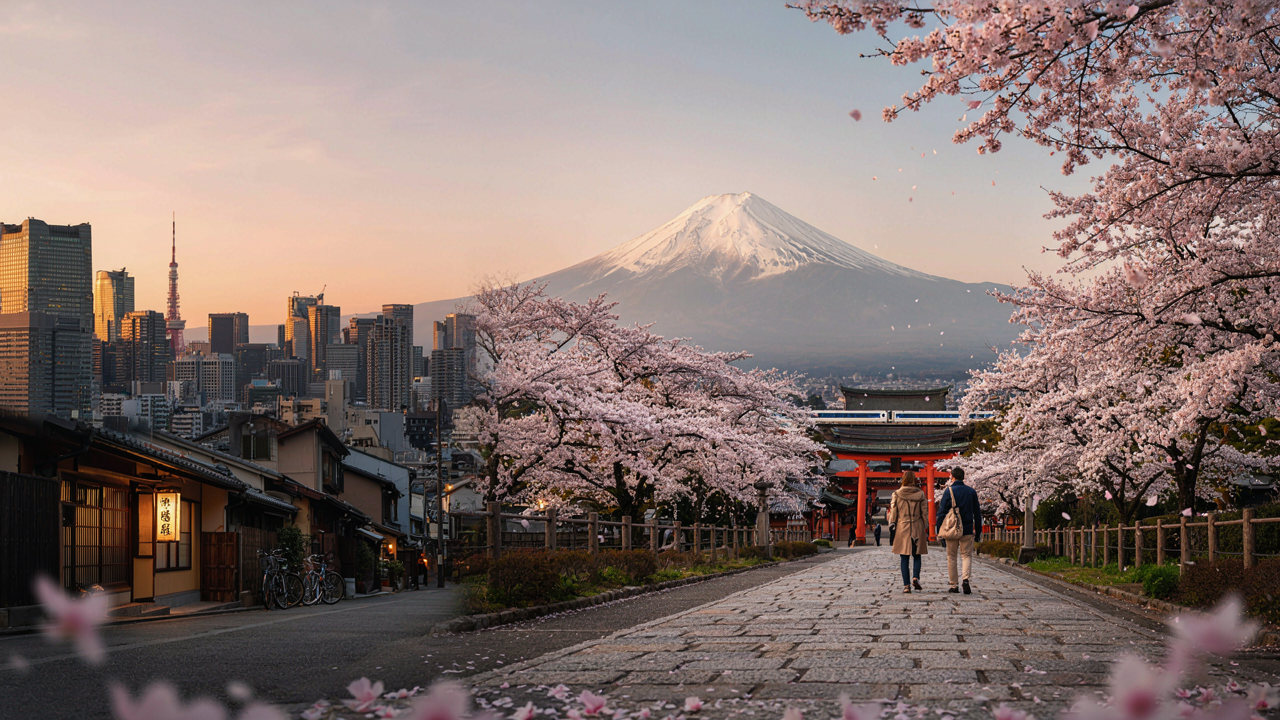
Japan offers a rare mix of ancient traditions, modern cities, incredible food, peaceful landscapes, and efficient transportation. From the bright streets of Tokyo to the temples of Kyoto and the mountain views around Mount Fuji, travelers can build very different types of trips in one country. That makes Japan Tours & Holidays a popular choice for first-time visitors, families, couples, solo travelers, and adventure seekers.
Planning a Japan trip can also feel overwhelming. There are many cities to choose from, several transportation options, different seasons, and countless cultural experiences. This guide explains how to plan your trip, where to go, what to do, how many days to spend, and which mistakes to avoid. It is especially useful for travelers from the United States who are visiting Japan for the first time.
Quick Answer
The best Japan trip depends on your interests, budget, travel dates, and available time. A first-time visitor can build a strong itinerary around Tokyo, Mount Fuji, Kyoto, Osaka, and Nara.
For a classic first visit, consider:
- 7 days: Tokyo, Mount Fuji area, Kyoto
- 10 days: Tokyo, Hakone/Mount Fuji, Kyoto, Osaka
- 14 days: Tokyo, Hakone, Kyoto, Nara, Osaka, Hiroshima and Miyajima
- Family holiday: Tokyo, Kyoto, Osaka and theme-park attractions
- Food-focused trip: Tokyo, Kyoto, Osaka and regional food destinations
- Nature-focused trip: Hakone, Mount Fuji, Japanese Alps and rural areas
- Winter holiday: Tokyo plus Hokkaido or ski destinations
- Cherry blossom trip: Tokyo, Kyoto and other spring destinations
The key is to avoid packing too many destinations into a short trip. Japan’s excellent rail network makes travel easier, but changing hotels every night can make a vacation tiring.
Why Choose Japan Tours & Holidays in 2026?
Japan appeals to many travelers because one vacation can combine city sightseeing, history, food, nature, shopping, entertainment, and cultural experiences.
A Unique Mix of Old and New
Tokyo is filled with modern architecture, technology, shopping districts, and entertainment. Kyoto provides a very different experience with temples, gardens, traditional neighborhoods, and historic streets.
You can move between these worlds within a few hours.
Excellent Transportation
Japan is known for its extensive rail network. High-speed Shinkansen trains connect major cities, while local trains, buses, subways, and regional services make urban and regional travel practical.
For many travelers, the journey itself becomes part of the experience.
Incredible Food
Japanese cuisine goes far beyond sushi. Visitors can try ramen, tempura, okonomiyaki, yakitori, udon, soba, curry, wagashi sweets, regional seafood, and many seasonal dishes.
Food lovers can easily design an entire holiday around local specialties.
Strong Cultural Experiences
A Japan holiday can include:
- Buddhist temples
- Shinto shrines
- Traditional gardens
- Tea experiences
- Japanese festivals
- Ryokan stays
- Onsen towns
- Traditional crafts
- Sumo-related experiences
- Local markets
Best Places to Include in Japan Tours & Holidays
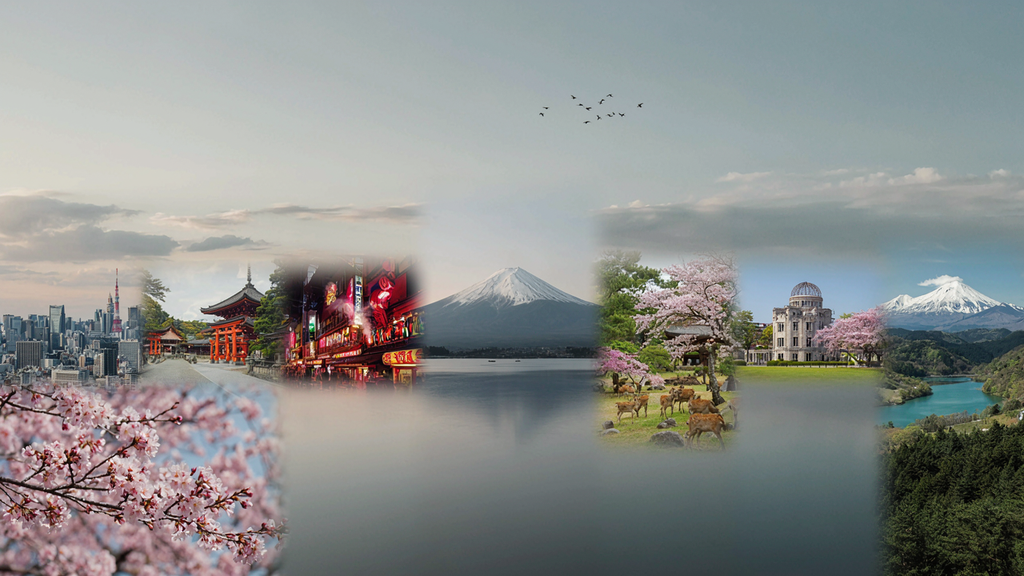
Japan has far more destinations than most first-time travelers can visit in one trip. Choosing a few regions is usually better than trying to see everything.
Tokyo
Tokyo is an excellent starting point for many international visitors. Popular areas include Shibuya, Shinjuku, Asakusa, Ginza, Harajuku, and Akihabara.
Possible experiences include:
- Shibuya Crossing
- Senso-ji Temple
- Tokyo Skytree
- Meiji Shrine
- Tsukiji Outer Market area
- Imperial Palace area
- Tokyo neighborhoods and shopping districts
Kyoto
Kyoto is famous for its temples, shrines, gardens, traditional architecture, and cultural heritage.
Consider visiting:
- Fushimi Inari
- Kiyomizu-dera
- Arashiyama
- Gion
- Philosopher’s Path
- Kinkaku-ji
- Traditional gardens
Osaka
Osaka is known for its food, lively neighborhoods, shopping, and entertainment.
Explore:
- Dotonbori
- Osaka Castle
- Kuromon Market
- Umeda
- Shinsekai
Osaka can also work as a base for nearby destinations.
Mount Fuji and Hakone
Mount Fuji is one of Japan’s most recognizable sights. Hakone offers hot springs, mountain scenery, museums, and opportunities for Fuji views when weather conditions cooperate.
Nara
Nara makes an easy side trip from Kyoto or Osaka. Its historic temples, parks, and famous deer are popular with visitors.
Hiroshima and Miyajima
Hiroshima provides important historical sites and museums, while nearby Miyajima is known for its beautiful island scenery and Itsukushima Shrine.
Hokkaido
Travelers seeking cooler weather, skiing, wildlife, and wide-open landscapes may consider Hokkaido. It can be especially interesting for travelers visiting Japan beyond the standard Tokyo-Kyoto route.
Popular Types of Japan Tours & Holidays
There is no single way to experience Japan. Your itinerary should match your travel style.
| Tour Type | Ideal For | Typical Focus |
| First-Time Japan Tour | New visitors | Tokyo, Kyoto, Osaka |
| Family Holiday | Families | Cities, attractions, easy transportation |
| Cultural Tour | History lovers | Temples, shrines, gardens, traditions |
| Food Tour | Food lovers | Markets, restaurants, regional dishes |
| Luxury Japan Holiday | Luxury travelers | Premium hotels, ryokan, private experiences |
| Budget Japan Trip | Cost-conscious travelers | Hostels, local food, public transport |
| Japan Honeymoon | Couples | Kyoto, Hakone, scenic stays |
| Adventure Trip | Active travelers | Mountains, hiking, skiing, cycling |
| Group Tour | Social travelers | Guided sightseeing and organized activities |
| Solo Japan Trip | Independent travelers | Flexible city and regional exploration |
Independent Travel vs. Guided Tours
An independent trip gives you flexibility. You can choose your hotels, restaurants, day trips, and sightseeing schedule.
A guided tour may simplify transportation, hotel arrangements, sightseeing, and communication. It can also be useful if you prefer a structured schedule.
The right choice depends on how much planning you want to handle yourself.
How Many Days Do You Need for a Japan Holiday?
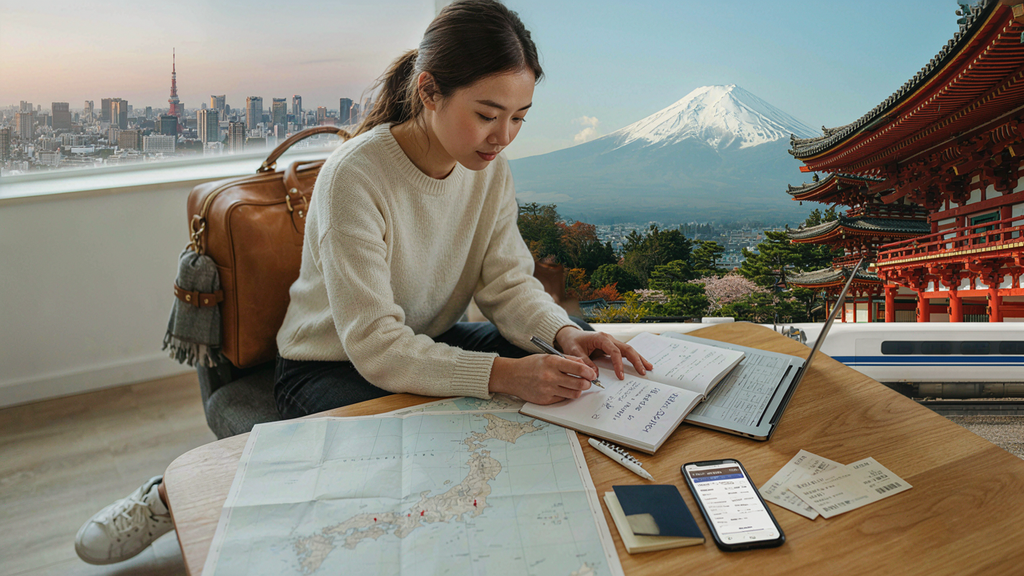
For a first trip, 10 to 14 days can provide a comfortable balance between major attractions and travel time.
7-Day Japan Itinerary
Days 1–3: Tokyo
Day 4: Mount Fuji or Hakone
Days 5–6: Kyoto
Day 7: Kyoto or Osaka departure
This itinerary is fast but possible.
10-Day Japan Itinerary
Days 1–3: Tokyo
Day 4: Hakone or Mount Fuji area
Days 5–7: Kyoto
Days 8–9: Osaka
Day 10: Osaka departure or return to Tokyo
14-Day Japan Itinerary
Days 1–4: Tokyo
Days 5–6: Hakone or another Fuji-area destination
Days 7–9: Kyoto
Day 10: Nara
Days 11–12: Osaka
Days 13–14: Hiroshima and Miyajima
Use this as a framework rather than a fixed schedule. Weather, train schedules, seasonal events, and personal interests can change the ideal route.
Best Time for Japan Tours & Holidays
Japan can be visited throughout the year, but each season creates a different travel experience.
| Season | Highlights | Considerations |
| Spring | Cherry blossoms, pleasant weather | Popular periods can be busy |
| Summer | Festivals, greenery, mountain trips | Hot and humid in many areas |
| Autumn | Fall colors, comfortable weather | Popular sightseeing season |
| Winter | Snow, skiing, winter scenery | Cold weather in many regions |
Spring
Cherry blossom season attracts visitors from around the world. Exact bloom dates vary by location and year, so travelers should avoid assuming that every destination will peak at the same time.
Summer
Summer brings festivals, greenery, and opportunities for mountain travel. Many cities can be hot and humid.
Autumn
Fall foliage makes Kyoto, mountain areas, and other scenic regions especially attractive.
Winter
Winter can be ideal for travelers interested in snow, skiing, hot springs, and seasonal food. Hokkaido and mountain regions are particularly popular for winter activities.
Japan Travel Costs, Hotels & Holiday Packages
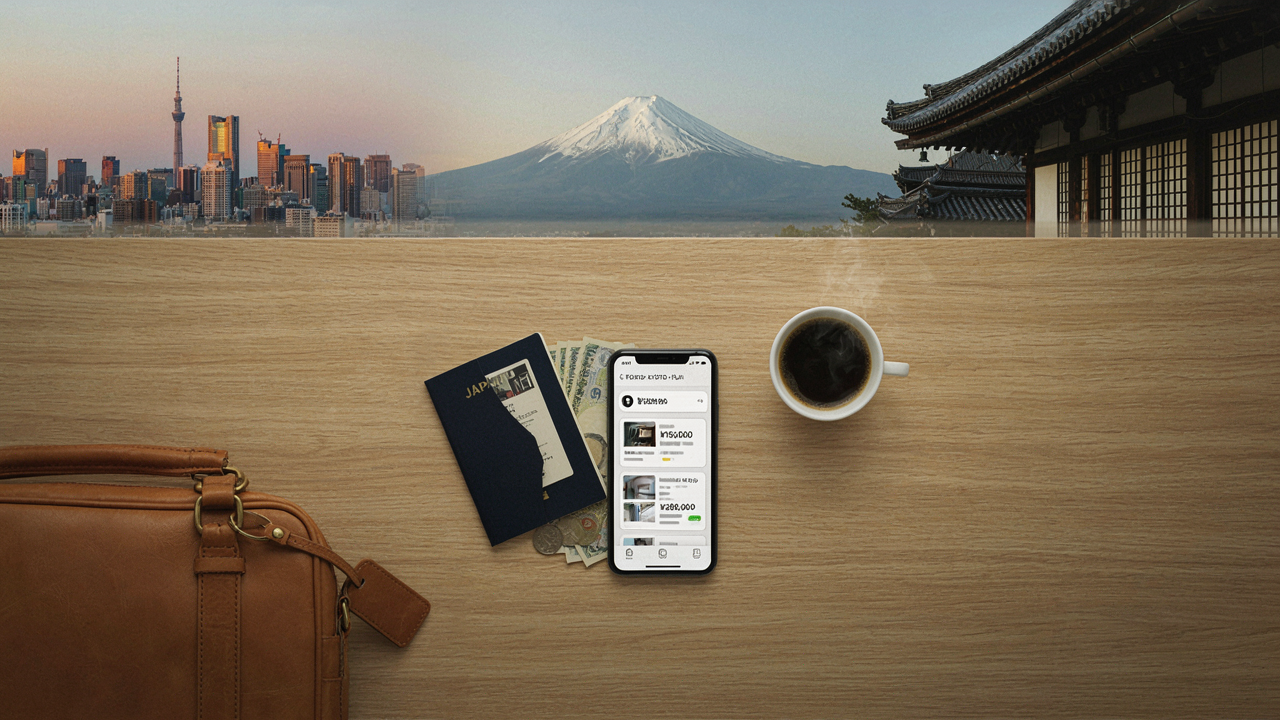
The cost of Japan Tours & Holidays can vary greatly depending on your travel season, hotel category, transportation, dining choices, and activities.
Accommodation
Travelers can choose from:
- Hostels
- Budget hotels
- Business hotels
- Mid-range hotels
- Luxury hotels
- Traditional ryokan
- Onsen resorts
A ryokan stay can add a traditional element to your trip, while a modern city hotel may be more convenient for sightseeing.
Transportation
Your transportation budget may include:
- Airport transfers
- Local trains
- Subway fares
- Intercity trains
- Shinkansen tickets
- Buses
- Regional transportation
Do not automatically assume that a nationwide rail pass will save money. Compare the actual routes and fares for your itinerary before purchasing a pass.
Food
Japan has options for many budgets. Convenience stores can provide affordable meals and snacks, while restaurants range from casual noodle shops to high-end dining.
Tours and Activities
Costs can increase through:
- Private guides
- Organized day tours
- Theme parks
- Museums
- Special cultural experiences
- Scenic transportation
- Premium dining
Getting Around Japan: Trains, Shinkansen, IC Cards & Buses
Transportation is one of the most important parts of planning Japan Tours & Holidays.
Shinkansen
The Shinkansen connects major cities quickly and comfortably. It is especially useful for routes such as Tokyo–Kyoto and Tokyo–Osaka.
Local Trains
Local and regional trains are useful for city neighborhoods and shorter journeys.
IC Cards
Reloadable transportation cards can make many local journeys easier. Availability and usage rules can vary, so check current conditions before your trip.
Buses
Buses are important in areas where trains do not reach every attraction directly. Kyoto, mountain towns, and rural destinations may require a combination of trains and buses.
Taxis
Taxis can be convenient for short trips, especially when traveling with luggage or reaching locations away from major stations. They generally cost more than public transportation.
Expert Tip:
Do not judge a hotel only by its price. A hotel near a convenient train or subway station can save significant time during a busy itinerary.
Japanese Culture, Food & Unique Experiences
Japan becomes more rewarding when you slow down and experience more than famous landmarks.
Cultural Experiences
Consider adding:
- Tea experiences
- Traditional gardens
- Shrine and temple visits
- Kimono experiences
- Japanese crafts
- Local festivals
- Traditional performances
- Ryokan stays
Always follow local rules when visiting religious and cultural sites.
Japanese Food to Try
Do not limit yourself to sushi.
Try:
- Ramen
- Udon
- Soba
- Tempura
- Yakitori
- Okonomiyaki
- Japanese curry
- Onigiri
- Wagashi
- Regional seafood
Onsen Experiences
Hot spring towns provide a relaxing way to experience Japanese bathing culture. Visitors should learn and follow the specific etiquette of the facility before entering.
Traditional Neighborhoods
Historic areas can provide a quieter contrast to major shopping districts. Walk respectfully, avoid blocking entrances, and follow photography rules.
Expert Tips for Planning Japan Tours & Holidays
A few planning decisions can make a major difference.
Choose Your Main Cities First
Start with Tokyo, Kyoto, Osaka, or another region that matches your interests. Then add day trips.
Build Around Geography
Avoid unnecessary backtracking. Group destinations that are close together.
Reserve Popular Activities Early
Some restaurants, attractions, special experiences, and accommodations can become difficult to book during busy periods.
Allow Free Time
A schedule packed from breakfast until midnight can become exhausting. Leave space for wandering, shopping, food stops, and unexpected discoveries.
Travel Light
Moving between hotels with large luggage can be inconvenient. Pack practical clothing and consider luggage delivery services where available.
Learn Basic Etiquette
Simple habits such as keeping your voice down on trains, following queues, and respecting photography rules can make your trip smoother.
Check Weather Before Day Trips
Mountain and outdoor views can change quickly with weather conditions. Keep flexible alternatives.
Use Official Information
For visas, entry requirements, transportation rules, health information, and emergency guidance, rely on official government or transportation sources.
Common Japan Travel Mistakes to Avoid
Even experienced travelers can make mistakes when visiting Japan for the first time.
Visiting Too Many Cities
Trying to visit six or seven cities in one week may leave little time for meaningful sightseeing.
Ignoring Travel Time
A destination that looks close on a map may require multiple transportation connections.
Overpacking
Large suitcases can be difficult on crowded trains and small hotel rooms.
Assuming Everyone Speaks English
Major tourist areas often have useful English support, but communication can still be limited in some locations.
Forgetting Cash
Although card and digital payments are widely used, travelers should not assume every small business accepts every payment method.
Disrespecting Local Rules
Do not ignore signs about photography, restricted areas, queues, or religious-site behavior.
Overplanning Every Hour
A little flexibility can make a Japan holiday much more enjoyable.
Buying Transportation Passes Without Comparing Costs
Calculate your actual route before choosing a rail or regional pass.
Japan Tours & Holidays Checklist for U.S. Travelers
Use this checklist before leaving for Japan:
- Check passport validity and entry requirements
- Review current Japan entry information
- Book international flights
- Choose major destinations
- Reserve accommodation
- Plan airport transportation
- Check train routes
- Decide whether any rail or regional pass is useful
- Arrange travel insurance
- Prepare payment cards
- Carry a backup payment method
- Consider an eSIM or international phone plan
- Download useful maps and translation tools
- Save hotel addresses
- Check luggage policies
- Reserve popular attractions when necessary
- Research local customs
- Check weather forecasts
- Pack comfortable walking shoes
- Keep emergency contact information accessible
Japan Tours & Holidays Pros and Cons
| Pros | Cons |
| Excellent public transportation | Long journeys can still be tiring |
| Wide variety of destinations | Planning can feel complex |
| Excellent food choices | Popular seasons can be busy |
| Rich history and culture | Language barriers may occur |
| Safe and organized travel environment | Some rural areas have fewer services |
| Many hotel choices | Accommodation prices vary by season |
| Strong mix of city and nature | Weather can affect outdoor plans |
Suggested Internal Linking Opportunities
A travel website can strengthen this article with relevant internal links such as:
Japan Travel Guide → Link to a complete destination guide.
Tokyo Travel Guide → Use when discussing Tokyo attractions.
Kyoto Travel Guide → Link from the Kyoto section.
Osaka Travel Guide → Add within the Osaka section.
Mount Fuji Travel Guide → Link from the Fuji and Hakone section.
Japan 7-Day Itinerary → Link from the itinerary section.
Japan Packing List → Link from the checklist.
Best Time to Visit Japan → Link from the seasonal travel section.
Japan Travel Costs → Link from the budget section.
Japan Train Travel Guide → Link from the transportation section.
Japan Travel Tips for First-Time Visitors → Link from the expert tips section.
Things to Do in Tokyo → Link from the Tokyo section.
Things to Do in Kyoto → Link from the Kyoto section.
Japan Food Guide → Link from the food section.
Japan Travel Mistakes → Link from the mistakes section.
Suggested External Authority Sources
For accuracy and EEAT, consider citing or referencing authoritative sources such as:
- Japan National Tourism Organization (JNTO)
- Government of Japan
- Japan Customs
- Ministry of Foreign Affairs of Japan
- U.S. Department of State
- Japan Railways Group
- Official tourism organizations for Tokyo, Kyoto, Osaka, Hokkaido, and other destinations
- Official airport websites
- Official attraction and museum websites
- Official weather and disaster-preparedness sources
Use these sources for current entry rules, transportation information, seasonal conditions, local regulations, and official visitor guidance.
Frequently Asked Questions
How many days are enough for a Japan holiday?
Around 10 to 14 days is a useful starting point for a first trip. It gives travelers enough time to combine major destinations such as Tokyo, Kyoto, and Osaka without rushing every day.
What is the best month to visit Japan?
There is no single best month for every traveler. Spring is popular for blossoms, autumn is known for colorful foliage, summer offers festivals and greenery, and winter provides snow and skiing opportunities.
Are Japan Tours & Holidays expensive?
They can range from budget-friendly to luxury. Accommodation, transportation, dining, season, and organized activities have the biggest impact on the total cost.
Is Japan good for first-time international travelers?
Japan can be a practical destination for first-time international travelers because major cities have extensive transportation networks and many tourist services. Good preparation is still important.
Is Tokyo or Kyoto better for a first Japan trip?
They provide different experiences rather than the same type of vacation. Tokyo offers a huge modern city experience, while Kyoto is strongly associated with historic architecture, temples, gardens, and traditional culture.
Should I buy a Japan Rail Pass?
It depends on your itinerary. Compare the cost of individual tickets with available passes before purchasing.
What food should I try in Japan?
Start with ramen, sushi, tempura, udon, soba, yakitori, okonomiyaki, Japanese curry, and regional specialties. Convenience stores also offer many inexpensive snacks and meals.
Is Japan suitable for families?
Yes. Families can build trips around major cities, cultural attractions, interactive experiences, parks, and entertainment. The ideal itinerary depends on children’s ages and interests.
Can I visit Japan without speaking Japanese?
Yes, especially in major tourist destinations. However, learning a few basic Japanese phrases and using translation tools can make communication easier.
What should I pack for Japan?
Pack according to the season and itinerary. Comfortable walking shoes, adaptable layers, travel documents, payment options, and a practical day bag are useful for most trips.
Conclusion
Japan Tours & Holidays offer an exciting mix of modern cities, ancient traditions, beautiful landscapes, unforgettable food, and unique cultural experiences. From exploring Tokyo and Kyoto to seeing Mount Fuji, enjoying Osaka’s food scene, and discovering historic destinations, Japan has something for almost every type of traveler.
For a successful 2026 trip, plan your route around your travel time, budget, interests, and season. Choose a few key destinations instead of trying to cover the entire country, book popular experiences early when needed, learn basic local etiquette, and keep your itinerary flexible. With smart planning and an open mind, your Japan holiday can become an unforgettable adventure filled with experiences you will remember for years.
Read More:Japan Travel and Living Guide: Ultimate 2026 Guide to Visiting, Exploring & Living in Japan