
China is one of the world’s most diverse travel destinations, combining ancient history, modern cities, dramatic landscapes, famous food, and centuries-old traditions. From walking along the Great Wall near Beijing to seeing giant pandas in Chengdu and cruising through the karst scenery of Guilin and Yangshuo, the country offers experiences for almost every type of traveler.
These China highlights are especially useful for first-time visitors from the United States who want to understand where to go, what to see, how long to stay, and how to plan a smoother trip. China is enormous, so trying to cover everything in one vacation can quickly become exhausting. A better approach is to choose a few regions and build your itinerary around them.
This 2026 guide covers the most memorable places, cultural experiences, transportation options, food, planning tips, common mistakes, and practical advice for U.S. travelers. Entry requirements can change, so always verify the latest rules with official authorities before booking.
Quick Answer
The best China highlights include the Great Wall of China, Forbidden City, Tiananmen Square area, Shanghai skyline, Terracotta Army, giant pandas in Chengdu, Li River scenery, Zhangjiajie National Forest Park, the ancient city of Pingyao, Chinese cuisine, high-speed trains, traditional gardens, temples, and historic neighborhoods.
For a first trip, consider combining Beijing, Xi’an, Chengdu, and Shanghai. If you have additional time, add Guilin and Yangshuo for scenery or Zhangjiajie for dramatic mountain landscapes.
Quick China Travel Snapshot
| Travel Question | Quick Answer |
| Best for first-time visitors | Beijing, Xi’an, Chengdu, Shanghai |
| Best for history | Beijing and Xi’an |
| Best for modern city life | Shanghai |
| Best for pandas | Chengdu |
| Best for landscapes | Guilin, Yangshuo, Zhangjiajie |
| Best for food | Chengdu, Guangzhou, Shanghai, Xi’an |
| Ideal first trip | About 10–14 days |
| Best transportation | High-speed rail between major cities |
| Main planning priority | Visa/entry rules, transportation, hotels, payments |
| Best approach | Focus on 3–5 destinations rather than the entire country |
Best China Highlights for First-Time Visitors
China has thousands of attractions, but some destinations make especially strong choices for a first visit. They provide a mix of history, culture, food, scenery, and modern life.
Beijing: Start With Imperial China
Beijing is one of the most important stops for first-time travelers. The city combines imperial landmarks with modern neighborhoods and a huge selection of museums, parks, restaurants, and cultural attractions.
Top experiences include:
- Walking sections of the Great Wall
- Exploring the Forbidden City
- Visiting the Temple of Heaven
- Walking through historic hutongs
- Exploring traditional markets
- Trying Beijing-style dishes
- Visiting the Summer Palace
- Seeing modern Olympic architecture
Xi’an: Follow the Silk Road
Xi’an is famous for the Terracotta Army, but the city offers much more. Its ancient city wall, Muslim Quarter, pagodas, and historic atmosphere make it an excellent addition to a China itinerary.
Shanghai: Experience Modern China
Shanghai provides a completely different experience. The Bund, Pudong skyline, historic neighborhoods, gardens, museums, and modern shopping districts show how dramatically China’s cities have changed.
Chengdu: Slow Down and See Pandas
Chengdu is famous for giant pandas and Sichuan cuisine. It is also known for a relaxed lifestyle, tea houses, parks, and spicy food.
25 Must-See Places and Experiences in China
The following attractions and experiences can help you build a balanced itinerary.
| # | China Highlight | Best For |
| 1 | Great Wall of China | History and hiking |
| 2 | Forbidden City | Imperial history |
| 3 | Temple of Heaven | Culture and architecture |
| 4 | Summer Palace | Gardens and history |
| 5 | Beijing hutongs | Local atmosphere |
| 6 | Terracotta Army | Ancient history |
| 7 | Xi’an City Wall | Cycling and sightseeing |
| 8 | Shanghai Bund | City views |
| 9 | Pudong skyline | Modern architecture |
| 10 | Yu Garden | Classical gardens |
| 11 | Chengdu panda experiences | Wildlife |
| 12 | Sichuan cuisine | Food lovers |
| 13 | Guilin | Natural scenery |
| 14 | Yangshuo | River landscapes |
| 15 | Li River cruise | Scenic travel |
| 16 | Zhangjiajie | Mountains |
| 17 | Avatar-inspired landscapes | Photography |
| 18 | Pingyao Ancient City | Heritage |
| 19 | Hangzhou West Lake | Relaxation |
| 20 | Suzhou gardens | Classical culture |
| 21 | Hong Kong side trip | City and food |
| 22 | Traditional tea houses | Culture |
| 23 | Chinese markets | Local experiences |
| 24 | High-speed rail journey | Transportation |
| 25 | Regional Chinese cuisine | Food and culture |
You do not need to visit all 25. Instead, choose experiences that match your interests.
For example, a history lover might focus on Beijing and Xi’an, while a landscape-focused traveler could prioritize Guilin, Yangshuo, and Zhangjiajie.
Beijing China Highlights: Great Wall, Forbidden City & More

Beijing deserves at least three or four days on many first-time China itineraries.
The city’s greatest attraction is the Great Wall, but choosing the right section matters. Some sections are heavily visited and easier to access, while others offer a quieter experience and more challenging walking.
The Forbidden City is another essential stop. The enormous imperial complex helps visitors understand the scale and history of China’s former imperial capital.
Other Beijing Experiences
- Temple of Heaven
- Summer Palace
- Hutong neighborhoods
- Traditional tea houses
- Local markets
- Chinese cuisine
- Olympic Park
- Beijing museums
Beijing Planning Tip
Avoid packing every major attraction into one day. Beijing is spread out, and travel between attractions can take longer than expected.
A practical schedule might look like:
Day 1: Forbidden City and central Beijing
Day 2: Great Wall
Day 3: Temple of Heaven and hutongs
Day 4: Summer Palace and flexible sightseeing
Xi’an, Chengdu & Southwest China Highlights
Western and southwestern China offer some of the country’s most memorable experiences.
Xi’an
Xi’an is one of the strongest destinations for history lovers. The Terracotta Army is the headline attraction, but the city’s ancient wall and historic neighborhoods deserve time too.
Chengdu
Chengdu is ideal for travelers who want a combination of wildlife, food, and relaxed city experiences.
Giant pandas are the major attraction, while Sichuan cuisine provides another reason to visit.
Guilin and Yangshuo
The Guilin and Yangshuo region is famous for limestone mountains and river landscapes. A Li River journey can provide a slower contrast to China’s enormous cities.
Zhangjiajie
Zhangjiajie is another major nature destination. Its dramatic sandstone peaks and mountain scenery make it popular with hikers and photographers.
Shanghai China Highlights: Modern Skyline, Food & Culture
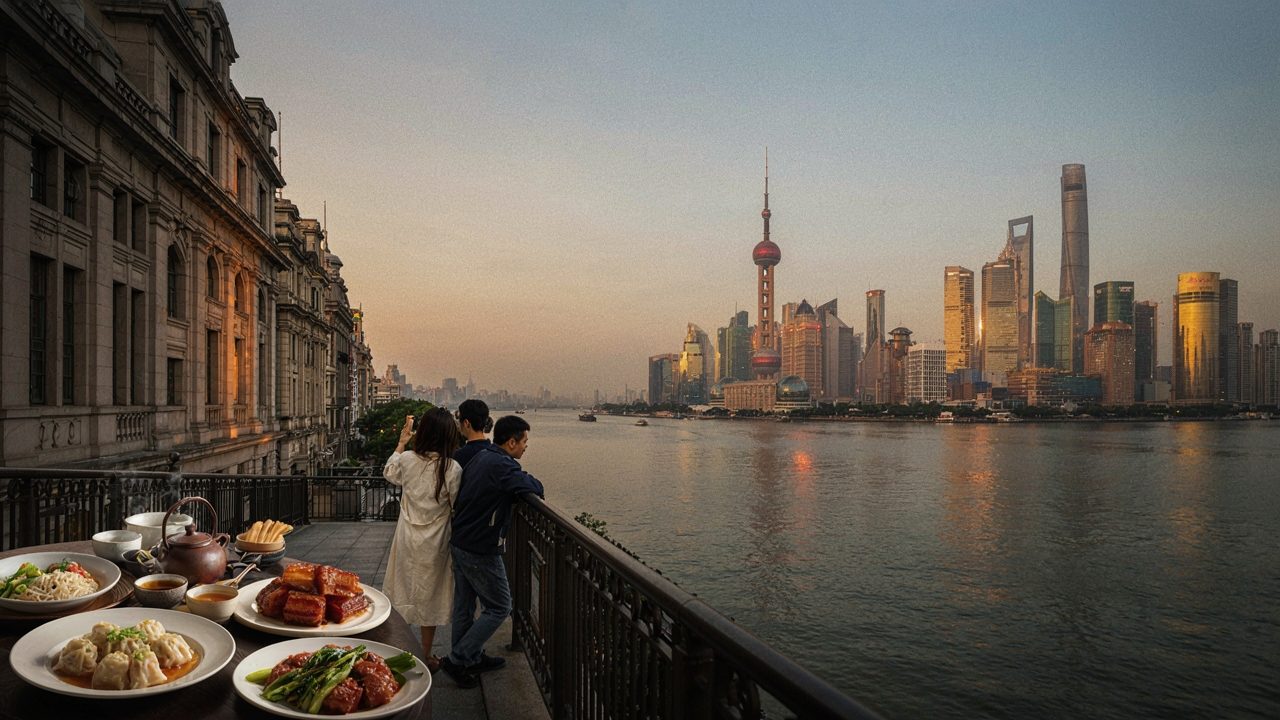
Shanghai is the place to experience a modern side of China.
The Bund provides some of the city’s most recognizable views, with historic buildings on one side and the futuristic Pudong skyline across the Huangpu River.
But Shanghai is more than skyscrapers.
Visitors can explore:
- Yu Garden
- Historic neighborhoods
- Local food streets
- Museums
- Art districts
- Riverfront areas
- Traditional tea houses
- Shopping districts
How Many Days in Shanghai?
Three days is a useful starting point for first-time visitors, although travelers interested in food, museums, architecture, and day trips can easily spend longer.
Shanghai also works well as the final stop on an itinerary because its international transportation connections make onward travel convenient.
Chinese Food: A Major Part of the China Highlights
Food should be part of your itinerary rather than an afterthought.
China has many regional food traditions, and dishes can vary dramatically from one city to another.
Regional Food to Explore
| Region/City | Foods and Flavors to Explore |
| Beijing | Peking duck and northern-style dishes |
| Xi’an | Hand-pulled noodles, dumplings, street foods |
| Chengdu | Sichuan dishes and spicy flavors |
| Shanghai | Xiaolongbao and regional specialties |
| Guangzhou | Dim sum and Cantonese cuisine |
| Guilin | Rice noodles and southern specialties |
| Yunnan | Rice noodles, mushrooms, and regional dishes |
Trying local food where it originated can be one of the most rewarding parts of China travel.
If you are sensitive to spice, learn a simple phrase for communicating your preference. Also keep an open mind: menus and dining styles may differ significantly from what you are used to in the United States.
Getting Around China: High-Speed Trains, Flights & Local Transport
Transportation is one of the most important parts of planning China highlights.
China has an extensive high-speed rail network, and trains can be especially useful when connecting major cities.
Foreign travelers can use valid passports for real-name railway ticketing, and China Railway’s English-language system provides ticket-related services.
Train vs. Plane
| Option | Best For | Advantages | Considerations |
| High-speed train | Major city connections | Comfortable, city-center stations | Tickets and schedules need planning |
| Domestic flight | Long distances | Saves time on very long routes | Airport transfers add time |
| Metro | Big cities | Affordable and efficient | Rush hours can be busy |
| Taxi/ride service | Short urban trips | Convenient | Language/payment planning helps |
| Walking | Historic areas | Free and flexible | Distances can be larger than expected |
China Train Tips
- Keep your passport information accurate.
- Arrive at major stations early.
- Check the station carefully because cities can have multiple stations.
- Save your booking details offline.
- Allow extra time during busy travel periods.
- Keep your passport available for identity checks.
For many itineraries, combining high-speed rail with one or two domestic flights can reduce unnecessary travel time.
China Travel Costs, Hotels & Trip Planning
China can support different travel budgets, but your total cost depends heavily on cities, hotel standards, transportation, activities, and travel season.
Typical Budget Categories
| Expense | Budget Approach | Mid-Range Approach | Higher-End Approach |
| Hotels | Simple guesthouses/hotels | Comfortable city hotels | Luxury hotels |
| Food | Local eateries | Mix of local and modern restaurants | Premium dining |
| Transport | Metro and trains | Trains + occasional flights | Private transfers + premium trains |
| Attractions | Major attractions | Attractions + guided visits | Private experiences |
| Activities | Self-guided | Small-group tours | Private tours |
Hotel Planning Tips
Stay close to public transportation when possible. A beautiful hotel far from the attractions can create extra travel time every day.
For first-time travelers, choosing a central neighborhood can make navigation easier.
When Should You Visit China?
Spring and autumn are popular choices because many destinations have comfortable weather. However, conditions vary greatly by region.
Summer can be hot in many cities, while winter can be very cold in northern China.
Always check the weather for each destination rather than relying on a single “best season for China.”
China Travel Tips for U.S. Visitors: Visa, Payments, Internet & Culture

U.S. travelers should prepare for some differences in travel systems and daily life.
Visa and Entry Requirements
Entry rules depend on nationality, purpose, destination, and current policies. For U.S. citizens traveling to mainland China, the U.S. State Department currently says that a tourist visa is generally required, with limited exceptions such as certain visa-free transit arrangements and specific Hainan rules. Policies can change, so verify current requirements before departure.
Do not assume that a visa policy applying to another nationality also applies to U.S. passport holders.
Payments
China’s payment environment can differ from the United States. Prepare your payment methods before traveling and confirm that your cards, apps, and accounts work for your planned trip.
Carry a backup payment method.
Internet and Apps
Some international websites and services may not work normally in mainland China. Research what services you will need before departure and prepare lawful, reliable alternatives where appropriate.
Language
English is common in major tourist areas, but you should not expect it everywhere.
Helpful preparation includes:
- Saving hotel names in Chinese characters
- Keeping addresses offline
- Using translation tools
- Learning basic Mandarin travel phrases
- Carrying your passport
- Saving emergency information
Cultural Etiquette
Simple courtesy goes a long way.
Be respectful at temples and historic sites, follow photography rules, avoid touching artifacts, and observe local customs.
The U.S. State Department also advises travelers to review local laws and security information before visiting China.
Expert Tips, Common Mistakes & China Travel Checklist
A successful China trip depends more on preparation than on trying to see everything.
Expert Tips for China Highlights
Choose a realistic number of cities.
Group destinations geographically.
Use high-speed trains for suitable routes.
Book popular attractions ahead when required.
Keep digital and offline copies of important documents.
Confirm entry rules before booking non-refundable travel.
Download useful travel tools before departure.
Learn a few basic Mandarin phrases.
Carry your passport when required for identification.
Leave free time in your itinerary.
Plan for different payment systems.
Check regional weather before packing.
Avoid changing hotels every night.
Give yourself recovery time after long flights.
Treat local food as part of the cultural experience.
Common China Travel Mistakes

Trying to See the Entire Country
China is huge. A two-week trip cannot realistically cover every major region.
Building an Overpacked Schedule
A schedule with five attractions every day may look impressive on paper but can become exhausting.
Ignoring Travel Time
Two cities may look close on a map but still require substantial travel time.
Booking Before Checking Entry Rules
Visa and entry policies can change. Check official sources first.
Relying on One Payment Method
Always prepare a backup.
Forgetting Offline Information
Internet access may not always work as expected. Keep essential hotel addresses, reservations, maps, and travel details available offline.
China Travel Checklist
Before You Leave
- Check passport validity
- Verify visa and entry requirements
- Purchase suitable travel insurance
- Book major transportation
- Reserve hotels
- Save hotel addresses in Chinese
- Prepare payment methods
- Download useful travel apps
- Save offline maps
- Check weather
- Make copies of important documents
During Your Trip
- Carry your passport when needed
- Arrive early for major train journeys
- Confirm station names
- Keep valuables secure
- Respect local customs
- Keep flexible time in your itinerary
- Check official updates if travel rules change
Suggested 10–14 Day China Itinerary
A first-time U.S. visitor can use the following structure as a starting point.
| Day | Destination | Suggested Focus |
| 1 | Beijing | Arrival and light sightseeing |
| 2 | Beijing | Forbidden City and historic center |
| 3 | Beijing | Great Wall |
| 4 | Beijing | Temple of Heaven and hutongs |
| 5 | Xi’an | Travel and city exploration |
| 6 | Xi’an | Terracotta Army |
| 7 | Chengdu | Arrival and food experience |
| 8 | Chengdu | Giant pandas and city |
| 9 | Shanghai | Arrival and Bund |
| 10 | Shanghai | Gardens and neighborhoods |
| 11 | Shanghai | Museums and local experiences |
| 12 | Flexible | Shanghai or nearby day trip |
| 13 | Flexible | Shopping, food, or rest |
| 14 | Departure | Fly home |
Want More Nature?
Replace some Shanghai time with Guilin and Yangshuo.
Want More History?
Spend additional time in Beijing and Xi’an.
Want More Mountains?
Add Zhangjiajie, but allow extra travel time.
Pros and Cons of Visiting China
| Pros | Cons |
| Huge cultural diversity | Long travel distances |
| World-famous historical sites | Entry rules can be complex |
| Excellent high-speed rail | Language barriers can occur |
| Outstanding regional cuisine | Digital services may differ |
| Modern cities | Some attractions can be crowded |
| Diverse natural scenery | Itinerary planning takes effort |
| Many different travel styles | Regional weather varies widely |
Suggested Internal Linking Opportunities
A travel website can strengthen this China article with relevant internal links to related guides.
Recommended Internal Links
- Best Places to Visit in Asia
- Asia Travel Guide
- Best Travel Destinations in the World
- International Travel Checklist
- Travel Packing Checklist
- How to Plan an International Trip
- Best Time to Travel in Asia
- High-Speed Train Travel Guide
- Travel Insurance Guide
- Japan Travel Guide
- South Korea Travel Guide
- Southeast Asia Travel Guide
- Best Things to Do in Hong Kong
- China Travel Itinerary Guide
- International Travel Tips for U.S. Travelers
Use descriptive anchor text rather than repeatedly linking the same phrase.
Suggested External Authority Sources
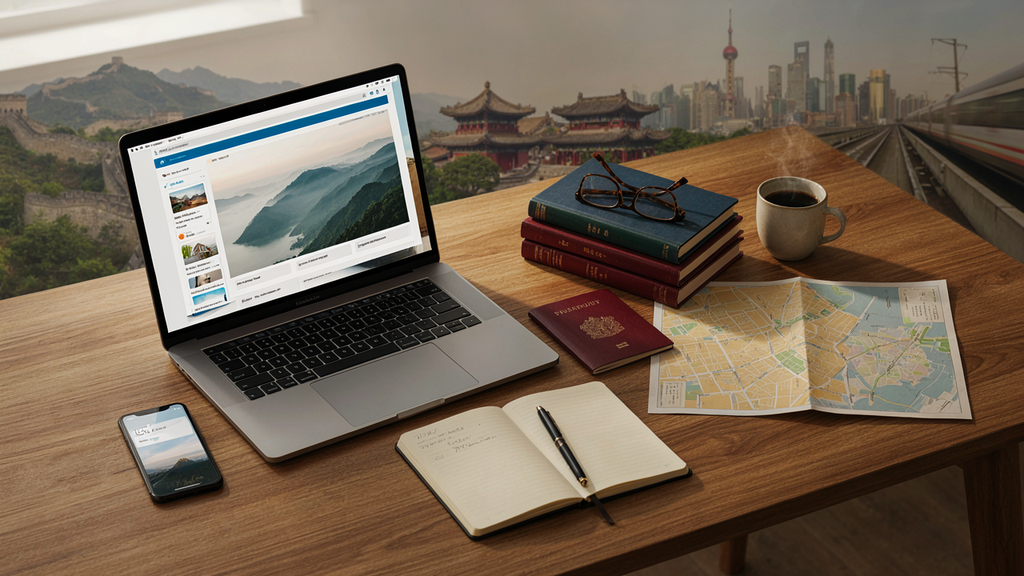
For EEAT and factual accuracy, consider referencing authoritative sources such as:
U.S. Department of State — China Travel Advisory and travel information
Embassy of the People’s Republic of China in the United States — visa and consular information
Chinese Visa Application Service Center — current visa and exemption notices
China Railway 12306 — official railway ticketing and passenger information
National Immigration Administration of China — entry and immigration information
China National Tourism Administration / official tourism authorities — destination information
CDC Travelers’ Health — health information for international travelers
WHO — international health guidance
Official travel requirements should always be checked close to the departure date because policies can change. For example, current Chinese visa-free policies for certain nationalities have been extended through December 31, 2026, but those policies do not automatically apply to U.S. passport holders.
Frequently Asked Questions About China Highlights
What are the best China highlights for first-time visitors?
The Great Wall, Forbidden City, Terracotta Army, Shanghai Bund, Chengdu pandas, Guilin landscapes, Chinese cuisine, and high-speed rail are among the most useful highlights to consider for a first trip.
How many days do you need to see China’s highlights?
About 10–14 days works well for a first trip focused on several major destinations. Longer trips allow you to add Guilin, Zhangjiajie, Hangzhou, Suzhou, or other regions.
Is China good for first-time international travelers?
China can be a rewarding destination, but first-time visitors should prepare carefully for language, transportation, payment systems, internet access, cultural differences, and entry requirements.
What is the best city to visit first in China?
Beijing is a strong starting point for travelers interested in history because it provides access to major imperial landmarks and the Great Wall. Shanghai is another useful starting point for travelers who prefer modern city experiences.
Is the Great Wall worth visiting?
Yes, the Great Wall is one of China’s most recognizable historic attractions and can be a major part of a first-time itinerary. Choose the section based on your preferred balance of accessibility, scenery, crowds, and walking difficulty.
Is high-speed rail easy for foreign travelers?
China Railway provides an English-language website and accepts valid foreign passports for real-name railway ticketing. Travelers should keep the same valid identification document available for the journey.
What food should you try in China?
Consider regional specialties such as Peking duck in Beijing, noodles and local street foods in Xi’an, Sichuan cuisine in Chengdu, xiaolongbao in Shanghai, and dim sum in Guangzhou.
Do U.S. citizens need a visa for China?
Generally, yes, for mainland China tourism, although limited exceptions exist. Current rules should be checked directly with official Chinese authorities and the U.S. State Department before travel.
What should Americans know before visiting China?
U.S. travelers should research entry requirements, payment options, internet access, transportation, local laws, language needs, travel insurance, and emergency information before departure.
What is the biggest mistake when planning China highlights?
The biggest planning problem is trying to fit too many destinations into one trip. Because China is geographically vast, a focused itinerary is usually easier to enjoy than a rushed country-wide schedule.
Conclusion
China offers far more than a list of famous landmarks. Its biggest appeal is the contrast between ancient history and modern life, enormous cities and peaceful landscapes, traditional food and innovative transportation. From the Great Wall and Forbidden City to the Terracotta Army, Chengdu pandas, Shanghai skyline, Guilin scenery, and regional cuisine, there are countless China highlights to explore.
For a first trip, resist the temptation to see everything. Choose a few destinations that match your interests, connect them with practical transportation, and leave enough time to enjoy each place. Most importantly, check current entry rules, transportation information, and official travel guidance before departure.
Whether your goal is history, food, nature, photography, culture, or a mixture of everything, thoughtful planning can turn a complicated China itinerary into an unforgettable journey.
Read More:Japan Tours & Holidays: Ultimate 2026 Guide to Amazing Trips, Tours & Smart Travel Tips