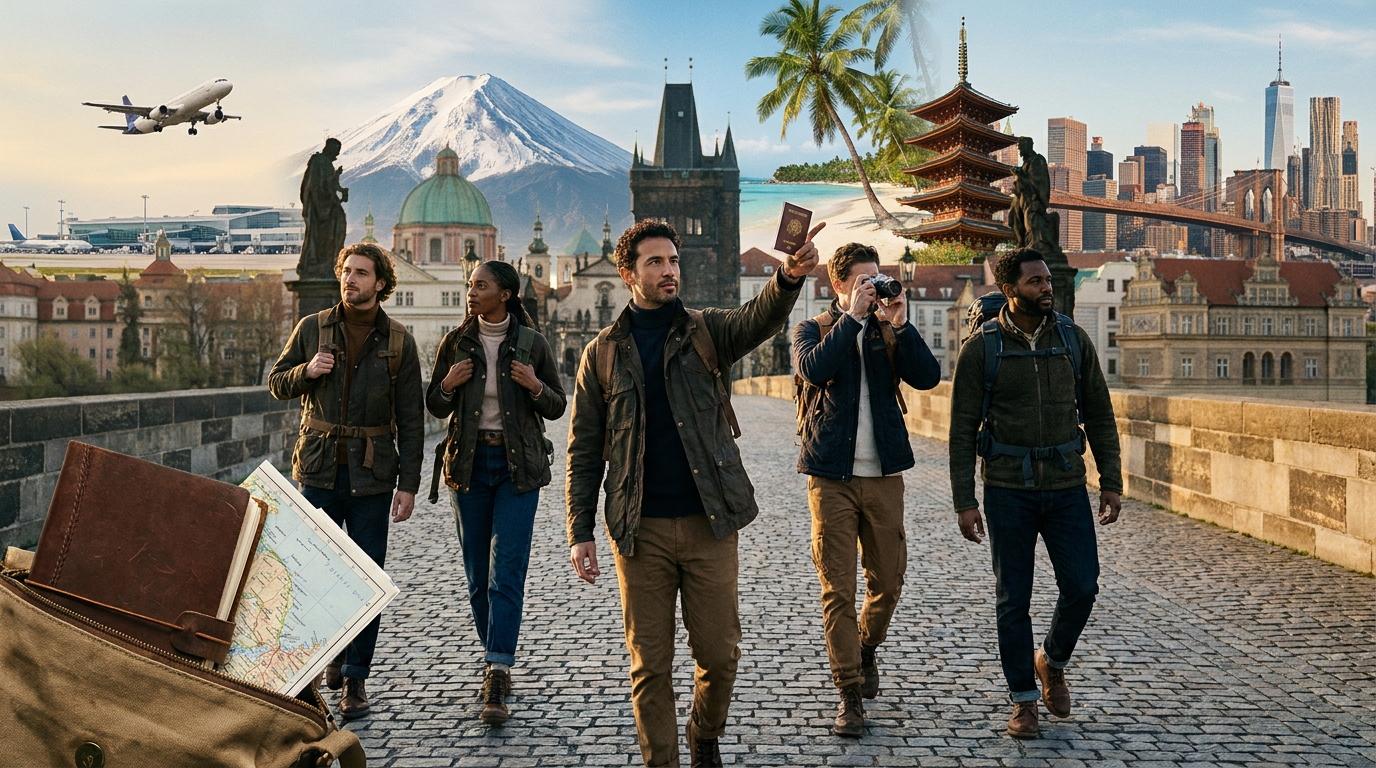
Planning a trip around the world can feel exciting and overwhelming at the same time. There are thousands of destinations, different cultures, changing weather, visa rules, transportation options, and travel costs to consider. A good World Travel Guide can make the process much easier by helping you choose where to go, when to visit, what to pack, and how to plan your budget.
Whether you are planning your first international vacation or dreaming about a multi-country adventure, this guide gives you a simple starting point. From famous cities and natural wonders to budget planning, travel safety, packing, and local experiences, you can use these tips to build a trip that matches your time, interests, and budget.
Quick Answer
A World Travel Guide is a practical resource that helps travelers research destinations, plan international trips, compare transportation and accommodation, understand local customs, estimate costs, organize itineraries, and prepare for travel.
For a successful international trip:
Choose your destinations.
Check entry and visa requirements.
Select the best travel season.
Create a realistic itinerary.
Set a daily and total budget.
Book transportation and accommodation.
Prepare travel documents.
Research local transportation and customs.
Pack according to the destination and season.
Keep emergency information available.
How to Choose the Best World Travel Destinations
Choosing destinations is one of the most exciting parts of international travel. Instead of selecting places only because they are popular online, think about what you actually want from your trip.
Ask yourself whether you prefer beaches, mountains, history, food, wildlife, museums, nightlife, road trips, adventure, or relaxing vacations. Your travel style should influence your destination list.
Popular Destination Types
| Travel Style | Destinations to Consider | Ideal For |
| Historic cities | Rome, Paris, Athens | History and architecture |
| Beaches | Maldives, Hawaii, Bali | Relaxation |
| Nature | New Zealand, Canada, Norway | Outdoor travelers |
| Food | Italy, Japan, Thailand | Food lovers |
| Adventure | Nepal, Costa Rica, New Zealand | Active travelers |
| Culture | Morocco, India, Japan | Cultural experiences |
| Family travel | Spain, Canada, Australia | Families |
| Budget travel | Vietnam, Thailand, Portugal | Cost-conscious travelers |
Look Beyond Famous Tourist Attractions
Popular attractions can be worth visiting, but smaller neighborhoods, local markets, parks, villages, and regional towns can provide a different experience.
A useful international travel strategy is to combine one or two major destinations with less crowded locations nearby.
How to Plan an International Trip Step by Step

A simple planning process can prevent many common travel problems.
Decide Your Travel Goal
Start by defining the purpose of your trip. You may want a relaxing vacation, cultural adventure, family holiday, business trip, backpacking experience, or combination of several travel styles.
Select Your Region
Instead of trying to visit too many countries, begin with one region. Europe, Southeast Asia, East Asia, North America, South America, Africa, and Oceania all offer different travel experiences.
Build a Flexible Itinerary
Avoid filling every hour with activities. Leave some free time for unexpected discoveries, transportation delays, rest, and spontaneous activities.
Research Entry Requirements
Before booking a non-refundable trip, check current passport, visa, entry, vaccination, and other requirements through official government sources.
Arrange Transportation
Compare flights, trains, buses, ferries, rental cars, and local transportation based on price, travel time, comfort, and convenience.
Best Time to Travel Around the World
There is no single best time to travel everywhere. Weather patterns vary greatly between countries and regions.
Before choosing your dates, research:
- Weather and seasonal temperatures
- Rainy and dry seasons
- Peak tourist periods
- Major festivals
- School holidays
- Hotel prices
- Flight prices
- Local events
- Seasonal transportation
Peak Season vs. Shoulder Season vs. Low Season
| Travel Period | Advantages | Possible Drawbacks |
| Peak season | Better weather in many destinations | Higher prices and crowds |
| Shoulder season | Balance of weather and price | Some services may have limited schedules |
| Low season | Lower prices and fewer tourists | Weather may be less predictable |
For many destinations, shoulder season can offer a useful balance between cost, weather, and crowd levels.
How to Create a World Travel Budget
A travel budget should include more than the price of your flight and hotel.
Major Travel Expenses
| Expense | What to Include |
| Flights | International and regional flights |
| Accommodation | Hotels, hostels, rentals |
| Food | Restaurants, groceries, snacks |
| Transportation | Trains, buses, taxis, rental cars |
| Attractions | Museums, tours, activities |
| Insurance | Travel insurance |
| Documents | Visas and required fees |
| Shopping | Souvenirs and personal purchases |
| Emergency fund | Unexpected expenses |
Use a Daily Travel Budget
A daily budget can make spending easier to manage.
For example:
Daily budget = accommodation + food + transportation + activities + small extras
You can then multiply the daily estimate by the number of travel days and add major one-time costs such as international flights.
Build an Emergency Buffer
Keep extra money available for unexpected transportation, medical needs, replacement documents, weather disruptions, or changes to your itinerary.
World Travel Guide to Transportation

Transportation can strongly affect both your travel budget and your experience.
International Flights
For long-distance travel, compare different airports, dates, airlines, baggage rules, and connection options. A cheaper ticket is not always cheaper after baggage and transportation costs are added.
Trains
Trains can be an efficient option in regions with strong rail networks. They may also provide more comfortable city-to-city travel than short flights.
Buses
Buses are often useful for shorter regional journeys and can sometimes provide budget-friendly alternatives.
Rental Cars
Cars can be helpful for rural destinations, national parks, and road trips where public transportation is limited.
Ferries
Ferries can be important in island destinations and coastal regions.
| Transportation | Best For | Watch For |
| Flight | Long distances | Baggage and airport time |
| Train | Regional travel | Schedules and reservations |
| Bus | Budget routes | Longer travel times |
| Rental car | Road trips | Fuel, insurance, parking |
| Ferry | Islands and coastal routes | Weather and schedules |
International Travel Packing Guide
Smart packing can make international travel much easier.
Instead of packing everything you own, create a list based on destination, weather, activities, and trip length.
Essential Travel Items
- Passport
- Required visas or travel authorizations
- Travel insurance information
- Flight and accommodation details
- Payment cards
- Some emergency cash
- Phone and charger
- Universal travel adapter
- Essential medications
- Comfortable clothing
- Weather-appropriate footwear
- Reusable water bottle where appropriate
- Important contact information
Use the 3-Question Packing Test
Before adding an item, ask:
Will I definitely use it?
Can I buy it easily at my destination?
Does it work with my planned activities?
If something is bulky and unlikely to be useful, leave it behind.
Travel Safety and Health Tips
Travel safety begins with preparation. Research your destination before leaving and understand local laws, transportation systems, emergency services, and common travel risks.
Basic Safety Practices
- Keep copies of important documents.
- Store emergency contact information securely.
- Use reputable transportation providers.
- Pay attention to local warnings.
- Protect your valuables.
- Avoid displaying large amounts of cash.
- Learn basic local emergency numbers.
- Share your itinerary with someone you trust.
- Check official travel advisories before departure.
Food and Water
Food and water standards vary around the world. Research local guidance and use sensible precautions, especially when visiting destinations where water safety differs from what you are used to.
Travel Insurance
Travel insurance may help with certain unexpected situations depending on the policy. Read the policy carefully before buying it so you understand exclusions, limits, and claim requirements.
Understanding Culture, Customs, and Responsible Travel

One of the best parts of global travel is learning how other communities live.
Different countries may have different expectations about clothing, photography, greetings, personal space, religious sites, tipping, dining, and public behavior.
Responsible Travel Tips
Respect local customs. Research basic etiquette before arriving.
Support local businesses. Consider independent restaurants, local guides, family-run accommodations, and community businesses.
Protect natural areas. Follow park rules and avoid damaging wildlife habitats.
Ask before taking photographs. This is especially important when photographing people or culturally significant places.
Avoid unnecessary waste. Reusable travel items can reduce single-use waste.
Responsible tourism is not about being perfect. It is about being thoughtful and understanding that you are visiting someone else’s community.
Expert Tips for Planning a World Travel Adventure
Experienced travelers often focus on flexibility rather than trying to control every detail.
Expert Travel Tips
Don’t overpack your itinerary. More destinations do not always create a better trip.
Research transportation between cities. A beautiful itinerary can become stressful if connections are difficult.
Keep digital copies of important documents.
Learn a few basic local phrases.
Check baggage rules before flying.
Book critical transportation in advance when demand is high.
Keep some flexibility in your schedule.
Research local payment methods.
Use official sources for visa and entry information.
Have a backup plan for important travel days.
A Simple 80/20 Travel Planning Method
Spend most of your research time on the decisions that can significantly affect your trip:
- Destination
- Travel dates
- Entry requirements
- Transportation
- Accommodation
- Budget
You can decide many smaller activities after arriving.
World Travel Checklist for U.S. Travelers
U.S. travelers should prepare important documents and practical details before leaving the country.
Before Booking
- Choose your destination.
- Research the best season.
- Estimate the full trip cost.
- Check passport validity.
- Research entry requirements.
- Compare transportation options.
- Review travel insurance options.
Before Departure
- Confirm flights.
- Confirm accommodation.
- Download useful maps.
- Save important addresses.
- Notify your bank or review card travel settings if required.
- Organize medications and essential items.
- Make copies of important documents.
- Check official travel advisories.
At the Airport
- Arrive with enough time.
- Keep travel documents accessible.
- Confirm baggage rules.
- Keep essential items in your carry-on.
During the Trip
- Follow local laws.
- Respect local customs.
- Monitor your spending.
- Keep important documents secure.
- Stay aware of transportation schedules.
Common Travel Mistakes to Avoid
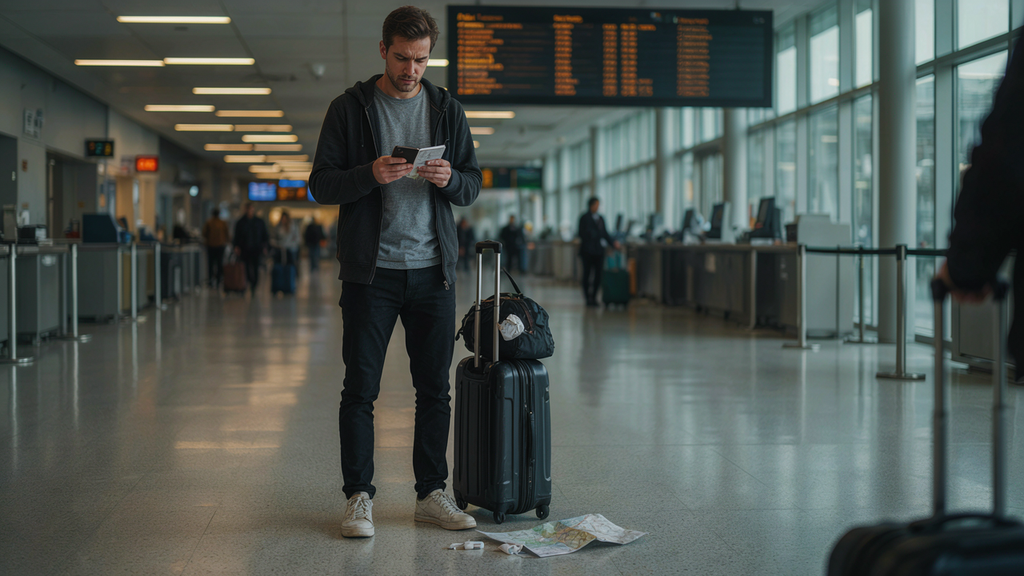
Even experienced travelers can make planning mistakes.
Trying to Visit Too Many Places
Moving every one or two days can make a trip exhausting. Give yourself enough time to experience each destination.
Ignoring Transfer Time
A flight, train, or bus may look convenient on paper but become difficult when airport transfers, security, luggage, and delays are considered.
Booking Without Checking Cancellation Rules
Always understand cancellation and change conditions before paying.
Forgetting Local Transportation
A hotel may look affordable until you discover that getting there requires expensive transportation.
Not Checking Entry Requirements
Requirements can vary by nationality and destination. Verify current rules through official sources.
Overpacking
Heavy luggage can make trains, buses, stairs, and city walking much harder.
Skipping an Emergency Plan
Keep important contacts and document copies available in case something goes wrong.
Pros and Cons of Using a World Travel Guide
| Pros | Cons |
| Makes trip planning easier | Too much information can become overwhelming |
| Helps organize destinations | Travel rules can change |
| Supports budget planning | Generic advice may not fit every traveler |
| Helps identify attractions | Popular places can become crowded |
| Provides packing and safety ideas | Personal research is still important |
| Makes itinerary planning faster | Some recommendations may become outdated |
The best approach is to use a travel guide as a starting point and verify time-sensitive information before making important bookings.
Suggested Internal Linking Opportunities
A travel website can strengthen topical authority by connecting this guide to related destination and travel-planning content.
Suggested internal links include:
- Top USA Destinations
- Best Travel Planning Tools
- International Travel Checklist
- Cheap Flights Guide
- Google Flights Guide
- Skyscanner Travel Guide
- KAYAK Travel Guide
- Hotels.com Travel Guide
- Expedia Travel Guide
- Best Travel Destinations for Families
- National Parks Travel Guide
- USA Road Trip Planner
- Travel Packing Checklist
- Travel Budget Planning Guide
- Best Time to Visit Popular Destinations
- America the Beautiful Pass Guide
- New York Travel Guide
- Florida Vacation Guide
- Johannesburg Travel Guide
- Vietnam Travel Guide
- Japan Travel Guide
These links can connect broad travel-planning content with specific destination and booking guides.
Suggested External Authority Sources

For factual travel information, use trusted sources such as:
- U.S. Department of State — travel advisories and country information
- U.S. Customs and Border Protection — entry and border information
- Transportation Security Administration — airport security information
- Centers for Disease Control and Prevention — traveler health information
- National Park Service — U.S. national park information
- International Air Transport Association — aviation information
- Official tourism boards for individual countries and destinations
- Official immigration and government websites
- Official airline and airport websites
Important: Always verify current visa, entry, health, safety, transportation, and passport information from official sources because these details can change.
Frequently Asked Questions
What is the best World Travel Guide for first-time international travelers?
The most useful guide is one that combines destination research, entry requirements, transportation, accommodation, budgeting, packing, safety, and local culture information.
How do I plan a world trip on a budget?
Start by choosing affordable destinations, traveling during less expensive periods, comparing transportation, selecting suitable accommodation, and setting a daily spending limit.
How many countries should I visit on one trip?
There is no universal number. Focus on travel time and transportation. Visiting fewer destinations for longer periods can create a more relaxed experience.
What should I check before international travel?
Check passport validity, visa or entry requirements, travel advisories, health information, transportation, accommodation, insurance, and payment options.
What should I pack for international travel?
Pack your passport and documents, appropriate clothing, comfortable shoes, essential medication, chargers, an adapter, payment methods, and destination-specific items.
Is travel insurance necessary?
Travel insurance can provide coverage for certain unexpected situations depending on the policy. Review coverage, exclusions, limits, and claim requirements before purchasing.
How can I save money while traveling internationally?
Compare flights and accommodation, consider shoulder-season travel, use public transportation where practical, plan major expenses, and avoid unnecessary fees.
How can I make an international itinerary?
Choose your destinations, estimate travel time between them, select major activities, add rest periods, and keep some flexibility for unexpected changes.
How can I stay safe while traveling abroad?
Research your destination, follow local laws, protect your belongings, keep important documents secure, use reputable transportation, and maintain emergency contacts.
How can I travel more responsibly?
Respect local communities, support local businesses, protect natural areas, follow cultural guidelines, reduce waste, and avoid activities that harm wildlife or heritage sites.
Conclusion
Traveling the world becomes much easier when you have a clear plan, realistic budget, and the right information. This World Travel Guide can help you choose destinations, organize transportation, prepare your packing list, understand local customs, and avoid common travel mistakes. Whether you are planning a short international vacation or a longer multi-country adventure, good preparation can make your journey smoother and more enjoyable.
Before you book, always check current visa requirements, travel advisories, weather conditions, transportation schedules, and other important rules from official sources. Most importantly, leave room for flexibility and enjoy the experience beyond your itinerary. Choose your destination, create your plan, pack smart, and start turning your next travel dream into a memorable adventure.
Read More:The Free Worldwide Travel Guide That You Can Edit: Ultimate 2026 Guide to Custom Travel Planning