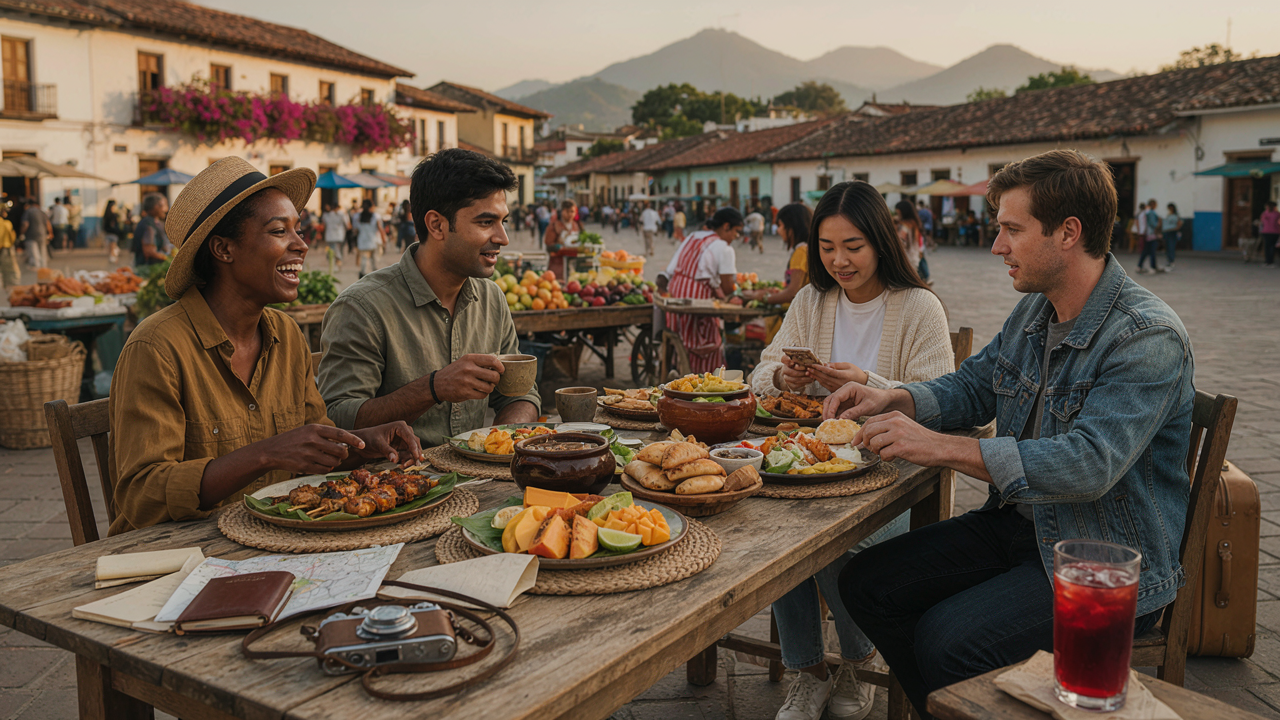
Travel becomes much more memorable when food is part of the journey. A destination is not only about famous landmarks, scenic views, and exciting activities. Local dishes, markets, cafés, bakeries, and family-owned restaurants can help travelers understand the culture and daily life of a place. This is why Travel and Food Guides are useful for anyone who wants to combine sightseeing with authentic food experiences.
For U.S. travelers, planning food experiences before a trip can also make travel easier. A little research can help you find local specialties, understand restaurant customs, manage your budget, and discover places away from crowded tourist areas. Whether you are planning a weekend city break, an international vacation, or a long road trip, food can become one of the highlights of your itinerary.
This guide explains how to plan food-focused trips, find authentic local cuisine, save money, stay safe, and build a practical travel food itinerary.
Quick Answer
Travel and Food Guides combine destination information with practical advice about local cuisine, restaurants, markets, food traditions, dining customs, and food-related experiences.
A good guide can help travelers answer questions such as:
- What foods should I try?
- Where can I find authentic local dishes?
- How much should I budget for food?
- What are common dining customs?
- Which foods are popular in this destination?
- How can I avoid tourist traps?
- What should I know about food safety?
- How can I include food experiences in my travel itinerary?
The best approach is to combine reliable travel information with local food research rather than relying on a single restaurant list.
Why Travel and Food Guides Matter for Modern Travelers
Food is closely connected to history, geography, culture, agriculture, and local communities. Trying regional food can therefore add another layer to a trip.
For example, a traveler visiting New Orleans may explore Creole and Cajun flavors, while someone traveling through Italy may build an itinerary around regional pasta, markets, bakeries, and traditional dishes.
Food guides are especially useful because restaurant choices can affect:
- Travel budgets
- Daily schedules
- Neighborhood selection
- Cultural experiences
- Dietary planning
- Family travel
- Accessibility
- Food safety
- Overall trip satisfaction
Instead of asking only, “What should I see?” travelers can ask, “What should I eat, where should I eat it, and why is it important to this place?”
Benefits of Combining Travel and Food Planning
| Travel Planning | Food Planning |
| Attractions | Local specialties |
| Hotels | Nearby restaurants |
| Transportation | Food markets |
| Activities | Cooking classes |
| Itineraries | Food tours |
| Budget | Meal costs |
| Culture | Dining traditions |
A combined approach can make an itinerary feel more complete and flexible.
How to Plan a Food-Focused Trip

A food-focused vacation does not require eating at expensive restaurants every day. The goal is to experience the food culture of a destination while keeping the trip practical.
Research the Destination
Start by learning what the destination is known for. Look beyond the most famous restaurant.
Research:
- Traditional dishes
- Regional specialties
- Local markets
- Popular neighborhoods
- Street food
- Bakeries
- Cafés
- Food festivals
- Farmers markets
- Cooking classes
For international travel, also research local dining hours and customs.
Choose Your Food Experiences
Create a short list rather than planning every meal.
For example:
Must try: One famous local dish
Must visit: A traditional market
Experience: A local cooking class
Flexible: Two or three recommended restaurants
Budget option: Local café or market meal
This gives you structure without making the trip feel like a strict schedule.
Match Food With Sightseeing
One of the easiest ways to improve a travel itinerary is to group restaurants and attractions by neighborhood.
If you plan to visit a historic district in the morning, look for lunch nearby instead of traveling across the city.
This saves time and transportation costs.
Leave Room for Discovery
Do not fill every meal with reservations. Some of the best food experiences may come from a small bakery, neighborhood café, market stall, or family-owned restaurant you discover while walking.
Best Types of Food Experiences for Travelers
There are many ways to explore food while traveling.
Local Restaurants
Restaurants are one of the simplest ways to experience regional cuisine. Look for establishments that have a strong connection to the local community.
Food Markets
Markets can provide a quick introduction to local ingredients, snacks, cooking styles, and everyday food culture.
Street Food
Street food can be affordable and culturally interesting. However, travelers should choose vendors carefully and pay attention to food handling and cleanliness.
Food Tours
Food tours can be useful for first-time visitors because a local guide can explain dishes, ingredients, neighborhoods, and traditions.
Cooking Classes
A cooking class can turn a meal into a hands-on cultural experience. You may learn how local ingredients are selected and how traditional dishes are prepared.
Bakeries and Cafés
Breakfast and coffee can be excellent ways to experience everyday local life without spending a lot.
Food Festivals
Food festivals can introduce travelers to many dishes in one location while also showcasing local music, traditions, and community events.
Finding authentic food is not always about finding the most famous restaurant.
Look Beyond Tourist Areas
Restaurants directly beside major attractions may be convenient, but they can also be designed primarily for visitors.
Explore residential neighborhoods and traditional commercial areas when practical.
Check Local Menus
A menu filled with dishes from many unrelated cuisines may not tell you much about local food culture. A smaller menu focused on regional dishes can sometimes be a useful clue.
Ask Locals for Ideas
Hotel staff, tour guides, shop owners, and other local residents may know neighborhood restaurants that are not heavily promoted online.
Visit Popular Markets
Busy markets can offer insight into what residents buy and eat. Go during normal local hours and observe how vendors and customers interact.
Research Regional Specialties
A country may have completely different food traditions from one region to another. Research the specific city or region rather than assuming the national cuisine is the same everywhere.
Travel and Food Guides for Budget Travelers
Food can become a major travel expense, but eating well does not always require a large budget.
Ways to Save Money on Food
| Strategy | Potential Benefit |
| Eat local | Often provides regional flavors |
| Visit markets | Can offer affordable meals |
| Choose lunch specials | May cost less than dinner |
| Stay somewhere with a kitchen | Useful for some meals |
| Eat breakfast locally | Can reduce daily costs |
| Avoid unnecessary tourist restaurants | May reduce meal prices |
| Carry simple snacks | Helps between activities |
| Mix restaurants with casual meals | Creates a flexible budget |
Use a Daily Food Budget
Before traveling, estimate:
- Breakfast
- Lunch
- Dinner
- Snacks
- Drinks
- Special experiences
For example, you could plan one special meal while keeping other meals casual.
This approach allows you to enjoy memorable dining without turning every meal into a premium expense.
Food Safety and Dietary Considerations
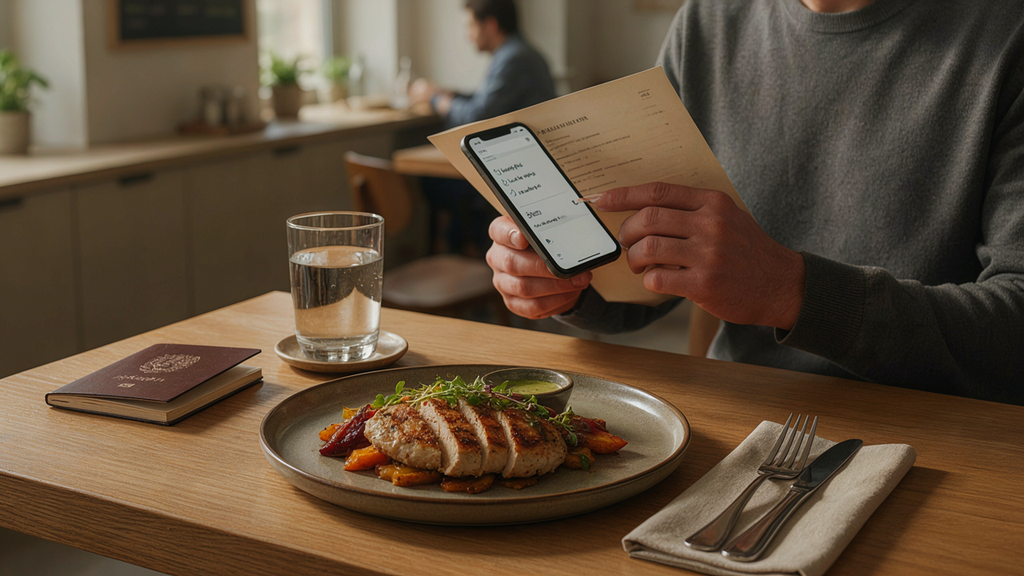
Food safety should be part of every food-focused travel plan.
Travelers should consider local conditions, personal dietary needs, allergies, and medical advice when deciding what to eat.
Practical Food Safety Tips
- Choose busy food businesses with good turnover.
- Pay attention to food temperature and storage.
- Be careful with foods that have been sitting out for long periods.
- Drink safe water according to local guidance.
- Wash your hands before eating.
- Carry necessary allergy information.
- Learn useful food-related phrases in the local language.
- Research local food safety guidance before international travel.
Travelers with serious food allergies should communicate clearly with restaurants and carry appropriate emergency medication prescribed for them.
Dietary Restrictions
If you follow a vegetarian, vegan, gluten-free, halal, kosher, low-allergen, or other diet, research restaurants before arriving.
Useful preparation includes:
Identify suitable restaurants.
Save their addresses.
Learn important food words.
Confirm ingredients when necessary.
Keep backup options.
Do not assume that a dish is safe simply because its name sounds familiar.
Expert Tips for Better Travel and Food Guides
A useful guide should balance inspiration with practical information.
Focus on Experiences
Instead of creating a huge restaurant list, organize recommendations around experiences.
For example:
- Best local breakfast
- Best market experience
- Best traditional dinner
- Best affordable meal
- Best food tour
- Best dessert experience
Include Different Budgets
Travelers have different budgets. A useful guide should include affordable, moderate, and special-occasion options.
Explain the Food
Do not simply name a dish. Explain what it is, what makes it regional, and how travelers commonly enjoy it.
Consider Location
Explain which neighborhood or area works best for each experience.
Update Information
Restaurants close, menus change, prices increase, and opening hours can change. Travelers should verify important details before visiting.
Respect Local Culture
Food traditions are part of local identity. Travelers should follow local dining customs and avoid treating unfamiliar traditions as entertainment.
Common Travel and Food Mistakes to Avoid
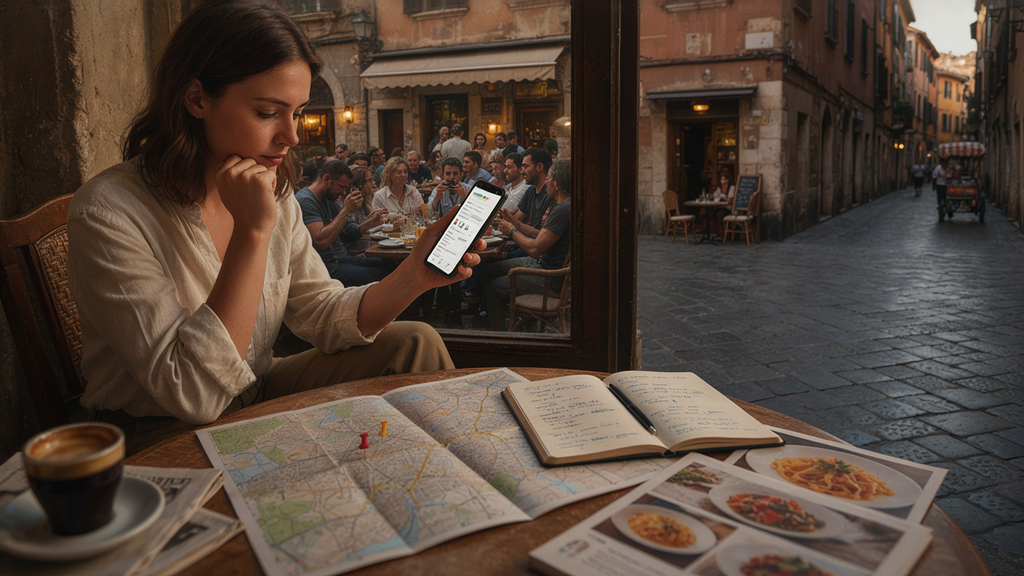
Even experienced travelers can make food-planning mistakes.
Planning Every Meal
A completely scheduled food itinerary can become stressful.
Better approach: Reserve only important or popular experiences and leave some meals flexible.
Eating Only Near Attractions
Convenience is useful, but travelers may miss neighborhood food culture.
Better approach: Explore beyond major tourist zones when it is practical and safe.
Ignoring Local Dining Times
Some destinations eat earlier or later than travelers expect.
Better approach: Research normal breakfast, lunch, and dinner hours.
Forgetting Food Costs
A traveler may budget carefully for hotels and flights but forget daily meals.
Better approach: Create a realistic food budget before departure.
Choosing Restaurants Only by Social Media
A popular social post does not always mean the restaurant matches your needs.
Better approach: Compare recent reviews, menus, location, price, and dietary suitability.
Ignoring Reservations
Some popular restaurants require advance booking.
Better approach: Reserve important dining experiences early.
Not Checking Ingredients
This can be especially important for travelers with allergies or dietary restrictions.
Better approach: Confirm ingredients and preparation methods when necessary.
Travel and Food Guide Checklist for U.S. Travelers
Use this checklist before your trip.
Before Departure
- Research local dishes.
- Identify regional specialties.
- Research food markets.
- Find restaurants in different price ranges.
- Check reservation requirements.
- Estimate daily food costs.
- Research dietary options.
- Learn important food phrases.
- Check official travel health information.
- Save important restaurant addresses.
During the Trip
- Try at least one local specialty.
- Visit a local market.
- Explore food outside tourist areas.
- Respect local dining customs.
- Keep your food budget updated.
- Stay flexible.
- Record favorite food experiences.
Before Returning Home
- Check food and customs rules for items you plan to bring home.
- Keep receipts where appropriate.
- Pack food according to applicable regulations.
- Save recipes or notes from cooking experiences.
Pros and Cons of Food-Focused Travel
| Pros | Cons |
| Creates memorable experiences | Can increase trip costs |
| Supports local businesses | Popular restaurants may require reservations |
| Helps travelers understand culture | Dietary restrictions can require planning |
| Adds variety to itineraries | Food safety needs attention |
| Can reveal hidden neighborhoods | Too much planning can reduce flexibility |
| Provides unique photo opportunities | Tourist-focused food experiences may be expensive |
The key is balance. Food should enhance your trip rather than control every part of it.
How to Build a 7-Day Travel and Food Itinerary
A simple weekly plan can combine sightseeing and food without becoming overwhelming.
| Day | Travel Focus | Food Focus |
| Day 1 | Arrival and neighborhood walk | Local casual dinner |
| Day 2 | Major attractions | Regional breakfast and dinner |
| Day 3 | Historic area | Traditional market |
| Day 4 | Museums or activities | Food tour |
| Day 5 | Day trip | Regional specialty |
| Day 6 | Flexible exploration | Cooking class or special meal |
| Day 7 | Shopping and departure | Local breakfast |
This structure gives travelers a mix of planned experiences and free time.
Internal Linking Opportunities for a Travel Website

A travel website can use Travel and Food Guides as a hub page and connect it with related content.
Suggested internal links include:
World Travel Guide → Link when discussing overall trip planning.
International Travel Guide → Link for passports, flights, and preparation.
USA Travel Guides → Link to domestic food destinations.
New York Travel Guide → Link when discussing food-focused city trips.
New Orleans Travel Guide → Link for Southern and Creole food experiences.
Road Trip Planner → Link for regional food road trips.
Budget Travel Guide → Link to food-saving strategies.
Travel Packing Checklist → Link to practical food-related packing.
National Park Travel Guide → Link for food planning during outdoor trips.
Hotel Booking Guide → Link when discussing hotels near restaurants and markets.
Travel Safety Guide → Link to general safety planning.
USA Travel Destinations → Link to destination-specific culinary guides.
A strong internal linking structure helps readers move naturally from broad travel planning to specific destinations and food experiences.
Suggested External Authority Sources
For factual travel and food information, consider consulting authoritative sources such as:
- U.S. Department of State — international travel information and country-specific guidance.
- Centers for Disease Control and Prevention (CDC) — travel health and food/water safety information.
- U.S. Food and Drug Administration (FDA) — food safety information.
- USDA — food safety and food-related guidance.
- National Park Service (NPS) — food and travel information relevant to U.S. national parks.
- Official tourism boards — destination-specific attractions, events, cultural information, and local experiences.
- Local government tourism agencies — regional travel and visitor information.
Always check the latest official information because travel requirements, health guidance, opening hours, and local rules can change.
Frequently Asked Questions
What are Travel and Food Guides?
Travel and Food Guides combine destination travel information with advice about local dishes, restaurants, markets, food traditions, dining customs, and culinary experiences.
How do I find authentic local food while traveling?
Research regional specialties, visit local markets, explore residential neighborhoods, ask trusted local sources, and compare restaurant menus and recent information.
How much should I budget for food when traveling?
Your food budget depends on the destination, travel style, number of travelers, and dining choices. Estimate breakfast, lunch, dinner, snacks, drinks, and special food experiences separately.
Should I make restaurant reservations before traveling?
Reservations can be useful for popular restaurants, special meals, food tours, and cooking classes. Casual restaurants and markets may not require advance booking.
Are food tours worth adding to a vacation?
A food tour can be useful for travelers who want local context and a guided introduction to regional dishes. Compare the itinerary, price, group size, duration, and included food before booking.
How can I save money on food while traveling?
Mix restaurants with markets, cafés, local casual meals, and other affordable options. Planning one or two special meals instead of expensive dining every day can also help.
What should travelers with food allergies do?
Research suitable restaurants, communicate allergies clearly, learn key local phrases, confirm ingredients when necessary, and follow your healthcare professional’s travel advice.
How can I avoid tourist food traps?
Research neighborhoods rather than focusing only on attractions. Compare menus, prices, recent reviews, and local recommendations before choosing a restaurant.
What is a good food-focused travel itinerary?
A good itinerary balances local restaurants, markets, traditional dishes, cafés, food experiences, sightseeing, free time, and your budget.
Can food be the main reason for a trip?
Yes. Culinary travel can center an entire trip around regional dishes, food festivals, markets, cooking classes, wineries or farms where appropriate, and local dining traditions.
Conclusion
Travel and Food Guides make it easier to turn an ordinary vacation into a richer cultural experience. By combining destination research with local cuisine, markets, restaurants, food traditions, and practical planning, travelers can experience more of what makes each place unique.
The best food-focused trips do not need to be expensive or perfectly scheduled. Research a few important experiences, keep your budget realistic, respect local customs, consider food safety, and leave enough room for unexpected discoveries.
Before your next trip, create a simple food checklist, choose a few must-try local experiences, and connect them with your sightseeing plans. Use this guide as your starting point, then build a travel and food itinerary that matches your destination, budget, and personal interests.
Read More:World Travel Guide: Ultimate 2026 Guide to Smarter Global Travel