
If you have searched for political news, international stories, or coverage of China, you may have come across The Epoch Times. The publication has grown from a small Chinese-language newspaper into a large international media organization with websites, newspapers, video content, and other forms of digital publishing.
But what exactly is The Epoch Times? Who founded it? What does it cover? Is The Epoch Times conservative or liberal? Is it reliable? And how should readers evaluate information published by the organization?
This guide to About The Epoch Times answers those questions in simple language. It looks at the publication’s history, mission, coverage, media positioning, strengths and limitations, and practical ways to evaluate its reporting. The goal is not to tell you what to think about the outlet, but to give you enough context to become a smarter media consumer.
Quick Answer
The Epoch Times is an international news and media organization founded in 2000. It began as a Chinese-language newspaper and later expanded into English and other languages. According to its own About Us page, the organization describes itself as an independent media company focused on journalism, traditional values, freedom of the press, and independent thought. It currently says it publishes in 22 languages across 35 countries.
The publication covers U.S. politics, world news, China, business, health, culture, lifestyle, science, and other subjects. However, readers should understand that media bias can vary by story, headline, topic, and opinion section. AllSides currently rates The Epoch Times as Lean Right, based on its 2025 editorial review, while also noting that many individual reports it examined were relatively neutral.
The best approach is not to accept or reject every article automatically. Instead, check the article’s sources, separate news reporting from commentary, compare important claims with independent outlets, and look for primary evidence.
About The Epoch Times: History and Background
The Epoch Times was founded in 2000. Its origins were connected to Chinese-language publishing and concerns about censorship and political conditions in China.
The organization’s own history says its early journalists and editors had experienced censorship and persecution in China. It says those experiences influenced its commitment to freedom of the press and independent journalism.
The English edition later became an important part of the organization’s expansion. AllSides reports that the English edition launched online in September 2003 and as a newspaper in New York in August 2004.
Over time, The Epoch Times expanded beyond its original Chinese-language audience. Today, its content reaches readers in multiple countries and languages.
Key Timeline
| Year | Development |
| 2000 | The Epoch Times was founded |
| 2003 | English-language online edition launched |
| 2004 | English newspaper edition launched in New York |
| 2010s | Digital and international expansion accelerated |
| 2020s | The publication became increasingly visible in U.S. political and digital media discussions |
| 2026 | The organization continues publishing international news and commentary |
The exact way people encounter The Epoch Times has also changed. A reader might see a traditional newspaper, website article, video, email newsletter, social-media post, or other digital content.
Who Founded The Epoch Times?
The publication was founded in 2000 by John Tang and other Chinese Americans, according to AllSides’ current source profile. AllSides also identifies John Tang as the CEO and says The Epoch Times is owned by Epoch Media Group.
The organization’s early development was closely connected with Chinese immigrants and people concerned about censorship in China.
This history is important because it helps explain one of the publication’s long-standing editorial interests: China and the Chinese Communist Party (CCP).
The Epoch Times has maintained a strongly critical position toward the Chinese Communist Party. That focus is one of the defining characteristics of its identity as a media organization.
At the same time, readers should distinguish between the publication’s institutional history and the reliability of an individual article. A publication can have a clear editorial perspective while still publishing individual stories that vary in quality.
Why Its Origins Matter
Understanding a news organization’s history can help readers recognize:
- What subjects it may prioritize
- Which issues it considers important
- Why certain countries or governments receive extensive coverage
- How its editorial identity developed
- Why different audiences may perceive the publication differently
Historical context does not automatically prove that an article is correct or incorrect. It simply gives readers useful background.
What Does The Epoch Times Cover?
One of the most common questions about The Epoch Times is what subjects it actually covers.
The answer is broad. The publication operates as a general-interest news organization rather than focusing on only one category.
Typical areas include:
U.S. Politics
Political coverage is one of the most visible parts of the U.S. edition.
Articles may discuss:
- Presidential politics
- Congress
- Federal policies
- Elections
- Immigration
- Courts
- Government agencies
- Political debates
- Public policy
Readers should pay attention to whether an article is straight reporting, analysis, or opinion.
China and International Affairs
China remains a major subject.
Coverage can include:
- Chinese government policy
- U.S.-China relations
- International trade
- Human rights
- Military and geopolitical issues
- Chinese economic developments
- Taiwan and regional security
- Chinese Communist Party policy
This subject area is particularly important when evaluating the publication because its historical opposition to the CCP can influence how stories about China are framed.
Business and Economy
The publication also covers economic issues such as:
- Inflation
- Interest rates
- Markets
- Businesses
- Jobs
- Government economic policies
- Consumer issues
For financial decisions, readers should always check original government data, company filings, and reputable financial reporting rather than depending on one news article.
Health and Science
Health and science topics can require especially careful reading.
When an article discusses:
- Medical research
- Public health
- New treatments
- Nutrition
- Disease
- Scientific studies
look for the underlying research and the qualifications of people quoted in the article.
Culture and Lifestyle
The Epoch Times also publishes content beyond hard news. Its official site describes areas connected to culture, tradition, lifestyle, and related subjects.
These sections may appeal to readers interested in:
- Arts
- History
- Family
- Food
- Travel
- Culture
- Traditional values
- Personal interests
Is The Epoch Times Conservative, Liberal, or Independent?

This question requires a careful answer because media bias is not always the same across every article.
The Epoch Times describes itself as independent and says its journalism is intended to be free from political agendas, corporate influence, and government pressure. Its stated mission emphasizes fact-based journalism, tradition, integrity, and independent thought.
However, independent media-rating organizations can reach different conclusions about its editorial positioning.
AllSides Rating
AllSides currently rates The Epoch Times Lean Right. Its November 2025 editorial review involved six reviewers from the left, center, and right. AllSides said many stories were neutral but identified some right-leaning patterns in story selection and wording.
This is an important distinction:
A media-bias rating describes an organization’s observed editorial tendencies; it does not automatically determine whether every article is true or false.
Why Ratings Can Differ
Different organizations may use different:
- Samples of articles
- Time periods
- Reviewers
- Definitions of bias
- Scoring methods
- Editorial criteria
Therefore, readers should treat media-bias ratings as one piece of evidence, not a substitute for reading the article itself.
How Reliable Is The Epoch Times?
There is no simple yes-or-no answer that applies to every article.
A better question is:
“How reliable is this specific Epoch Times article, and what evidence supports its claims?”
That approach is more useful than labeling an entire publication as either completely trustworthy or completely untrustworthy.
Check the Author
Look for:
- Author’s name
- Professional background
- Reporting experience
- Whether the author cites sources
- Whether the article is labeled opinion or analysis
Check the Sources
Strong news reports often identify:
- Government documents
- Court records
- Academic research
- Official statistics
- Direct interviews
- Company filings
- Named experts
- Primary documents
Be cautious when an important claim depends entirely on anonymous statements or vague references.
Check the Date
News changes quickly.
An article from several years ago may still appear in search results even though:
- Laws have changed
- Officials have changed
- New evidence has emerged
- Statistics have been updated
- A court case has progressed
Always check the publication or update date.
Compare With Independent Sources
For major claims, compare reporting from multiple organizations.
For example, if an article discusses a new U.S. government policy, you can compare it with:
- The relevant government agency
- Court documents
- Congressional records
- Reuters
- Associated Press
- Other established news organizations
This method helps you identify missing context or disputed claims.
The Epoch Times and Media Bias: What Readers Should Know
Media bias can appear in several ways. It is not limited to obviously political language.
Common forms include:
Story Selection
A news organization chooses which stories to emphasize.
Two publications can report on the same day and choose completely different leading stories.
Headline Framing
The same event can be described with different emphasis.
A neutral headline might focus on what happened, while a more opinionated headline may emphasize who is responsible or why the event matters.
Word Choice
Certain words can influence how readers interpret a story.
For example, describing a political group as “activists,” “protesters,” or another term may create different impressions.
Omission
A story may be factually correct while leaving out important context.
That is why reading several sources can be useful.
Opinion Versus Reporting
This is one of the most important distinctions.
An opinion article is allowed to argue a position. A straight-news report generally has a different purpose.
Before judging a statement, determine whether it appears in:
- News
- Opinion
- Editorial
- Analysis
- Commentary
- Interview
The Epoch Times and Its Coverage of China

China has a particularly important place in understanding About The Epoch Times.
The publication’s origins are connected to Chinese-language journalism and opposition to censorship. Its own history states that freedom of the press and experiences involving censorship were central to its founding story.
The publication has remained highly critical of the Chinese Communist Party.
This can be useful for readers seeking reporting and perspectives on:
- Chinese government policy
- CCP leadership
- Human rights
- Political censorship
- U.S.-China relations
- Geopolitical competition
However, because the subject is closely connected to the publication’s institutional identity, readers should be especially careful about framing and source selection.
A good strategy is to compare major China-related claims with primary sources and reporting from organizations with different editorial perspectives.
Pros and Cons of Reading The Epoch Times
No news organization should be treated as the only source for every subject.
Here is a practical comparison:
| Pros | Cons |
| Covers a wide range of topics | Editorial perspective can influence story selection |
| Provides extensive China-related coverage | Readers may encounter strong political framing |
| Offers news, analysis, and opinion | News and commentary need to be distinguished |
| Available through multiple digital formats | Some claims should be independently verified |
| Publishes international content | Media-bias assessments place it on the right side of the political spectrum |
| Can expose readers to perspectives underrepresented elsewhere | One outlet cannot provide complete context on every issue |
The goal is not to avoid the publication automatically. Instead, use it as one source within a broader information diet.
How to Evaluate an Epoch Times Article Step by Step
If you find an article online, use this simple process.
Read the Entire Article
Do not judge a story only from its headline or social-media preview.
Identify the Article Type
Ask whether it is:
- News
- Opinion
- Commentary
- Analysis
- Interview
Find the Main Claim
What is the article actually saying?
Write the central claim in one sentence.
Locate the Evidence
Look for links, documents, quotations, statistics, studies, or named sources.
Check Primary Sources
Whenever possible, go directly to the original document.
Compare Coverage
Find at least two independent reports on major or controversial claims.
Look for Missing Context
Ask:
- What happened before this?
- What happened afterward?
- Is there another side?
- Is the claim disputed?
- Does the evidence support the headline?
Decide Carefully
After completing these checks, you can make a more informed judgment about the article.
Common Mistakes When Reading The Epoch Times

Readers can make mistakes with any news source, including The Epoch Times.
Judging Only by the Headline
Headlines are designed to attract attention. Read the complete article.
Treating Opinion as Straight News
Check the article label before evaluating its claims.
Assuming Every Article Has the Same Bias
Different reporters and sections can produce different styles of coverage.
Sharing a Claim Without Checking It
A dramatic claim should be verified before being repeated.
Ignoring Primary Sources
If an article references a government report, court decision, or scientific paper, try to examine the original source.
Using Only One Publication
Even high-quality journalism can contain errors or incomplete context.
Confusing Bias With Factual Accuracy
A source can have an editorial perspective and still report certain facts accurately. Likewise, an article can contain factual errors even if its viewpoint agrees with yours.
Expert Tips for Reading The Epoch Times
If you regularly read The Epoch Times, these habits can make your media research stronger.
Follow the Evidence
Focus on the evidence rather than whether you agree with the writer.
Separate Facts From Interpretation
A report may contain verified facts followed by analysis or interpretation.
Learn to recognize the difference.
Read Across the Political Spectrum
Comparing different perspectives can reveal:
- Missing context
- Different interpretations
- Disputed claims
- Different story priorities
Use Primary Sources
For important subjects, government websites, court records, scientific papers, company filings, and official statements can provide valuable first-hand evidence.
Check Corrections
Responsible journalism sometimes requires corrections. A correction does not automatically make a publication unreliable; what matters is whether errors are acknowledged and corrected.
Avoid Confirmation Bias
If an article agrees with your existing beliefs, that is exactly when you should be willing to check the evidence carefully.
Look Beyond Social Media
A social-media post may contain only part of an article. Go back to the original story and read it in full.
About The Epoch Times: Reader Checklist
Use this quick checklist whenever you read an important or controversial article.
News Evaluation Checklist
- Check the publication date.
- Identify the author.
- Determine whether it is news or opinion.
- Find the main claim.
- Identify the evidence.
- Check quoted sources.
- Look for primary documents.
- Compare major claims with independent sources.
- Watch for emotionally loaded language.
- Look for missing context.
- Check whether the information has been updated.
- Avoid sharing before verifying.
This checklist works not only for The Epoch Times but for almost every online news source.
Is The Epoch Times a Newspaper or a Digital News Organization?

It is both broader and more modern than the traditional idea of a newspaper.
The organization began with newspaper publishing but has expanded into a larger media operation.
Today, readers may encounter its content through:
- Online news articles
- Newspaper editions
- Digital video
- Interviews
- Newsletters
- Commentary
- Lifestyle content
- Cultural content
- Other digital media formats
The organization’s own About Us page describes it as an independent media organization and says it publishes in 22 languages across 35 countries.
This international reach helps explain why the brand appears in searches far beyond U.S. politics.
The Epoch Times vs. Traditional Mainstream News
It is tempting to divide media into “mainstream” and “alternative” categories, but that can oversimplify how journalism works.
A more useful comparison is to examine editorial approach, evidence, sourcing, transparency, and perspective.
| Factor | The Epoch Times | General Established News Outlets |
| International coverage | Yes | Yes |
| U.S. political coverage | Strong | Strong |
| China coverage | Particularly prominent | Varies |
| Opinion content | Yes | Often yes |
| Digital publishing | Extensive | Extensive |
| Editorial perspective | Frequently described as right-leaning by media-rating organizations | Varies by outlet |
| Primary-source checking | Should be evaluated article by article | Should be evaluated article by article |
| Best practice | Compare with independent sources | Compare with independent sources |
This table should not be interpreted as saying one category is automatically more accurate than another.
The quality of a specific article still matters.
Why The Epoch Times Has Become So Visible in U.S. Media
Several factors have helped increase the publication’s visibility.
First, the organization has expanded its digital publishing operations and international reach.
Second, it has developed a strong presence around political and cultural subjects that attract audiences interested in conservative or anti-communist perspectives.
Third, social and digital media have changed how readers discover news. People no longer need to subscribe to a physical newspaper to encounter a publication.
The result is that someone researching an issue online may discover The Epoch Times alongside much larger and older news organizations.
This visibility makes media literacy increasingly important. Readers should understand where information comes from before deciding how much confidence to place in it.
Suggested Internal Linking Opportunities for a Travel Website
If this article appears on a broad informational or travel website, use internal links naturally rather than forcing unrelated travel keywords.
Potential related articles include:
How to Research Travel Destinations Online
How to Evaluate Travel News and Travel Blogs
Best Travel Websites for Planning a Trip
How to Check Travel Advisories Before a Trip
How to Find Reliable Travel Information
Travel Safety Tips for First-Time Visitors
How to Compare Travel Guides and Reviews
Best Travel Planning Tools for U.S. Travelers
How to Research Hotels Before Booking
How to Verify Travel Information Online
For SEO, link from relevant phrases naturally. Avoid adding a travel link simply because it exists.
Suggested External Authority Sources
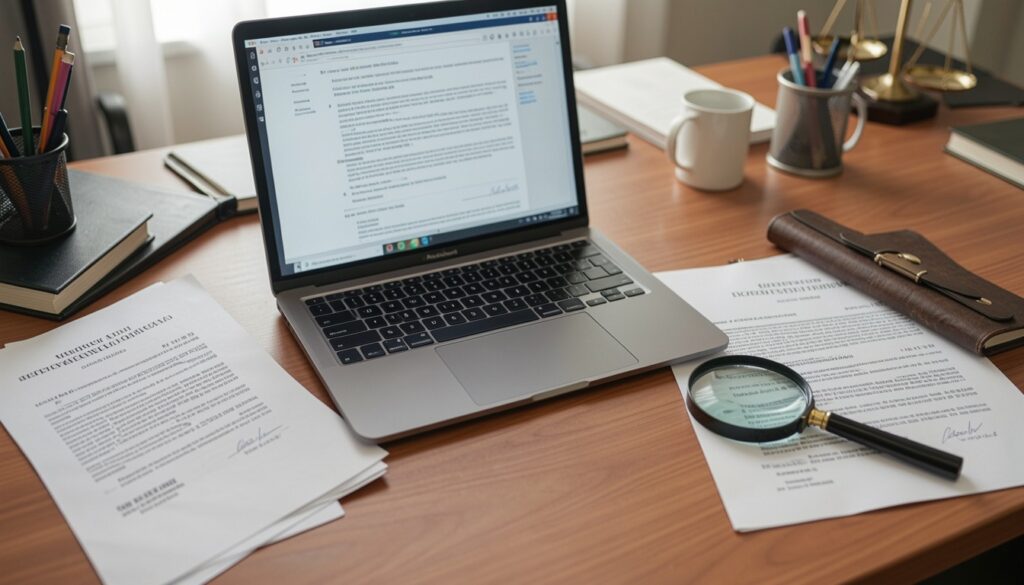
For a high-quality version of this article, consider citing or consulting authoritative sources such as:
- The Epoch Times official About Us page — for its own mission, history, values, and stated international reach.
- AllSides — for its current media-bias assessment and editorial review.
- Associated Press — for independent reporting used to cross-check major news claims.
- Reuters — for independent international and financial reporting.
- U.S. government agencies — for official policies, statistics, and public records.
- Federal courts and court documents — for legal claims and judicial decisions.
- Academic journals and research databases — for scientific and health-related claims.
- Society of Professional Journalists — for journalism ethics and professional standards.
The most important principle is to use the original source whenever possible, especially for statistics, legal documents, scientific research, and government announcements.
Frequently Asked Questions
What is The Epoch Times?
The Epoch Times is an international news and media organization founded in 2000. It began as a Chinese-language publication and later expanded into English and other languages. Its coverage includes U.S. politics, China, international affairs, business, culture, lifestyle, and other topics.
Who founded The Epoch Times?
The Epoch Times was founded in 2000 by John Tang and other Chinese Americans, according to AllSides’ current profile of the publication.
Is The Epoch Times conservative?
The publication describes itself as independent, but AllSides currently rates it Lean Right based on its 2025 editorial review. AllSides also reported that many of the stories it reviewed were relatively neutral, with right-leaning tendencies appearing particularly through story selection and some wording.
Is The Epoch Times reliable?
Reliability should be assessed article by article. Readers should check the author, evidence, sources, date, article type, primary documents, and independent reporting before accepting important claims.
Does The Epoch Times cover China?
Yes. China and the Chinese Communist Party have been important subjects throughout the publication’s history. Its founding background and stated commitment to issues involving censorship help explain this emphasis.
Is The Epoch Times a newspaper?
It began as a newspaper and later developed into a broader international media organization with online publishing and other forms of digital content.
Does The Epoch Times publish opinion articles?
Yes. Like many news organizations, its content includes different formats. Readers should distinguish reporting from commentary, analysis, and opinion.
Why do people debate The Epoch Times?
Debate often centers on its political perspective, China coverage, editorial framing, and relationship to broader media and political discussions. Readers can form a better judgment by examining specific articles and comparing their evidence with independent sources.
Should I use The Epoch Times as my only news source?
It is generally better to avoid relying on any single publication for every important subject. Comparing multiple reputable sources provides broader context and can help identify disagreements or missing information.
How can I evaluate an Epoch Times article?
Check the publication date, author, article type, sources, evidence, primary documents, wording, context, and independent coverage. This process helps you evaluate the specific article instead of judging the entire publication based on reputation alone.
Conclusion
Understanding About The Epoch Times means looking beyond its name and examining its history, coverage, editorial perspective, and sources. Founded in 2000, The Epoch Times has grown from a Chinese-language newspaper into an international media organization covering politics, world news, China, business, culture, and lifestyle.
Readers should remember that no single news outlet provides the complete picture on every topic. When reading The Epoch Times, check the article date, author, sources, evidence, and whether the content is news, analysis, or opinion. For important or controversial claims, compare information with primary documents and other reputable news organizations.
The best approach is to stay curious and think critically. Use The Epoch Times as one source among several, verify important claims, and make your own informed judgment. By following these simple habits, you can become a more confident and responsible news reader in 2026 and beyond.
Read More:Shop the latest trends at iconic brand names and discover new stores in the Oculus