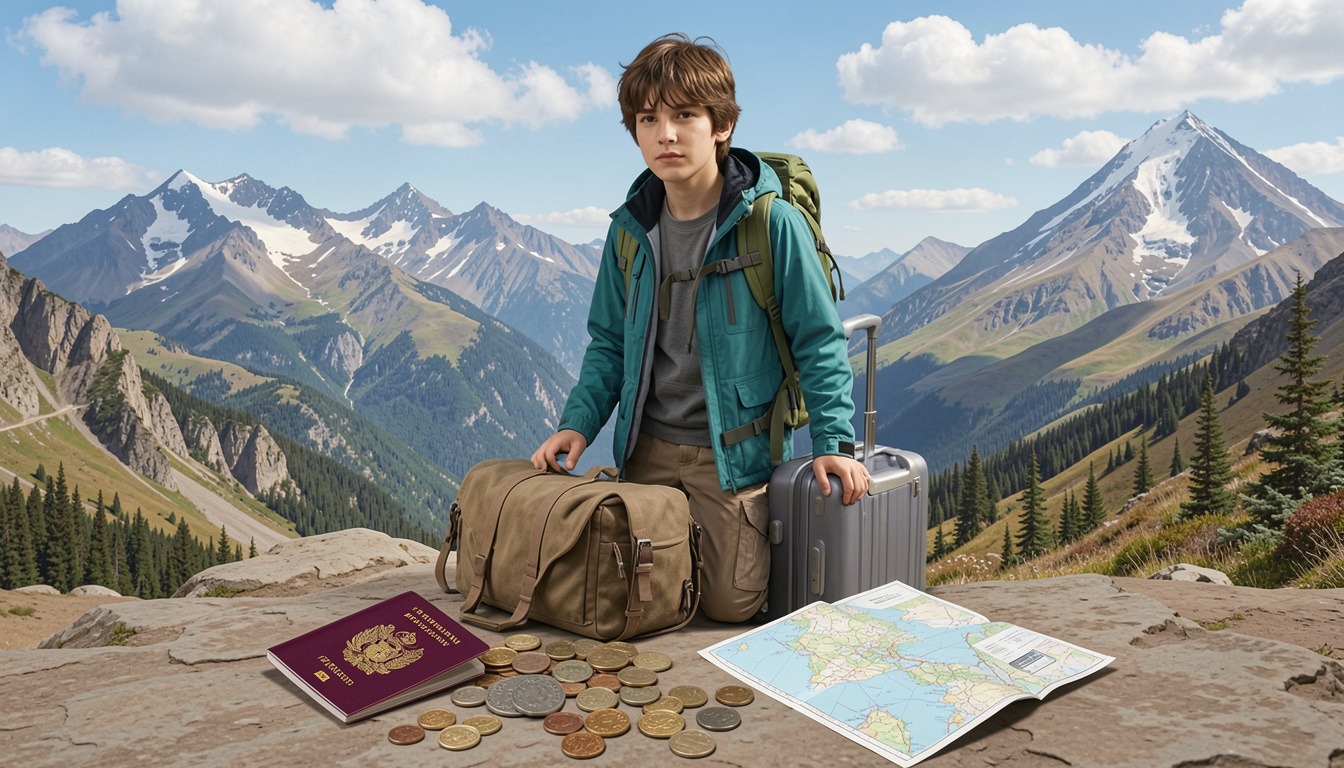
Travel can sometimes feel expensive before the journey even begins. Flights, hotels, rental cars, meals, attractions, insurance, and baggage fees can quickly turn an exciting vacation into a major financial commitment. That is why websites focused on practical budget travel can be useful for travelers who want memorable experiences without spending unnecessarily.
Big World Small Pockets stands out because it takes a value-focused approach to travel. Instead of treating budget travel as simply choosing the cheapest option available, the site emphasizes knowing when to save, when to spend, and how to make smarter decisions. Its founder, Steph Parker, describes the website as a resource built around affordable and meaningful travel, with practical destination information and money-saving advice.
The website covers destinations across Africa, Asia, Europe, Central America, South America, and other regions. It also includes guides about accommodation, transport, travel gear, insurance, working abroad, itineraries, and budget travel.
For American travelers planning a 2026 adventure, this guide explains how to use the Big World Small Pockets travel philosophy to plan smarter, spend carefully, and focus on experiences rather than unnecessary expenses.
Quick Answer
Big World Small Pockets is a travel website focused on helping people explore the world while spending wisely. Created by travel writer Steph Parker, the site covers budget travel, destination guides, practical travel advice, packing, transportation, accommodation, and ways to get better value from a trip. The website says its philosophy is about “good value travel,” rather than simply traveling as cheaply as possible.
For USA travelers, the biggest lesson is simple: you do not always need a huge travel budget to have a meaningful trip. Smart destination choices, flexible transportation, affordable accommodation, local food, and careful planning can make international travel much more achievable.
What Makes Big World Small Pockets Different?
Many travel websites concentrate on luxury hotels, famous attractions, or traditional vacation packages. Big World Small Pockets takes a different direction.
Its central idea is that travel should deliver value.
The website was created in 2015 and has developed around budget-conscious independent travel. Its founder says the goal is not simply to find the absolute cheapest option, but to help travelers spend wisely while still enjoying comfortable and memorable experiences.
That distinction matters.
For example, the cheapest hotel may be far outside a city and require expensive transportation. A slightly more expensive hotel near public transportation could actually save money overall.
Likewise, a cheap flight with several inconvenient connections may not provide better value than a reasonably priced nonstop flight.
The Big World Small Pockets philosophy
The main principles include:
- Spend thoughtfully rather than automatically spending less.
- Research destinations before booking.
- Compare transportation options.
- Look for affordable accommodation in useful locations.
- Travel independently when practical.
- Eat local food.
- Consider less-touristy destinations.
- Pack efficiently.
- Use realistic trip budgets.
- Focus on experiences instead of status.
This approach can work particularly well for USA travelers who want to stretch their international travel budget.
25 Smart Budget Travel Lessons Inspired by Big World Small Pockets

Focus on Value, Not Just Price
The cheapest option is not always the best option.
Think about the total cost of a decision. A budget hotel that requires expensive taxis may cost more than a centrally located property.
Ask:
What am I getting for the money I spend?
This simple question can improve almost every travel decision.
Choose Affordable Destinations
Destination selection has a major impact on your total travel budget.
Accommodation, food, transportation, activities, and daily expenses can vary dramatically between countries and cities.
Instead of starting with a destination that looks popular on social media, compare several options.
Travel During Shoulder Seasons
Peak travel periods often bring higher accommodation and transportation prices.
Shoulder seasons can offer a useful middle ground between peak-season weather and low-season prices.
For USA travelers, this can mean considering spring or fall trips instead of automatically traveling during major summer holidays.
Compare Transportation Carefully
Do not automatically choose a rental car.
Depending on the destination, trains, buses, ferries, walking, or local transportation may be easier and less expensive.
Consider:
- Ticket price
- Baggage costs
- Transfer time
- Airport transportation
- Parking
- Fuel
- Convenience
Stay Longer in Fewer Places
Moving every one or two days can become expensive.
Every relocation may involve transportation, luggage storage, check-in fees, and lost sightseeing time.
A slower itinerary can often provide better value.
Use Local Food Markets
Food can become one of the largest parts of a travel budget.
Local markets, bakeries, casual restaurants, food halls, and neighborhood cafés can provide memorable meals without the prices associated with tourist areas.
Look Beyond Famous Tourist Areas
Popular attractions can be worthwhile, but you do not need to spend your entire trip inside the most expensive tourist districts.
Explore neighborhoods, public parks, local markets, free museums, walking routes, and smaller attractions.
Research Accommodation Before Booking
Do not judge accommodation only by its nightly rate.
Check:
- Location
- Transportation access
- Taxes
- Resort fees
- Breakfast
- Wi-Fi
- Cancellation terms
- Kitchen access
- Luggage storage
Build a Realistic Daily Budget
A useful travel budget includes more than hotels and flights.
Include:
| Expense | What to Consider |
| Flights | Fare, baggage, seat fees |
| Accommodation | Nightly rate and taxes |
| Food | Meals, drinks, snacks |
| Transportation | Trains, buses, taxis, rental cars |
| Activities | Tours, museums, attractions |
| Insurance | Coverage and policy limits |
| Connectivity | SIM or eSIM |
| Emergency Fund | Unexpected expenses |
Pack Light
A lighter bag can make independent travel easier.
You may save on baggage fees and spend less time dealing with luggage during transfers.
A simple capsule-style travel wardrobe can also reduce unnecessary packing.
Research Public Transportation
Before arriving, understand how the local transportation system works.
Find out whether the destination uses:
- Metro systems
- Local buses
- Regional trains
- Ferries
- Airport trains
- Transportation passes
Knowing the system before arrival can prevent expensive last-minute decisions.
Use Free Attractions
You do not need to pay for every activity.
Look for:
- Public parks
- Historic neighborhoods
- Free walking routes
- Beaches
- Viewpoints
- Free cultural events
- Public markets
- Free museum days
Plan Around Experiences
Instead of asking, “How many attractions can I visit?” ask:
“What do I want to remember about this trip?”
That could be a hiking trail, local cooking class, cultural festival, scenic train ride, or quiet afternoon in a neighborhood café.
Research Before You Go
A few hours of research can prevent expensive mistakes.
Check transportation, local customs, weather, accommodation areas, attraction schedules, and entry requirements before leaving home.
Keep Your Itinerary Flexible
A detailed itinerary can be helpful, but overplanning can create unnecessary expenses.
Leave room for:
- Weather changes
- Local recommendations
- Rest days
- Delays
- Spontaneous discoveries
Consider Alternative Airports
USA travelers may sometimes find better fares by comparing nearby airports.
For example, depending on where you live, compare multiple departure airports rather than searching only your closest airport.
Always calculate the transportation cost to the alternative airport before deciding.
Compare Train, Bus, and Flight Options
A short flight may not always be the fastest overall option.
Airport transfers, security, boarding, baggage collection, and waiting time can add several hours.
For some routes, a train can offer better overall value.
Avoid Unnecessary Travel Fees
Watch for:
- Checked baggage
- Foreign transaction fees
- ATM charges
- Airport transfers
- Hotel fees
- Cancellation penalties
- Tourist-area markups
Small charges can add up quickly.
Travel More Slowly
Slow travel can reduce transportation costs and give you more time to understand a destination.
Instead of trying to see five cities in seven days, consider exploring two or three places properly.
Look for Off-the-Beaten-Path Destinations
Less-famous destinations can sometimes provide better value.
Big World Small Pockets frequently highlights destinations that offer interesting experiences without the same level of tourist demand found in major hotspots. Its destination coverage includes countries across Africa, Asia, Europe, and the Americas.
Use Destination-Specific Budgets
Do not assume every destination has the same cost structure.
Research:
- Average accommodation prices
- Local transportation
- Typical meals
- Attraction costs
- Common tourist fees
Check the Location of Your Hotel
A cheap hotel in an inconvenient area may not be cheap after all.
Calculate the expected daily transportation cost before booking.
Protect Your Travel Budget
Keep some money separate for emergencies.
Unexpected expenses can include:
- Transportation changes
- Replacement items
- Medical needs
- Delays
- Additional accommodation
- Lost luggage expenses
Review Travel Gear Before Buying
Not every travel gadget is essential.
Buy equipment because it solves a real problem, not because it is trending online.
Spend More on What Matters to You
Budget travel does not mean saying no to everything.
If a particular experience is important, make room for it.
For example, you might save on accommodation so you can spend more on a special excursion.
That is the essence of value-based travel.
Best Ways to Use Big World Small Pockets for Trip Planning
Big World Small Pockets can be used as a research tool rather than simply something to read for inspiration.
The site has destination categories and practical travel resources covering areas such as accommodation, transport, insurance, travel gear, guidebooks, and working abroad.
Choose Your Destination
Start with a destination that matches your interests and budget.
Research the Cost
Look for destination-specific budget information.
Build Your Itinerary
Combine major attractions with affordable or free experiences.
Research Transportation
Compare trains, buses, flights, ferries, and local transportation.
Choose Accommodation
Look for properties with good locations and practical amenities.
Create a Backup Plan
Have alternatives for transportation, accommodation, and activities.
Big World Small Pockets for USA Travelers

American travelers can use the site’s budget-travel philosophy for both international and domestic trips.
International Travel
The approach is especially useful when planning trips to regions where independent travel and local transportation can provide good value.
Potential research areas include:
- Europe
- Southeast Asia
- Africa
- Central America
- South America
The website’s destination directory currently includes countries across these regions.
Domestic USA Travel
The same principles work at home.
For a USA trip:
Compare multiple transportation options.
Avoid unnecessarily expensive tourist zones.
Look for free attractions.
Travel during less expensive periods.
Consider road-trip alternatives.
Compare hotels with vacation rentals when appropriate.
Set a daily food budget.
Budget Travel Destinations Worth Researching
Big World Small Pockets covers a wide range of destinations, including countries that can appeal to travelers looking for interesting experiences at different price levels.
Some destination categories worth researching include:
| Region | Example Destinations | Why Research Them? |
| Africa | Morocco, Tanzania, South Africa | Culture, wildlife, landscapes |
| Asia | Vietnam, Malaysia, Thailand | Food, culture, value |
| Europe | Portugal, Greece, Albania | History, cities, coastlines |
| Central/South America | Colombia, Ecuador, Peru | Nature and culture |
| Caucasus | Georgia, Armenia | History, scenery, food |
Costs vary significantly by city, season, travel style, and exchange rates, so treat these as starting points rather than guarantees of cheap travel.
Big World Small Pockets vs. Traditional Travel Planning
| Feature | Value-Focused Approach | Traditional Vacation Planning |
| Main Goal | Spend wisely | Convenience |
| Accommodation | Value and location | Hotel category |
| Transportation | Compare options | Often simplest option |
| Food | Local options | Tourist restaurants |
| Activities | Mix paid and free | Attraction-heavy |
| Itinerary | Flexible | Often fixed |
| Destination Choice | Value + interest | Popularity |
| Spending | Selective | Package-oriented |
The value-focused approach does not mean avoiding comfort. Instead, it encourages travelers to decide where their money creates the most benefit.
Pros and Cons of Using Big World Small Pockets
| Pros | Cons |
| Strong focus on budget travel | Not every recommendation will fit every traveler |
| Practical destination guides | Prices can change over time |
| Covers many international destinations | Some travelers prefer fully packaged vacations |
| Emphasis on real-world logistics | Independent planning requires more research |
| Useful packing and transportation advice | Personal travel style may differ |
| Encourages value rather than extreme saving | Some experiences still require a larger budget |
How to Build a Big World Small Pockets-Inspired Travel Budget

Start with your maximum trip budget.
Then divide it into categories.
Example Budget Framework
For a hypothetical international trip, you might divide your spending like this:
- 30–40% transportation
- 20–30% accommodation
- 15–20% food
- 5–15% activities
- 5–10% emergency and miscellaneous expenses
These are planning ranges, not fixed rules.
Your actual budget will depend on airfare, destination, trip length, season, accommodation style, and activities.
A simple formula
Total Trip Cost = Transportation + Accommodation + Food + Activities + Insurance + Miscellaneous + Emergency Buffer
This formula makes it easier to identify where your money is going.
Big World Small Pockets Travel Checklist
Use this checklist before booking your next trip:
- Choose a destination that fits your budget.
- Research the best time to visit.
- Compare transportation options.
- Check passport and entry requirements.
- Research accommodation areas.
- Compare total hotel costs.
- Create a daily food budget.
- Find free activities.
- Research local transportation.
- Purchase appropriate travel insurance.
- Check international card and ATM fees.
- Prepare backup payment options.
- Download important travel documents.
- Research local customs.
- Pack only useful essentials.
- Leave room for unexpected expenses.
- Save emergency contact information.
- Recheck prices before final bookings.
Common Mistakes Budget Travelers Make
Choosing the Cheapest Hotel
Price alone does not determine value.
Booking Too Many Activities
A packed itinerary can become expensive and exhausting.
Ignoring Transportation Costs
Your hotel may look cheap until you calculate daily transportation.
Traveling Only to Famous Destinations
Popular does not automatically mean better.
Forgetting Hidden Fees
Always check taxes, baggage charges, transportation fees, and cancellation conditions.
Overpacking
Too much luggage can create additional costs and inconvenience.
Having No Emergency Budget
Even well-planned trips can experience unexpected expenses.
Trying to Save on Everything
Extreme budget travel can reduce the quality of your experience.
The better strategy is to save strategically and spend intentionally.
Expert Tips for Getting More Value From Big World Small Pockets

Use the Site for Research, Not Blind Booking
Travel information can change. Prices, schedules, entry rules, and availability should always be checked with current official sources before you book.
Compare Multiple Sources
Use travel blogs for practical experiences, then verify important information with airlines, rail operators, tourism boards, government websites, and accommodation providers.
Read Destination Guides Before Booking
Destination-specific guides can help you understand the logistics before committing money.
Pay Attention to Dates
A recommendation that worked several years ago may not have the same price or availability today.
Think About the Full Trip Cost
Look beyond the advertised price.
Prioritize Experiences
If you have a limited budget, choose two or three experiences that matter most and reduce spending elsewhere.
Keep Your Plan Flexible
Flexibility can help you respond to better transportation prices, weather changes, and local opportunities.
Travel Planning Lessons From the Site’s Recent Content
The website continues to publish practical budget and travel-planning content. Recent articles include topics such as budget Venice, Gozo, Vilnius, transportation, eSIMs, luggage storage, and trip costs.
The site’s budget travel archive also includes guides covering topics such as Finland, Vietnam, Cambodia, Malaysia, Morocco, and affordable transportation.
This shows an important strength of the Big World Small Pockets approach: budget travel is not limited to one type of destination.
The same principles can be applied to expensive cities, developing destinations, long-distance trips, solo travel, and short city breaks.
Why Practical Travel Experience Matters
Travel advice is more useful when it explains what actually happens on the ground.
Big World Small Pockets says its content is based on extensive travel experience and focuses on practical information such as real logistics, costs, accommodation, transportation, and expectations.
That experience-based approach is valuable because travel planning involves more than finding attractive photographs.
A good guide should help answer questions such as:
- How do I get there?
- Where should I stay?
- How much time do I need?
- What does transportation cost?
- What should I pack?
- Which activities are worth paying for?
- What mistakes should I avoid?
Those questions are especially important for independent travelers.
Is Big World Small Pockets Good for Budget Travel?

Yes, Big World Small Pockets can be a useful resource for travelers who want practical budget and value-focused travel advice.
Its biggest strength is its focus on independent travel, destination research, transportation, accommodation, packing, and spending wisely.
It is particularly useful for:
- Solo travelers
- Backpackers
- Independent travelers
- Value-conscious travelers
- Travelers exploring less-famous destinations
- People planning longer trips
- Travelers who enjoy researching their own itineraries
However, no single travel website should be your only source for current prices, entry rules, transportation schedules, or safety requirements.
How USA Travelers Can Apply the Big World Small Pockets Philosophy
Suppose you have a limited vacation budget.
Instead of immediately booking the most popular destination, follow this process:
Step 1: Pick three possible destinations.
Step 2: Compare flights.
Step 3: Compare accommodation.
Step 4: Estimate daily food costs.
Step 5: Research local transportation.
Step 6: List free and paid attractions.
Step 7: Calculate the total trip cost.
Step 8: Choose the destination offering the best combination of experience and value.
This method helps you make a decision based on the whole trip, rather than one attractive airfare or hotel deal.
Suggested Internal Linking Opportunities
If you are publishing this article on a travel website, consider linking to related articles such as:
- Best Budget Travel Destinations in 2026
- How to Plan an Affordable International Trip
- Best Travel Destinations for USA Travelers
- Complete International Travel Checklist
- Best Travel Packing Tips
- How to Find Cheap Flights
- Best Travel Apps for Planning Trips
- How to Travel Europe on a Budget
- Best Solo Travel Destinations
- Offseason Travel Guide
- Best Travel Insurance Tips
- How to Build a Travel Budget
- Best Carry-On Travel Essentials
- How to Save Money on Hotels
- Best Free Things to Do in Major Cities
Use descriptive anchor text instead of generic phrases such as “click here.”
Suggested External Authority Sources

For a trustworthy travel article, consider citing or linking to authoritative sources such as:
- U.S. Department of State — international travel and destination information
- U.S. Customs and Border Protection — passport and entry guidance
- Centers for Disease Control and Prevention — travel health information
- Transportation Security Administration — airport security and baggage rules
- Federal Aviation Administration — aviation information
- Official destination tourism boards
- Official railway and public transportation websites
- Official airline websites
- Government immigration websites
- National park and protected-area authorities
These sources can support important claims about entry requirements, transportation rules, health guidance, and official travel regulations.
FAQs
What is Big World Small Pockets?
Big World Small Pockets is a travel website created by Steph Parker that focuses on budget-conscious, independent, and value-focused travel. It provides destination guides, travel tips, transportation advice, accommodation information, packing ideas, and money-saving strategies.
Is Big World Small Pockets a budget travel blog?
Yes. Budget travel is a major focus of the website. However, its philosophy emphasizes good value rather than simply finding the cheapest possible option.
Who is Big World Small Pockets useful for?
It can be especially useful for independent travelers, solo travelers, backpackers, and people who want to explore destinations while managing their travel spending carefully.
Does Big World Small Pockets cover international destinations?
Yes. The website currently features destination guides across Africa, Asia, Europe, Central America, South America, the Caucasus, and other regions.
Can USA travelers use Big World Small Pockets?
Absolutely. USA travelers can use the site’s destination research, budget ideas, packing advice, transportation guidance, and planning principles when preparing international trips.
Does budget travel mean staying in the cheapest accommodation?
No. The better goal is to find accommodation that provides strong value for its price. Location, transportation access, cleanliness, amenities, and total costs all matter.
How can I reduce my travel costs?
Compare destinations, travel dates, transportation, accommodation, food, and activities. Also consider traveling more slowly, using public transportation, packing light, and choosing free experiences.
Is Big World Small Pockets useful for solo travel?
Yes. The site has a strong history of independent and solo travel content, making it useful for travelers interested in planning their own trips.
Should I rely only on a travel blog for current travel information?
No. Use travel blogs for experience-based ideas and planning inspiration, but verify current entry rules, transportation schedules, prices, and official requirements with authoritative sources before traveling.
What is the biggest lesson from Big World Small Pockets?
The biggest lesson is that travel value matters more than simply spending less. A smart traveler looks for the best combination of cost, convenience, experience, and quality.
Conclusion
Big World Small Pockets offers a useful lesson for modern travelers: you do not need to spend more money to create a better travel experience. You need to make better decisions with the money you already have.
The site’s focus on value, practical planning, independent travel, destination research, transportation, accommodation, and realistic budgeting makes it especially useful for travelers who want more meaningful experiences without unnecessary spending. Its extensive destination coverage and practical travel resources provide plenty of starting points for researching an adventure.
For USA travelers planning their next trip, start by choosing a destination, setting a realistic budget, comparing the full cost of different options, and deciding which experiences matter most. Then use reliable travel resources to verify current prices, schedules, entry requirements, and official travel information.
Read More:25 Best Travel Destinations in 2026: Incredible Places to Visit, Smart Planning Tips & Expert Advice