Southeast Asia has long been one of the world’s most popular regions for independent travelers. It offers a huge mix of ancient temples, tropical islands, busy cities, mountain villages, street food, cultural experiences, and affordable ways to move between destinations. But planning a multi-country trip can feel overwhelming, especially if you are visiting for the first time from the United States.
That is where South East Asia Backpacker Magazine can become a useful research companion. The publication started as a print magazine in 2008 and was created around the idea of sharing real travel stories and practical advice from people traveling through the region. Today, its online platform includes destination guides, itineraries, travel stories, activities, and a backpacker community.
This guide explains what the magazine offers, how to use it effectively, what destinations and trip-planning topics to explore, and how to combine traveler advice with reliable official information for a safer and smarter 2026 Southeast Asia adventure
Quick Answer
South East Asia Backpacker Magazine is a travel resource focused on backpacking and independent travel around Southeast Asia. It began as a printed magazine in 2008 and later developed into a large online travel platform featuring destination guides, itineraries, travel stories, trip ideas, and a backpacker community.
For travelers planning a first Southeast Asia trip, the site can be useful for researching destinations, transportation, accommodation, budgets, activities, routes, packing, visas, and practical travel questions. Its Vietnam guide, for example, covers when to visit, visas, health, safety, packing, transport, food, hostels, itineraries, and things to do.
For U.S. travelers, the best approach is to use South East Asia Backpacker Magazine for ideas and traveler-focused planning, then verify current entry rules, health guidance, and safety information with official government sources before departure.
What Makes South East Asia Backpacker Magazine Useful?
The biggest strength of South East Asia Backpacker Magazine is its backpacker-focused approach. Instead of presenting Southeast Asia only as a collection of luxury resorts and famous tourist attractions, the platform concentrates heavily on independent travel.
The publication describes itself as being created “by backpackers, for backpackers” and says it began as a printed magazine distributed around the region by buses, boats, and tuk-tuks. Its current website continues that traveler-to-traveler spirit through guides, stories, itineraries, and community discussions.
What can you research?
You can use the platform to explore:
- Destination guides
- Backpacking routes
- Budget travel ideas
- Hostels
- Local transportation
- Food
- Outdoor activities
- Beaches and islands
- Cultural experiences
- Travel itineraries
- Packing advice
- Visa topics
- Health and safety information
- Traveler stories
- Tour and activity ideas
This makes it particularly helpful during the early research stage of trip planning.
Why traveler-focused information matters
Official tourism websites are excellent for government information, attractions, and regulations. However, backpackers often want different answers:
- How long should I stay?
- Is this destination worth adding to my route?
- How do travelers get around?
- Is there a cheaper alternative?
- Which places can I combine?
- What should I pack?
- What is the backpacker atmosphere like?
A specialist backpacking publication can help answer these practical questions.
Best Southeast Asia Destinations to Research
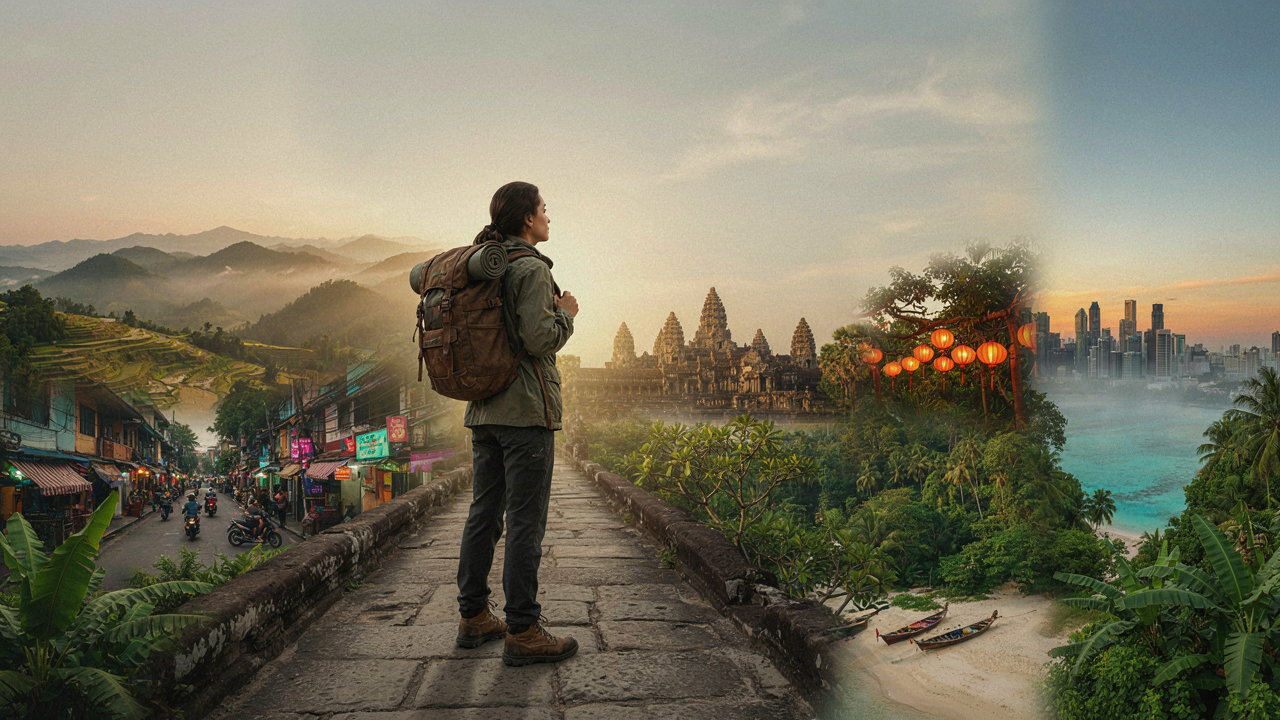
One of the biggest advantages of using a regional travel resource is being able to compare countries before creating an itinerary.
Southeast Asia is not one uniform destination. Thailand can feel very different from Vietnam, while Indonesia has a completely different geography from Laos or Cambodia.
Thailand
Thailand is often a popular starting point for first-time backpackers because it offers major international connections, beaches, cities, islands, mountains, food experiences, and established tourist infrastructure.
Popular research areas include:
- Bangkok
- Chiang Mai
- Pai
- Krabi
- Phuket
- Koh Samui
- Koh Tao
- Koh Phangan
- Northern Thailand
If you are a U.S. traveler, check the current U.S. State Department advisory before traveling. As of July 2026, Thailand was listed at Level 1 overall, while some specific areas carried higher caution levels.
Vietnam
Vietnam is especially attractive for travelers who want a mixture of cities, mountains, beaches, food, history, and scenic road or rail journeys.
The South East Asia Backpacker Vietnam guide covers destinations such as Hanoi, Ha Long Bay, Ninh Binh, Sapa, Hoi An, Hue, Da Nang, Ho Chi Minh City, Phu Quoc, and the Mekong Delta.
Cambodia
Cambodia is an excellent destination to research if ancient history and cultural experiences are high on your list.
Potential stops include:
- Siem Reap
- Angkor Wat
- Phnom Penh
- Kampot
- Kep
- Cambodian islands
Laos
Laos is often considered by travelers looking for a slower pace, mountain scenery, rivers, temples, and smaller-town experiences.
Popular areas to research include:
- Luang Prabang
- Vang Vieng
- Vientiane
- Nong Khiaw
- Southern Laos
Indonesia
Indonesia is much larger than many first-time travelers realize. Bali is only one part of the country.
South East Asia Backpacker also features guides to destinations such as Java and Sumatra. Its Sumatra guide highlights rainforests, volcanoes, crater lakes, surf beaches, and opportunities to experience a less-touristed side of Indonesia.
Malaysia
Malaysia can be an excellent choice for travelers interested in food, modern cities, islands, rainforests, and multicultural experiences.
Consider researching:
- Kuala Lumpur
- Penang
- Ipoh
- Cameron Highlands
- Perhentian Islands
- Sabah
- Sarawak
The magazine’s Ipoh guide, for example, presents the city as an interesting stop between better-known destinations such as Penang and Kuala Lumpur.
Philippines
The Philippines is particularly appealing for travelers interested in islands, beaches, diving, snorkeling, and outdoor adventures.
Potential destinations include:
- Manila
- Palawan
- Cebu
- Siargao
- Bohol
- Boracay
How to Build a Southeast Asia Backpacking Itinerary
A common mistake is trying to visit too many countries during one short trip.
Southeast Asia looks compact on a map, but transportation can take longer than expected. Ferries, border crossings, weather delays, mountain roads, and flight connections can all change your schedule.
Start with a regional theme
Choose the kind of trip you want.
Culture and history:
Thailand → Cambodia → Vietnam
Food and cities:
Singapore → Malaysia → Thailand → Vietnam
Beaches and islands:
Thailand → Malaysia → Indonesia → Philippines
Mountains and nature:
Northern Thailand → Laos → Northern Vietnam
First-time classic route:
Thailand → Laos → Cambodia → Vietnam
These are examples, not fixed routes. Your final route should depend on your available time, entry requirements, budget, and interests.
Think in travel blocks
Instead of planning every day six months ahead, divide your trip into sections.
For example:
| Trip Length | Possible Approach |
| 10 days | One country |
| 2 weeks | One country + short neighboring-country visit |
| 3 weeks | Two countries |
| 4–6 weeks | Two or three countries |
| 2–3 months | Slow multi-country trip |
The longer you stay, the more valuable slow travel becomes.
Leave buffer days
Do not schedule every day around a flight or train.
A flexible itinerary gives you room for:
- Weather changes
- Delayed transportation
- Unexpected destinations
- Rest days
- Illness
- Local festivals
- Last-minute accommodation changes
The goal is not to collect passport stamps. The goal is to enjoy the trip.
Budget Travel Tips Inspired by the Backpacker Mindset
Southeast Asia can offer strong value, but there is no single “Southeast Asia budget.”
Your costs depend on the country, season, accommodation style, transportation choices, activities, and travel speed.
Build a daily travel budget
Divide your expected spending into categories:
| Category | What to Include |
| Accommodation | Hostels, guesthouses, hotels |
| Food | Street food, restaurants, cafés |
| Transport | Buses, trains, ferries, flights |
| Activities | Tours, attractions, museums |
| Communication | SIM/eSIM and data |
| Insurance | Travel insurance |
| Emergency fund | Unexpected costs |
| Shopping | Souvenirs and personal purchases |
Stay longer in each destination
Fast travel usually costs more.
Moving every two days means paying for transportation repeatedly and losing valuable time. Staying four or five nights can often give you a better experience.
Use public transportation wisely
Local buses and trains can be useful in many destinations, but always prioritize safety and official information over the cheapest possible option.
For example, the South East Asia Backpacker Vietnam guide discusses buses and trains as major ways to travel around Vietnam and notes that some travelers use long-distance routes to move between regions.
Eat locally—but travel smart
Local food is one of the highlights of Southeast Asia. Try regional dishes, busy food markets, family-run restaurants, and well-reviewed local eateries.
At the same time, use basic food and water precautions appropriate to your destination.
Keep an emergency reserve
A backpacking budget should never be so tight that one unexpected expense ruins the trip.
Keep separate money available for:
- Emergency transportation
- Medical care
- Lost belongings
- Last-minute accommodation
- Unexpected flight changes
South East Asia Backpacker Magazine for Hostels, Transport & Activities

Accommodation and transportation can make or break a backpacking trip.
The magazine’s destination guides commonly organize practical information around accommodation, transport, activities, food, itineraries, and other travel basics.
Choosing hostels
A cheap hostel is not automatically a good hostel.
Look at:
- Recent reviews
- Location
- Security
- Cleanliness
- Locker availability
- Air conditioning
- Noise levels
- Social atmosphere
- Cancellation rules
If you are under 18, remember that many hostels and tours have age requirements. Always check the property’s current rules and travel with appropriate adult supervision.
Choosing transportation
Compare:
Flights: Best for long distances and limited time.
Trains: Useful for scenic or comfortable overland journeys in countries with good rail networks.
Buses: Often practical for shorter regional connections.
Ferries: Important for island destinations.
Private transfers: Convenient but often more expensive.
Do not choose transportation based only on price. Consider reliability, safety, journey length, and arrival time.
Choosing tours
Before booking an activity, check:
Recent reviews
Cancellation policy
What is included
Group size
Transportation
Insurance requirements
Safety record
Environmental practices
Expert Tips for Using South East Asia Backpacker Magazine
The best way to use South East Asia Backpacker Magazine is as one part of your research system rather than your only source.
Start with destination guides
Pick two or three possible countries and read their destination sections.
Look for repeated information about:
- Transport
- Climate
- Accommodation
- Routes
- Attractions
- Travel time
- Practical problems
Compare multiple articles
Do not make an important decision based on one article.
Read several destination pages and compare recommendations.
Check article dates
Travel information changes.
Visa rules, transport schedules, prices, border procedures, and health requirements can become outdated.
Verify official requirements
This is especially important for visas and entry requirements.
For example, Vietnam’s official immigration portal currently states that its e-visa can be valid for up to 90 days and may be issued for single or multiple entry. Always check the official Vietnamese immigration system for your specific situation rather than relying only on a travel article.
Use traveler communities carefully
The magazine’s community can be useful for personal experiences and recommendations. Its Facebook community encourages travelers to search existing answers and use Google for fact-based questions, while community discussion is more useful for personal recommendations and experiences.
Keep your itinerary flexible
The best backpacking memories often happen when travelers have enough flexibility to change plans.
Southeast Asia Travel Safety, Health & Responsible Travel
Good travel planning includes safety and health research.
Travel conditions can vary significantly between countries and even between regions inside one country.
Check U.S. travel advisories
If you are a U.S. traveler, review the U.S. Department of State’s current advisory for every country on your itinerary.
For example, the current Thailand advisory lists the country overall at Level 1 but identifies specific areas where travelers should exercise greater caution.
Indonesia is currently listed at Level 2, with the advisory citing risks including natural disasters, unrest, and terrorism, while also identifying specific provinces where travelers should not travel.
Research health requirements
The CDC recommends checking destination-specific health information before international travel and consulting a healthcare professional or travel-health specialist around 4–6 weeks before departure when possible.
Your needs can depend on:
- Destination
- Trip length
- Rural versus urban travel
- Planned activities
- Season
- Previous vaccinations
- Personal medical history
Protect your belongings
Basic precautions can reduce problems:
- Keep backups of important documents.
- Use secure bags.
- Avoid displaying large amounts of cash.
- Keep emergency contacts accessible.
- Use reputable transportation.
- Check accommodation reviews.
- Be cautious with unfamiliar financial requests.
Travel responsibly
Responsible backpacking means respecting local communities.
Good practices include:
- Dress appropriately at religious sites.
- Ask before photographing people.
- Avoid disturbing wildlife.
- Reduce single-use plastic.
- Support local businesses.
- Follow trail rules.
- Avoid damaging natural areas.
- Respect local customs.
Common Southeast Asia Backpacking Mistakes
Even experienced travelers make planning mistakes.
Trying to see everything
Southeast Asia is too large to experience completely in one trip.
Choose fewer destinations and spend more time in each.
Ignoring travel time
A destination may look close on a map but still require a full day of travel.
Research actual journey times before booking accommodation.
Trusting outdated visa information
Visa rules change.
Always confirm requirements through the destination country’s official immigration or embassy resources.
Overpacking
You usually need less than you think.
Choose lightweight, versatile clothing and leave space for purchases.
Booking everything too early
Some flexibility is valuable.
You may discover that you prefer a destination and want to stay longer.
Choosing the cheapest option every time
The cheapest bus, hostel, or tour is not always the best value.
Think about safety, comfort, reliability, and total travel time.
Ignoring weather
Southeast Asia has different climates and monsoon patterns.
Do not assume that every country has the same “best time to visit.”
Treating travel blogs as official sources
Travel websites are excellent for ideas and experiences, but government rules should come from official authorities.
Southeast Asia Backpacking Checklist for U.S. Travelers
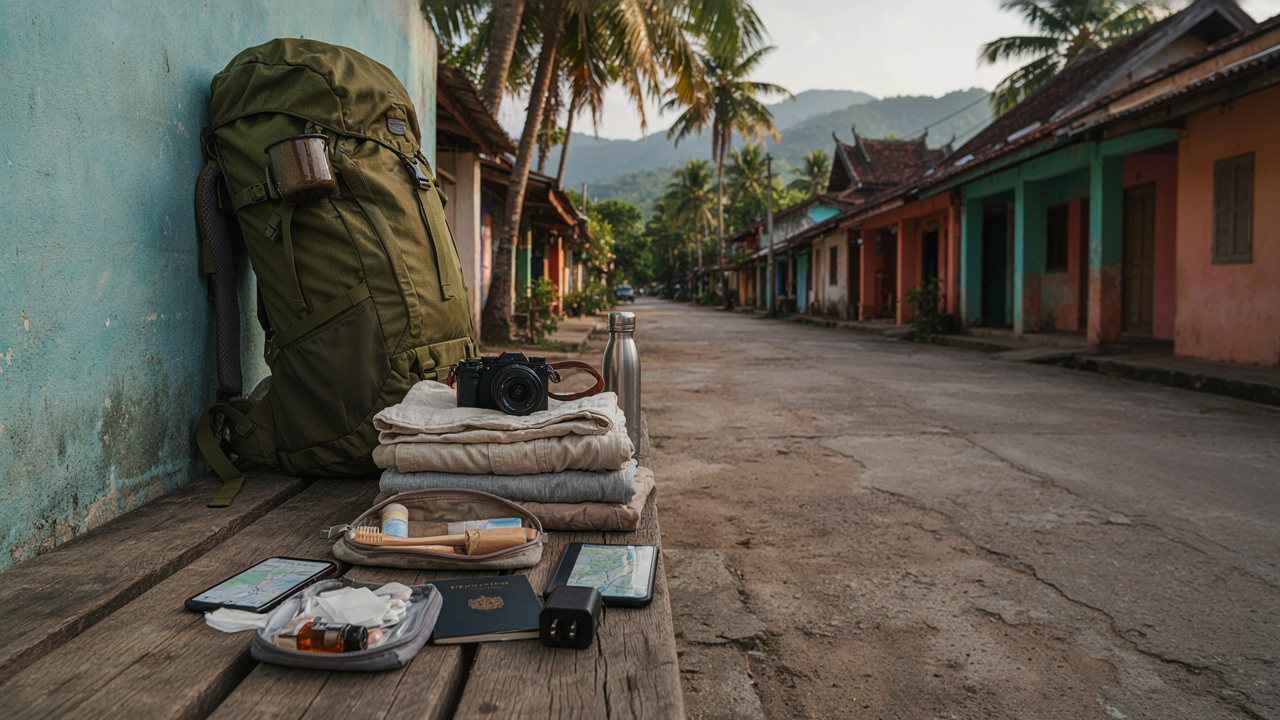
Use this checklist before departure.
Documents
- Passport
- Required visas or e-visas
- Travel insurance information
- Copies of important documents
- Emergency contacts
- Accommodation details
- Flight information
Money
- Main payment card
- Backup payment method
- Emergency cash
- Bank travel notifications if required
- Digital copies of financial information
Technology
- Phone
- Charger
- Power adapter
- Portable battery
- eSIM/SIM plan
- Offline maps
Clothing
- Lightweight shirts
- Comfortable pants or shorts
- Walking shoes
- Sandals
- Rain layer
- Modest clothing for religious sites
- Light warmer layer where needed
Health
- Routine vaccinations checked
- Destination-specific health research
- Necessary medications
- Basic first-aid supplies
- Sunscreen
- Insect protection
Backpacking essentials
- Daypack
- Reusable water bottle
- Packing cubes
- Laundry bag
- Small lock
- Travel towel
- Copies of important information
Pros and Cons of South East Asia Backpacker Magazine
| Pros | Cons |
| Focused on Southeast Asia | Some information can become outdated |
| Strong backpacker perspective | Not every destination receives equal coverage |
| Destination guides | Traveler opinions are subjective |
| Itinerary ideas | Prices can change quickly |
| Travel stories | Official rules still need verification |
| Community discussions | Different travelers have different needs |
| Practical planning topics | Some recommendations may reflect individual experiences |
| Long-running travel publication | Current conditions should always be checked separately |
Overall, the platform works best when you use it for inspiration, route planning, practical ideas, and traveler perspectives, while confirming critical information through official sources.
Internal Linking Opportunities for a Travel Website
If you are publishing this article on a travel website, add contextual internal links to related guides.
Recommended internal links
Southeast Asia Travel Guide
Link from discussions about regional planning.
Thailand Travel Guide
Link from the Thailand destination section.
Vietnam Travel Guide
Link from Vietnam itinerary and visa discussions.
Cambodia Travel Guide
Link from Cambodia route planning.
Laos Travel Guide
Link from Southeast Asia slow-travel discussions.
Indonesia Travel Guide
Link from Indonesia and island travel sections.
Malaysia Travel Guide
Link from Malaysia destination planning.
Philippines Travel Guide
Link from island and beach travel discussions.
Southeast Asia Packing List
Link from the checklist section.
Best Southeast Asia Travel Destinations
Link from the destination comparison section.
Southeast Asia Travel Itinerary
Link from the route-planning section.
Travel Insurance Guide
Link from the safety and preparation section.
Suggested anchor text
Use natural anchor text such as:
- Southeast Asia travel guide
- Southeast Asia itinerary
- Thailand backpacking guide
- Vietnam travel guide
- Southeast Asia packing list
- best places to visit in Southeast Asia
- Southeast Asia travel tips
Avoid repeatedly using exactly the same anchor text.
Suggested External Authority Sources

For an EEAT-focused article, reference authoritative sources when discussing rules, safety, health, and entry requirements.
Recommended sources
- U.S. Department of State – Travel Advisories: Country-specific safety and travel information.
- CDC Travelers’ Health: Destination-specific health guidance, vaccines, medicines, and precautions.
- Official immigration websites: Current visa and entry requirements for individual countries.
- Official tourism boards: Destination information, attractions, events, and regional tourism resources.
- Airport and transportation authorities: Current schedules and operational information.
For example, the CDC recommends checking destination-specific travel health information before international travel, while the State Department provides country-specific travel advisories.
South East Asia Backpacker itself also provides extensive destination-specific planning information and describes its publication history and backpacker community on its official website.
FAQs
What is South East Asia Backpacker Magazine?
South East Asia Backpacker Magazine is a travel publication and online resource focused on backpacking and independent travel in Southeast Asia. It began as a print magazine in 2008 and later expanded into an online travel platform with guides, itineraries, stories, activities, and community resources.
Is South East Asia Backpacker Magazine useful for first-time travelers?
Yes. Its destination guides cover many practical topics that first-time travelers need, including transport, accommodation, food, itineraries, packing, health, safety, and visas.
What countries does South East Asia Backpacker cover?
The platform covers many destinations throughout Southeast Asia, including Thailand, Vietnam, Cambodia, Laos, Malaysia, Indonesia, and the Philippines, among others.
Can I use it to plan a Southeast Asia itinerary?
Yes. It can help you research destinations and possible routes. However, check current transportation schedules, entry rules, and travel advisories before finalizing your itinerary.
Does South East Asia Backpacker provide budget travel advice?
Yes. Backpacker-focused content commonly discusses affordable accommodation, transport, food, activities, and practical ways to manage a Southeast Asia trip.
Is the information always up to date?
Not necessarily. Travel information changes frequently. Check publication dates and verify important information such as visas, entry requirements, health rules, prices, and transportation through current official sources.
Does it have a backpacker community?
Yes. South East Asia Backpacker maintains a traveler community where people can discuss personal experiences and recommendations. The publication says its community includes backpackers and long-term travelers.
What is the best country in Southeast Asia for backpacking?
There is no single best country. Thailand may appeal to first-time travelers, Vietnam is strong for food and overland travel, Indonesia is excellent for islands and nature, while Laos can suit travelers looking for a slower pace.
How far ahead should I plan a Southeast Asia trip?
For a simple trip, several months can be enough. Start earlier if you need visas, have limited travel dates, want specific accommodation, or plan to travel during major festivals or peak seasons.
Should I trust a travel magazine for visa information?
Use travel publications for general guidance, but always confirm current visa requirements through the destination country’s official immigration or embassy sources. For example, Vietnam’s official immigration portal provides the current e-visa system and requirements.
Conclusion
South East Asia Backpacker Magazine remains a useful research resource for travelers who want a backpacker-focused view of Southeast Asia. Its history goes back to 2008, when it began as a printed publication created around sharing stories and practical experiences from travelers on the road. Today, its online platform brings together destination guides, itineraries, travel stories, activities, and a large traveler community.
The smartest way to use it is not to treat one website as your entire travel plan. Use the magazine to discover destinations, compare routes, understand backpacker experiences, find itinerary ideas, and build your travel checklist. Then verify important details such as visas, health recommendations, safety advisories, and entry requirements through official sources.
For U.S. travelers planning a Southeast Asia adventure in 2026, that combination can make trip planning much easier: traveler experience for inspiration, official sources for critical facts, and a flexible itinerary for the journey itself. Start with the countries that interest you most, choose a realistic route, leave room for unexpected discoveries, and make responsible travel part of the adventure.
Read More:Highlights Travel: 25 Amazing Ways to Discover More in 2026