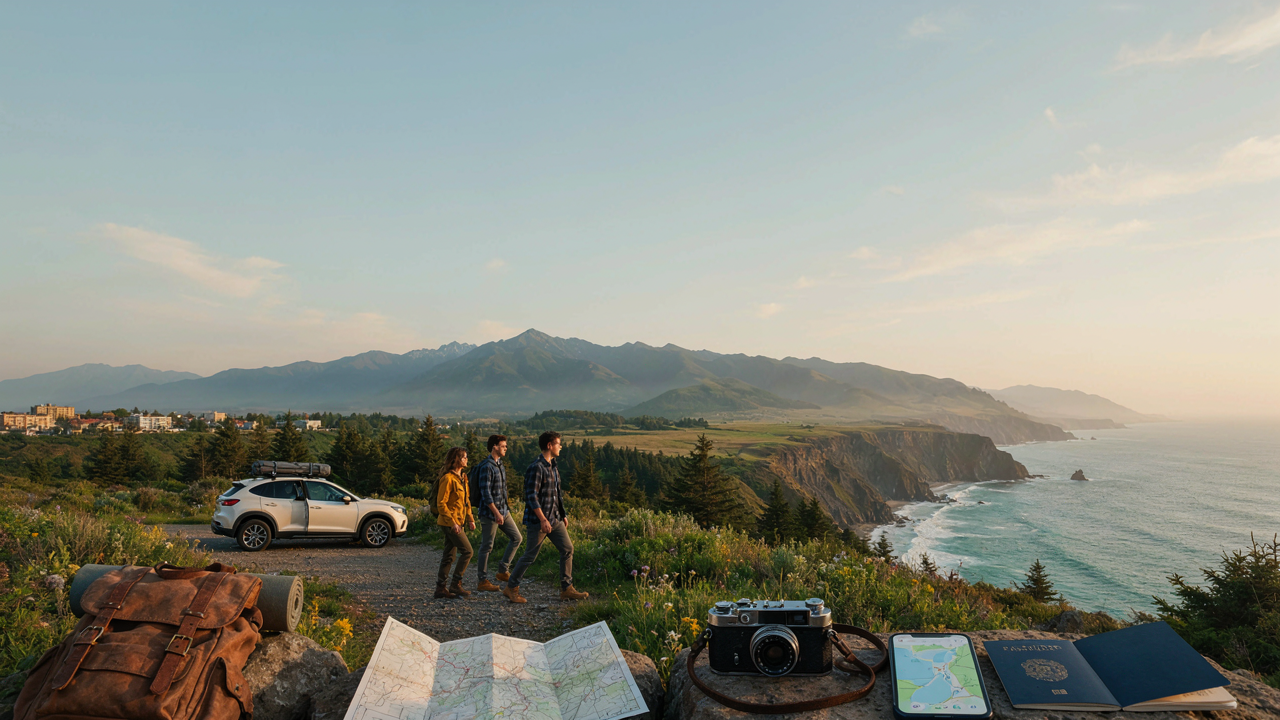
Travel becomes more enjoyable when you know what deserves your time, money, and attention. Highlights Travel is a useful way to think about trip planning around the experiences that matter most, from famous landmarks and scenic drives to local food, outdoor adventures, culture, and hidden gems. Instead of trying to see everything, travelers can focus on the best parts of a destination.
For U.S. travelers, this approach can make both domestic and international trips easier to plan. Whether you are taking a weekend city break, planning a national park road trip, or visiting Europe for the first time, choosing meaningful highlights can help you build a trip that feels exciting without becoming exhausting.
This guide explains how to use the Highlights Travel approach, where to find the best experiences, how to create a practical itinerary, common mistakes to avoid, and expert tips for getting more from every journey.
Quick Answer
Highlights Travel is a trip-planning approach that focuses on the most memorable attractions, experiences, activities, and places within a destination. Instead of filling every hour with sightseeing, travelers identify their top priorities and build the trip around them.
The best highlights may include:
- Famous landmarks
- National parks
- Scenic viewpoints
- Historic neighborhoods
- Local restaurants and food markets
- Museums and cultural sites
- Beaches and outdoor activities
- Scenic road trips
- Family attractions
- Local festivals and events
- Hidden gems
- Unique regional experiences
The goal is simple: see and experience the places that matter most to you while leaving enough time to enjoy the journey.
Why Highlights Travel Is a Smart Way to Plan a Trip
Modern travel planning can become overwhelming. Search for a destination online and you may find hundreds of hotels, attractions, tours, restaurants, and suggested itineraries.
Trying to visit everything often creates a packed schedule. You may spend more time traveling between attractions than actually enjoying them.
A highlights-first approach solves this problem by asking one important question:
What are the experiences I would regret missing?
Once you answer that question, you can organize the rest of your trip around those priorities.
Benefits of a Highlights Travel Approach
| Benefit | Why It Matters |
| Saves time | Helps you focus on important experiences |
| Reduces stress | Avoids an overloaded itinerary |
| Controls spending | Makes it easier to prioritize your budget |
| Improves flexibility | Leaves room for unexpected discoveries |
| Creates memorable trips | Focuses on meaningful experiences |
| Works for short trips | Helps maximize weekends and short vacations |
| Supports slow travel | Gives you time to enjoy each destination |
For example, a first-time visitor to New York City might choose the Statue of Liberty area, Central Park, a Broadway show, a museum, and a food experience as major highlights rather than trying to visit every attraction in Manhattan.
25 Best Highlights Travel Ideas for Your Next Trip

Start With the Destination’s Famous Landmarks
Every destination has places that define its identity. These landmarks may be historic buildings, monuments, bridges, viewpoints, temples, castles, or natural wonders.
For first-time visitors, famous attractions are often worth including because they provide context for the destination.
Before your trip, create a shortlist of three to five major landmarks. Research opening hours, reservation requirements, transportation, and the best time to visit.
Explore National Parks and Natural Wonders
Nature is one of the strongest parts of Highlights Travel. The United States alone offers an incredible range of mountains, deserts, forests, coastlines, lakes, and wildlife habitats.
Popular choices include national parks, state parks, scenic areas, forests, and protected coastal regions.
Instead of rushing through a park, choose one or two signature experiences. These might include a scenic drive, short hike, sunrise viewpoint, visitor center, or wildlife-watching opportunity.
Take a Scenic Road Trip
A road trip can turn transportation into part of the vacation.
Scenic highways often connect small towns, viewpoints, historic attractions, parks, beaches, and local restaurants. This makes road travel especially useful for travelers who want several experiences in one journey.
When planning a road trip, avoid driving huge distances every day. Build stops around interesting places instead.
Road Trip Planning Checklist
- Choose a realistic daily driving distance.
- Identify fuel stops.
- Download offline maps.
- Check road conditions.
- Reserve accommodation ahead when needed.
- Plan scenic stops.
- Keep emergency supplies in the vehicle.
- Leave time for unexpected discoveries.
Discover Local Food
Food can become one of the most memorable travel highlights.
Rather than eating only at familiar chain restaurants, try regional specialties and locally popular places. Food markets, bakeries, neighborhood cafés, food halls, and casual restaurants can reveal a lot about local culture.
For international trips, learn a few basic food customs before arriving.
A good food plan does not require expensive dining. Some of the best travel meals can be simple and affordable.
Visit Historic Neighborhoods
Major tourist attractions tell only part of a destination’s story.
Historic neighborhoods can provide a closer look at architecture, local traditions, street life, and community culture.
Take a walking tour, explore independent shops, visit a local café, and pay attention to the buildings around you.
For U.S. travelers visiting Europe, historic neighborhoods can be especially rewarding because architectural styles and urban layouts may differ greatly from those found at home.
Add One Unique Local Experience
A strong Highlights Travel itinerary should include something that feels special.
This could be:
- A cooking class
- A guided nature walk
- A local craft workshop
- A cultural performance
- A boat ride
- A farm visit
- A photography tour
- A neighborhood food tour
These experiences often create stronger memories than simply taking photographs at Find Scenic Viewpoints
A great viewpoint can become a signature moment of a trip.
Look for mountainside overlooks, city observation decks, coastal cliffs, desert viewpoints, lakeside locations, and sunset spots.
Research access before going. Some viewpoints require reservations or involve difficult roads or trails.
Include Outdoor Adventures
Outdoor activities can add energy to a trip.
Depending on your destination, consider hiking, kayaking, cycling, wildlife viewing, skiing, snorkeling, or scenic walking trails.
Choose activities that match your experience and physical ability. Check weather, safety conditions, permits, and equipment requirements before heading out.
Explore Museums and Cultural Attractions
Museums are useful when you want to understand a destination rather than simply photograph it.
Choose museums based on your interests instead of trying to visit every major institution.
Art, history, science, transportation, music, and local culture museums can all provide valuable experiences.
Visit Beaches and Coastal Destinations
Beach travel can be about more than swimming.
Coastal highlights may include scenic walks, seafood, historic harbors, wildlife, sunsets, lighthouses, kayaking, and waterfront towns.
Research tides, weather, seasonal conditions, and local rules before planning water-based activities.
Discover Hidden Gems
Popular attractions deserve attention, but hidden gems can make a trip feel more personal.
Look beyond the first page of search results. Local tourism organizations, park services, museums, and reputable travel publications can reveal smaller attractions.
Ask hotel staff or local guides for recommendations, while still checking current hours and safety information yourself.
Plan Around the Best Season
The same destination can feel completely different throughout the year.
Before booking, consider:
- Weather
- Crowds
- Prices
- School holidays
- Festivals
- Wildlife seasons
- Outdoor conditions
- Attraction closures
There is no single best travel season for every destination.
Add Free Attractions
Travel highlights do not need to be expensive.
Many destinations offer free museums on selected days, public parks, scenic walks, historic districts, beaches, markets, viewpoints, and cultural events.
Free activities can also help balance the cost of major attractions.
Use Public Transportation
Public transportation can make urban travel easier and less expensive.
Subways, trains, buses, trams, and ferries can also become part of the experience.
Before traveling, learn how fares work, whether passes are available, and which payment methods are accepted.
Create a Flexible Itinerary
A good itinerary should guide you, not control you.
Instead of scheduling every minute, create a basic structure:
Morning: Main attraction
Afternoon: Neighborhood or museum
Evening: Food or local experience
Keep open periods between major activities.
This flexibility allows you to rest, explore, deal with delays, or return to a place you unexpectedly love.
Balance Tourist Attractions With Local Life
A memorable trip often combines major sights with ordinary local experiences.
Visit the famous landmark, then spend time walking through a neighborhood. See the major museum, then stop at a local café.
This balance creates a richer understanding of the destination.
Choose Experiences Based on Your Travel Style
Not every traveler wants the same vacation.
Some people prefer:
- Adventure
- History
- Food
- Beaches
- Luxury
- Family activities
- Photography
- Nature
- Architecture
- Shopping
Your Highlights Travel plan should reflect your interests.
A family traveling with children will build a different itinerary from a couple interested in museums and architecture.
Build a Practical Travel Budget
A beautiful itinerary becomes stressful if it is too expensive.
Create separate estimates for:
| Expense | Examples |
| Transportation | Flights, trains, rental cars |
| Accommodation | Hotels, vacation rentals |
| Food | Restaurants, groceries |
| Attractions | Tickets, tours |
| Local travel | Transit, taxis |
| Emergency fund | Unexpected costs |
| Shopping | Souvenirs and gifts |
Set priorities before booking. Spend more on the experiences that matter most to you.
Research Attractions Before You Go
Do not assume every attraction operates the same way throughout the year.
Check official sources for:
- Opening hours
- Reservations
- Admission
- Closures
- Transportation
- Accessibility
- Visitor rules
- Weather-related changes
This is especially important for national parks, major museums, historic sites, and popular attractions.
Travel at a Comfortable Pace
One of the biggest travel-planning mistakes is trying to do too much.
A destination deserves time.
Instead of visiting four cities in five days, consider choosing two cities and exploring them properly.
A slower itinerary can reduce transportation costs, fatigue, and stress.
Capture Memories Without Missing the Moment
Photography is an important part of modern travel, but constantly looking through a phone can distract from the experience.
Take photographs, but also put the camera away sometimes.
Write down memorable details, save a few tickets, or keep a simple travel journal.
Support Local Businesses
Where you spend your travel money matters.
Consider eating at independent restaurants, shopping from local businesses, booking reputable local guides, and purchasing locally made products.
Responsible spending can support the communities you visit.
Make Safety Part of Your Planning
Good travel planning includes basic safety preparation.
Keep copies of important travel documents, protect valuable items, understand local emergency procedures, and research transportation options.
For outdoor destinations, check weather and trail conditions before leaving.
Safety planning does not need to make a trip stressful. It simply helps you stay prepared.
Leave Room for Unexpected Discoveries
Some of the best travel memories are not planned.
You may discover a beautiful café, interesting bookstore, quiet park, street market, or scenic road while exploring.
That is why flexible time is so valuable.
A good Highlights Travel itinerary gives you priorities while leaving space for surprises.
End Your Trip With a Memorable Experience
Do not overlook your final day.
Choose something relaxing or meaningful instead of creating a stressful schedule before your flight.
A sunset walk, special meal, scenic viewpoint, local market, or favorite neighborhood can provide a satisfying ending.
Expert Tips for Better Highlights Travel Planning

Experienced travelers usually understand that the best itinerary is not necessarily the busiest one.
Pick Your Top Five
Before researching dozens of attractions, identify five experiences you really want.
Then build around them.
Group Nearby Attractions
Look at a map and organize activities by location. This reduces unnecessary transportation.
Book Popular Experiences Early
Major attractions, special tours, and popular accommodations can fill quickly during busy periods.
Check Official Information
Travel blogs are helpful for inspiration, but official sources should be your final check for hours, closures, permits, rules, and safety information.
Keep One Flexible Block Each Day
Even a few free hours can dramatically improve your travel experience.
Plan for Weather
Outdoor activities should have backup options when possible.
Don’t Chase Every Recommendation
A destination may have 50 “must-see” attractions online. You do not have to visit all of them.
Choose what fits your interests.
Highlights Travel Checklist for U.S. Travelers
Use this checklist before leaving home:
- Choose your destination
- Identify your top five highlights
- Research the best season
- Check passport requirements for international travel
- Check entry requirements
- Book transportation
- Reserve accommodation
- Check major attraction reservations
- Research local transportation
- Create a realistic daily itinerary
- Plan a travel budget
- Check weather forecasts
- Download useful maps
- Prepare essential documents
- Pack appropriate clothing
- Keep emergency contacts available
- Leave flexible time
- Confirm important reservations
- Review official travel advisories
- Enjoy the journey rather than rushing
Common Highlights Travel Mistakes

Trying to See Everything
This is probably the most common mistake. Too many attractions can make a vacation feel like work.
Ignoring Travel Time
An attraction that looks close on a map may take much longer to reach because of traffic, transfers, parking, or crowds.
Overbooking Every Day
A schedule with no free time leaves little room for rest or unexpected opportunities.
Relying Only on Social Media
Social media can provide inspiration, but information may be outdated or incomplete.
Forgetting Seasonal Closures
Some attractions operate on seasonal schedules. Always verify current information.
Choosing Attractions Without Considering Your Interests
A famous attraction is not automatically the right attraction for you.
Underestimating Costs
Admission is only one part of the expense. Add transportation, food, parking, taxes, and other costs.
Pros and Cons of Highlights Travel
| Pros | Cons |
| Easy to personalize | Requires research |
| Saves planning time | Popular attractions may be crowded |
| Works for short vacations | You may skip lesser-known places |
| Helps control spending | Prioritizing can be difficult |
| Reduces itinerary stress | Requires flexibility |
| Creates memorable experiences | Not every traveler wants structured planning |
How to Build a 7-Day Highlights Travel Itinerary
A simple seven-day plan can work for many destinations.
| Day | Main Focus |
| Day 1 | Arrival and easy neighborhood exploration |
| Day 2 | Major landmarks |
| Day 3 | Museum and cultural experiences |
| Day 4 | Nature or scenic excursion |
| Day 5 | Local food and neighborhoods |
| Day 6 | Flexible day or day trip |
| Day 7 | Favorite experience and departure |
The exact structure should change according to the destination.
For example, a national park vacation may require more outdoor days, while a European city break may focus more on architecture, museums, food, and walking.
Highlights Travel vs. Traditional Trip Planning
| Feature | Highlights Travel | Traditional Packed Planning |
| Main goal | Best experiences | Maximum attractions |
| Schedule | Flexible | Often tightly scheduled |
| Pace | Comfortable | Fast |
| Stress level | Usually lower | Can be higher |
| Personalization | High | Moderate |
| Free time | Built in | Often limited |
| Ideal for | Most travelers | Travelers who want to maximize sightseeing |
Internal Linking Opportunities for a Travel Website

If you run a travel website, the following internal links can strengthen topical authority around Highlights Travel:
U.S. Travel Destinations → Link from destination-planning discussions.
National Park Travel Guide → Link from outdoor adventure sections.
Europe Travel Guide → Link when discussing international trips.
Road Trip Planner → Link from scenic road-trip content.
Travel Packing Checklist → Link from preparation sections.
Best Travel Destinations → Link from destination inspiration.
America the Beautiful Pass Guide → Link from national park content.
New York Travel Guide → Link from major U.S. city examples.
Travel Budget Guide → Link from budget-planning sections.
Responsible Travel Guide → Link from local-community and sustainability discussions.
Use descriptive anchor text rather than generic phrases such as “click here.”
Suggested External Authority Sources

For trustworthy travel planning information, consider referencing these authoritative organizations:
- National Park Service (NPS) — national parks, permits, alerts, regulations, and visitor information.
- U.S. Department of State — international travel advisories and country information.
- Transportation Security Administration (TSA) — U.S. airport security and baggage guidance.
- Centers for Disease Control and Prevention (CDC) — travel health information.
- Federal Aviation Administration (FAA) — aviation-related travel information.
- U.S. Customs and Border Protection (CBP) — international entry and border information.
- Official destination tourism boards — current local attractions, events, and destination information.
- Official transportation agencies — current schedules, routes, and service updates.
For current travel rules, always prioritize official sources over old blog posts or social media posts.
Frequently Asked Questions
What does Highlights Travel mean?
Highlights Travel refers to planning a trip around the most important and memorable attractions and experiences in a destination. It emphasizes quality and personal interests rather than trying to see everything.
How do I choose travel highlights?
Start by identifying the experiences you would most regret missing. Then consider your interests, available time, budget, transportation, and the destination’s location.
Is Highlights Travel good for first-time travelers?
Yes. First-time visitors can use the approach to identify major attractions while still leaving room for local experiences and rest.
How many attractions should I visit in one day?
There is no universal number, but two or three major activities are often easier to enjoy than a long list. Travel time and the type of attraction also matter.
How can I save money while planning travel highlights?
Mix expensive attractions with free activities, use public transportation where practical, compare accommodation options, and prioritize experiences that matter most.
Should I book travel attractions in advance?
Popular attractions often benefit from advance planning. Always check the attraction’s official information for current reservation requirements.
What is the best way to plan a travel itinerary?
Choose your top priorities first, group nearby attractions, estimate transportation time, and leave flexible periods between major activities.
How can I avoid tourist crowds?
Travel during less busy periods when possible, visit popular attractions early or later in the day when appropriate, and explore neighborhoods away from the busiest tourist zones.
Is Highlights Travel suitable for families?
Absolutely. Families can choose child-friendly attractions, parks, interactive museums, outdoor activities, and flexible schedules that include rest time.
How can I make my trip more memorable?
Choose experiences that match your interests, spend time with local culture, try regional food, explore beyond famous landmarks, and avoid rushing from one attraction to another.
Conclusion
The best vacation is not necessarily the one with the longest itinerary. It is the one that gives you meaningful experiences, enough time to enjoy them, and memories you will want to keep.
Highlights Travel provides a simple framework for doing exactly that. Start with the attractions and experiences that matter most, organize them around geography and available time, keep your budget realistic, and leave room for unexpected discoveries.
For U.S. travelers planning a domestic getaway or an international adventure in 2026, this approach can make travel more enjoyable and less stressful. Choose your highlights, research them carefully, and then give yourself permission to slow down and enjoy the journey.
Read More:Europe Travel Guide: 25 Amazing Places, Smart Tips & Ultimate 2026 Guide