Planning a great trip often starts with a simple question: Where should I go, and how do I make the most of my time there? Travel blogs can make that process easier, but the best ones do more than list attractions. They explain how a destination feels, what is worth your time, how to prepare, and what you should know before you arrive.
Finding the Universe is one example of a travel website built around that idea. The blog was started in 2010 by Laurence Norah and later became a joint project with Jessica Norah. The site covers destinations around the world while placing a strong emphasis on photography, travel planning, packing, and practical travel advice.
For travelers from the United States, this combination can be especially useful. A person planning an Iceland road trip, European city break, USA road trip, or photography-focused vacation can use travel guides for inspiration and then apply the site’s photography and planning principles to build a more useful itinerary.
This guide explains what makes Finding the Universe useful, how to use it for trip planning, which types of travelers can benefit most, common mistakes to avoid, and practical ways to turn travel-blog inspiration into a real 2026 trip.
Quick Answer
What is Finding the Universe?
Finding the Universe is a travel and photography website created by Laurence and Jessica Norah. The site began in 2010 and focuses on destination guides, travel planning, photography advice, packing tips, travel resources, and photography location guides. The writers say their content is based largely on their own travel experiences and photography.
For USA travelers, the biggest value is that the site combines destination planning with practical photography advice. Instead of only showing where to go, it can also help readers think about when to visit, what to pack, how to photograph a location, and how to organize a trip.
Best for: travelers who want practical destination information, photographers who want better travel photos, and independent travelers who prefer detailed planning.
What Is Finding the Universe?
Finding the Universe is a long-running travel blog focused on travel stories, destination advice, photography, packing, and travel resources. Its creators describe the website as a place for personal travel advice as well as photography guidance.
The site’s categories include destinations across several regions, photography, travel tips, travel resources, packing lists, gear guides, and blogging resources.
One important feature is its first-hand approach. The site’s authors state that they write from their personal travel experiences and use their own photographs. They also explain that they generally visit the destinations they cover and aim to keep their content updated.
That matters because travel information can be very different when it comes from someone who has actually spent time in a location.
Who Runs Finding the Universe?
Laurence and Jessica Norah are the people behind the website. Laurence is the primary writer and photographer for Finding the Universe, while Jessica contributes as co-author. According to their biography, Laurence has worked as a professional travel photographer since 2010 and has photographed in more than 40 countries.
Their different interests also shape the site.
Laurence focuses heavily on:
- Travel photography
- Camera equipment
- Photography techniques
- Destination photography
- Travel planning
- Travel technology
Jessica contributes long-form travel, culture, history, and research-driven content.
This gives the website a useful combination of visual inspiration and practical travel information.
25 Powerful Travel Lessons From Finding the Universe
Research Before You Travel
A good trip rarely begins at the airport. Research attractions, transportation, weather, local customs, opening times, and travel distances before leaving home.
Use destination guides as a starting point, then confirm time-sensitive information with official tourism and government websites.
Build an Itinerary Around Your Priorities
Don’t attempt to see everything.
If photography is your priority, leave room for sunrise and sunset. If food matters most, build your schedule around restaurants and markets. If history is your focus, spend more time at museums and historic neighborhoods.
Don’t Confuse a List With an Itinerary
A list of 20 attractions does not mean you should visit all 20.
A useful itinerary considers:
- Distance
- Opening hours
- Transportation
- Meal breaks
- Weather
- Your energy level
- Photography time
Give Yourself Extra Time
Travel rarely runs perfectly.
A delayed train, traffic, long security line, or unexpected attraction can change your schedule. A flexible itinerary is usually better than a packed one.
Learn Basic Photography Skills
You don’t need the most expensive camera to take better travel photos.
Understanding composition, exposure, light, focus, and timing can make a bigger difference than simply upgrading equipment.
Think About Light
For photographers, light can completely change a destination.
Morning and evening light often create a different mood from harsh midday sunlight. Before visiting a landmark, research sunrise and sunset times and identify possible viewpoints.
Photograph the Experience, Not Only the Landmark
A strong travel photo does not always need to show the most famous attraction.
Try photographing:
- Local streets
- Architecture
- Food
- Markets
- Landscapes
- People in context
- Small cultural details
- Transportation
- Weather
Pack for the Actual Trip
Avoid packing for every possible situation.
Instead, think about the activities you will actually do. A city trip, hiking vacation, beach holiday, and photography road trip require very different packing strategies.
Check Your Camera Gear Before Departure
If you’re traveling with photography equipment, test everything before leaving.
Check:
- Batteries
- Memory cards
- Chargers
- Camera settings
- Lens condition
- Bag protection
- Backup storage
Don’t Let Photography Ruin the Trip
Photography should support the travel experience rather than replace it.
Take the photograph, then put the camera away sometimes and enjoy where you are.
Use Location Guides Strategically
Photography location guides can help you identify viewpoints and photo opportunities before arriving.
The Finding the Universe photography section includes location guides based on destinations the authors have visited.
Research Transportation
A beautiful destination may be easy to photograph but difficult to reach.
Before booking, check whether you need:
- A rental car
- Public transportation
- A tour
- Advance reservations
- A shuttle
- Walking time
Consider the Season
The same destination can feel completely different throughout the year.
Season affects:
- Weather
- Crowds
- Prices
- Daylight
- Road conditions
- Photography opportunities
- Attraction availability
Keep a Flexible Backup Plan
Outdoor photography is particularly dependent on weather.
Have an indoor alternative for rainy or extremely hot days.
Don’t Overlook Packing Lists
Packing lists can save time, especially for complicated trips.
Finding the Universe maintains travel and packing content designed to help travelers prepare for different types of journeys.
Research Before Booking Accommodation
Don’t choose a hotel only because the room looks attractive.
Check its:
- Location
- Transportation access
- Parking
- Neighborhood
- Check-in rules
- Reviews
- Cancellation policy
Plan Your Photography Locations
If you’re visiting a major landmark, research where photographers typically stand.
Then look beyond the obvious viewpoint. Sometimes the best image comes from a nearby street, bridge, hill, or quieter location.
Keep Your Travel Gear Simple
More equipment means more weight.
Choose gear based on the trip rather than bringing everything you own.
Use Travel Blogs for Ideas, Not Blindly for Rules
A travel blog can provide first-hand insight, but conditions change.
Always verify current information such as:
- Prices
- Opening hours
- Visa requirements
- Transportation schedules
- Entry requirements
- Weather
- Local restrictions
Look for Practical Details
The most valuable part of a destination guide may not be the attraction list.
Look for information about parking, driving times, reservations, walking distances, and realistic schedules.
Consider the Cost of Time
A cheap attraction that requires a three-hour detour may not actually be a bargain.
Think about the value of your vacation time.
Take Notes During Your Trip
Save useful information as you travel.
Record:
- Favorite restaurants
- Good viewpoints
- Unexpected problems
- Transportation tips
- Places worth revisiting
These notes can improve future trips.
Build Trips Around Experiences
Instead of asking, “How many places can I visit?” ask, “What do I want to experience?”
That change can lead to slower and more memorable travel.
Learn From First-Hand Experience
Personal travel experience can reveal details that generic destination summaries miss.
This is one reason first-hand travel writing can be useful when combined with current official information.
Leave Room for Discovery
Don’t schedule every minute.
Some of the best travel memories happen when you have enough free time to explore something you did not plan.
How to Use Finding the Universe for Trip Planning
The best way to use Finding the Universe is as one part of your research process.
Choose Your Destination
Start with the destination category and identify places that match your interests.
For example, you might search for:
- Iceland
- Scotland
- New Zealand
- Italy
- France
- USA national parks
- European cities
The site’s destination coverage spans Europe, North America, Asia, Australia, Africa and the Middle East, New Zealand, and South America.
Find a Detailed Guide
Look for an article that matches your travel style.
A detailed itinerary is more useful for planning than a general inspiration article.
Create a Shortlist
Write down your top attractions and experiences.
Then divide them into:
Must-see: Experiences you do not want to miss.
Would like to see: Attractions that fit if time allows.
Optional: Things you can skip without regret.
Add Practical Research
After reading a blog guide, verify current details through official sources.
This is especially important for international travel.
Create a Realistic Schedule
Group attractions geographically.
If five places are close together, visit them on the same day instead of crossing a city repeatedly.
Add Photography Time
If you’re interested in photography, include extra time around sunrise, sunset, scenic viewpoints, or special events.
Leave Free Time
Aim for a trip that feels enjoyable rather than rushed.
Finding the Universe for Travel Photography
Photography is one of the strongest themes of Finding the Universe.
The site offers photography tips, equipment advice, photography location guides, and a dedicated photography course.
For travelers, that creates a useful learning path.
Learn the Basics First
Before buying expensive equipment, understand:
- Shutter speed
- Aperture
- ISO
- Exposure
- Focal length
- Composition
- White balance
- Focus
These skills transfer between different cameras.
Use Your Smartphone Too
A smartphone can be an excellent travel camera.
The important principles remain the same:
- Look for good light.
- Keep the composition simple.
- Avoid unnecessary clutter.
- Try different angles.
- Think about the background.
Plan Golden-Hour Photography
Golden hour is popular because the low-angle light can create softer highlights and longer shadows.
For landscape photography, this can be especially useful.
Photograph With a Story in Mind
Instead of asking, “How do I photograph this building?” ask:
“What do I want someone to feel when they see this image?”
That question can improve your composition.
Finding the Universe for USA Travelers
Although Finding the Universe covers destinations around the world, USA travelers can use its approach for domestic travel too.
A USA road trip, for example, benefits from the same principles used for international travel:
Choose a clear destination.
Estimate driving time.
Identify major stops.
Research accommodation.
Check seasonal conditions.
Plan photography opportunities.
Keep backup activities.
Leave some free time.
This is particularly useful for destinations where driving distances are much larger than they appear on a map.
Example: A USA Road Trip Planning Framework
| Planning Area | What to Research |
| Route | Total driving distance |
| Stops | Major attractions and viewpoints |
| Accommodation | Location and parking |
| Food | Restaurants and grocery options |
| Weather | Seasonal conditions |
| Photography | Sunrise, sunset, viewpoints |
| Safety | Road and park conditions |
| Budget | Fuel, hotels, food, tickets |
| Backup plan | Indoor or alternate attractions |
Finding the Universe vs. General Travel Blogs
| Feature | Finding the Universe | General Travel Blog |
| Destination guides | Strong | Varies |
| Travel photography | Strong focus | Often secondary |
| Photography gear | Extensive | Usually limited |
| Packing advice | Yes | Varies |
| First-hand travel content | Emphasized | Depends on author |
| Travel resources | Yes | Varies |
| Photography location guides | Strong | Less common |
| USA travel usefulness | Good | Depends on site |
| Best for photographers | Excellent fit | Depends |
| Best for general inspiration | Yes | Yes |
The biggest distinction is the combination of travel and photography.
Pros and Cons of Finding the Universe
| Pros | Cons |
| Strong focus on first-hand travel | Some travelers may prefer highly condensed guides |
| Extensive photography content | Photography sections may be more detailed than casual travelers need |
| Destination planning resources | Travelers should still verify changing information |
| Packing and travel tips | Not every destination receives equal coverage |
| Practical photography advice | Readers seeking only luxury travel may want additional sources |
| Long-running travel website | Individual articles can vary in depth |
| Useful for USA and international travelers | Some advice is naturally specific to the author’s experience |
A Practical Finding the Universe-Inspired Travel Checklist
Before your next trip, use this simple checklist:
- Choose your destination and travel dates.
- Research the best season to visit.
- Create a realistic itinerary.
- Estimate transportation time.
- Book accommodation in a practical location.
- Check passport and entry requirements.
- Research travel insurance needs.
- Save important reservations offline.
- Check weather forecasts before departure.
- Prepare appropriate clothing.
- Pack chargers and power adapters if needed.
- Back up important documents.
- Prepare photography equipment if required.
- Charge batteries and devices.
- Carry enough memory/storage for photos.
- Research sunrise and sunset times.
- Identify important photo locations.
- Keep a backup activity for bad weather.
- Leave some unscheduled time.
- Confirm important details with official sources.
Common Mistakes When Using Travel Blogs
Treating Old Information as Current
Travel information changes.
Prices, opening hours, transportation, entry requirements, and road conditions can all change.
Better approach: Use travel blogs for experience and context, then verify time-sensitive details.
Copying Someone Else’s Itinerary
A blogger’s perfect itinerary may not match your interests.
A photographer may need more time than a traveler who simply wants to see major attractions.
Overpacking
More gear does not automatically produce better travel photos.
Pack according to the trip.
Scheduling Too Much
A packed itinerary can turn a vacation into a race.
Ignoring Travel Time
An attraction may look close on a map but take much longer to reach.
Forgetting Weather
Outdoor plans need a weather backup.
Focusing Only on Famous Attractions
Some of the most memorable travel experiences happen away from the headline attractions.
Expert Tips for Getting More From Finding the Universe
Search by Destination + Problem
Instead of searching only for a destination, think about what you need.
For example:
- Iceland packing list
- Scotland road trip itinerary
- travel photography tips
- best camera settings for landscapes
- USA road trip planning
This helps you find practical information faster.
Read Beyond the First Paragraph
Important details are often found in sections about transportation, parking, timing, costs, and practical logistics.
Combine Several Articles
One article may inspire you, while another provides the itinerary and a third helps with photography.
Use them together.
Verify Current Details
Use official tourism, government, park, airline, and transportation websites for information that can change.
Save Useful Guides
Create a trip folder with:
- Articles
- Reservations
- Maps
- Tickets
- Packing lists
- Emergency information
- Photography notes
Adapt, Don’t Copy
The goal is not to recreate someone else’s vacation.
Use their experience to make your trip better.
Suggested Internal Linking Opportunities for a Travel Website
If you’re publishing this article on a larger travel website, consider linking naturally to related content such as:
Best Travel Destinations in the USA
USA Road Trip Planning Guide
Best National Parks to Visit
Travel Photography Tips for Beginners
Best Travel Camera Gear
Complete Travel Packing Checklist
How to Plan a European Vacation
Best Places to Visit in Iceland
Scotland Travel Guide
New Zealand Travel Itinerary
How to Build a Travel Itinerary
Travel Safety Tips for International Trips
Use descriptive anchor text rather than repeatedly linking with generic phrases such as “click here.”
Suggested External Authority Sources
For EEAT and trustworthy travel information, consider referencing these types of sources without relying on them for personal travel experience:
- U.S. Department of State — international travel advisories and passport information
- U.S. Customs and Border Protection — entry information for travelers
- National Park Service — USA national park information
- Transportation Security Administration (TSA) — airport security and baggage guidance
- Federal Aviation Administration (FAA) — aviation-related information
- Official destination tourism boards — local attractions, events, and visitor information
- Official transportation providers — current schedules and service information
- Official national government websites — visas and entry requirements
- Official park and attraction websites — tickets, hours, closures, and reservations
These sources complement the first-hand perspective found in travel blogs.
Who Should Use Finding the Universe?
Finding the Universe is especially useful for:
- First-time independent travelers
- USA travelers planning international trips
- Travel photographers
- Road-trip travelers
- Couples
- Travelers who enjoy detailed destination research
- People learning photography
- Travelers looking for packing advice
- Readers interested in Europe, the USA, and other international destinations
It may be less useful if you want a very short list of attractions with almost no background or planning information.
Is Finding the Universe Good for Travel Planning?
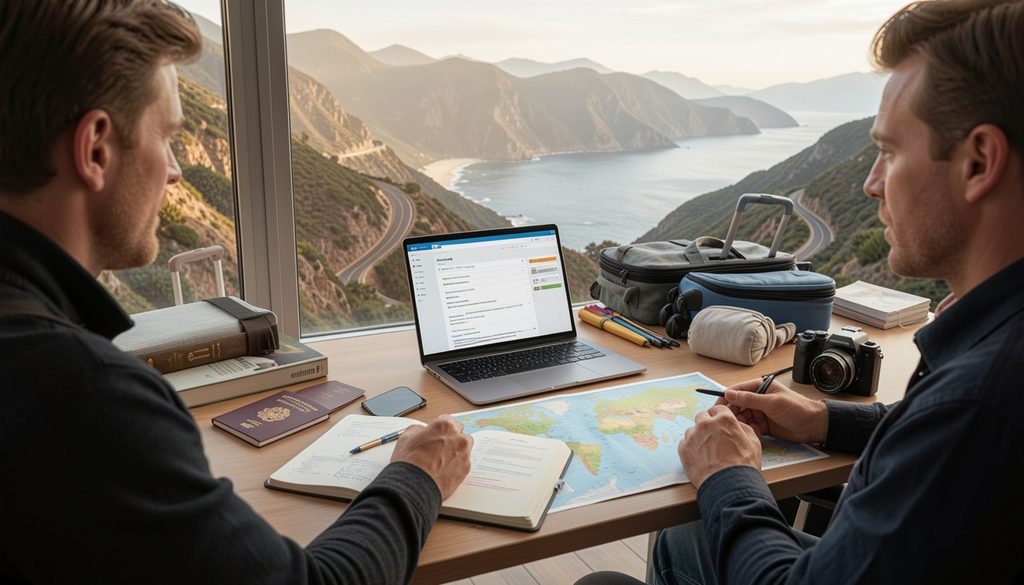
Yes. Finding the Universe can be a valuable travel-planning resource, especially when you want more than basic destination inspiration.
Its combination of destination guides, photography advice, packing information, and travel resources makes it particularly useful for travelers who like to research before departure. The site’s authors also emphasize that their content comes from their own travel experiences and photography.
However, no single travel blog should be your only source for time-sensitive information. Use it to understand destinations and learn from experience, then confirm important details with official sources.
Frequently Asked Questions
What is Finding the Universe?
Finding the Universe is a travel and photography blog created by Laurence and Jessica Norah. It covers destination guides, travel advice, photography, packing, gear, and travel resources.
Who writes Finding the Universe?
The site is run by Laurence and Jessica Norah. Laurence is the primary writer and photographer, while Jessica contributes as co-author.
When did Finding the Universe start?
Finding the Universe began in 2010 as a way for Laurence to document his travel experiences and photography.
Is Finding the Universe useful for USA travelers?
Yes. The site covers North America as well as destinations in Europe and other regions. Its travel-planning and photography advice can also be adapted to USA road trips and domestic vacations.
Is Finding the Universe good for travel photography?
Yes. Photography is one of the site’s major subject areas, including photography tips, gear advice, and location guides.
Does Finding the Universe provide packing advice?
Yes. Travel and packing tips are one of the site’s main content categories, including packing lists and practical travel advice.
Can beginners use Finding the Universe?
Absolutely. Beginners can start with destination guides and basic photography advice, then move into more advanced equipment and technique topics as their skills grow.
Should I rely only on a travel blog when planning a trip?
No. Travel blogs are excellent for experience-based advice and inspiration, but you should confirm current information such as visas, entry requirements, opening hours, prices, transportation, and closures through official sources.
Is Finding the Universe only about photography?
No. Photography is a major theme, but the site also covers destinations, travel planning, packing, travel resources, gear, and other travel-related topics.
How can I get the most value from Finding the Universe?
Start with a destination guide, create a shortlist of experiences, read practical planning sections, check related photography content, and then verify current travel details using official sources.
Conclusion
Finding the Universe is a valuable resource for travelers who want more than basic destination inspiration. Its combination of travel guides, photography advice, packing tips, destination planning, and first-hand experiences can help you prepare for a smarter and more enjoyable trip
.
For USA travelers, the best approach is to use Finding the Universe for ideas, practical tips, and photography inspiration, while checking official sources for current information such as prices, entry rules, opening hours, transportation, and travel advisories.
Whether you’re planning a road trip, international adventure, or photography-focused vacation, the key is to build a realistic itinerary, pack thoughtfully, leave room for unexpected experiences, and enjoy the journey instead of rushing through it.
Read More:A Dangerous Business Travel Blog: 25 Powerful Travel Lessons, Planning Tips & Expert Advice for 2026