Travel is often measured by where we arrive. We choose a city, book a hotel, create an itinerary, and count down the days until we finally reach our destination. But some of the most memorable parts of travel happen before we arrive. A beautiful highway, a quiet train ride, a new neighborhood, a roadside café, or an unexpected conversation can become part of the story.
That is the heart of For the Destination and the Journey. It means looking at travel as a complete experience instead of treating transportation as something you simply have to get through. Whether you are planning a weekend in New York, a national park road trip, a family vacation, or an international adventure, enjoying the journey can make the entire trip feel richer.
For travelers in the United States, this mindset works especially well. The country offers scenic road trips, national parks, historic towns, coastal routes, major cities, rail journeys, and countless opportunities to explore along the way. With thoughtful planning, you can make the route itself part of your adventure.
Quick Answer
For the Destination and the Journey is a travel mindset that encourages you to enjoy both parts of a trip: reaching your destination and experiencing everything that happens along the way.
A great trip is not only about checking famous attractions off a list. The road trip, airport experience, scenic train ride, local food, unexpected discoveries, conversations, and small moments can become some of your favorite memories.
The best approach is simple: plan enough to stay comfortable and safe, but leave enough flexibility to enjoy the journey.
Why Both the Destination and the Journey Matter
A destination gives your trip direction, but the journey gives it context.
Imagine driving from one major city to another. If your only goal is reaching the hotel, you may spend hours thinking about arrival time. But if you view the drive as part of the trip, you might notice changing landscapes, interesting towns, local restaurants, historic sites, or scenic viewpoints.
The same idea applies to air and train travel. Even when transportation is not the most exciting part of a vacation, you can make the experience more comfortable and meaningful by preparing properly.
The goal is not to make every minute of travel exciting. Instead, it is to become more present and appreciate the experience you are already having.
25 Ways to Enjoy Both the Destination and the Journey
Choose a Destination That Matches Your Travel Style
Before booking anything, think about what you actually enjoy.
Do you prefer:
- Big cities?
- Beaches?
- National parks?
- History?
- Food?
- Museums?
- Scenic drives?
- Outdoor activities?
- Small towns?
- Family-friendly attractions?
A popular destination is not automatically the right destination for you.
For example, someone who loves quiet nature may enjoy a national park getaway more than a busy city vacation. Someone who loves food and culture may prefer a major urban destination.
Make the Route Part of the Adventure
If you are taking a road trip, do not automatically choose the fastest route.
Look for interesting stops that fit naturally along the way. A small detour can turn a basic drive into a memorable travel experience.
You might include:
- Scenic viewpoints
- Historic downtowns
- Local restaurants
- Museums
- Lakes and beaches
- State parks
- Cultural attractions
- Farm stands
- Small-town landmarks
However, avoid adding so many stops that the journey becomes exhausting.
The best route balances efficiency with discovery.
Build a Flexible Itinerary
A good itinerary provides structure without controlling every minute.
Instead of scheduling activities from morning until night, identify a few priorities for each day and leave open time around them.
For example:
| Planning Style | Advantage | Potential Problem |
| Fully scheduled | Easy to organize | Little flexibility |
| Completely spontaneous | Maximum freedom | Important activities may be missed |
| Flexible itinerary | Balance of structure and freedom | Requires judgment |
| Theme-based itinerary | Easy to personalize | May limit variety |
For most leisure trips, a flexible itinerary is a practical middle ground.
Leave Room for Unexpected Discoveries
Some of the best travel experiences cannot be found in a checklist.
You might discover a local bookstore, hear live music from a public event, find an interesting neighborhood, or meet someone who recommends a place you had never considered.
Instead of seeing unexpected changes as problems, ask:
“Could this become part of the story?”
Of course, flexibility should never mean ignoring safety, transportation schedules, reservations, or official travel guidance.
Research the Journey Before You Leave
Preparation makes travel smoother.
For a road trip, check:
- Route options
- Weather
- Road conditions
- Fuel or charging opportunities
- Parking
- Rest stops
- Attraction hours
- Reservation requirements
For international travel, research entry requirements, passport validity, local laws, travel advisories, and destination-specific information before departure. The U.S. Department of State provides an international travel checklist covering these areas.
For national park trips, the National Park Service recommends checking current conditions, fees, reservations, timed entry, maps, and other park-specific requirements before arrival.
Pack for Comfort, Not Just Appearance
Packing affects both the destination and the journey.
A comfortable traveler is usually better prepared to enjoy the experience.
Consider practical essentials such as:
- Comfortable clothing
- Weather-appropriate layers
- Comfortable walking shoes
- Reusable water bottle
- Phone charger
- Necessary medications
- Travel documents
- Small personal comfort items
- Offline copies of important information
Do not pack everything you own. Carry what supports your actual itinerary.
Plan Comfortable Travel Days
Travel days can be tiring, especially when flights, long drives, or multiple connections are involved.
Avoid creating an unrealistic schedule immediately after a long journey.
For example, after arriving in a new city late in the day, you may benefit from a simple dinner and early rest instead of planning five major attractions.
A slower first day can help you enjoy the rest of the trip.
Discover Places Between Major Attractions
Tourists often focus on famous landmarks.
Those attractions can be excellent, but the spaces between them can also be interesting.
Explore:
- Local streets
- Neighborhood cafés
- Public markets
- Independent shops
- Community events
- Historic districts
- Parks
- Waterfront areas
This approach can help you understand how a destination feels beyond its most photographed attractions.
Turn Transportation Time Into Useful Time
Long journeys do not have to feel wasted.
Depending on the type of transportation and your situation, you can:
- Read
- Listen to an audiobook
- Organize photos
- Journal
- Study basic destination phrases
- Plan the next day
- Look out the window
- Rest
Do not feel that every spare minute must be productive, either. Sometimes simply watching the landscape change is enough.
Take Fewer Photos, but Better Photos
Photography is an excellent way to preserve memories, but constantly looking through a phone can distract you from the experience.
Try capturing:
- One great landscape
- A memorable meal
- Interesting architecture
- A meaningful moment
- A local detail
- A photo of your travel companions
Then put the camera away and experience the place.
Keep a Simple Travel Journal
You do not need to write pages every night.
A few sentences can preserve details that photographs cannot.
Write down:
- Something surprising
- Your favorite meal
- A funny moment
- A beautiful view
- A person you met
- Something you learned
- Your favorite part of the day
The National Park Service also recommends travel journaling as a way to preserve stories, photographs, maps, souvenirs, and memories from journeys.
Try Local Food Along the Way
Food can become part of the journey.
Instead of eating only at familiar national chains, consider trying reputable local restaurants, bakeries, cafés, markets, or regional specialties.
Food can tell you something about the history and culture of an area.
For a road trip, researching a few local food stops ahead of time can also give you something exciting to look forward to.
Use Scenic Routes When They Make Sense
A scenic route can transform transportation into an experience.
But scenic does not always mean better.
Consider:
- Extra driving time
- Weather
- Road conditions
- Fuel availability
- Your energy level
- Whether the scenery matches your interests
A two-hour detour for a beautiful viewpoint may be worthwhile on a relaxed vacation but not before an important flight.
Balance Famous Attractions With Hidden Gems
Popular attractions often deserve their reputation. Visit them if they genuinely interest you.
But do not make your entire trip about famous landmarks.
A balanced itinerary could look like:
Morning: Major attraction
Afternoon: Local neighborhood
Evening: Local food and relaxed exploration
This creates variety without making your schedule overwhelming.
Plan Around Neighborhoods
When visiting a large city, organize activities geographically.
Instead of crossing the city repeatedly, group nearby attractions together.
This can:
- Reduce transportation time
- Lower travel stress
- Give you more exploration time
- Make your itinerary easier to follow
- Help you discover nearby businesses and streets
This is particularly useful in large U.S. cities where attractions may be spread across different neighborhoods.
Learn a Little About Local History
Knowing the story behind a place can make visiting it more meaningful.
Before arriving, learn:
- How the destination developed
- Important historical events
- Local cultural traditions
- Famous people connected to the area
- Why certain landmarks matter
You do not need to become a historian. Even a little background can change the way you see a destination.
Stay Present During the Journey
One of the biggest challenges of modern travel is distraction.
Notifications, social media, emails, and constant photography can pull attention away from the experience.
Try setting aside periods when you simply observe your surroundings.
Notice:
- Sounds
- Weather
- Architecture
- Landscapes
- People
- Colors
- Food
- Local atmosphere
Being present is one of the simplest ways to make a journey feel more memorable.
Prepare for Small Problems
Good travel planning does not eliminate every problem. It helps you handle problems calmly.
Create a basic backup plan for:
- Bad weather
- Delays
- Lost reservations
- Attraction closures
- Transportation changes
- Phone battery problems
- Changes to opening hours
For outdoor trips, official guidance is especially important. The National Park Service recommends checking conditions, preparing for unexpected situations, and understanding the requirements of the specific park you plan to visit.
Respect the Places You Visit
Responsible travel protects destinations for future visitors.
Simple habits include:
- Follow local rules
- Respect wildlife
- Stay on designated trails
- Dispose of waste properly
- Respect local communities
- Follow photography restrictions
- Avoid damaging natural or historic sites
The National Park Service encourages visitors to plan ahead and recreate responsibly while protecting natural and cultural resources.
Give Yourself Recovery Time
Travel can be exciting and tiring at the same time.
Do not treat rest as wasted vacation time.
A quiet morning, relaxed lunch, or early evening can help you enjoy the next day more.
A trip that gives you time to breathe may be more enjoyable than one packed with nonstop activities.
Travel With the Right People
Your travel companions can dramatically affect the journey.
Before traveling together, discuss:
- Budget
- Sleeping preferences
- Activity levels
- Food preferences
- Free time
- Transportation
- Daily schedules
Not everyone travels in the same way.
Understanding those differences before the trip can prevent unnecessary tension.
Set a Travel Budget Before You Go
A travel budget should include more than flights and hotels.
Consider:
| Expense | Examples |
| Transportation | Flights, trains, rental cars, fuel |
| Accommodation | Hotels, lodging, taxes |
| Food | Restaurants, groceries, snacks |
| Attractions | Tickets, tours, admissions |
| Local transport | Transit, rides, parking |
| Extras | Souvenirs, unexpected costs |
| Emergency buffer | Unplanned expenses |
A small emergency buffer can make unexpected costs easier to handle.
Keep Important Information Accessible
Before departure, organize important information in a secure place.
Depending on your trip, this may include:
- Identification
- Travel reservations
- Accommodation details
- Emergency contacts
- Insurance information
- Transportation information
- Important phone numbers
For international travel, the U.S. Department of State recommends organizing required travel documents and reviewing destination-specific requirements before departure.
Reflect on the Journey After Returning Home
The journey does not have to end when you arrive home.
Look through your photographs and notes.
Ask yourself:
What was my favorite experience?
What surprised me?
What would I change?
What would I repeat?
What did I learn?
Where would I like to go next?
This turns one trip into a foundation for better future travel.
Remember That Travel Is More Than a Checklist
Perhaps the most important lesson is this:
Do not judge a trip only by how many attractions you visited.
A successful trip can be a peaceful morning, a great conversation, a beautiful road, a memorable meal, or a moment when you discovered something completely unexpected.
The destination matters.
But so does everything that happens before, between, and after the major attractions.
Destination vs. Journey: Which Should You Prioritize?
You do not necessarily need to choose one.
| Destination Focus | Journey Focus |
| Major landmarks | Scenic routes |
| Famous attractions | Local discoveries |
| Planned activities | Spontaneous experiences |
| Efficient transportation | Enjoying the route |
| Specific travel goals | Personal memories |
| Fixed itinerary | Flexible schedule |
The Best Approach
For most leisure travelers, the ideal strategy is destination + journey.
Choose a destination you genuinely want to visit, then design the route and itinerary so the process of getting there is enjoyable too.
Pros and Cons of the Destination-and-Journey Mindset
| Pros | Cons |
| Creates richer memories | May require more planning |
| Encourages flexibility | Detours can add time |
| Helps reduce travel stress | Some journeys are simply tiring |
| Encourages local discovery | Not every stop will be interesting |
| Makes transportation more enjoyable | Flexibility may not work for strict schedules |
| Creates more meaningful travel stories | Requires balancing spontaneity with practical needs |
A Practical Destination and Journey Planning Formula

Use this simple formula:
Choose → Research → Plan → Pack → Travel → Explore → Reflect
Choose
Select a destination based on your interests.
Research
Learn about weather, transportation, attractions, local customs, costs, and requirements.
Plan
Create a flexible itinerary with a few priority activities.
Pack
Bring practical items that support your trip without overpacking.
Travel
Give yourself enough time and remain flexible when reasonable.
Explore
Look beyond the most famous attractions.
Reflect
Save your memories and think about what you learned.
Common Mistakes Travelers Make
Overplanning Every Minute
A packed itinerary can leave you too tired to enjoy anything.
Choosing a Destination Only Because It Is Popular
Popularity does not guarantee that a destination matches your interests.
Ignoring Travel Time
Travelers sometimes underestimate how tiring long drives, flights, and connections can be.
Booking Too Many Activities
Leave room for rest and unexpected discoveries.
Focusing Only on Instagram-Worthy Places
A beautiful photograph does not automatically equal a meaningful experience.
Forgetting Current Conditions
Opening hours, road conditions, reservations, weather, and access requirements can change.
Not Having a Backup Plan
A simple alternative activity can save the day when weather or closures disrupt your plans.
Treating the Journey as Wasted Time
This is perhaps the biggest mistake.
The journey can be part of the vacation.
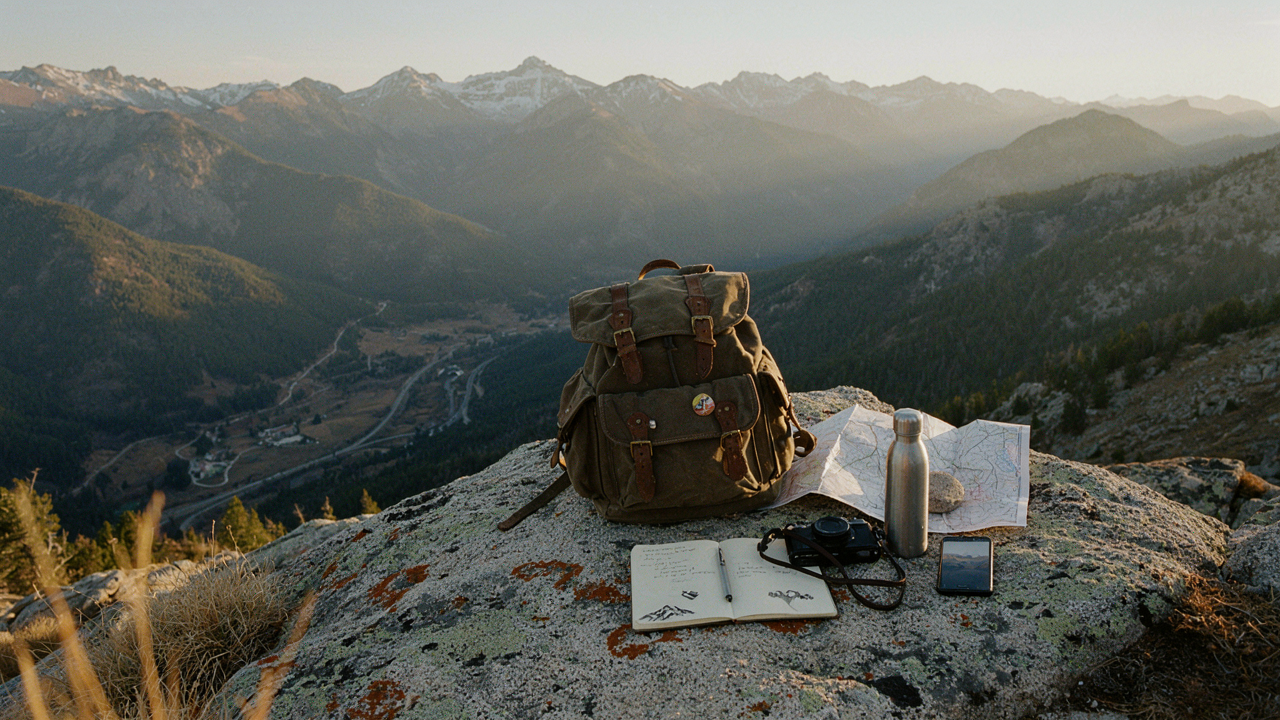
Expert Tips for Making Every Trip Better
Plan Your Priorities, Not Every Minute
Identify the experiences you absolutely want, then leave space around them.
Group Attractions by Location
This saves transportation time and creates more opportunities for neighborhood exploration.
Research Before You Leave
Official destination resources are often the best place to verify current rules, closures, reservations, and safety information.
Build in Buffer Time
Allow extra time for transportation, meals, parking, and unexpected delays.
Keep Your Itinerary Flexible
A flexible plan gives you freedom without sacrificing organization.
Choose Experiences Over Checklists
Ask yourself what you want to feel, learn, taste, or remember, not only what you want to photograph.
Respect Local Communities
Travel becomes more meaningful when visitors treat destinations as real communities rather than simply attractions.
Keep a Record of the Journey
Photos, notes, maps, tickets, and short journal entries can help preserve the story.
Destination and Journey Travel Checklist
- Choose a destination that matches your interests
- Research the best time to visit
- Check transportation options
- Review weather conditions
- Research important attractions
- Check reservations and admission requirements
- Plan a flexible itinerary
- Identify interesting stops along the route
- Book essential transportation and lodging
- Pack practical travel essentials
- Save important information offline
- Prepare a basic backup plan
- Leave room for rest
- Try local food and experiences
- Take meaningful photos
- Keep a simple travel journal
- Respect local rules and communities
- Reflect on your experience after returning home
How to Enjoy the Journey on Different Types of Trips
Road Trips
Road trips are perhaps the clearest example of the destination-and-journey philosophy.
Plan scenic stops, interesting towns, food breaks, and reasonable driving days.
Avoid making every day an exhausting race to the next hotel.
City Breaks
For a city vacation, focus on neighborhoods rather than only individual attractions.
Walk between nearby sights when practical, explore local streets, and leave time to enjoy the atmosphere.
National Park Trips
Research the specific park before traveling. The National Park Service recommends checking park websites for maps, conditions, operating information, reservations, fees, and other requirements.
The official NPS app can also provide maps, tours, accessibility information, alerts, and offline content for supported park areas.
International Trips
International travel requires additional preparation.
Review destination-specific entry requirements, passport rules, local laws, travel advisories, and other official guidance before departure. The U.S. Department of State recommends this preparation as part of its international travel checklist.
Family Vacations
Keep expectations realistic.
Children and adults may have different energy levels and interests. Include breaks, simple activities, and some flexibility.
How to Make the Journey More Memorable

A memorable journey does not require an expensive vacation.
Try simple ideas such as:
- Choose one scenic route
- Try one regional food
- Visit one lesser-known attraction
- Talk to locals respectfully
- Learn one interesting fact about the destination
- Watch a sunrise or sunset from an appropriate public location
- Write down one favorite moment each day
- Take a photo that tells a story
- Leave one afternoon completely open
These small decisions can create memories that last longer than a packed sightseeing schedule.
Frequently Asked Questions
What does “For the Destination and the Journey” mean?
It means enjoying both your final destination and the experiences you have while traveling there. The journey itself can become an important part of the vacation.
Why is the journey important in travel?
The journey can provide unexpected discoveries, scenic views, local experiences, conversations, relaxation, and memories that you may not have planned.
Should I plan every part of my vacation?
No. Plan important reservations and activities, but leave some free time for rest and spontaneous experiences.
How can I enjoy a long road trip?
Choose a comfortable route, plan reasonable driving days, take regular breaks, explore interesting stops, and avoid trying to cover too much distance in one day.
How do I balance sightseeing and relaxation?
Choose a few priority attractions each day and leave open periods for meals, rest, neighborhood exploration, or unexpected discoveries.
Is spontaneous travel better than planned travel?
Neither is automatically better. A flexible plan usually provides a good balance between preparation and freedom.
How can I make a travel itinerary more flexible?
Create a list of priority, optional, and backup activities. This makes it easier to change plans when weather, closures, delays, or energy levels affect your schedule.
What should I research before an international trip?
Research entry and exit requirements, passport validity, visas if applicable, local laws, travel advisories, transportation, accommodation, and destination-specific safety information.
How can I make a vacation more memorable?
Focus on experiences rather than simply collecting attractions. Try local food, explore neighborhoods, keep a journal, take meaningful photos, and leave room for unexpected moments.
What is the best travel mindset?
A strong travel mindset is curious, flexible, prepared, respectful, and present. Enjoy where you are going, but also appreciate how you get there.
Conclusion
The idea behind For the Destination and the Journey is simple but powerful: travel should not begin when you arrive at your hotel and end when you leave the attraction.
The road, train ride, flight, neighborhood, local meal, unexpected discovery, quiet morning, and conversations along the way can all become part of your travel story.
For your next trip, choose a destination you genuinely care about. Plan the important details, prepare for practical challenges, and then give yourself permission to slow down and enjoy the experience.
Read More:The Travel Hack: 25 Proven Ways to Travel Smarter, Cheaper & Better in 2026