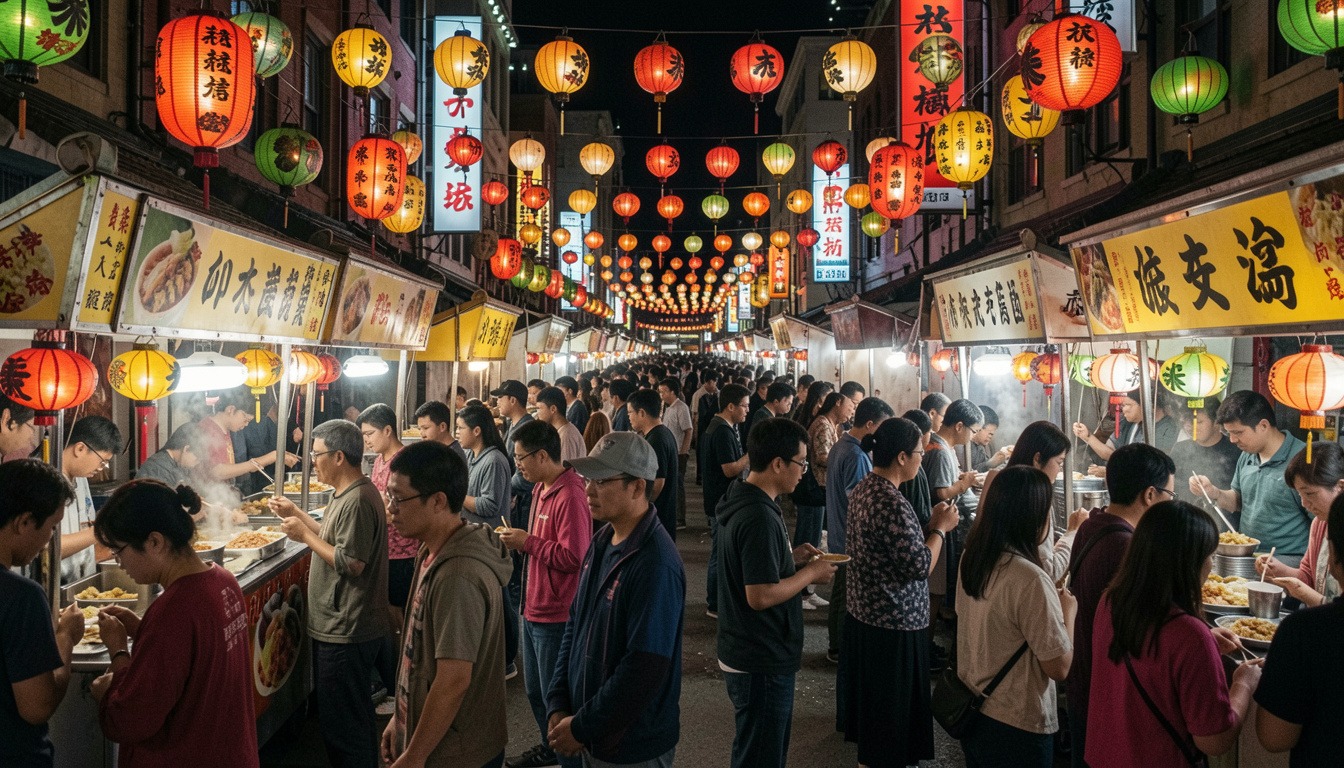
Few food experiences are as exciting as walking into a busy night market when the sun starts to set. The smell of grilled skewers fills the air, colorful lanterns glow above vendor stalls, music plays in the background, and visitors move from one food stand to another looking for their next bite. The Asian Night Market brings this kind of energy to communities across the United States while also creating space for food, art, culture, and local businesses.
For travelers, an Asian night market can be much more than a place to eat. It can be a fun way to experience Asian American culture, discover dishes you may not find at a typical restaurant, shop from small businesses, listen to live performances, and spend an evening with friends or family. Some events are large festivals with dozens or even hundreds of vendors, while others are smaller community gatherings.
Because “Asian Night Market” is used by different events around the country, it is important to check the official event information before traveling. Dates, locations, ticket prices, vendor lists, parking arrangements, and schedules can change from year to year.
Quick Answer
The Asian Night Market is a lively food and cultural experience where visitors can explore Asian street food, drinks, crafts, music, performances, and community businesses in one festive setting. In the United States, the name can refer to different local events rather than one single nationwide market.
For example, 2026 events using the Asian Night Market name or similar branding are scheduled in places including Fargo, North Dakota, Oklahoma City, and Memphis, while the well-known 626 Night Market operates in Southern California. Event dates, admission rules, vendors, and activities vary by location.
If you’re planning to visit one, expect a casual outdoor festival atmosphere, lots of food choices, crowds during peak hours, cultural entertainment, and plenty of opportunities to discover local Asian American businesses.
What Makes The Asian Night Market Special?
The appeal of The Asian Night Market comes from its combination of food, entertainment, shopping, and community.
Unlike a traditional restaurant, a night market lets you sample several dishes in one visit. You might start with dumplings, move to Korean barbecue-style skewers, try Filipino snacks, and finish with a Japanese-inspired dessert or bubble tea.
The experience also changes as the evening goes on. Early hours may be better for families and visitors who want shorter lines, while later hours often have a stronger festival atmosphere.
A Celebration of Asian American Communities
Many U.S. Asian night markets are organized around local Asian American and Pacific Islander communities. Vendors may include family-owned restaurants, food trucks, home bakers, artists, designers, specialty retailers, and community organizations.
For travelers, supporting these businesses can make the experience feel more personal than simply visiting a commercial food court.
Food Meets Entertainment
Food is usually the main attraction, but it is rarely the only one. Depending on the event, visitors may find:
- Live music
- Traditional and modern dance
- Cultural demonstrations
- Martial arts performances
- DJs
- Craft vendors
- Art displays
- Children’s activities
- Games
- Anime and pop-culture activities
- Community booths
For example, Oklahoma City’s 2026 Asian Night Market Festival is scheduled as a two-night event featuring food, beverages, retail vendors, and expanded programming.
Best Foods to Try at an Asian Night Market

Food is often the biggest reason people visit an Asian night market. Since menus vary by event, think of the following as a starting guide rather than a guaranteed vendor list.
Dumplings
Look for steamed, pan-fried, or grilled dumplings. They are easy to share and make a good first purchase while you explore.
Grilled Skewers
Skewered meats and vegetables are classic street-food choices. They are usually convenient to eat while walking around the market.
Noodles
Night markets often feature different noodle dishes, ranging from stir-fried noodles to soup-based meals. Ask the vendor about ingredients if you have food allergies.
Bao
Soft steamed buns filled with savory ingredients can make a filling snack or small meal.
Filipino Street Food
Depending on the vendor lineup, you may find Filipino favorites such as barbecue, lumpia, pancit, or sweet treats.
Korean-Inspired Foods
Korean food vendors may offer dishes such as Korean fried chicken, rice bowls, noodles, or grilled specialties.
Japanese-Inspired Snacks
Popular choices can include takoyaki, Japanese-style sandwiches, rice snacks, or creative festival desserts.
Thai Favorites
Thai vendors may serve noodles, rice dishes, grilled foods, desserts, and refreshing drinks.
Bubble Tea
Bubble tea is a popular night-market drink and comes in many flavors. Consider ordering one after you have explored the savory food stalls.
Asian Desserts
Save room for dessert. Depending on the event, options may include mochi, mango sticky rice, egg waffles, shaved ice, pastries, or other sweet creations.
Smart Food Strategy
Don’t buy a huge meal from the first stall you see. Instead, walk around once and compare the options. Then choose several smaller dishes so you can sample more foods.
15 Things to Do at The Asian Night Market
Explore Every Food Area
Take a complete walk around the market before deciding what to eat.
Try Something New
Choose one dish you already know and one you’ve never tried. This creates a comfortable but adventurous food experience.
Watch Cultural Performances
Check the event schedule for dance, music, martial arts, or other cultural presentations.
Shop From Local Artists
Look for handmade jewelry, artwork, clothing, decorations, stationery, and other creative products.
Discover Small Businesses
Many vendors use night markets to introduce their businesses to new customers.
Take Food Photos
Night markets are naturally photogenic. Capture the food, lanterns, signs, vendor stalls, and overall atmosphere.
Enjoy Live Music
Some markets include stages with local musicians, DJs, and cultural performers.
Try New Drinks
Explore bubble tea, fruit-based drinks, teas, and other nonalcoholic beverages offered by vendors.
Visit the Community Booths
Community organizations can provide useful information about local events, cultural programs, and neighborhood businesses.
Bring Friends
Night markets work especially well as group experiences because you can share dishes and compare favorites.
Explore Family Activities
Some events offer games, children’s zones, or interactive activities.
Look for Limited-Time Specials
Festival vendors may prepare dishes specifically for the event.
Learn About Different Asian Cultures
Use the event as an opportunity to discover the different cultures represented by participating vendors and performers.
Stay for the Evening Atmosphere
The market often feels different after dark when lights and lanterns become more prominent.
Support Local Vendors
Buying from independent vendors helps support small businesses and community entrepreneurs.
How to Plan Your Visit
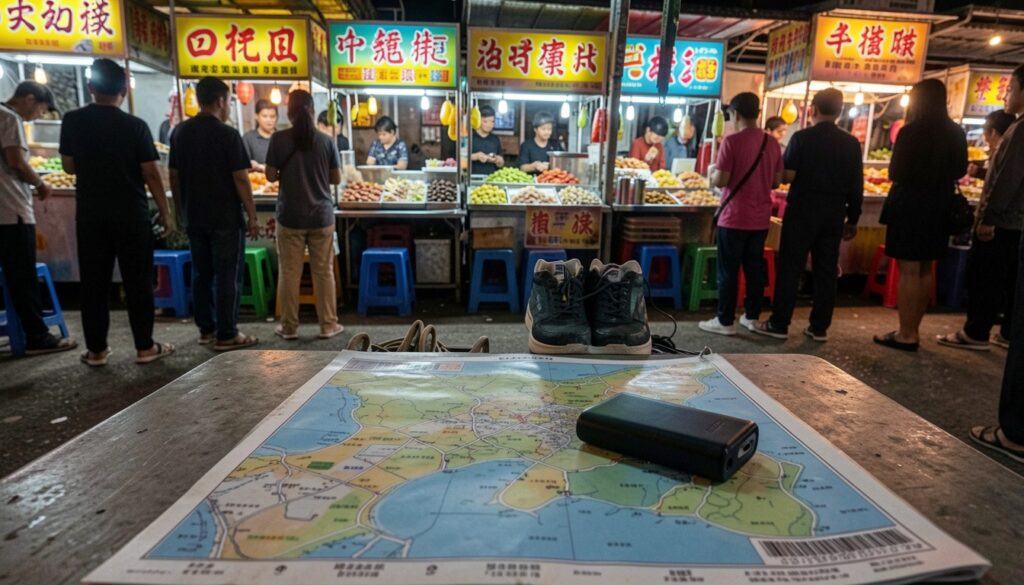
A little planning can make a major difference.
Check the Official Event Information
Because multiple events use the Asian Night Market name, always confirm the exact city and event organizer before making travel plans.
For example, the Fargo event’s official site lists a 2026 date of May 30 and identifies the Fargo Air Museum as the venue. Oklahoma City’s event is scheduled for October 2–3, 2026.
Check Admission Rules
Some markets are free, while others charge admission. Some tickets cover entry only, with food and drinks purchased separately.
The 2026 Memphis Asian Night Market, for example, states that admission tickets cover entry while food and beverages are sold separately.
Arrive With a Plan
Before entering, know:
- Where the entrance is
- Where parking is located
- Whether tickets are required
- Whether the market accepts cash or cards
- What time performances begin
- Whether seating is available
- What food you want to try
Best Time to Visit
Early evening is often a smart choice for visitors who want to explore before the busiest period.
If you prefer the full night-market atmosphere, arriving around sunset can give you a balance between daylight and evening lighting.
The Asian Night Market vs. a Traditional Asian Restaurant
| Feature | Asian Night Market | Traditional Asian Restaurant |
| Food variety | Very high | Usually focused |
| Atmosphere | Festival-style | Restaurant setting |
| Entertainment | Often available | Usually limited |
| Shopping | Common at larger events | Less common |
| Portion style | Snacks and small plates | Full meals |
| Social experience | Very high | Moderate |
| Vendor variety | Multiple businesses | One business |
| Best for | Exploring and sampling | Relaxed meal |
A night market is especially useful when you want to sample many foods rather than commit to one restaurant.
How Much Does an Asian Night Market Cost?
Costs vary widely by event.
Your budget may include:
- Admission
- Food
- Drinks
- Desserts
- Shopping
- Parking
- Transportation
Some events offer free admission, while others sell one-day or multi-day passes.
For example, the 2026 Asian Night Market in Memphis lists early-bird general admission and child pricing, while food and beverages are purchased separately from vendors.
A Simple Budget Strategy
If you’re trying to control spending, decide on a food budget before arriving. Instead of purchasing every interesting dish, choose three or four items that you really want to try.
Also remember that sharing food with friends can let everyone sample more dishes without buying a full portion of everything.
Best Asian Night Markets and Similar Events in the USA
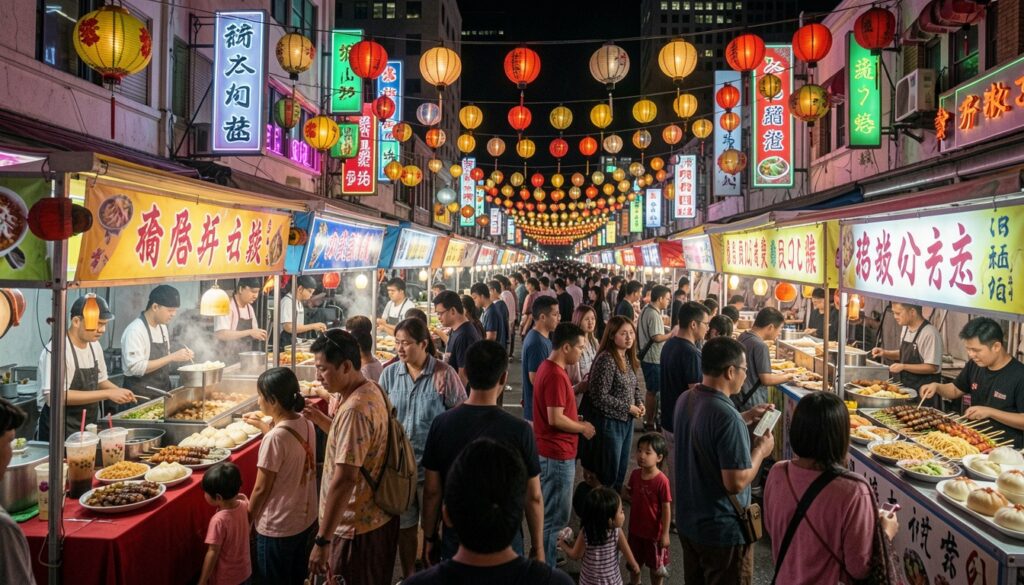
If you’re searching for an Asian night market experience in the United States, several events stand out.
626 Night Market — Southern California
The 626 Night Market is one of the best-known Asian night market brands in the United States. It began in the San Gabriel Valley in 2012 and continues to host events in Southern California.
Its official 2026 schedule lists Arcadia at Santa Anita Park for August 14–16 and Pleasanton at the Alameda County Fairgrounds for October 9–11.
Asian Night Market — Fargo
Fargo’s Asian Night Market focuses on Asian American and Pacific Islander vendors, artists, and businesses. Its 2026 event information lists more than 30 local and regional vendors.
Asian Night Market Festival — Oklahoma City
Oklahoma City’s festival is scheduled for October 2–3, 2026, at Military Park on Classen. The event includes food, drinks, retail vendors, and cultural programming.
NightMarket.fun — Central Texas
NightMarket.fun in Cedar Park combines Asian food, art, music, cultural activities, gaming, cosplay, and community programming. Its 2026 event is scheduled for November 14 at Lakeline Park.
The key lesson is simple: don’t assume every Asian night market is the same. Each event reflects the local community and its participating vendors.
Pros and Cons of Visiting The Asian Night Market
| Pros | Cons |
| Huge variety of food | Crowds can be heavy |
| Great social atmosphere | Popular vendors may have long lines |
| Supports small businesses | Parking may be difficult |
| Cultural entertainment | Some events charge admission |
| Good for families and groups | Weather can affect outdoor events |
| Unique photo opportunities | Seating may be limited |
| Easy way to sample new foods | Some foods may sell out |
Overall, the benefits usually outweigh the drawbacks if you enjoy food, festivals, and cultural experiences.
Common Mistakes Visitors Make
Eating Before You Arrive
A large meal beforehand can leave you too full to sample the market’s best foods.
Buying From the First Vendor
Walk around first. You may discover something much more interesting farther inside.
Ignoring the Schedule
If you want to watch a specific performance, check the event schedule before arriving.
Forgetting Payment Options
Don’t assume every vendor accepts the same payment methods. Check the event’s payment guidance in advance.
Arriving During the Busiest Period
Peak evening hours can bring larger crowds and longer food lines.
Trying Too Much at Once
Small portions and shared dishes are usually a better strategy.
Ignoring Food Allergies
Ask vendors about ingredients, preparation methods, and cross-contact if you have a food allergy.
Forgetting Weather Conditions
Outdoor markets can be affected by heat, rain, or wind. Check the forecast and event policy.
Planning Around an Outdated Vendor List
Vendor lineups can change. Always use the latest official information.
Expert Tips for Getting the Most From Your Visit

Arrive Before Peak Crowds
Getting there earlier can make it easier to explore, take photos, and understand the layout.
Do a Full Market Walk
Take five to ten minutes to look around before making your first major food purchase.
Share Food
If you’re traveling with friends or family, share several dishes instead of ordering one large meal each.
Save Room for Dessert
The dessert stalls are easy to overlook when savory foods dominate the market.
Photograph Before Eating
Night-market food can disappear quickly. Take a quick photo before digging in.
Follow the Official Event Account
Schedules and vendor announcements can change. Official event channels are usually the best source for last-minute updates.
Carry Essentials
A small crossbody bag or backpack can be useful for:
- Phone
- Portable charger
- Tissues
- Hand sanitizer
- Reusable water bottle where permitted
- Small amount of cash if recommended by the event
- Weather protection
Be Respectful
A night market is also a cultural community event. Ask before photographing people closely, respect vendor spaces, and avoid making assumptions about cultural traditions.
The Asian Night Market Visitor Checklist
Before you leave home, use this checklist:
- Confirm the exact event name and location
- Check the official event date
- Review ticket requirements
- Check opening and closing times
- Review the current vendor list
- Check the entertainment schedule
- Confirm parking or public transportation options
- Check payment options
- Look at the weather forecast
- Bring a phone or camera
- Bring a portable charger
- Wear comfortable shoes
- Leave room for several small dishes
- Check food ingredients if needed
- Plan how you’ll get home
- Keep the official event information available on your phone
Is The Asian Night Market Family-Friendly?
Many Asian night markets are suitable for families, especially events that include cultural performances, games, children’s activities, or dedicated family areas.
However, conditions vary by event. Some markets can become extremely crowded during peak hours, so families with younger children may prefer arriving earlier.
Before visiting, check:
- Age policies
- Stroller access
- Restroom locations
- Seating areas
- Children’s activities
- Crowd expectations
- Parking and transportation
- Weather arrangements
A simple plan can make the experience much easier for families.
Photography Tips for an Asian Night Market

Night markets are excellent places for photography because they combine artificial lights, colorful food, people, architecture, and movement.
Capture the Details
Photograph:
- Lanterns
- Food close-ups
- Vendor displays
- Handmade products
- Stage performances
- Market entrances
- Wide crowd scenes
Use Natural Light When Possible
Vendor lights can create dramatic images. Avoid using a strong flash unless necessary.
Respect People
Don’t photograph strangers closely without considering their privacy. When photographing performers or vendors, follow event rules.
Try Both Wide and Close Shots
A wide shot shows the atmosphere, while a close food shot captures texture and detail.
How The Asian Night Market Supports Local Communities
A night market can function as both a cultural celebration and a small-business platform.
Food vendors can introduce their businesses to new customers. Artists can sell original work. Community organizations can connect with residents. Performers can showcase their talents.
This makes the market more than a collection of food stalls. It can become a meeting place where different generations and communities interact.
The Fargo event, for instance, describes its goal around showcasing local Asian American and Pacific Islander vendors, artisans, and artists.
The broader night-market concept has also become increasingly visible in American cities, where food, music, art, and community events bring people together after dark.
Frequently Asked Questions
What is The Asian Night Market?
The Asian Night Market generally refers to a community festival or food market featuring Asian street food, cultural entertainment, shopping, art, and local businesses. Several U.S. events use this name or similar names.
Is The Asian Night Market the same everywhere?
No. Different cities organize their own Asian night markets. Vendors, food, activities, prices, dates, and admission rules vary.
What food can you find at an Asian night market?
Depending on the event, you may find dumplings, noodles, skewers, bao, Filipino food, Korean dishes, Thai food, Japanese-inspired snacks, bubble tea, and Asian desserts.
Are Asian night markets expensive?
Costs vary. Some events are free, while others charge admission. Food and shopping are generally separate expenses.
Are Asian night markets family-friendly?
Many are, but you should check the specific event’s rules and activities. Crowds can be heavier during peak evening hours.
What is the best time to visit an Asian night market?
Arriving around sunset or slightly earlier often gives you a good combination of manageable crowds, daylight, and evening atmosphere.
Should I bring cash?
Check the event’s official payment information. Many modern vendors accept cards or mobile payments, but payment policies can differ.
Can I take photos at an Asian night market?
Usually, personal photography is welcome, but you should respect vendors, performers, and other visitors. Follow any photography restrictions posted by the event.
How do I find an Asian night market near me?
Search for the exact city or region plus “Asian Night Market” and verify the result through the event organizer’s official website or a trusted local tourism organization.
Is an Asian night market worth visiting?
Yes, especially if you enjoy street food, cultural events, local businesses, photography, and lively evening experiences. The variety makes it easy to build your own experience.
Conclusion
The Asian Night Market is more than a place to grab a quick meal—it is a fun way to experience Asian street food, culture, entertainment, art, and local community in one lively setting. From dumplings and noodles to bubble tea, desserts, live performances, and handmade products, there is something for almost every traveler to enjoy.
Before you visit, check the official event website for the latest date, location, ticket information, vendor list, and schedule. Arrive early, explore the market before choosing your food, share several dishes with friends or family, and keep some room for dessert.
Whether you’re a dedicated foodie or simply looking for a unique evening experience, The Asian Night Market can turn an ordinary night into a memorable adventure. Choose your destination, check the latest event details, and get ready to taste, explore, and enjoy.
Read More: The Asian Night Market Has Come to America and These Are the Best Ones