Planning a vacation is exciting, but unexpected problems can quickly turn a dream trip into a stressful experience. Flights may be canceled, luggage can go missing, or you could face a medical emergency far from home. These situations often lead to expensive bills and ruined travel plans. That’s where Travel insurance USA becomes one of the smartest investments you can make before traveling.
Whether you’re flying across the United States or exploring another country, the right travel insurance policy provides financial protection and peace of mind. Instead of worrying about unexpected costs, you can focus on enjoying your trip, knowing you’re covered if something goes wrong.
In this complete guide, you’ll learn what travel insurance includes, how much it costs, which coverage options matter most, and how to choose the best policy for your travel style. We’ll also explain common exclusions, compare plan types, and share expert tips to help you avoid costly mistakes.
Quick Answer
Travel insurance USA helps protect travelers from unexpected expenses such as trip cancellations, medical emergencies, lost luggage, travel delays, and emergency evacuations. Most policies cost around 4%–10% of your total trip cost, making them a smart investment for both domestic and international travel.
25 Essential Travel Tips for Beginners: The Complete First-Time Traveler’s Guide (2026)
Why You Can Trust This Guide
This guide is based on current travel insurance practices, common policy features offered by major providers, and travel industry recommendations. It is written in simple language to help travelers understand what travel insurance covers, what it does not cover, and how to choose the right plan for their needs.
Whether you’re planning a weekend getaway in the U.S. or an international vacation, this guide will help you make informed decisions before purchasing travel insurance.
What Is Travel Insurance USA?
Travel insurance USA is a type of insurance policy that helps protect travelers against unexpected financial losses before or during a trip. Depending on the plan you choose, it can reimburse you for canceled trips, delayed flights, emergency medical treatment, lost baggage, and many other travel-related problems.
Travel insurance is designed to reduce the financial risk of traveling. While no one expects their vacation to be interrupted, accidents, illness, severe weather, airline disruptions, or family emergencies can happen without warning. Having the right policy means you won’t have to pay every unexpected expense out of your own pocket.
Most travel insurance plans are available for:
- Domestic travel within the United States
- International vacations
- Business trips
- Family vacations
- Cruises
- Adventure travel
- Student travel
- Senior travelers
Many travelers assume their regular health insurance or credit card offers enough protection. In reality, these benefits are often limited, especially when traveling abroad. That’s why dedicated travel insurance is recommended for many trips.
How Does Travel Insurance Work?
Travel insurance works by providing financial reimbursement or direct assistance when covered events occur during your trip.
Here’s a simple process:
- Purchase a travel insurance policy before your trip.
- Travel as planned.
- If a covered event happens, such as a medical emergency or trip cancellation, contact your insurance provider.
- Submit the required documents, receipts, or medical records.
- If your claim is approved, you’ll receive reimbursement or direct payment according to your policy limits.
Every policy has different coverage limits, exclusions, and claim procedures, so reading the policy details is important before purchasing.
Who Should Buy Travel Insurance?

Travel insurance is useful for almost every traveler, but it becomes especially valuable if you:
- Are taking an expensive vacation
- Have prepaid, non-refundable bookings
- Are traveling internationally
- Plan to visit multiple countries
- Are traveling during hurricane or winter storm seasons
- Have connecting flights
- Are going on a cruise
- Plan adventure activities
- Are traveling with children
- Are a senior traveler
- Have existing medical concerns
Even a short domestic trip can benefit from coverage if you’ve prepaid hotels, flights, or event tickets.
Why Travel Insurance Is Important
Travel rarely goes exactly as planned. Even the most organized travelers face unexpected situations that can lead to significant financial losses. Travel insurance acts as a safety net, helping you recover costs and receive assistance when emergencies arise.
Instead of viewing travel insurance as an extra expense, many experienced travelers consider it part of the overall travel budget. The relatively small premium can protect thousands of dollars in prepaid travel costs.
1. Protects Your Trip Investment
Many vacations include prepaid flights, hotels, tours, cruises, and attraction tickets. If you must cancel due to a covered reason such as illness, injury, or certain family emergencies, travel insurance may reimburse these non-refundable expenses.
This protection is especially valuable for international vacations and luxury trips where costs can quickly add up.
2. Covers Emergency Medical Expenses
Medical care abroad can be expensive, and many U.S. health insurance plans provide limited or no coverage outside the country.
Travel insurance may help pay for:
- Emergency doctor visits
- Hospital stays
- Emergency surgery
- Prescription medications
- Ambulance transportation
- Emergency dental treatment
For travelers visiting countries with high healthcare costs, this coverage can provide significant financial protection.
3. Helps During Flight Delays
Weather, airline staffing issues, mechanical problems, and airport disruptions can delay flights for hours or even days.
Depending on your policy, travel insurance may reimburse reasonable expenses such as:
- Hotel accommodations
- Meals
- Local transportation
- Essential personal items
This coverage helps reduce out-of-pocket costs while waiting for your trip to continue.
4. Protects Against Lost or Delayed Baggage
Lost luggage can disrupt your trip, especially if it contains clothing, medications, or essential travel items.
Many travel insurance plans provide compensation for:
- Lost baggage
- Stolen luggage
- Damaged baggage
- Delayed baggage
- Emergency purchases while waiting for luggage
Keeping receipts for replacement purchases can make the claims process easier.
5. Provides Emergency Assistance
One of the most valuable features of many travel insurance policies is access to 24/7 emergency assistance services.
These services may include:
- Finding nearby hospitals
- Medical referrals
- Emergency translation assistance
- Replacing lost passports
- Legal referrals
- Emergency travel arrangements
- Coordinating medical evacuation
Having professional support available around the clock can be invaluable when you’re in an unfamiliar destination.
Quick Comparison: Traveling With vs. Without Travel Insurance
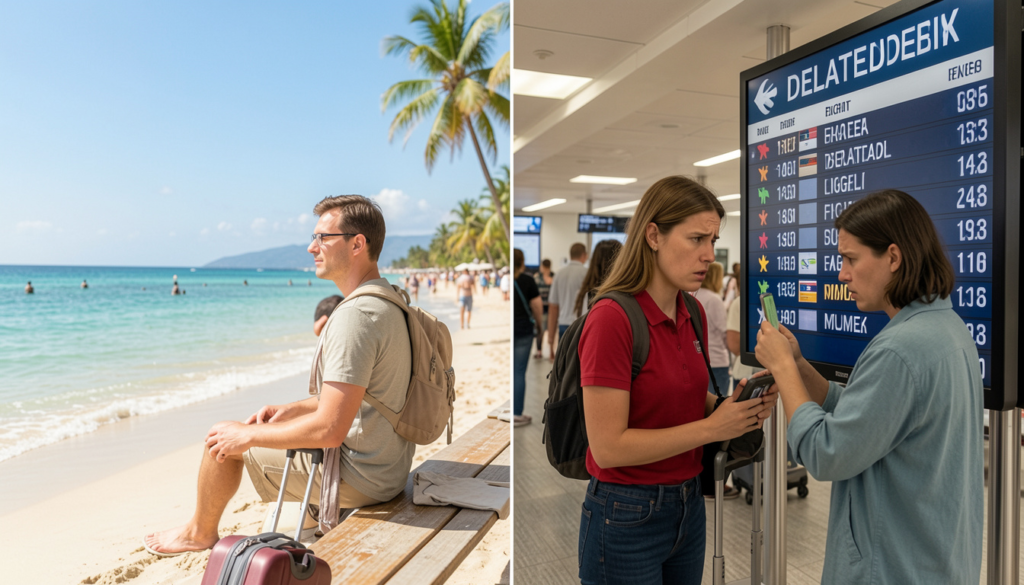
| Situation | With Travel Insurance | Without Travel Insurance |
| Trip cancellation | May receive reimbursement | Lose prepaid expenses |
| Medical emergency | Covered up to policy limits | Pay full medical costs |
| Lost baggage | Eligible for compensation | Replace items yourself |
| Flight delay | Meals and hotel may be covered | Pay out of pocket |
| Emergency evacuation | Often covered | Can cost tens of thousands of dollars |
| Peace of mind | High | Lower during unexpected events |
Types of Travel Insurance
Not every traveler needs the same type of coverage. The best Travel insurance USA policy depends on where you’re going, how much you’ve spent, and the risks involved. Understanding the different types of travel insurance helps you choose a plan that fits your trip and budget.
Single-Trip Travel Insurance
A single-trip policy covers one specific vacation from the departure date until you return home.
This option is ideal for:
- Family vacations
- International holidays
- Business trips
- Honeymoons
- Cruises
Best For
- Travelers who take one or two trips each year
- Expensive vacations with prepaid bookings
- First-time international travelers
Advantages
- Affordable for occasional travelers
- Easy to customize
- Covers one complete journey
Annual Multi-Trip Insurance
If you travel several times each year, an annual plan may save both money and time.
Instead of purchasing insurance before every trip, one policy covers multiple trips during a 12-month period.
Best For
- Frequent business travelers
- Digital nomads
- Travel bloggers
- Families who vacation several times a year
Pros
- One purchase covers multiple trips
- More convenient
- Often less expensive than buying several single-trip policies
Domestic Travel Insurance
Many people think travel insurance is only for international travel, but domestic trips can also benefit from coverage.
Domestic plans often include:
- Trip cancellation
- Trip interruption
- Flight delays
- Lost baggage
- Rental car protection
- Emergency assistance
Medical coverage may be limited because your regular health insurance often works within the United States.
International Travel Insurance
International travel usually comes with greater risks, making this one of the most popular types of Travel insurance USA.
Most international plans include:
- Emergency medical treatment
- Hospital stays
- Emergency evacuation
- Trip cancellation
- Lost luggage
- Travel delays
- Passport assistance
This type of insurance is highly recommended for overseas travel.
Travel Medical Insurance
Travel medical insurance focuses mainly on healthcare during your trip.
Instead of protecting prepaid travel expenses, it primarily pays for emergency medical care.
Coverage may include:
- Doctor visits
- Hospitalization
- Surgery
- Prescription medications
- Emergency dental care
- Ambulance services
This option is popular among travelers visiting countries with expensive healthcare systems.
Comprehensive Travel Insurance
A comprehensive policy combines several types of protection into one plan.
It often includes:
- Trip cancellation
- Trip interruption
- Emergency medical expenses
- Medical evacuation
- Lost baggage
- Delayed baggage
- Flight delays
- Personal liability (in some plans)
For most travelers, comprehensive coverage provides the best overall protection.
Cruise Travel Insurance
Cruises involve unique risks that standard travel plans may not fully cover.
Cruise insurance often provides additional protection for:
- Missed port departures
- Cabin confinement
- Cruise itinerary changes
- Emergency evacuation from a ship
- Missed excursions
Because medical evacuation from a cruise ship can be extremely expensive, this coverage is often worth considering.
Adventure Travel Insurance
Standard travel insurance doesn’t always cover high-risk activities.
Adventure travel insurance may include protection for activities such as:
- Skiing
- Snowboarding
- Scuba diving
- Mountain climbing
- Zip lining
- White-water rafting
- Hiking
- Surfing
Always verify that your planned activities are specifically covered before purchasing a policy.
Student Travel Insurance
Students studying abroad often need specialized insurance.
These plans may include:
- Medical emergencies
- Mental health support
- Personal belongings
- Emergency evacuation
- Academic interruption
- Return home benefits
Many universities require proof of travel insurance before students arrive.
Senior Travel Insurance
Older travelers may benefit from policies designed for their needs.
These plans often provide:
- Higher medical coverage
- Coverage for age-related emergencies
- Emergency evacuation
- Prescription assistance
- Trip cancellation protection
Some insurers have age limits or higher premiums, so comparing policies is important.
Travel Insurance Comparison Table
| Insurance Type | Medical Coverage | Trip Cancellation | Baggage Protection | Best For |
| Single Trip | ✅ | ✅ | ✅ | One vacation |
| Annual Multi-Trip | ✅ | ✅ | ✅ | Frequent travelers |
| Domestic | Limited | ✅ | ✅ | U.S. travel |
| International | ✅ Excellent | ✅ | ✅ | Overseas trips |
| Medical Only | ✅ Excellent | ❌ | ❌ | Healthcare protection |
| Comprehensive | ✅ | ✅ | ✅ | Most travelers |
| Cruise | ✅ | ✅ | ✅ | Cruise vacations |
| Adventure | ✅ | ✅ | ✅ | Outdoor activities |
| Student | ✅ | Limited | ✅ | Study abroad |
| Senior | ✅ Higher Limits | ✅ | ✅ | Older travelers |
What Travel Insurance Covers
Coverage varies by provider, but most comprehensive Travel insurance USA plans include the following protections.
Trip Cancellation
One of the biggest reasons travelers purchase insurance is trip cancellation coverage.
If you must cancel your trip for a covered reason, your insurer may reimburse prepaid, non-refundable expenses.
Common covered reasons include:
- Serious illness
- Injury
- Death of a family member
- Severe weather
- Jury duty
- Natural disasters
- Certain work-related situations
Covered expenses may include:
- Flights
- Hotels
- Cruises
- Vacation packages
- Tours
- Event tickets
Trip Interruption
Sometimes a trip begins as planned but must end early.
Trip interruption coverage may reimburse:
- Unused hotel nights
- Missed excursions
- New airline tickets home
- Additional transportation costs
For example, if a family emergency requires you to return home early, your policy may cover many of the unexpected expenses.
Emergency Medical Expenses
Medical treatment overseas can be extremely expensive.
Many travel insurance policies pay for:
- Emergency doctor visits
- Hospital stays
- Surgery
- X-rays
- Medical tests
- Emergency dental treatment
This is one of the most valuable benefits for international travelers.
Emergency Medical Evacuation
If you’re seriously injured or become critically ill, local hospitals may not have the necessary equipment.
Medical evacuation coverage may pay for transportation to:
- A better-equipped hospital
- Another city
- Another country
- Back to the United States if medically necessary
Without insurance, these evacuations can cost tens of thousands of dollars.
Lost Baggage
Airlines occasionally lose checked luggage.
If your bags are permanently lost, travel insurance may reimburse you for:
- Clothing
- Electronics (subject to limits)
- Personal belongings
- Travel essentials
Coverage limits vary by insurer.
Delayed Baggage
Sometimes your luggage isn’t lost—it simply arrives late.
Many policies reimburse essential purchases such as:
- Clothing
- Toiletries
- Shoes
- Phone chargers
- Basic travel necessities
Keep all receipts for reimbursement.
Travel Delay
Unexpected delays can create additional expenses.
Coverage may include:
- Hotel stays
- Meals
- Taxi fares
- Public transportation
- Essential supplies
Most policies require delays to exceed a minimum number of hours before benefits begin.
Missed Connection
Missing a connecting flight can lead to expensive last-minute travel changes.
Travel insurance may reimburse:
- New airfare
- Overnight hotel stays
- Meals
- Transportation
This benefit is especially useful for international flights with multiple connections.
Accidental Death and Dismemberment
Some policies provide a financial benefit if a traveler suffers a fatal accident or certain serious injuries during the covered trip.
Although it’s not pleasant to think about, this benefit adds another layer of protection for families.
What Travel Insurance Usually Doesn’t Cover

Understanding exclusions is just as important as knowing what’s covered.
Most Travel insurance USA policies do not cover:
- Pre-existing medical conditions (unless specifically covered)
- Routine medical checkups
- Cosmetic procedures
- Traveling against government advisories
- Illegal activities
- Alcohol- or drug-related incidents
- Extreme sports without additional coverage
- Lost cash
- Forgotten belongings
- Undocumented claims
- Self-inflicted injuries
- Civil unrest in some situations
- Pregnancy-related routine care (varies by policy)
Always read the policy’s exclusions carefully before buying.
Real-Life Example 1
Sarah books a $6,500 family vacation to Italy.
One week before departure, her son develops appendicitis and requires emergency surgery.
Because Sarah purchased comprehensive Travel insurance USA, her policy reimburses the non-refundable costs for flights, hotels, and tours, saving her thousands of dollars.
Real-Life Example 2
David travels to Japan and slips while hiking.
He requires emergency surgery and spends three days in a hospital.
His travel medical insurance covers eligible hospital expenses and emergency treatment, helping him avoid a large unexpected medical bill.
How Much Does Travel Insurance USA Cost?
One of the most common questions travelers ask is, “How much does Travel insurance USA cost?” The good news is that travel insurance is usually much more affordable than people expect.
Most policies cost 4% to 10% of your total prepaid trip cost. The exact price depends on your age, destination, trip length, coverage limits, and any optional add-ons you choose.
For example, if your vacation costs $4,000, a comprehensive travel insurance policy may cost between $160 and $400. Spending a small percentage of your trip budget can protect you from much larger financial losses if something goes wrong.
Average Travel Insurance Costs
| Trip Cost | Estimated Insurance Cost (4%–10%) |
| $1,000 | $40–$100 |
| $2,500 | $100–$250 |
| $5,000 | $200–$500 |
| $7,500 | $300–$750 |
| $10,000 | $400–$1,000 |
Tip: Prices vary by insurer, so compare multiple quotes before purchasing.
What Affects the Price of Travel Insurance?
Several factors influence how much you’ll pay for Travel insurance USA.
1. Traveler’s Age
Older travelers generally pay higher premiums because they are statistically more likely to require medical care during a trip.
2. Trip Cost
The more expensive your vacation, the more it typically costs to insure because potential reimbursement amounts are higher.
3. Destination
Traveling to countries with high medical costs may increase your premium. Remote destinations may also require higher evacuation coverage.
4. Trip Length
A two-week vacation generally costs more to insure than a weekend getaway because the coverage period is longer.
5. Coverage Limits
Higher coverage limits usually mean a higher premium, but they also provide greater financial protection.
6. Optional Add-Ons
Many insurers offer extra coverage for specific travel needs, such as:
- Cancel For Any Reason (CFAR)
- Adventure sports
- Rental car damage
- High-value electronics
- Cruise-specific protection
These optional benefits increase the total cost.
How to Choose the Best Travel Insurance USA Policy
Not all policies are the same. Choosing the right plan means matching coverage to your travel plans, budget, and personal needs.
Step 1: Consider Your Destination
If you’re traveling internationally, prioritize:
- Emergency medical coverage
- Medical evacuation
- 24/7 emergency assistance
For domestic travel, trip cancellation and delay benefits may be more important.
Step 2: Calculate Your Financial Risk
Ask yourself:
- How much have I prepaid?
- Can I afford to lose that money?
- Would I be able to pay for a medical emergency abroad?
The higher your financial risk, the more comprehensive your policy should be.
Step 3: Compare Coverage Limits
Don’t focus only on price. Review the coverage limits for:
- Medical expenses
- Emergency evacuation
- Trip cancellation
- Baggage loss
- Travel delays
A slightly more expensive policy may offer significantly better protection.
Step 4: Read the Exclusions
Before buying Travel insurance USA, always read the exclusions section carefully.
Look for details about:
- Pre-existing medical conditions
- Adventure sports
- Pregnancy coverage
- Weather-related claims
- Pandemic-related coverage
Understanding what isn’t covered helps prevent claim surprises later.
Step 5: Check Customer Support
Choose an insurer that offers:
- 24/7 assistance
- Emergency phone support
- Online claims
- Mobile app access
- Fast reimbursement process
Reliable customer service can make a stressful travel situation much easier.
Best Travel Insurance for Different Travelers

Different trips require different types of coverage.
| Traveler Type | Recommended Coverage |
| Solo travelers | Comprehensive travel insurance |
| Families | Family travel insurance with medical coverage |
| Seniors | High medical limits and evacuation coverage |
| Students | Study abroad insurance |
| Business travelers | Annual multi-trip insurance |
| Cruise passengers | Cruise travel insurance |
| Adventure travelers | Adventure sports coverage |
| Frequent flyers | Annual travel insurance plan |
Comprehensive vs Basic Travel Insurance
| Feature | Basic Plan | Comprehensive Plan |
| Trip cancellation | Limited | ✔ |
| Emergency medical | Limited | ✔ |
| Medical evacuation | Optional | ✔ |
| Lost baggage | Basic | Higher limits |
| Travel delays | Limited | ✔ |
| Emergency assistance | Basic | 24/7 support |
| Rental car coverage | Usually optional | Often available |
| Best for | Budget trips | Most vacations |
Pros and Cons of Travel Insurance USA
| Pros | Cons |
| Protects prepaid travel expenses | Adds to trip cost |
| Covers many medical emergencies | Coverage varies by policy |
| Pays for flight delays | Some exclusions apply |
| Helps replace lost luggage | Claims require documentation |
| Offers emergency assistance | Optional upgrades increase cost |
| Provides peace of mind | Not every reason for cancellation is covered |
Travel Insurance Checklist
Before buying a policy, use this checklist:
- ✔ Compare quotes from multiple insurers
- ✔ Read the policy wording carefully
- ✔ Check medical coverage limits
- ✔ Verify emergency evacuation coverage
- ✔ Review baggage protection
- ✔ Understand cancellation rules
- ✔ Look for pandemic-related benefits if needed
- ✔ Confirm coverage for planned activities
- ✔ Save digital and printed copies of your policy
- ✔ Keep emergency contact numbers with you while traveling
Common Mistakes Travelers Make

Avoid these common errors when purchasing Travel insurance USA.
Waiting Too Long to Buy
Buying insurance soon after booking your trip may provide access to additional benefits and ensures you’re covered for unexpected events that occur before departure.
Choosing the Cheapest Policy
The least expensive policy isn’t always the best value. Low-cost plans may have lower coverage limits or exclude important benefits.
Ignoring Medical Coverage
Many travelers focus only on trip cancellation, but emergency medical expenses abroad can be far more costly.
Forgetting Adventure Activities
If you plan to ski, scuba dive, hike, or participate in other higher-risk activities, make sure they’re covered by your policy.
Not Reading the Fine Print
Coverage limits, waiting periods, exclusions, and claim requirements vary by insurer. Understanding these details before your trip can save time and frustration later.
Failing to Keep Receipts
If you need to file a claim, documentation is essential. Save receipts for hotels, meals, transportation, and replacement items related to a covered event.
Expert Tips for Buying Travel Insurance USA
- Buy your policy soon after booking your trip.
- Compare coverage, not just price.
- Choose medical coverage with adequate limits for your destination.
- Consider annual coverage if you travel multiple times a year.
- Keep digital copies of your insurance documents on your phone.
- Store emergency assistance numbers in your contacts.
- Review policy exclusions before you travel.
- Check whether your credit card already offers limited travel protections so you can avoid duplicate coverage.
FAQs
Is travel insurance worth it for trips within the USA?
Yes. Even if you’re traveling domestically, Travel insurance USA can reimburse prepaid, non-refundable expenses if your trip is canceled or interrupted. It may also provide coverage for flight delays, lost baggage, and emergency travel assistance.
What does Travel Insurance USA typically cover?
Most comprehensive policies cover:
- Trip cancellation
- Trip interruption
- Emergency medical expenses
- Emergency medical evacuation
- Lost baggage
- Delayed baggage
- Flight delays
- Missed connections
- 24/7 emergency assistance
Coverage varies by insurer and policy.
Does travel insurance cover pre-existing medical conditions?
Some policies may cover pre-existing medical conditions if specific requirements are met, such as purchasing the policy within the insurer’s eligibility window. Always review the policy details before buying.
How much does Travel Insurance USA cost?
Most travel insurance plans cost approximately 4% to 10% of your total prepaid trip cost. Factors such as age, destination, trip length, and coverage options affect the final premium.
When should I buy travel insurance?
It’s generally best to purchase travel insurance soon after booking your trip. Buying early may provide access to additional benefits and ensures coverage is in place before unexpected events occur.
Does travel insurance cover canceled flights?
If your flight is canceled for a covered reason, your policy may reimburse eligible expenses such as unused travel arrangements, additional transportation, meals, or hotel accommodations, depending on the plan.
Is travel medical insurance the same as health insurance?
No. Travel medical insurance is designed to provide temporary emergency medical coverage while you’re traveling. It does not replace your regular health insurance.
Can I buy travel insurance after booking my trip?
Yes. Most insurance providers allow travelers to purchase coverage after booking. However, buying earlier often provides the greatest protection and may qualify you for additional benefits.
Does travel insurance cover lost luggage?
Yes. Many policies reimburse travelers for lost, stolen, or damaged baggage up to the coverage limits listed in the policy.
Who should purchase Travel Insurance USA?
Travel insurance is recommended for:
- International travelers
- Families
- Seniors
- Business travelers
- Cruise passengers
- Students studying abroad
- Adventure travelers
- Anyone with prepaid, non-refundable travel expenses
Conclusion
Whether you’re planning a quick weekend getaway or a once-in-a-lifetime international adventure, Travel insurance USA is one of the smartest investments you can make before leaving home. While no one expects travel disruptions, unexpected events such as medical emergencies, flight cancellations, severe weather, or lost luggage can happen at any time.
Choosing the right policy helps protect your finances, reduces stress, and gives you confidence throughout your journey. Instead of worrying about what could go wrong, you can focus on enjoying your destination, knowing you have support if the unexpected happens.
Before purchasing a plan, compare coverage options, read the policy carefully, and select benefits that match your travel style and destination. A little preparation today can save you significant time, money, and frustration later.
Ready for your next trip? Take time to compare travel insurance plans, understand what’s covered, and purchase your policy before you travel. The right coverage can help make every journey safer and more enjoyable.