For many people, travel begins with a vacation. You save money for months, book a hotel, spend a week somewhere exciting, and then return home to normal life. But what if travel did not have to be something you squeezed into a few days each year? What if you could turn travel into a lifestyle that fits naturally into the way you work, save, plan, and spend your time?
A travel-focused lifestyle does not necessarily mean becoming a full-time digital nomad or living out of a suitcase. It can mean taking several weekend trips each year, spending a month in another city, working remotely from a new destination, taking longer road trips, or planning your year around meaningful travel experiences. The best approach depends on your budget, career, family responsibilities, and comfort level.
In 2026, flexible work arrangements, longer stays, better travel technology, loyalty programs, and affordable transportation options can make frequent travel easier to organize. However, sustainable travel requires more than booking cheap flights. You need a realistic financial strategy, smart planning, flexibility, and healthy boundaries.
This guide explains 25 practical ways to turn travel into a lifestyle without making your life financially stressful.
Quick Answer
To turn travel into a lifestyle, stop treating every trip as a rare event and start building travel into your everyday plans, budget, work, and routines. You do not need to travel constantly or quit your job.
Start by:
Creating a dedicated travel fund.
Taking shorter and more frequent trips.
Exploring destinations during the off-season.
Learning how to work remotely if your career allows it.
Using slow travel instead of rushing between destinations.
Choosing affordable accommodation for longer stays.
Packing lighter and traveling with fewer possessions.
Using public transportation when practical.
Building flexible travel routines.
Making travel part of your long-term lifestyle goals.
The goal is not to collect the most passport stamps. It is to create a lifestyle where discovering new places fits naturally into your finances, career, relationships, and personal goals.
Change the Way You Think About Travel
The first step is mental.
Many people think travel requires a huge annual vacation budget. Instead, consider travel as a regular part of your lifestyle.
You might have:
- Two major trips per year
- Several weekend getaways
- Monthly local adventures
- One extended stay
- Seasonal road trips
- Occasional international travel
This approach makes travel feel less like a special event and more like an ongoing part of life.
Create a Dedicated Travel Fund
A dedicated travel fund can make frequent travel much easier.
Instead of paying for trips from your regular spending account, create a separate savings category. Even a small automatic contribution can grow over time.
For example, you might divide your monthly income into:
| Category | Example Allocation |
| Essential expenses | 50% |
| Savings | 15% |
| Travel fund | 10% |
| Flexible spending | 15% |
| Other goals | 10% |
These percentages are only examples. Your actual budget should reflect your income and responsibilities.
The key idea is consistency.
Saving $100 every month creates $1,200 in travel funds over a year. Saving more during months when your expenses are lower can increase your travel budget.
Travel During the Off-Season
One of the simplest ways to make travel more affordable is to avoid peak periods when possible.
Popular destinations can become more expensive during holidays, school breaks, major events, and traditional summer travel periods.
Off-season travel may offer:
- Lower accommodation prices
- Smaller crowds
- More relaxed sightseeing
- Better availability
- A more local atmosphere
However, always research seasonal weather, attraction schedules, transportation, and local events before booking.
Take More Short Trips
You do not need a two-week vacation to experience somewhere new.
A three-day weekend can be enough to explore a nearby city, national park, coastal town, or cultural destination.
Short trips are especially useful for people with limited vacation days.
Try the 48-hour travel strategy:
- Friday evening: Travel
- Saturday: Explore
- Sunday: Explore and return
- Monday: Resume normal routine
Short trips can also help you discover destinations before committing to longer stays.
Explore Your Own Region
You can turn travel into a lifestyle without constantly flying across the country.
Start with destinations within driving or train distance.
Create a personal list of:
- Nearby towns
- National parks
- Scenic routes
- Museums
- Historic areas
- Beaches
- Lakes
- Food destinations
- Small communities
- Weekend resorts
Local travel reduces transportation costs and makes frequent exploration more realistic.
It also changes your definition of adventure. You may discover interesting places that you previously ignored simply because they were close to home.
Learn to Work Remotely When Possible
Remote work can create more flexibility for travelers, but it should be handled responsibly.
If your job allows remote work, ask about approved locations, working hours, security requirements, and company policies.
Possible location-independent careers include:
- Writing
- Graphic design
- Software development
- Digital marketing
- Online education
- Consulting
- Customer support
- Accounting
- Project management
Remote work does not automatically mean you can work from any country. Employment, tax, immigration, insurance, and company rules may apply.
Try Slow Travel
Slow travel focuses on spending more time in fewer places.
Instead of visiting five cities in seven days, stay in one city for one or two weeks.
Benefits include:
- Less transportation stress
- Deeper cultural experiences
- More time to relax
- Lower daily transportation costs
- Better understanding of local neighborhoods
Slow travel is especially useful for people who want travel to become a lifestyle rather than a race.
Choose Longer Accommodation Stays
Hotels can be convenient, but longer stays may provide different options.
Depending on the destination, travelers may consider:
- Extended-stay hotels
- Vacation rentals
- Hostels with private rooms
- Serviced apartments
- House sitting
- Monthly accommodation arrangements
Always compare the total cost, including cleaning fees, transportation, taxes, deposits, and other charges.
A slightly cheaper nightly rate is not always the cheapest overall option.
Build a Flexible Travel Calendar
A flexible calendar can help you travel more without creating chaos.
Instead of randomly searching for trips, mark possible travel periods throughout the year.
For example:
| Period | Travel Idea |
| January | Weekend city escape |
| March | Spring road trip |
| May | National park visit |
| July | Major vacation |
| September | Off-season city break |
| November | Family or holiday trip |
This gives you something to look forward to while allowing you to adjust plans when prices or circumstances change.
Travel With a Smaller Packing Setup
A lighter packing system makes frequent travel easier.
You do not need to pack your entire wardrobe.
Create a practical travel capsule containing versatile clothing and essential items appropriate for your destination.
A lighter bag can make:
- Airport transfers easier
- Public transportation simpler
- Road trips more comfortable
- Short stays faster
- Unexpected changes less stressful
Always consider weather and activity requirements before deciding what to bring.
Use Travel Rewards Responsibly

Travel rewards can help reduce costs when used carefully.
Depending on your situation, you might explore:
- Airline loyalty programs
- Hotel loyalty programs
- Credit card rewards
- Flexible travel points
- Promotional offers
However, rewards should never encourage unnecessary spending or debt.
A good rule is simple: do not spend money you cannot comfortably afford just to earn travel rewards.
Always check current program rules, fees, redemption restrictions, and expiration policies.
Learn Affordable Transportation Options
Transportation can represent a large part of your travel budget.
Compare:
- Flights
- Trains
- Buses
- Rental cars
- Public transportation
- Rideshares
- Walking
- Biking
For city travel, public transportation can sometimes be more practical than renting a car.
For road trips, splitting costs with trusted travel companions can make transportation more affordable.
Make Experiences More Important Than Things
A travel lifestyle often becomes easier when you spend less on possessions and more intentionally on experiences.
This does not mean you need to stop buying things.
Instead, ask yourself:
Will this purchase improve my daily life more than the experience I could fund with the same money?
That question can help you prioritize meaningful travel without creating unnecessary financial pressure.
Build Travel Skills Before Traveling More
Frequent travelers develop practical skills that make trips easier.
Useful skills include:
- Basic trip planning
- Navigation
- Budgeting
- Packing
- Public transportation
- Basic local phrases
- Digital document organization
- Emergency preparation
- Cultural awareness
The more confident you become, the less intimidating unfamiliar destinations may feel.
Make Local Experiences a Priority
Travel becomes more meaningful when you go beyond famous attractions.
Try:
- Local markets
- Neighborhood restaurants
- Community events
- Walking tours
- Museums
- Parks
- Cultural centers
- Local workshops
Respect local customs and avoid treating communities simply as tourist attractions.
A strong travel lifestyle is built around curiosity and respect.
Build a Travel-Friendly Career
If travel is a major long-term goal, your career choices matter.
Some careers naturally provide more flexibility than others.
Consider whether your work offers:
- Remote options
- Flexible schedules
- Seasonal work
- Paid time off
- Transfer opportunities
- International assignments
You do not necessarily need to change careers. Sometimes a small adjustment to your work arrangement can create significantly more flexibility.
Plan Around Neighborhoods, Not Just Attractions
A common mistake is building a trip around a list of famous attractions.
Instead, choose a neighborhood or area and explore it deeply.
You can walk between:
- Cafes
- Parks
- Museums
- Shops
- Markets
- Restaurants
- Historic sites
This reduces unnecessary transportation and creates a more natural travel experience.
Create a Small Personal Comfort Kit

Frequent travel becomes easier when you know which small items help you stay comfortable.
Depending on your needs, this might include:
- Reusable water bottle
- Travel-sized toiletries
- Portable charger
- Eye mask
- Compact first-aid supplies
- Comfortable headphones
- Small notebook
- Reusable shopping bag
Keep the kit simple. The goal is convenience, not carrying more luggage.
Learn to Travel During Shoulder Seasons
Shoulder seasons sit between peak and off-season periods.
They can offer a useful balance between:
- Reasonable prices
- Better weather
- Moderate crowds
- Good attraction availability
The exact shoulder season differs by destination, so research each location separately.
Keep an Emergency Travel Plan
A flexible lifestyle still needs structure.
Before traveling, keep important information organized.
Your plan can include:
- Emergency contacts
- Important reservation details
- Copies of essential documents
- Insurance information
- Transportation information
- Accommodation details
- Backup payment options
Store important information securely and keep offline copies when appropriate.
Protect Your Health and Travel Insurance Needs
Frequent travel requires responsible preparation.
Before a trip, research destination-specific health considerations, insurance coverage, medications you are legally allowed to carry, and any required documentation.
Travel insurance can be useful for eligible travelers, particularly for expensive trips or international travel.
Coverage varies widely, so read the policy carefully rather than assuming every problem is covered.
Maintain a Home Base When It Makes Sense
A travel lifestyle does not require giving up your home.
For many people, maintaining a stable home base provides:
- Financial stability
- A place to rest
- Storage for important belongings
- Family connections
- A consistent routine
The right balance depends on your circumstances.
Some travelers prefer full-time mobility. Others prefer a home base with frequent trips.
Both can be valid forms of a travel lifestyle.
Travel More Sustainably
Turning travel into a lifestyle also means thinking about its long-term impact.
Practical choices include:
- Staying longer in destinations
- Using public transportation
- Supporting local businesses
- Avoiding unnecessary waste
- Respecting natural areas
- Following local rules
- Choosing experiences that benefit local communities
Sustainable travel does not require perfection. Small choices can make your travel habits more thoughtful.
Keep a Travel Journal
A travel journal can turn frequent trips into a meaningful personal record.
You can record:
- Places visited
- Favorite meals
- Unexpected discoveries
- Lessons learned
- Travel expenses
- Future ideas
- Memorable conversations
Over time, your journal becomes more than a list of destinations. It becomes a record of how travel has shaped your life.
Build a Lifestyle That Leaves Room for Travel
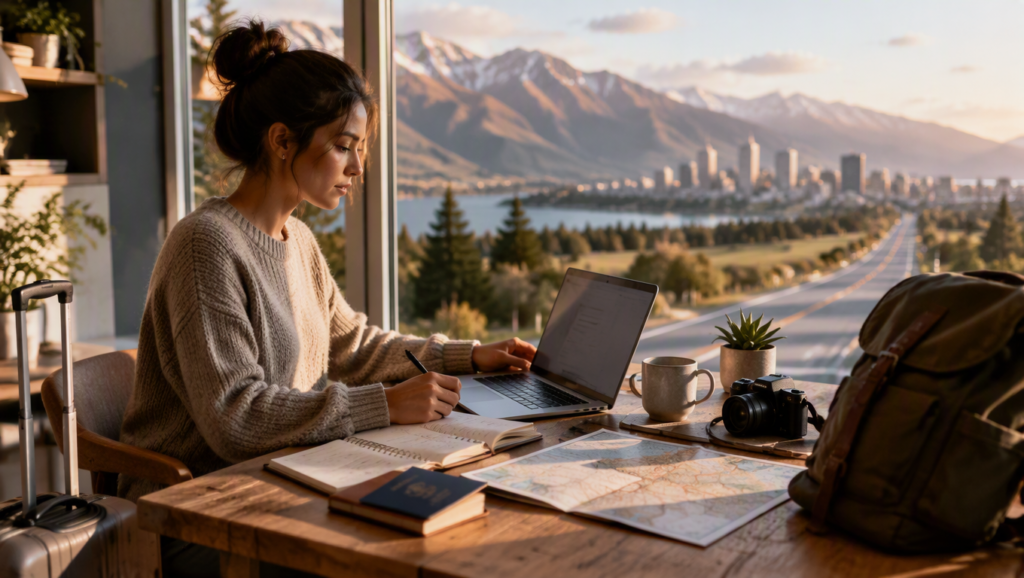
The final step is putting everything together.
A sustainable travel lifestyle should fit your real life rather than constantly fight against it.
Create a system that balances:
Work + Money + Travel + Relationships + Health + Rest
You might decide to:
- Take one major trip every year
- Add four weekend trips
- Work remotely for approved periods
- Spend more time in fewer destinations
- Save monthly for travel
- Travel locally between major trips
There is no single correct formula.
The best travel lifestyle is the one you can maintain for years.
Comparison: Traditional Vacation vs. Travel Lifestyle
| Factor | Traditional Vacation | Travel Lifestyle |
| Frequency | Usually occasional | Regular |
| Planning | Trip-focused | Year-round |
| Budget | Large one-time expense | Ongoing travel fund |
| Trip length | Often short | Short or extended |
| Work | Usually paused | May continue remotely |
| Pace | Often fast | Often slower |
| Destination choice | Major attractions | Neighborhoods and local experiences |
| Packing | Larger | Usually lighter |
| Goal | Escape and relaxation | Exploration and lifestyle |
| Flexibility | Limited | Usually higher |
Pros and Cons of Turning Travel Into a Lifestyle
| Pros | Cons |
| More opportunities to explore | Requires consistent planning |
| Greater cultural exposure | Travel can become tiring |
| More flexible lifestyle | Costs can add up |
| New skills and experiences | Work-life boundaries can be difficult |
| More memorable experiences | Frequent logistics require organization |
| Potential for slow travel | Being away from family may be difficult |
| Greater personal independence | Plans can change unexpectedly |
Common Mistakes When Trying to Turn Travel Into a Lifestyle
Spending Money You Do Not Have
Travel should not create long-term financial problems. Build a realistic budget before increasing your travel frequency.
Trying to Visit Too Many Places
Constant movement can make travel exhausting. Spending more time in fewer destinations can be more rewarding.
Ignoring Work Responsibilities
Remote work does not mean unlimited freedom. Follow your employer’s policies and maintain professional standards.
Forgetting Rest
Travel is not a competition. Schedule downtime between major activities.
Overpacking
More luggage usually means more things to manage. Pack based on the destination and length of the trip.
Chasing Every Travel Deal
A cheap flight is not automatically a good deal if the destination, schedule, or total trip cost does not fit your needs.
Failing to Research Local Rules
Visa requirements, transportation rules, entry requirements, local laws, and accommodation regulations can vary.
Treating Every Trip Like a Vacation
If you travel frequently, you still need ordinary routines such as sleep, work, exercise, laundry, budgeting, and quiet time.
Expert Tips for Building a Travel Lifestyle

Start Small
Do not completely redesign your life overnight. Begin with weekend trips and gradually test what works.
Track Your Real Travel Costs
Record transportation, accommodation, food, activities, fees, and unexpected expenses. Your actual spending history can improve future budgets.
Build Flexibility Into Your Plans
Avoid filling every hour of an itinerary. Leave space for weather changes, delays, rest, and spontaneous discoveries.
Choose Quality Over Quantity
Five rushed destinations may create fewer meaningful memories than one destination explored slowly.
Create Repeatable Systems
Use packing lists, travel folders, budgeting categories, and planning templates so every trip requires less effort.
Protect Your Normal Life
A travel lifestyle should enhance your life, not replace everything else that matters
A Simple Travel Lifestyle Budget
A useful starting point is to create separate categories for your travel expenses.
| Expense | Example |
| Transportation | Flights, trains, fuel |
| Accommodation | Hotels, rentals, extended stays |
| Food | Restaurants and groceries |
| Activities | Tours, attractions, experiences |
| Insurance | Eligible travel coverage |
| Local transportation | Transit, taxis, rideshares |
| Emergency fund | Unexpected expenses |
| Miscellaneous | Fees and small purchases |
Your numbers should reflect your personal income and responsibilities rather than copying someone else’s budget.
Travel Lifestyle Checklist
- Define what a travel lifestyle means to you.
- Create a dedicated travel savings category.
- Decide how many trips you can realistically take.
- Explore destinations close to home.
- Research off-season and shoulder-season opportunities.
- Consider whether remote work is possible.
- Learn basic travel planning skills.
- Build a lightweight packing system.
- Compare transportation options.
- Research accommodation for longer stays.
- Keep important travel information organized.
- Review insurance and destination requirements.
- Create an emergency plan.
- Leave room for rest.
- Track your actual travel spending.
- Review your travel lifestyle every few months.
Suggested Internal Linking Opportunities
For a travel website, this article can naturally link to related content such as:
Travel Guides, Itineraries & Tips — Link when discussing trip planning.
The Travel Hack — Link when discussing ways to travel smarter and save money.
Offseason Travel — Link from the sections about seasonal savings.
Learn to Travel Anywhere With Confidence — Link when discussing travel skills and confidence.
Best Travel Destinations in the USA — Link when recommending domestic exploration.
Weekend in New York — Link as an example of a short city break.
Free Things to Do in NYC — Link when discussing budget-friendly experiences.
Travel Planning Checklist — Link from the checklist and planning sections.
Travel Safety Guide — Link from the emergency planning section.
Nomadic Living Abroad — Link when explaining the difference between frequent travel and full-time mobility.
Suggested External Authority Sources

For EEAT and trustworthy travel information, consider referencing authoritative sources such as:
- U.S. Department of State — Passport, international travel, country information, and travel advisories.
- U.S. Customs and Border Protection — Entry requirements and border information.
- Transportation Security Administration (TSA) — Airport security and permitted items.
- Centers for Disease Control and Prevention (CDC) Travelers’ Health — Destination-specific health guidance.
- National Park Service (NPS) — U.S. national park information and planning.
- Federal Aviation Administration (FAA) — U.S. aviation information.
- U.S. Department of Transportation (DOT) — Consumer travel and transportation information.
- Official destination tourism boards — Local attractions, events, transportation, and seasonal information.
Always verify current rules directly with the relevant authority before traveling.
Frequently Asked Questions
What does it mean to turn travel into a lifestyle?
It means making travel a regular part of your life rather than treating it as an occasional vacation. This can include weekend trips, extended stays, remote work, road trips, or frequent exploration close to home.
Can I turn travel into a lifestyle without being rich?
Yes. Frequent travel does not automatically require a large income. Budgeting, local trips, off-season travel, longer stays, and careful planning can make regular travel more realistic.
Do I need to become a digital nomad?
No. Digital nomadism is only one possible travel lifestyle. You can keep a traditional job and still take regular trips throughout the year.
How can I travel more while working full-time?
Use weekends, holidays, approved remote-work arrangements, and strategically planned vacation days. Short trips can provide meaningful experiences without requiring long periods away from work.
Is slow travel cheaper than traditional travel?
It can be, especially when longer stays reduce nightly accommodation costs and transportation between destinations. However, the total cost depends on the destination and accommodation arrangement.
How much should I save for travel?
There is no universal amount. Start with a travel budget based on your income, essential expenses, savings goals, and realistic trip costs.
What is the best way to travel frequently?
The best approach is usually a combination of careful budgeting, flexible scheduling, affordable transportation, lighter packing, and choosing destinations that fit your lifestyle.
How do I balance travel with family and relationships?
Communicate your plans early, schedule quality time at home, and choose a travel frequency that works for the people and responsibilities that matter to you.
Can travel become a sustainable lifestyle?
Yes. Staying longer, using public transportation, supporting local businesses, reducing waste, and respecting communities can make frequent travel more responsible.
What is the biggest mistake people make when creating a travel lifestyle?
Trying to travel too much too quickly. A sustainable travel lifestyle should be financially realistic, physically manageable, and compatible with work, relationships, and everyday responsibilities.
Conclusion
Learning to turn travel into a lifestyle is not about constantly being on the road or spending huge amounts of money. It is about creating a realistic balance between travel, work, finances, relationships, and everyday life. Whether you choose weekend getaways, road trips, slow travel, or longer stays, small changes can help you experience more without creating unnecessary stress.
Start by setting a travel budget, exploring nearby destinations, planning trips around your schedule, and choosing experiences that truly matter to you. As you become more comfortable, you can gradually increase your travel frequency and discover the approach that fits your lifestyle best.
The world is full of places worth exploring, but you do not have to see everything at once. Start small, plan wisely, travel intentionally, and make exploration a meaningful part of your everyday life.
Read More:Travel Guides, Itineraries & Tips: 25 Proven Ways to Plan Smarter Trips in 2026