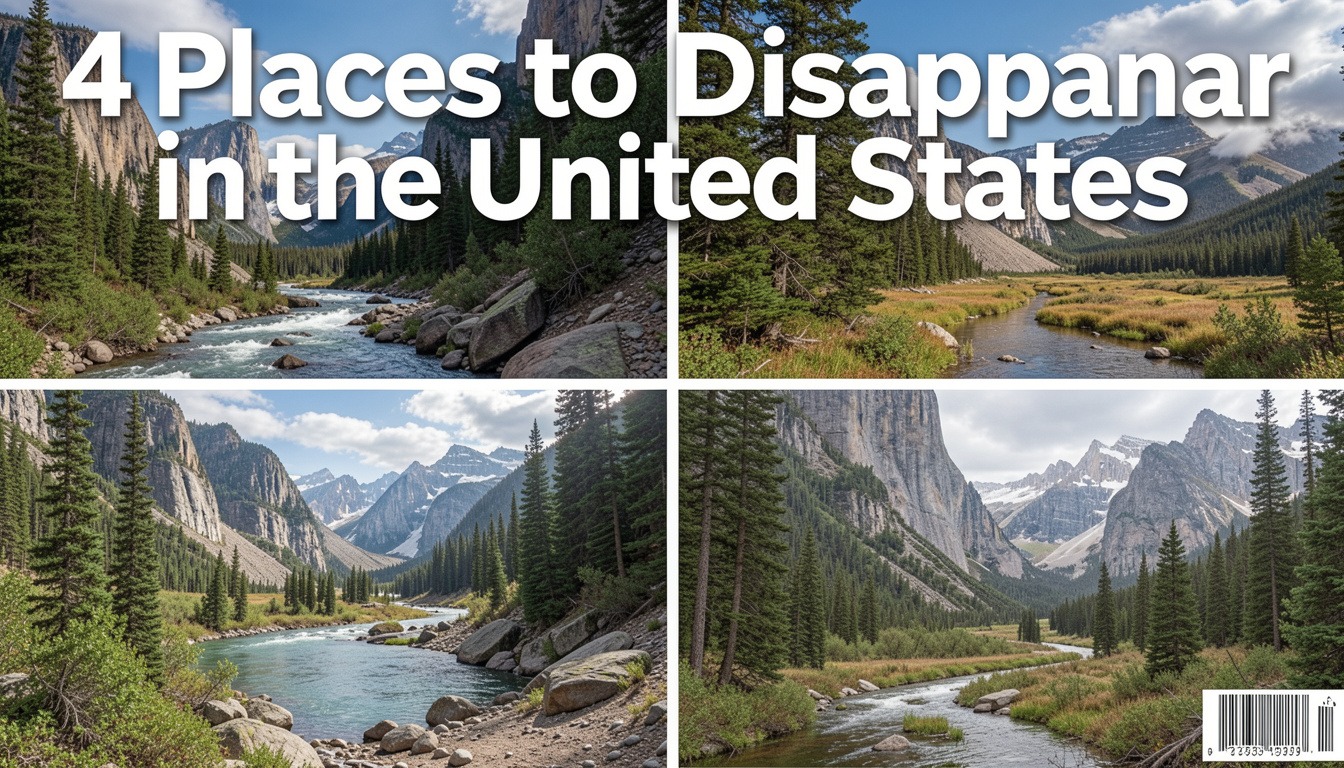
Modern life is filled with constant notifications, endless emails, social media updates, and the pressure to stay connected every minute of the day. While technology has made communication easier than ever, it has also made it difficult to truly relax and disconnect. That’s why more travelers are searching for peaceful destinations where they can escape the digital world and reconnect with themselves. Exploring the 4 Places to Disappear in the United States offers a unique opportunity to experience silence, solitude, and nature without the distractions of everyday life.
Whether you’re looking for a digital detox, a solo adventure, or simply a break from crowded tourist destinations, these hidden locations provide the perfect setting. From remote forests and quiet deserts to isolated coastal towns, these destinations allow visitors to slow down, breathe deeply, and appreciate the beauty of untouched landscapes. Rather than chasing attractions or busy itineraries, these places encourage mindfulness, outdoor exploration, and genuine relaxation.
Why Choose Off-the-Grid Destinations?
Choosing an off-the-grid destination isn’t about running away from responsibilities—it’s about creating space for mental clarity and personal well-being. Spending time away from phones, laptops, and constant internet access allows travelers to focus on experiences instead of screens.
Many psychologists believe that reducing screen time lowers stress levels, improves sleep quality, and increases overall happiness. Nature also plays a significant role in improving emotional health. Hiking through forests, watching wildlife, listening to rivers, or simply sitting quietly beneath the stars can restore energy in ways that modern entertainment often cannot.
Another major benefit is the opportunity to become fully present. Instead of worrying about messages or work notifications, travelers can immerse themselves in local culture, appreciate scenic landscapes, and enjoy meaningful conversations with travel companions.
Benefits of Visiting the 4 Places to Disappear in the United States
Traveling to remote destinations provides much more than beautiful scenery. It creates unforgettable memories while supporting both physical and mental wellness.
Some of the biggest advantages include:
- A complete digital detox
- Reduced stress and anxiety
- Improved creativity and focus
- Better sleep quality
- Incredible wildlife encounters
- Peaceful hiking opportunities
- Less crowded attractions
- Stunning photography locations
- Unique outdoor adventures
- A stronger connection with nature
Many travelers return from these destinations feeling refreshed, motivated, and inspired to maintain a healthier balance between technology and real life.
What Makes a Great Place to Disappear?
Not every remote destination provides the same experience. The best places combine natural beauty with limited connectivity while remaining reasonably safe for visitors.
Here are a few characteristics that define an excellent off-the-grid destination:
Limited Cell Service
The absence of reliable mobile coverage encourages travelers to unplug and enjoy the moment instead of constantly checking their phones.
Incredible Natural Scenery
Mountains, forests, deserts, rivers, glaciers, and coastlines provide peaceful environments that promote relaxation and exploration.
Outdoor Activities
The best destinations offer opportunities for hiking, camping, kayaking, fishing, wildlife watching, photography, and stargazing.
Peace and Quiet
Instead of crowded streets and tourist attractions, these locations feature calm surroundings where visitors can truly unwind.
Safe Adventure
Although remote, these destinations still provide access to essential facilities, emergency services, and nearby accommodations for a comfortable trip.
Travel Insurance USA: The Ultimate 2026 Guide to Choosing the Best Coverage & Saving Money
National Radio Quiet Zone, West Virginia
Among the 4 Places to Disappear in the United States, few are as fascinating as the National Radio Quiet Zone (NRQZ). Covering approximately 13,000 square miles across parts of West Virginia and Virginia, this remarkable region is unlike anywhere else in America.
The National Radio Quiet Zone was established in 1958 to protect sensitive radio telescopes and military communications from interference caused by radio frequency transmissions. Because of these strict regulations, Wi-Fi signals, radio transmissions, and cell phone coverage are significantly limited throughout much of the area.
For travelers seeking true solitude, this creates one of the country’s most authentic opportunities to disconnect from modern technology.
Why Is the National Radio Quiet Zone So Unique?
Unlike other remote destinations where poor cell service is simply the result of difficult terrain, connectivity here is intentionally restricted.
Scientists rely on the area’s incredibly quiet radio environment to study deep space using advanced astronomical equipment. Even small electronic signals can interfere with important research.
Visitors often describe the experience as surprisingly peaceful. Without constant phone notifications or streaming services, attention naturally shifts toward the surrounding landscape.
Instead of staring at screens, travelers find themselves watching birds, photographing mountain sunsets, hiking scenic trails, or enjoying meaningful conversations around campfires.
Things to Do in the National Radio Quiet Zone
Despite its remote reputation, there’s plenty to explore.
Visit the Green Bank Observatory
The Green Bank Observatory houses one of the world’s largest fully steerable radio telescopes. Guided tours allow visitors to learn about astronomy, radio science, and ongoing space research.
Interactive exhibits make the observatory enjoyable for both adults and children interested in science.
Explore Monongahela National Forest
Much of the Quiet Zone overlaps with the beautiful Monongahela National Forest.
Visitors can enjoy:
- Scenic hiking trails
- Mountain biking
- Camping
- Fishing
- Wildlife photography
- Bird watching
- Waterfalls
- Scenic overlooks
The forest becomes especially colorful during autumn, making it one of America’s most spectacular fall destinations.
Enjoy Incredible Stargazing
With minimal radio interference and extremely low light pollution, nighttime skies become absolutely breathtaking.
On clear evenings, visitors can observe:
- The Milky Way
- Meteor showers
- Thousands of visible stars
- Planets
- Deep-space constellations
Photography enthusiasts often travel here specifically for astrophotography.
Drive Through Scenic Mountain Roads
The winding mountain highways surrounding the Quiet Zone offer unforgettable road trip experiences.
Expect to pass:
- Historic small towns
- Rolling valleys
- Dense forests
- Mountain streams
- Charming local cafés
- Covered bridges
- Scenic overlooks
Every season brings a different landscape, making repeat visits worthwhile.
Best Time to Visit
Every season offers a different experience.
Spring (March–May)
Wildflowers bloom throughout the mountains, waterfalls become more powerful, and temperatures remain comfortable for hiking.
Summer (June–August)
Ideal for camping, fishing, kayaking, and exploring forest trails, though afternoon thunderstorms occasionally occur.
Fall (September–October)
Arguably the most beautiful season. Brilliant red, orange, and golden foliage transforms the entire region into a photographer’s paradise.
Winter (November–February)
Snow-covered mountains create peaceful scenery perfect for quiet retreats, though travelers should prepare for cold weather and possible icy roads.
2. Crescent City, California
If you’re searching for one of the most breathtaking destinations among the 4 Places to Disappear in the United States, Crescent City, California, deserves a spot at the top of your list. Nestled along Northern California’s rugged Pacific coastline and surrounded by towering redwood forests, this peaceful town offers a perfect combination of ocean views, ancient forests, and limited cell service in many surrounding areas.
Unlike crowded California destinations such as Los Angeles or San Francisco, Crescent City remains refreshingly quiet. Travelers come here not for nightlife or shopping but to reconnect with nature, breathe fresh ocean air, and enjoy a slower pace of life. The surrounding forests naturally block many mobile signals, making it much easier to disconnect from technology and immerse yourself in the environment.
Why Crescent City Is Perfect for a Digital Detox
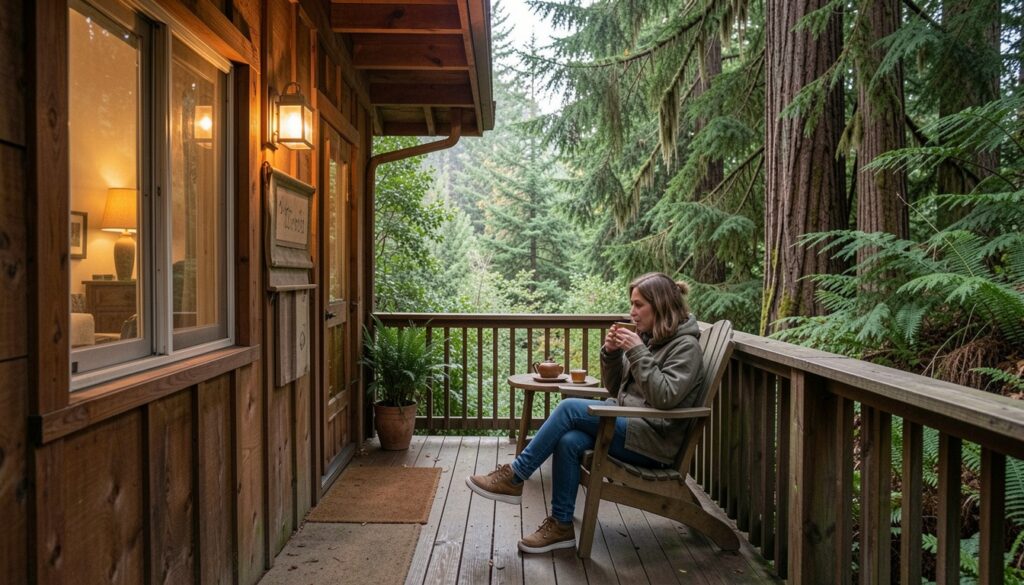
One of the biggest reasons travelers love Crescent City is its balance between accessibility and isolation. The town itself offers basic conveniences, but just a short drive into the nearby forests or coastal trails often means weak or nonexistent cell service.
Without constant notifications interrupting your day, simple activities become incredibly rewarding. Walking beneath thousand-year-old redwood trees, listening to crashing waves, or watching seabirds along the shoreline creates an experience that’s difficult to replicate in more developed tourist destinations.
The peaceful atmosphere encourages visitors to slow down, reflect, and enjoy every moment.
Explore Redwood National and State Parks
The greatest attraction near Crescent City is the magnificent Redwood National and State Parks.
Home to the tallest trees on Earth, these forests create an almost magical atmosphere. Sunlight filters through the massive tree canopy, while moss-covered branches and quiet trails make visitors feel as though they’ve stepped into another world.
Popular activities include:
- Hiking scenic forest trails
- Wildlife photography
- Nature walks
- Camping
- Bird watching
- Scenic drives
- Ranger-led educational programs
- Forest picnics
Walking among these ancient giants reminds visitors just how small humans are compared to nature’s incredible creations.
Visit Battery Point Lighthouse
Located just offshore, Battery Point Lighthouse has guided ships safely for over a century.
During low tide, visitors can walk across the narrow land bridge to explore this historic lighthouse and enjoy panoramic views of the Pacific Ocean.
The surrounding coastline offers excellent opportunities for photography, whale watching during migration seasons, and spectacular sunsets.
Relax Along the Pacific Coast
Crescent City’s coastline feels wonderfully untouched compared to many famous California beaches.
Instead of crowded boardwalks and noisy beach bars, visitors discover:
- Rocky shorelines
- Sea stacks
- Tide pools
- Quiet beaches
- Coastal hiking paths
- Harbor views
- Fresh ocean breezes
These peaceful settings provide the perfect backdrop for meditation, reading, journaling, or simply enjoying the sound of the waves.
Wildlife Watching
Nature lovers will appreciate the incredible wildlife found around Crescent City.
Depending on the season, you may spot:
- Roosevelt elk
- Harbor seals
- Sea lions
- Gray whales
- Bald eagles
- Peregrine falcons
- River otters
- Black bears in remote forest areas
Wildlife photography enthusiasts often spend several days exploring the surrounding parks.
Best Time to Visit Crescent City
Spring (March–May)
Wildflowers bloom across coastal meadows while temperatures remain cool and comfortable for hiking.
Summer (June–August)
Pleasant weather makes summer ideal for camping, kayaking, and exploring the redwood forests.
Fall (September–October)
Fewer tourists and clear skies make this one of the best seasons for photography.
Winter (November–February)
Rainfall creates dramatic waterfalls and lush green forests, though visitors should prepare for wet conditions.
Travel Tips
- Download maps before entering the forests.
- Carry extra water during hikes.
- Wear waterproof hiking shoes.
- Respect wildlife from a safe distance.
- Bring layers since coastal weather changes quickly.
- Start hikes early to avoid afternoon fog.
Sonoran Desert, Arizona
When people imagine disappearing into nature, dense forests often come to mind. However, the Sonoran Desert proves that solitude can also be found in wide-open landscapes filled with towering cacti, colorful sunsets, and endless horizons.
Stretching across southern Arizona and parts of California and Mexico, the Sonoran Desert is one of North America’s most biologically diverse deserts. Many remote sections have little or no cell service, making it another outstanding destination among the 4 Places to Disappear in the United States.
Far from city lights and crowded highways, visitors experience complete silence interrupted only by birds, desert winds, and the occasional rustle of wildlife.
Why Visit the Sonoran Desert?
The Sonoran Desert offers something completely different from mountain retreats or coastal escapes.
Here, visitors can enjoy:
- Vast open landscapes
- Incredible desert sunsets
- Crystal-clear night skies
- Unique desert wildlife
- Peaceful hiking trails
- Scenic drives
- Stargazing opportunities
- Remote camping experiences
The simplicity of the desert helps many travelers clear their minds and appreciate the beauty of minimalism.
Explore the Sonoran Desert National Monument
This protected area covers hundreds of thousands of acres filled with rugged mountains, volcanic formations, and giant saguaro cacti.
The monument protects one of the finest examples of untouched desert ecosystems in North America.
Popular activities include:
- Hiking
- Scenic photography
- Camping
- Bird watching
- Desert wildflower viewing
- Mountain biking
- Nature observation
Because services are extremely limited, visitors should prepare carefully before entering.
Discover the Giant Saguaro Cactus
Nothing represents Arizona more than the iconic saguaro cactus.
Some saguaros grow over 40 feet tall and live for more than 150 years.
Walking among these towering desert giants creates an unforgettable experience that can’t be found anywhere else in the world.
Sunrise and sunset provide the best lighting for photography, turning the desert into a canvas of orange, pink, and purple colors.
Experience Incredible Stargazing
The remote desert location produces exceptionally dark skies.
Without heavy light pollution, visitors can easily observe:
- The Milky Way
- Shooting stars
- Planets
- Satellite passes
- Constellations
- Meteor showers
Camping beneath these skies becomes one of the most memorable parts of any Arizona adventure.
Wildlife in the Sonoran Desert
Although the landscape may appear harsh, the desert supports an amazing variety of wildlife.
Visitors may encounter:
- Coyotes
- Roadrunners
- Desert tortoises
- Jackrabbits
- Gila monsters
- Javelinas
- Harris’s hawks
- Numerous hummingbird species
Early mornings and evenings provide the best wildlife viewing opportunities.
Best Time to Visit
Fall (October–November)
Comfortable temperatures make hiking enjoyable.
Winter (December–February)
The most popular season thanks to mild weather and sunny days.
Spring (March–April)
Wildflowers bloom after seasonal rains, creating colorful desert landscapes.
Summer (May–September)
Extremely hot temperatures require careful planning, plenty of water, and avoiding afternoon hikes.
Essential Travel Tips
- Carry at least one gallon of water per person daily.
- Wear sunscreen and a wide-brim hat.
- Avoid hiking during midday heat.
- Stay on marked trails.
- Inform someone about your travel plans.
- Carry a physical map or GPS device.
- Pack extra food and emergency supplies.
- Watch carefully for rattlesnakes and other desert wildlife.
Why These Two Destinations Stand Out
Both Crescent City and the Sonoran Desert offer unforgettable opportunities to disconnect, but they provide completely different experiences. Crescent City surrounds you with lush forests, dramatic coastlines, and the soothing sound of the Pacific Ocean, while the Sonoran Desert immerses you in vast open spaces, towering cacti, and brilliant star-filled skies. Together, they showcase the incredible diversity found within the 4 Places to Disappear in the United States, proving that true solitude can be discovered in many different landscapes.
4. Yakutat, Alaska
Among the 4 Places to Disappear in the United States, few destinations feel as remote and untouched as Yakutat, Alaska. Located along Alaska’s southeastern coastline, Yakutat is a small community surrounded by towering mountains, glaciers, dense forests, wild rivers, and the Gulf of Alaska. With only a small population and vast stretches of wilderness, this destination offers one of the most authentic off-the-grid experiences in America.
Unlike popular Alaskan cities such as Anchorage or Juneau, Yakutat remains peaceful throughout the year. Many visitors come here specifically to escape busy schedules, crowded attractions, and constant digital distractions. Cell service is limited outside the town, and internet connections can be slow, making it much easier to embrace a true digital detox.
Whether you’re seeking solitude, outdoor adventure, or unforgettable natural beauty, Yakutat delivers an experience that few destinations can match.
Why Visit Yakutat?
Yakutat is a paradise for travelers who appreciate raw, untouched wilderness. Every direction reveals breathtaking scenery, from snow-covered mountain peaks to glacier-fed rivers and endless stretches of coastline.
Unlike many tourist hotspots, Yakutat allows visitors to experience Alaska as it has existed for generations. The peaceful atmosphere encourages travelers to slow down, observe wildlife, and appreciate nature without distractions.
The area is also deeply connected to the rich cultural heritage of the Indigenous Tlingit people, adding another layer of history and significance to your visit.
Explore Hubbard Glacier
One of Yakutat’s greatest attractions is the spectacular Hubbard Glacier, the largest tidewater glacier in North America.
Stretching for more than 75 miles, this massive glacier regularly calves enormous chunks of ice into the ocean, creating a dramatic natural spectacle.
Visitors arriving by boat or cruise may witness:
- Towering blue ice walls
- Floating icebergs
- Harbor seals resting on the ice
- Bald eagles soaring overhead
- Spectacular glacier calving events
The glacier continues to advance rather than retreat, making it a fascinating destination for nature lovers and photographers.
Discover Russell Fjord
Russell Fjord is another remarkable destination near Yakutat. Surrounded by steep mountains and pristine forests, this peaceful waterway offers incredible scenery and abundant wildlife.
Activities include:
- Kayaking
- Fishing
- Wildlife photography
- Boat tours
- Bird watching
- Scenic sightseeing
The calm waters reflect the surrounding mountains, creating breathtaking views throughout the day.
Visit Situk River
The Situk River is internationally famous among anglers.
Known for its incredible salmon and steelhead fishing, it attracts outdoor enthusiasts from around the world.
Even if fishing isn’t your hobby, the river offers beautiful hiking opportunities, peaceful scenery, and excellent wildlife viewing.
Along the river you may encounter:
- Brown bears
- Bald eagles
- River otters
- Moose
- Migratory birds
The quiet environment makes every walk feel like an unforgettable wilderness adventure.
Wildlife Encounters
Yakutat offers some of the best wildlife viewing opportunities in Alaska.
Visitors often spot:
- Humpback whales
- Orcas
- Sea otters
- Harbor seals
- Brown bears
- Black bears
- Moose
- Bald eagles
- Puffins
- Mountain goats
Every season brings different wildlife experiences, making each visit unique.
Outdoor Adventures
Adventure seekers will find endless opportunities around Yakutat.
Popular activities include:
Hiking
Explore scenic forest trails surrounded by glaciers, waterfalls, and wildflowers.
Kayaking
Paddle through calm coastal waters while enjoying incredible mountain scenery.
Fishing
Experience world-class salmon and steelhead fishing in pristine rivers.
Wildlife Photography
Capture unforgettable images of Alaska’s diverse wildlife.
Beach Walks
Yakutat’s remote beaches offer peaceful walks with almost no crowds.
Glacier Tours
Boat tours provide close-up views of massive glaciers and ice formations.
Best Time to Visit Yakutat
Summer (June–August)
The most popular season thanks to warmer temperatures, longer daylight hours, and excellent wildlife viewing.
Spring (April–May)
Wildflowers begin blooming while migratory birds return to the region.
Fall (September–October)
Beautiful autumn colors and fewer visitors create peaceful travel conditions.
Winter (November–March)
Snow transforms Yakutat into a winter wonderland, though weather conditions can be challenging.
Best Time to Visit All 4 Places to Disappear in the United States
Choosing the right season can greatly improve your travel experience.
Spring
Ideal for hiking, waterfalls, blooming wildflowers, and pleasant temperatures.
Best destinations:
- Crescent City
- National Radio Quiet Zone
- Sonoran Desert
Summer
Perfect for camping, kayaking, fishing, wildlife viewing, and longer daylight hours.
Best destinations:
- Yakutat
- Crescent City
- West Virginia
Fall
One of the most beautiful seasons for road trips and photography.
Best destinations:
- National Radio Quiet Zone
- Crescent City
Winter
Excellent for peaceful escapes and dramatic snowy landscapes.
Best destinations:
- Yakutat
- West Virginia
Safety Tips for Off-the-Grid Travel
Visiting remote destinations requires proper preparation. Since many of these places have limited phone service, safety should always come first.
Before your trip:
- Share your itinerary with family or friends.
- Download offline maps.
- Carry a portable power bank.
- Bring extra food and water.
- Pack a first-aid kit.
- Carry emergency blankets.
- Wear appropriate hiking boots.
- Check weather forecasts before departing.
- Keep emergency supplies in your vehicle.
- Respect wildlife and maintain safe distances.
Good preparation ensures your adventure remains enjoyable and stress-free.
What to Pack
Packing wisely is essential when visiting remote areas.
Recommended items include:
Navigation
- Offline GPS
- Paper maps
- Compass
Clothing
- Waterproof jacket
- Hiking boots
- Warm layers
- Hat
- Gloves (for Alaska)
Essentials
- Reusable water bottle
- Snacks
- Flashlight
- Extra batteries
- Sunscreen
- Sunglasses
- Insect repellent
Camping Equipment (if needed)
- Tent
- Sleeping bag
- Portable stove
- Cooking utensils
- Water filter
Photography Gear
- DSLR or mirrorless camera
- Extra memory cards
- Tripod
- Power banks
Preparing properly allows you to enjoy these remote destinations comfortably and safely.
Why These Destinations Are Worth Visiting
The 4 Places to Disappear in the United States are more than just remote locations—they are places where travelers can rediscover peace, reconnect with nature, and step away from the constant noise of modern life. Whether you’re wandering through ancient redwood forests, driving across Arizona’s stunning desert landscapes, exploring West Virginia’s radio-silent mountains, or standing before Alaska’s majestic glaciers, each destination offers a unique opportunity to slow down and appreciate the world without digital distractions.
These remarkable places remind us that sometimes the greatest adventures begin when we put our phones away and simply embrace the beauty around us.
Responsible Travel Tips for Remote Destinations
Exploring the 4 Places to Disappear in the United States is about more than escaping technology—it’s also about respecting the environments that make these destinations so special. Most of these places are home to fragile ecosystems, protected wildlife, and small local communities that depend on responsible tourism.
As a visitor, your actions can help preserve these landscapes for future generations. Practice the Leave No Trace principles by carrying out everything you bring in, staying on marked trails, and avoiding damage to plants or wildlife habitats. Even small actions, such as disposing of trash properly or reducing noise, make a significant difference.
Respect Wildlife
Wild animals should always remain wild. While seeing bears, elk, whales, seals, or birds in their natural habitat is exciting, never approach or feed them
Keep a safe distance and use binoculars or a zoom lens for photography. Feeding wildlife changes their natural behavior and can create dangerous situations for both animals and visitors.
If you’re hiking in bear country, carry bear spray where recommended and know how to use it properly.
Support Local Communities
Many of these off-the-grid destinations are small towns with locally owned businesses. Supporting local restaurants, gift shops, guides, and accommodations helps strengthen the local economy.
Instead of purchasing mass-produced souvenirs, consider buying handcrafted products made by local artists and artisans. These unique items often tell a story about the area’s culture and traditions.
Travel Sustainably
Sustainable travel helps protect America’s natural treasures.
Simple ways to reduce your environmental impact include:
- Bring a reusable water bottle.
- Use reusable shopping bags.
- Avoid single-use plastics.
- Stay on designated hiking trails.
- Conserve water whenever possible.
- Respect campground rules.
- Choose eco-friendly accommodations when available.
Every responsible decision contributes to preserving these beautiful destinations.
Planning Your Off-the-Grid Adventure
Before leaving home, spend some time researching your destination. Remote locations often have different weather conditions, fewer services, and limited transportation options.
Create a simple travel checklist that includes:
- Accommodation reservations
- Transportation plans
- Offline maps
- Emergency contacts
- Weather forecasts
- Fuel stops
- Food supplies
- Emergency equipment
Being well-prepared allows you to relax and fully enjoy your journey without unnecessary stress.
Why More Travelers Are Choosing Digital Detox Vacations
Over the last few years, digital detox travel has become one of the fastest-growing travel trends. More people are realizing that vacations shouldn’t simply involve changing locations—they should also provide a mental reset.
Constant notifications, emails, and social media updates can contribute to stress and burnout. Taking a break from technology allows travelers to sleep better, focus more clearly, and reconnect with the people and places around them.
The 4 Places to Disappear in the United States offer the perfect setting for this type of travel. Whether you spend a weekend in the mountains, several days beside the Pacific Ocean, or a week exploring Alaska’s wilderness, you’ll likely return home feeling refreshed and inspired.
Final Thoughts
Modern technology has transformed the way we travel, making it easier to stay connected wherever we go. While this convenience has many benefits, it has also made genuine solitude increasingly rare. Choosing to visit the 4 Places to Disappear in the United States offers a refreshing alternative—a chance to step away from screens, escape daily routines, and reconnect with nature.
Each destination featured in this guide provides its own unique experience. The National Radio Quiet Zone in West Virginia offers peaceful mountain landscapes and intentionally limited radio signals. Crescent City, California, combines dramatic Pacific coastlines with ancient redwood forests that naturally reduce connectivity. Arizona’s Sonoran Desert showcases breathtaking sunsets, giant saguaro cacti, and spectacular night skies, while Yakutat, Alaska, immerses visitors in glaciers, wildlife, and one of America’s most remote coastal regions.
Whether you’re seeking adventure, personal reflection, photography, hiking, or simply a few days of uninterrupted peace, these remarkable destinations prove that sometimes the best way to reconnect with yourself is to disconnect from the digital world. Pack thoughtfully, travel responsibly, and embrace the quiet moments that make these places unforgettable.
FAQs
What are the best places to disappear in the United States?
Some of the best off-the-grid destinations include the National Radio Quiet Zone in West Virginia, Crescent City in California, the Sonoran Desert in Arizona, and Yakutat in Alaska. These places offer breathtaking scenery, limited connectivity, and peaceful environments perfect for a digital detox.
Why should I visit the 4 Places to Disappear in the United States?
These destinations provide an opportunity to disconnect from technology, reduce stress, reconnect with nature, enjoy outdoor adventures, and experience some of America’s most remote and beautiful landscapes.
Is it safe to travel to remote destinations with limited cell service?
Yes, but preparation is essential. Download offline maps, inform someone about your itinerary, carry emergency supplies, and check weather conditions before heading into remote areas.
Which destination is best for a digital detox?
The National Radio Quiet Zone in West Virginia is one of the best choices because cell phone and radio signals are intentionally limited, allowing visitors to truly disconnect from technology.
What is the best time of year to visit these places?
Spring and fall are generally the best seasons because of mild weather, fewer crowds, and beautiful natural scenery. Summer is ideal for Alaska, while winter offers peaceful escapes in certain locations.
Can beginners visit these off-the-grid destinations?
Absolutely. Many hiking trails, scenic drives, and viewpoints are suitable for beginners. However, some wilderness areas require proper planning and basic outdoor safety knowledge.
What should I pack for an off-the-grid adventure?
Pack offline maps, a first-aid kit, plenty of water, snacks, weather-appropriate clothing, hiking boots, a flashlight, portable power bank, sunscreen, insect repellent, and emergency supplies.
Will I have any internet or phone service at these locations?
Some areas may have limited or intermittent service, while others have little to no connectivity. Availability depends on the destination and your exact location.
Are these destinations suitable for families?
Yes. Families who enjoy nature, hiking, camping, wildlife viewing, and outdoor activities will find these destinations rewarding. Always choose activities appropriate for your group’s experience level.
How can I travel responsibly while visiting the 4 Places to Disappear in the United States?
Follow Leave No Trace principles, stay on marked trails, respect wildlife, avoid littering, support local businesses, and minimize your environmental impact to help preserve these beautiful destinations for future generations.