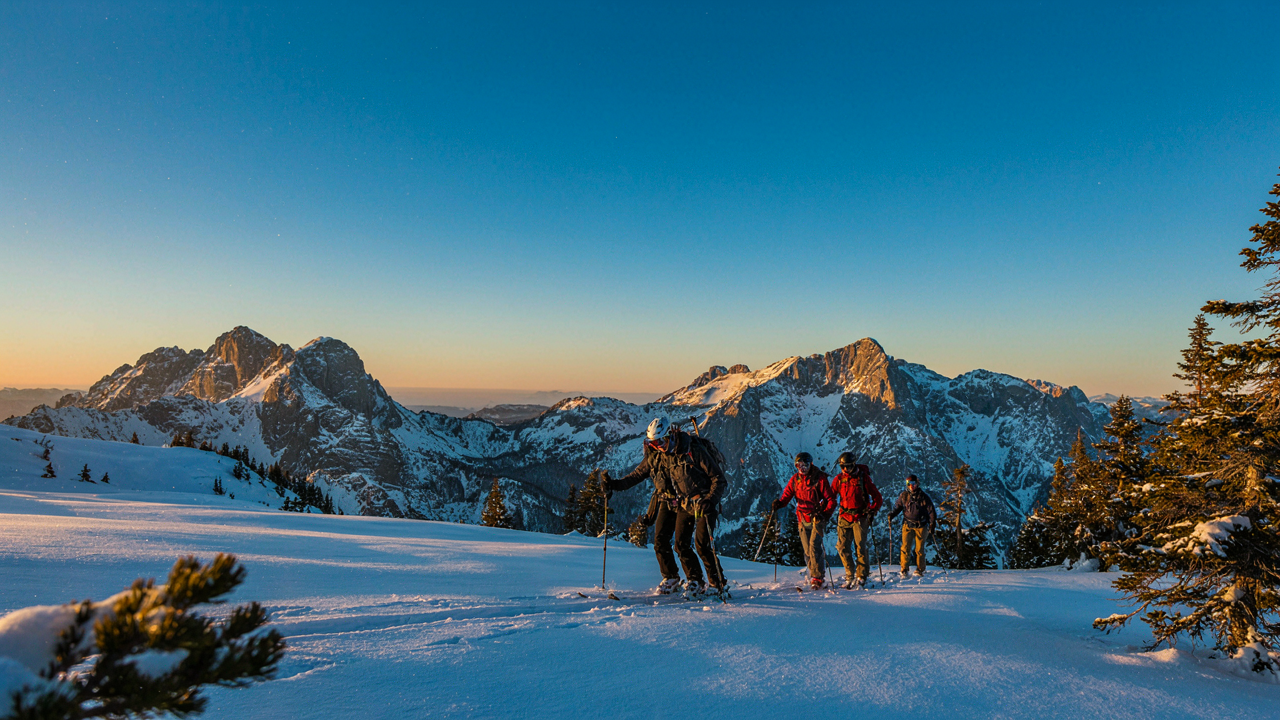
Backcountry skiing has grown from a niche mountain activity into a major part of North American ski culture. More skiers and snowboarders are looking beyond crowded lifts and groomed runs to experience quiet terrain, natural snow, and human-powered travel. With that growth comes a greater need for good information about equipment, weather, snowpack, navigation, and responsible decision-making.
That is where Backcountry Magazine fits into the outdoor media landscape. The publication focuses on the people, places, equipment, and ideas shaping backcountry skiing and snowboarding. Its content can help readers understand the culture surrounding ski touring while discovering destinations, gear concepts, and stories from the wider mountain community.
This guide explains what Backcountry Magazine is, what you can learn from it, how to use backcountry-focused media wisely, and what beginners should understand before heading into uncontrolled winter terrain.
Quick Answer
Backcountry Magazine is a U.S.-focused publication centered on human-powered skiing, ski touring, backcountry snowboarding, mountain travel, equipment, snow science, and avalanche awareness. It is aimed at readers who want to explore snowy mountain terrain beyond traditional ski resorts.
Unlike a typical resort-skiing publication, its subject matter focuses heavily on the backcountry experience. That includes touring equipment, route planning, snow conditions, mountain culture, athlete stories, gear testing, and responsible travel in winter terrain.
For anyone interested in backcountry skiing, ski touring, splitboarding, avalanche education, touring gear, and winter mountain adventures, the magazine can be a useful source of ideas and industry knowledge. However, magazine content should complement—not replace—formal avalanche education, local forecasts, and professional mountain guidance.
What Is Backcountry Magazine?
Backcountry Magazine is an outdoor publication dedicated primarily to human-powered winter mountain travel. Its coverage commonly revolves around skiing and snowboarding outside traditional resort boundaries.
The publication appeals to several types of readers:
- Backcountry skiing beginners
- Experienced ski tourers
- Splitboarders
- Ski mountaineers
- Outdoor photographers
- Winter travelers
- Ski and snowboard gear enthusiasts
- Mountain athletes
- Readers interested in avalanche education
- People following the wider ski industry
What Makes Backcountry Magazine Different?
The biggest difference is its focus on backcountry culture rather than conventional resort skiing.
A resort publication may emphasize lift-accessed terrain, resort reviews, après-ski experiences, and destination planning. A backcountry-focused publication is more likely to discuss:
- Touring equipment
- Skinning and uphill travel
- Ski mountaineering
- Snow science
- Avalanche awareness
- Remote mountain locations
- Human-powered adventures
- Backcountry athletes
- Winter expedition stories
- Mountain conservation
This makes it particularly relevant to readers who see skiing as more than simply riding downhill.
Why Backcountry Magazine Matters to Outdoor Travelers
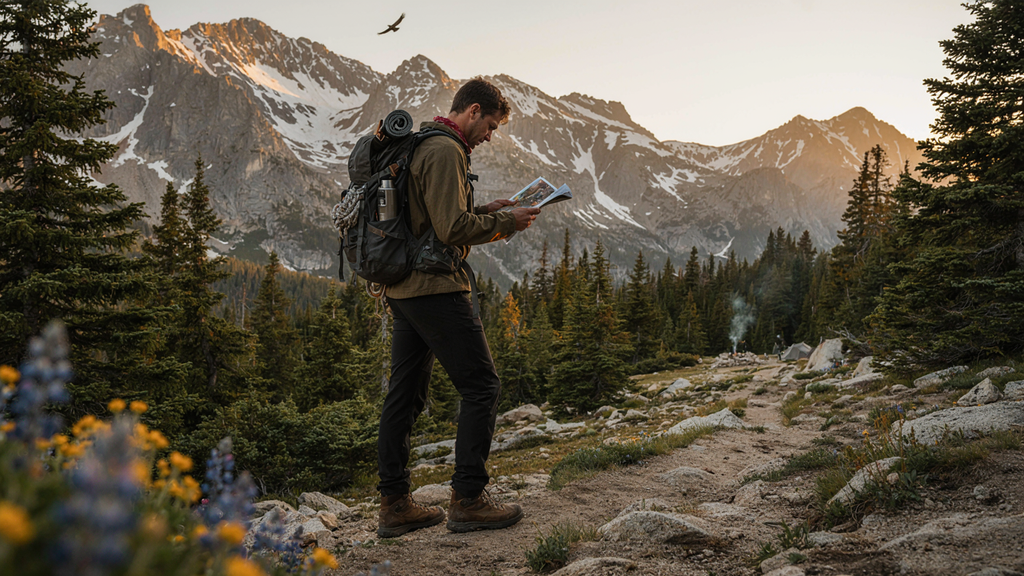
Backcountry travel requires more preparation than many resort-based ski trips.
When you leave controlled ski-area boundaries, you may encounter rapidly changing weather, unstable snow, difficult navigation, limited cell service, and terrain that has not been managed for recreational skiing.
That makes education and preparation essential.
Backcountry Magazine can provide useful background information about the culture and equipment involved, but responsible travelers should combine magazine reading with recognized safety education and current local information.
The Value of Backcountry Media
Good outdoor journalism can help travelers:
Discover new mountain regions.
Understand equipment categories.
Learn about experienced athletes.
Follow changes in ski technology.
Explore mountain culture.
Discover responsible recreation ideas.
Find inspiration for future trips.
The important distinction is between inspiration and operational safety information.
A magazine story can inspire a trip, but current avalanche forecasts, weather reports, official closures, and professional instruction should guide actual decisions.
15 Topics to Explore Through Backcountry Magazine

If you’re interested in backcountry skiing, there are several major subjects worth exploring.
Backcountry Skiing
Backcountry skiing involves traveling beyond controlled resort terrain, often using specialized skis and bindings designed for uphill movement.
It combines skiing with hiking, climbing, navigation, and decision-making.
Ski Touring
Ski touring allows skiers to travel uphill using climbing skins and touring equipment.
A typical outing may include:
- Approach
- Gear preparation
- Uphill travel
- Route assessment
- Rest breaks
- Transition
- Descent
- Return journey
Splitboarding
Splitboards divide into separate ski-like sections for uphill travel and reconnect into a snowboard for descending.
This equipment has become an important part of the backcountry snowboarding community.
Backcountry Gear
Equipment is a major topic for outdoor publications because the right gear affects comfort, efficiency, and safety.
Common categories include:
| Gear Category | Primary Purpose |
| Touring skis | Uphill and downhill travel |
| Touring bindings | Efficient uphill movement |
| Climbing skins | Grip on snow |
| Touring boots | Walking and skiing |
| Avalanche transceiver | Avalanche rescue |
| Probe | Locating buried people |
| Shovel | Snow excavation |
| Backpack | Carrying equipment |
| Navigation tools | Route finding |
| Clothing layers | Weather protection |
Gear alone, however, does not make someone prepared for avalanche terrain.
Avalanche Awareness
Avalanches are one of the most serious hazards associated with winter backcountry travel.
Readers should learn about:
- Avalanche terrain
- Snowpack conditions
- Weather patterns
- Terrain traps
- Avalanche forecasts
- Group communication
- Rescue equipment
- Decision-making
Formal training is strongly recommended before entering avalanche terrain.
Snow Science
Snow is constantly changing.
Temperature, wind, new snowfall, rain, terrain, and time can influence snowpack conditions. Understanding these factors is an important part of becoming a responsible winter traveler.
Mountain Destinations
Backcountry publications often showcase mountain regions across North America.
Potential destinations may include:
- Colorado
- Utah
- Wyoming
- Montana
- Idaho
- Washington
- Oregon
- California
- Alaska
- British Columbia
Each region has different terrain, climate, snow conditions, regulations, and hazards.
Ski Mountaineering
Ski mountaineering combines skiing with mountaineering skills.
Depending on the route, participants may need knowledge of:
- Steep snow
- Rock
- Ice
- Navigation
- Ropes
- Weather
- Route selection
This is an advanced activity and should not be treated as an extension of ordinary resort skiing.
Backcountry Athletes
Stories about professional skiers, snowboarders, guides, photographers, and mountain explorers can provide insight into how experienced people approach their craft.
Mountain Photography
Backcountry skiing provides dramatic opportunities for landscape and action photography.
Photographers must balance creative goals with terrain awareness. Getting a better photograph should never take priority over a safe position.
Environmental Responsibility
Winter recreation affects mountain ecosystems.
Responsible travelers should think about:
- Wildlife
- Vegetation
- Waste
- Parking
- Trailhead congestion
- Land-management rules
- Seasonal closures
Ski Culture
Backcountry skiing has its own language, traditions, equipment, personalities, and communities.
Understanding that culture can make it easier for newcomers to participate respectfully.
Gear Innovation
Ski technology continues to evolve.
New designs can affect:
- Weight
- Durability
- Uphill efficiency
- Downhill performance
- Packability
- Boot compatibility
Trip Planning
A successful backcountry outing starts long before reaching the trailhead.
Planning should consider:
- Weather
- Avalanche conditions
- Route
- Group experience
- Emergency plans
- Equipment
- Transportation
- Exit options
Mountain Stories
Adventure journalism can also provide something practical guides cannot: perspective.
Personal stories show the challenges, uncertainty, beauty, and decision-making involved in mountain travel.
Backcountry Magazine vs. Traditional Ski Magazines
Different publications serve different audiences.
| Feature | Backcountry-Focused Magazine | Traditional Ski Magazine |
| Resort skiing | Moderate | High |
| Ski touring | High | Moderate |
| Avalanche topics | High | Variable |
| Backcountry gear | High | Moderate |
| Mountain culture | High | High |
| Uphill travel | High | Lower |
| Ski mountaineering | Often | Sometimes |
| Resort reviews | Lower | High |
| Backcountry destinations | High | Moderate |
| Human-powered skiing | High | Variable |
The best choice depends on what kind of skiing interests you.
Backcountry Gear: What Should Beginners Understand?

One common mistake is assuming that buying expensive equipment automatically makes someone ready for the backcountry.
It doesn’t.
A complete backcountry setup may involve:
- Touring skis or a splitboard
- Appropriate bindings
- Boots
- Skins
- Poles
- Avalanche transceiver
- Probe
- Shovel
- Backpack
- Appropriate clothing
- Navigation equipment
- Emergency supplies
Gear Priorities
For beginners, prioritize:
Training → Knowledge → Appropriate equipment → Experience
Rather than:
Expensive equipment → Immediate adventure
Learning how equipment works is just as important as owning it.
How to Use Backcountry Magazine for Trip Inspiration
If you are planning a future mountain trip, backcountry publications can be useful during the research stage.
Discover a Destination
Look for stories about regions that match your interests and experience.
Research the Area Separately
Once you find an interesting destination, check official land-management information, local regulations, trailhead requirements, weather, and avalanche resources.
Evaluate Your Experience
Ask:
- Do I have the necessary skills?
- Do I understand the terrain?
- Have I completed appropriate training?
- Do I have a suitable partner or group?
- Can I recognize when conditions are unsuitable?
Check Current Conditions
Never rely on an old article for today’s snow or avalanche conditions.
Create a Conservative Plan
Have a clear turnaround point and alternative plan.
Pros and Cons of Backcountry Magazine
| Pros | Cons |
| Strong focus on backcountry culture | Not a replacement for professional training |
| Useful gear discussions | Some content may be aimed at experienced users |
| Inspiring mountain stories | Conditions change after publication |
| Destination inspiration | Magazine articles cannot provide real-time forecasts |
| Focus on human-powered travel | Advanced stories can make difficult objectives look easier than they are |
| Industry and athlete coverage | Equipment information may not fit every budget |
The key takeaway is simple: use editorial content for knowledge and inspiration, but use current official safety information for real-world decisions.
Common Mistakes Backcountry Beginners Make
Treating Backcountry Skiing Like Resort Skiing
The biggest mistake is assuming that skills learned inside a resort automatically transfer to uncontrolled terrain.
They don’t.
Buying Gear Before Getting Training
Equipment cannot replace avalanche education or mountain experience.
Ignoring the Forecast
Weather and snow conditions can change quickly.
Following Social Media Blindly
A dramatic photo or popular route does not tell you whether today’s conditions are safe.
Going Alone
Beginners should avoid treating remote winter terrain as a solo sightseeing activity.
Underestimating the Uphill Journey
Touring can be physically demanding, especially at elevation.
Focusing Only on the Descent
The downhill portion may be the most exciting part, but safe backcountry travel requires attention throughout the entire outing.
Forgetting Local Regulations
Land-management rules, seasonal closures, parking requirements, and access restrictions can vary by location.
Expert Tips for Using Backcountry Magazine Wisely
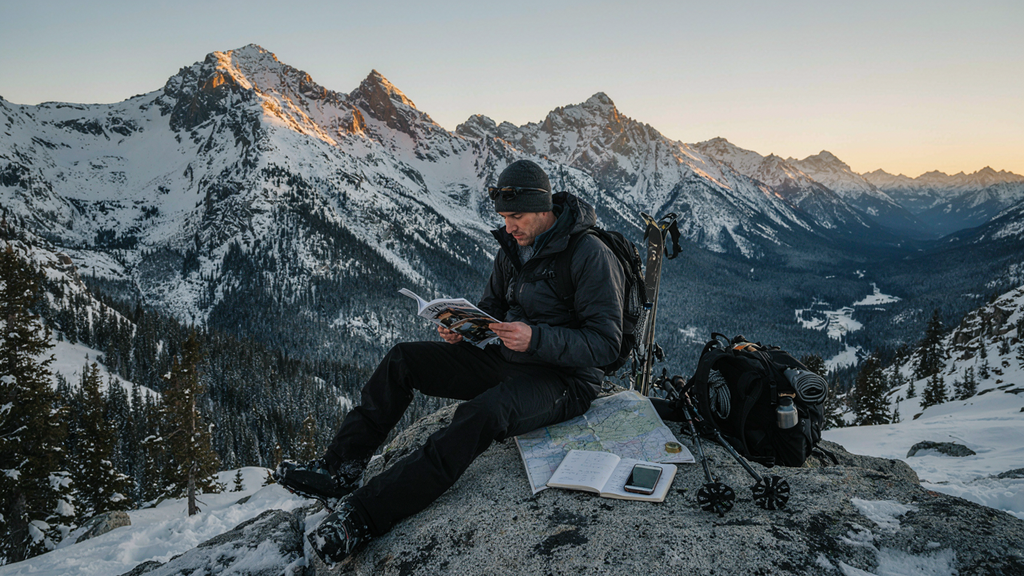
Separate Inspiration From Current Information
A published story may describe conditions from a specific time. Treat current forecasts as a separate research step.
Read About the Process
Don’t focus only on spectacular descents. Pay attention to planning, terrain selection, weather, and decision-making.
Compare Multiple Gear Sources
A single review should not determine a major equipment purchase.
Learn the Vocabulary
Understanding terms such as touring, splitboarding, skin track, avalanche terrain, transition, and ski mountaineering makes future research easier.
Follow Experienced Professionals
Look for information from qualified avalanche educators, mountain guides, and recognized safety organizations.
Start Conservatively
Your first backcountry trip doesn’t need to be your biggest adventure.
Respect Local Communities
Busy trailheads and mountain towns can experience significant pressure during peak winter seasons. Follow parking rules and local etiquette.
Build Skills Over Time
Navigation, snow awareness, efficient transitions, weather interpretation, and emergency skills improve through structured learning and practice.
Backcountry Adventure Checklist
Before planning a winter backcountry outing, use this general checklist:
Research
- Destination researched
- Access confirmed
- Land-management rules checked
- Weather reviewed
- Current avalanche forecast checked
- Route understood
- Emergency options considered
Skills
- Appropriate avalanche education completed
- Navigation skills practiced
- Equipment knowledge developed
- Group communication planned
- Fitness appropriate for the objective
Equipment
- Touring equipment inspected
- Avalanche transceiver available and functional
- Probe available
- Shovel available
- Navigation tools ready
- Clothing appropriate for conditions
- Food and water packed
- Emergency supplies considered
Communication
- Group knows the plan
- Emergency contact knows the itinerary
- Communication limitations considered
- Turnaround criteria agreed upon
Best U.S. Regions for Backcountry Skiing
The United States offers a wide range of winter mountain environments.
Colorado
Colorado is one of America’s best-known ski regions and has extensive backcountry terrain. However, its popularity also means travelers should pay close attention to avalanche education, parking, access, and local regulations.
Utah
Utah is famous for its snow and mountain terrain. The Wasatch Range is particularly well known among backcountry skiers.
Washington
Washington’s Cascade Mountains offer spectacular scenery and complex mountain environments. Weather and terrain can be challenging.
Wyoming
Wyoming provides major mountain destinations and opportunities for experienced winter travelers.
Montana
Montana combines expansive landscapes with a strong outdoor culture and numerous winter recreation opportunities.
California
The Sierra Nevada offers diverse terrain and significant opportunities for ski touring.
Alaska
Alaska presents enormous mountain landscapes but also much more serious terrain and weather considerations. Advanced experience and professional guidance can be especially important.
Backcountry Magazine and Responsible Travel

Responsible recreation should be part of every mountain adventure.
Follow Leave No Trace Principles
Minimize waste, respect wildlife, and avoid damaging sensitive environments.
Follow Local Rules
Always check the rules for the specific public land, forest, park, or recreation area.
Respect Other Users
Popular winter routes may be shared by skiers, snowboarders, snowshoers, climbers, and other outdoor users.
Protect the Mountain Environment
Simple choices—such as packing out waste, using designated parking, and respecting closures—help protect access for future visitors.
Backcountry Magazine for Beginners: Is It Worth Reading?
Yes, if you’re interested in learning about backcountry skiing and mountain culture.
However, beginners should use it as one part of a larger learning system.
A sensible learning path looks like:
Read → Take formal training → Practice skills → Learn from experienced partners → Check current conditions → Start conservatively → Build experience
This approach is much safer than trying to learn everything from articles or videos alone.
Frequently Asked Questions
What is Backcountry Magazine?
Backcountry Magazine is a publication focused on backcountry skiing, snowboarding, ski touring, mountain culture, gear, destinations, and winter adventure.
Is Backcountry Magazine good for beginners?
Yes. Beginners can learn useful terminology, discover equipment categories, and understand backcountry culture. Safety education should come from qualified instructors and recognized avalanche organizations as well.
Does Backcountry Magazine cover ski touring?
Yes. Ski touring and human-powered mountain travel are central subjects within the broader backcountry skiing world.
What gear do I need for backcountry skiing?
Typical equipment can include touring skis and bindings or a splitboard, skins, appropriate boots, poles, an avalanche transceiver, probe, shovel, backpack, navigation tools, and suitable clothing.
Is backcountry skiing dangerous?
Backcountry skiing involves hazards that do not exist—or are managed differently—in controlled resort environments. Avalanche terrain, weather, navigation, falls, and remote locations can create serious risks.
Can I learn backcountry skiing from magazines?
Magazines can provide valuable background knowledge, but reading alone is not enough. Practical instruction and experience are important.
What is the difference between resort skiing and backcountry skiing?
Resort skiing generally takes place in managed areas with lifts, marked terrain, and professional mountain operations. Backcountry skiing takes place outside those controlled boundaries and requires greater personal responsibility.
What is splitboarding?
Splitboarding uses a snowboard that separates into ski-like sections for uphill travel. The pieces reconnect for the downhill ride.
Should beginners ski in avalanche terrain?
Beginners should first obtain appropriate avalanche education and develop the skills needed to recognize and manage winter mountain hazards. The right terrain depends on training, conditions, and experience.
Where can I learn more about avalanche safety?
Start with recognized avalanche education organizations and local avalanche forecasting centers. In the United States, resources from organizations such as the American Avalanche Association and the Colorado Avalanche Information Center can be valuable starting points.
Conclusion
Backcountry Magazine is more than a source of exciting ski stories. It gives outdoor enthusiasts useful insight into backcountry skiing, ski touring, mountain gear, snow safety, destinations, and the culture of human-powered winter adventure. Whether you are a beginner learning the basics or an experienced skier looking for new ideas, the magazine can be a helpful source of inspiration and knowledge.
However, backcountry travel always requires careful planning and responsible decision-making. Magazine articles should never replace current avalanche forecasts, weather updates, professional training, or local safety guidance. The smartest approach is to use Backcountry Magazine for education and inspiration while building your real-world skills through trusted experts and recognized safety organizations.
If you are ready to explore the world of backcountry skiing, start small, improve your skills step by step, choose appropriate terrain, and always put safety first. With the right preparation and respect for the mountains, your next winter adventure can be both memorable and rewarding
Read More:All Camping in One Place: Ultimate 2026 Guide to Finding, Planning & Enjoying the Perfect Campsite