Planning a camping trip used to mean searching through many websites, campground pages, maps, review sites, and reservation systems. Today, campers can start with an all camping in one place approach that makes the research process much easier. Instead of opening dozens of tabs, you can first search broadly, compare campsite types, check reviews, and narrow your choices based on location, amenities, price, and activities.
This approach is especially useful for USA travelers because the country offers an enormous range of outdoor experiences. You can camp beside a lake, in a national forest, near a beach, beneath desert cliffs, in a state park, or at an RV resort. You can also choose between traditional tent camping, car camping, RV camping, cabins, and glamping.
But convenience should never come before accuracy. A camping platform can help you discover a destination, but official land-management websites remain important for permits, fire restrictions, closures, weather information, and local regulations. The National Park Service recommends checking park requirements, outdoor conditions, food-storage rules, permits, and fire regulations before a trip.
Quick Answer
All Camping in One Place describes the idea of finding many camping options, trip-planning tools, reviews, locations, and useful information from one convenient starting point.
Instead of searching separately for tent campgrounds, RV parks, national park campsites, state parks, cabins, glamping locations, and free camping, travelers can use camping directories and reservation platforms to compare options.
The Dyrt, for example, currently presents itself with the headline “All Camping in One Place” and includes categories such as state parks, national parks, RV parks, glamping, and free camping.
However, one platform should not replace official campground rules. Recreation.gov serves as the federal government’s centralized reservation and trip-planning platform for many federal recreation opportunities, while individual parks and land-management agencies may have their own rules and reservation systems.
What Is an All-in-One Camping Search?
An all-in-one camping search brings multiple camping categories into one discovery experience.
Depending on the platform, you may be able to search for:
- Tent campsites
- Car camping
- RV campsites
- State park campgrounds
- National park campgrounds
- National forest camping
- Dispersed camping
- Free camping
- Glamping
- Cabins
- Private campgrounds
- Family campgrounds
- Waterfront campsites
- Pet-friendly camping
- Hiking and backpacking locations
The advantage is simple: you can compare different camping styles before committing to one.
For example, a family traveling through Colorado might begin by searching for campgrounds near a mountain destination. Instead of assuming a traditional tent campground is best, the family could compare an RV site, developed campground, cabin, or glamping option.
This makes camping planning more flexible.
Why This Approach Matters
An all-in-one camping resource can save time because campers often have several questions at once:
Where can I camp?
What type of campsite is available?
How much does it cost?
Can I reserve it?
What amenities are included?
Is it suitable for my vehicle?
Are pets allowed?
What activities are nearby?
What do previous campers say?
What rules apply?
A strong camping research process answers these questions before you arrive.
10 Types of Camping You Can Find in One Place

One of the biggest advantages of All Camping in One Place is the ability to compare camping styles.
Tent Camping
Tent camping remains one of the simplest ways to enjoy the outdoors.
It can range from established campgrounds with picnic tables and restrooms to remote backcountry locations with very few facilities.
For beginners, a developed campground is usually easier because basic infrastructure is available.
RV Camping
RV camping is ideal for travelers who want more comfort while still spending time outdoors.
Depending on the campground, RV sites may offer:
- Electrical hookups
- Water connections
- Sewer connections
- Dump stations
- Pull-through sites
- Restrooms
- Showers
- Picnic areas
Always confirm site dimensions and hookup availability before booking.
National Park Camping
National parks offer some of America’s most memorable camping destinations.
However, availability, reservations, permits, seasonal access, and campground rules vary by park. The National Park Service advises travelers to research campground facilities, regulations, reservation requirements, food storage, and fire rules before visiting.
State Park Camping
State parks can be excellent alternatives when national park campgrounds are full.
They often combine camping with activities such as:
- Hiking
- Swimming
- Fishing
- Boating
- Wildlife viewing
- Cycling
- Scenic drives
Rules and reservation systems vary by state, so verify details with the relevant state park agency.
National Forest Camping
National forests provide both developed and dispersed camping opportunities.
The U.S. Forest Service explains that developed campgrounds typically provide some amenities, while dispersed camping is more primitive and may have few or no facilities.
This makes national forests especially attractive to campers looking for either convenience or greater solitude.
Dispersed Camping
Dispersed camping means camping outside a developed campground on land where it is permitted.
It can provide a quieter outdoor experience, but it also comes with greater responsibility.
There may be no:
- Trash collection
- Toilets
- Picnic tables
- Drinking water
- Fire rings
- Camp hosts
Rules also differ between forests and districts, so never assume that dispersed camping is allowed simply because land appears undeveloped.
Glamping
Glamping combines outdoor surroundings with additional comfort.
Possible accommodations include:
- Furnished tents
- Yurts
- Safari tents
- Small cabins
- Unique outdoor stays
Glamping can be a useful choice for travelers who want a nature-focused trip without traditional tent camping.
Free Camping
Free camping can reduce trip costs, but “free” does not mean “without rules.”
Some public lands allow dispersed camping under specific conditions. Other areas may require permits, prohibit overnight camping, or restrict where vehicles can travel.
Always confirm current rules with the land manager.
Cabin Camping
Cabins offer a middle ground between traditional camping and lodging.
They can work well for:
- Families
- First-time campers
- Cold-weather trips
- Travelers who prefer beds and shelter
Availability varies significantly by location and season.
Private Campgrounds
Private campgrounds can provide a wide range of amenities, including pools, laundry facilities, playgrounds, Wi-Fi, RV hookups, stores, and organized activities.
They may be especially convenient for road trips and family vacations.
All Camping in One Place: Camping Types Compared
| Camping Type | Comfort | Typical Facilities | Best For |
| Tent camping | Basic | Varies | Traditional outdoor experience |
| Car camping | Basic–Moderate | Often restrooms/fire rings | Beginners and families |
| RV camping | Moderate–High | Hookups may be available | Road trips |
| National park camping | Varies | Varies by park | Scenery and iconic destinations |
| State park camping | Basic–Moderate | Often developed | Families and weekend trips |
| Dispersed camping | Low | Few or none | Solitude and experienced campers |
| Glamping | High | Furnishings vary | Comfort-focused travelers |
| Cabin camping | High | Beds/shelter | Families and beginners |
| Private campground | Moderate–High | Often many amenities | Convenience |
How to Find All Camping in One Place

A good search process can make camping planning much easier.
Choose Your Destination
Start with a location rather than a specific campground.
For example:
- Yosemite area
- Smoky Mountains
- Utah national parks
- Pacific Northwest
- Florida Gulf Coast
- Colorado Rockies
- New England
This gives you more options.
Choose Your Camping Style
Decide whether you want:
- Tent camping
- RV camping
- Cabin camping
- Glamping
- Backpacking
- Developed campground
- Dispersed camping
Your choice will immediately reduce the number of suitable sites.
Set Your Dates
Camping availability changes with the season.
Summer weekends can be especially competitive at popular destinations. Shoulder seasons may provide different weather, fewer crowds, or greater availability.
Filter by Amenities
Important filters may include:
- Drinking water
- Restrooms
- Showers
- Electricity
- Dump stations
- Picnic tables
- Fire rings
- Pet policies
- Cell service
- Accessibility
- Vehicle access
Read Reviews Carefully
Reviews can reveal practical information that a campground description may not emphasize.
Look for repeated comments about:
- Road conditions
- Noise
- Shade
- Cell reception
- Site size
- Cleanliness
- Crowds
- Wildlife
- Bathroom conditions
Do not rely on one review. Look for patterns.
Verify With the Official Source
This is one of the most important steps.
Use the official land manager or campground website to confirm:
- Current availability
- Fees
- Permits
- Closures
- Fire restrictions
- Seasonal rules
- Check-in requirements
- Maximum stay limits
Recreation.gov provides camping searches and reservations for many federal recreation areas, but it does not cover every campground in the country.
Best Features to Look for in an All-in-One Camping Platform
Not every camping directory offers the same experience.
If you are comparing camping resources, look for these features.
Comprehensive Campground Search
The best starting point should offer multiple campground categories rather than focusing on only one camping style.
Interactive Maps
Maps help you understand the relationship between a campsite and:
- Trails
- Lakes
- Towns
- Roads
- Attractions
- National parks
- State parks
Reviews and Photos
Real camper feedback can make it easier to understand what a campsite is actually like.
Availability Information
Availability tools are useful, but always confirm booking details before making travel plans.
Search Filters
Useful filters include:
- Dates
- Location
- Camping type
- Price
- Amenities
- Pet policies
- RV requirements
- Activities
Trip Planning Tools
Road-trip planning features can be particularly helpful when visiting several destinations.
Mobile Access
A mobile-friendly experience is valuable when you’re traveling and need campground information away from home.
All Camping in One Place: The Dyrt, Recreation.gov, and Official Sources
Different resources serve different purposes.
| Resource | Main Strength | Best Use |
| The Dyrt | Broad campground discovery and camper-focused information | Comparing camping options |
| Recreation.gov | Federal recreation reservations and planning | Many federal campgrounds and permits |
| National Park Service | Official park information | National park rules and conditions |
| U.S. Forest Service | National forest information | Forest camping and dispersed camping |
| State park agencies | State-specific information | State park reservations and rules |
| Local campground websites | Property-specific information | Amenities and direct details |
The key lesson is that all camping in one place is most useful as a discovery strategy, not as a reason to ignore official information.
Pros and Cons of All-in-One Camping Search
| Pros | Cons |
| Saves research time | One platform may not include every campground |
| Makes comparisons easier | Information can change |
| Helps discover new destinations | Reviews may be subjective |
| Useful for road trips | Official rules still need verification |
| Can show different camping styles | Some reservations use separate systems |
| Makes filtering easier | Availability can change quickly |
How to Choose the Best Campsite
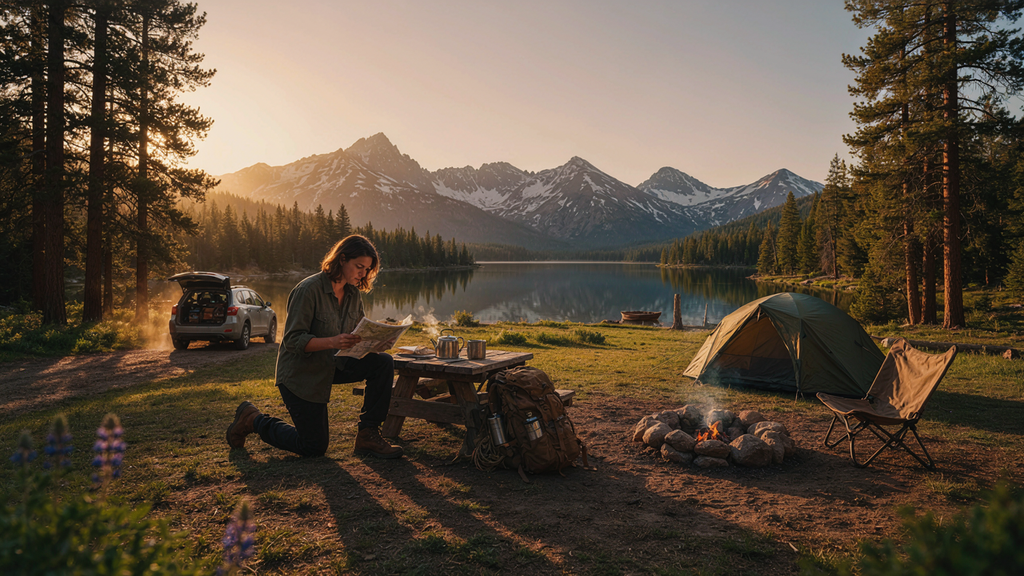
Finding a campsite is only half the job. Choosing the right campsite matters more.
Consider Location
Do you want to be close to:
- Hiking trails?
- A lake?
- A beach?
- A town?
- A scenic viewpoint?
- A national park entrance?
A cheap campsite far from your planned activities may cost more in fuel and time.
Check Accessibility
Consider whether the campsite requires:
- A normal passenger car
- A high-clearance vehicle
- A trailer
- A long hike
- A boat
Never assume every campsite shown on a map is easy to reach.
Review Amenities
A campsite without drinking water may require you to bring your own supply.
A primitive site without toilets requires additional planning.
The Forest Service notes that dispersed camping generally has few or no facilities, making preparation especially important.
Think About Weather
A beautiful campsite can become uncomfortable when conditions change.
Research:
- Temperature
- Rain
- Wind
- Snow
- Heat
- Storm potential
- Fire danger
The National Park Service recommends checking conditions and hazards before departure and having a backup plan when conditions change.
Camping Checklist: What to Pack
Use this basic checklist before leaving home.
Shelter
- Tent
- Tent stakes
- Sleeping bag
- Sleeping pad
- Tarp or rain protection
Cooking
- Camping stove
- Fuel appropriate for the stove
- Cookware
- Plates and utensils
- Food
- Water
- Food-storage containers
Clothing
- Weather-appropriate layers
- Rain protection
- Comfortable footwear
- Extra socks
- Warm layer for cool nights
Safety
- First-aid kit
- Flashlight or headlamp
- Extra batteries or charging solution
- Map
- Navigation tools
- Emergency contact information
- Necessary personal supplies
Campsite
- Trash bags
- Water containers
- Toilet supplies if required
- Camp chairs
- Table or suitable cooking surface
Your exact list should depend on the destination, season, trip length, and camping style.
Common Mistakes Campers Make
Even experienced travelers can make planning mistakes.
Booking Before Checking the Rules
A reservation does not automatically mean every activity is permitted.
Check local regulations for fires, pets, vehicles, food storage, and group sizes.
Assuming “Free” Means “Anywhere”
Free dispersed camping still has rules.
The Forest Service states that regulations can vary by national forest and local district.
Ignoring Site Dimensions
An RV site may technically accept your vehicle but still be difficult to access.
Check length limits, driveway configuration, hookups, and road conditions.
Relying on Old Reviews
Conditions change.
A review from several years ago may not reflect current roads, facilities, construction, closures, or vegetation.
Arriving Without a Backup Plan
Popular campgrounds can fill quickly, and weather can disrupt plans.
Keep an alternative campsite or lodging option in mind.
Ignoring Fire Restrictions
Campfires are not automatically allowed everywhere.
The NPS recommends checking current fire restrictions and ensuring any permitted campfire is fully extinguished.
Expert Tips for Using All Camping in One Place
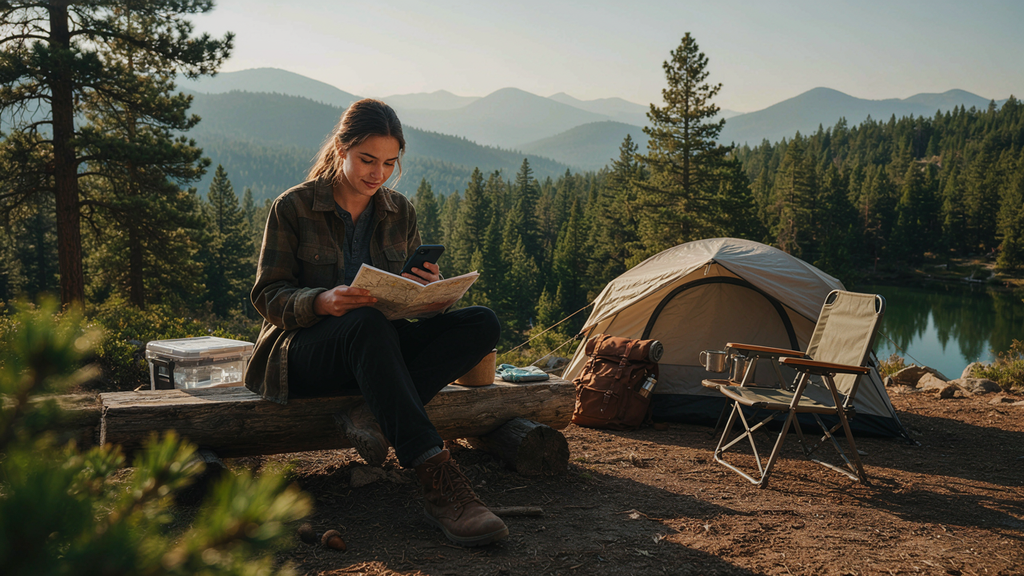
Search Broadly First
Don’t immediately choose the first campground you see.
Compare several options.
Search by Camping Style
If you normally tent camp, also check cabins or glamping when appropriate. You may discover an option that better fits your trip.
Compare the Total Trip Cost
Don’t look only at the nightly campsite price.
Consider:
- Reservation fees
- Entrance fees
- Fuel
- Firewood
- Food
- Equipment rental
- Activity fees
Read Recent Reviews
Recent reviews generally provide more useful information about current conditions.
Look Beyond the Most Popular Campsites
A less-famous campground can sometimes offer a quieter experience while still providing access to the same destination.
Check the Official Website Last
Before leaving home, verify the final details directly with the responsible land manager.
Save Important Information Offline
Cell service may be limited in remote areas.
Keep reservation information, maps, addresses, emergency contacts, and important regulations available offline.
Respect the Land
Leave the campsite cleaner than you found it.
The goal is not simply to have a great trip today. Responsible camping helps preserve outdoor places for future visitors.
How to Camp More Responsibly
Camping is an opportunity to enjoy nature without damaging it.
Follow Leave No Trace principles by:
- Planning ahead
- Traveling on durable surfaces
- Disposing of waste properly
- Leaving natural objects where you find them
- Minimizing campfire impacts
- Respecting wildlife
- Being considerate of other visitors
Wildlife should never be fed. The National Park Service warns that feeding wildlife can make animals dependent on human food and increase dangerous encounters.
Campfire Responsibility
If fires are allowed, follow local regulations.
The NPS recommends using designated fire areas where required, never leaving a fire unattended, and ensuring it is completely extinguished before leaving.
In periods of high fire danger, alternatives such as approved portable cooking equipment may be more appropriate where permitted.
All Camping in One Place for Different Types of Travelers
For Families
Look for:
- Restrooms
- Easy vehicle access
- Nearby activities
- Safe walking areas
- Reliable water access
- Appropriate campsite size
For First-Time Campers
Start with a developed campground.
Having restrooms, established sites, and nearby assistance can make the first experience less stressful.
For RV Travelers
Focus on:
- Site length
- Hookups
- Dump stations
- Road access
- Generator rules
- Nearby fuel
For Couples and Small Groups
Scenic campsites, cabins, and glamping options can provide a comfortable outdoor experience.
For Experienced Campers
Dispersed camping and backcountry opportunities may offer more solitude, but they require greater preparation and knowledge of local regulations.
How to Plan a Camping Road Trip

An all camping in one place strategy is especially helpful for road trips.
Create a Route
Choose two to five major destinations.
Identify Overnight Stops
Find camping options between major attractions.
Mix Camping Styles
You do not have to use the same type of accommodation every night.
For example:
Night 1: Developed campground
Night 2: RV park
Night 3: Cabin
Night 4: State park campground
Avoid Overpacking the Schedule
Give yourself enough time to set up camp, eat, rest, and explore.
Build a Backup
Keep at least one alternative option for important overnight stops.
Frequently Asked Questions
What does “All Camping in One Place” mean?
It generally means finding multiple types of camping and related trip-planning information through one convenient search experience. The phrase is also currently used as the homepage headline by The Dyrt.
Can I find tent and RV camping together?
Yes. Many camping directories allow travelers to search both tent sites and RV sites. Availability and reservation options depend on the campground.
Is all camping available through one website?
No. There is no single resource that covers every campsite, campground, private property, state park, national park, and public-land rule in the United States. Use broad discovery tools together with official sources.
What is the difference between developed and dispersed camping?
Developed camping takes place in established campgrounds with facilities. Dispersed camping occurs outside developed campgrounds where it is permitted and usually provides fewer services.
Is dispersed camping free?
It can be free in some locations, but rules vary. Some areas require permits, restrict vehicle access, or prohibit camping altogether. Always check the responsible land-management agency.
How far ahead should I reserve a campsite?
It depends on the destination and season. Popular locations can become unavailable quickly, especially during peak travel periods. Check the official reservation system as early as possible.
How do I find a good campsite?
Compare location, amenities, access, recent reviews, price, weather, activities, and campground rules. Then verify the details with the official land manager.
What should beginners look for in a campground?
Beginners should usually consider developed campgrounds with easy access, restrooms, established campsites, and nearby services.
Can I have a campfire at any campsite?
No. Campfire rules vary by location and can change because of fire danger. Always check current restrictions before starting a fire.
What is the best way to plan a camping trip?
Start with your destination, dates, camping style, budget, and activities. Compare multiple campsites, check recent information, reserve when required, and verify official rules before departure.
Conclusion
Finding All Camping in One Place can make planning your next outdoor adventure faster, easier, and more enjoyable. From tent camping and RV parks to national parks, state campgrounds, cabins, glamping, and dispersed camping, having different options in one search process helps you compare what fits your trip best.
The key is to look beyond price and location. Check campsite amenities, recent reviews, accessibility, weather, reservation requirements, fire restrictions, and official campground rules before you travel. A little preparation can prevent common problems and help you enjoy more time outdoors.
Whether you’re planning a weekend getaway, a family camping trip, or a long USA road trip, start by exploring your options, choose a campsite that matches your needs, and always respect the land you visit. Plan smart, camp responsibly, and make your next adventure one to remember.
Read More:American Hiking Society: Ultimate 2026 Guide to Trails, Volunteering, Advocacy & Outdoor Adventures