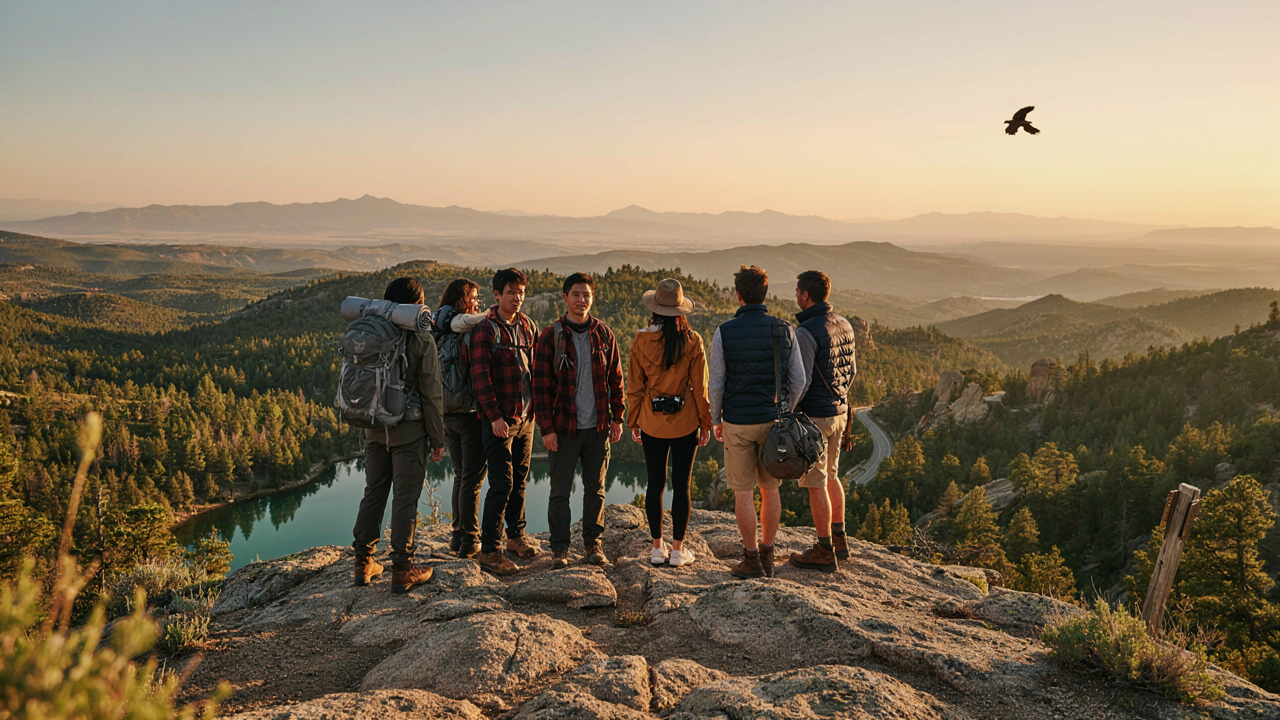
Sometimes you do not need another ordinary weekend at home. You need a new view, a different road, a fresh experience, or a place that makes you stop and say, “I’m glad I came here.” If you are ready to find your next adventure, the United States gives you almost endless possibilities.
From dramatic national parks in the West to beautiful beaches in Florida and Hawaii, America offers adventures for nearly every type of traveler. You can hike through red-rock canyons, explore mountain towns, drive along scenic coastlines, discover small communities, paddle calm waterways, or spend a weekend exploring a major city.
The trick is knowing how to choose the right adventure. This guide brings together 25 travel ideas, planning strategies, practical tips, common mistakes, and a simple checklist to help you turn inspiration into an actual trip in 2026.
Quick Answer
To find your next adventure, start by choosing the type of trip you want—outdoor adventure, road trip, beach escape, national park visit, city break, or hidden-gem getaway. Then match your choice to your budget, travel dates, fitness level, and available time.
For 2026, travelers can choose from everything from scenic national parks and mountain towns to coastal drives, desert landscapes, wildlife destinations, and exciting American cities. The best adventure is not always the farthest or most expensive trip. It is one that fits your interests and gives you something memorable to experience.
A simple formula:
Choose your experience → Pick a destination → Set your budget → Plan transportation → Check conditions → Book key activities → Pack smart → Go explore.
25 Best Ways to Find Your Next Adventure in the USA
You do not need to choose the most famous destination to have an unforgettable experience. Think about what you want to see, do, learn, and feel during your trip.
Explore a National Park
National parks are one of the easiest ways to start your adventure search.
The USA has an incredible variety of protected landscapes, including mountains, forests, deserts, canyons, wetlands, glaciers, and coastlines.
Consider destinations such as:
- Yellowstone National Park
- Grand Canyon National Park
- Zion National Park
- Yosemite National Park
- Grand Teton National Park
- Acadia National Park
- Great Smoky Mountains National Park
- Olympic National Park
- Joshua Tree National Park
- Rocky Mountain National Park
Before visiting, check park alerts, seasonal conditions, reservations, road closures, and permit requirements.
Best for: Hiking, photography, wildlife, camping, scenic drives, and outdoor exploration.
Take an Epic American Road Trip
A road trip can turn the journey itself into the adventure.
Instead of flying directly to one destination, choose a route that connects several interesting places.
Popular road-trip themes include:
- Pacific Coast Highway
- Southwest national parks
- Blue Ridge Parkway
- New England fall foliage
- Florida Keys
- Utah national parks
- California coast
- Great Lakes region
Leave enough time for unexpected stops. Small towns, roadside viewpoints, local restaurants, historic sites, and scenic overlooks can become highlights of your trip.
Best for: Couples, families, friends, photographers, and flexible travelers.
Discover a Hidden Gem
If crowded attractions are not your thing, look for lesser-known destinations.
A hidden gem does not have to be completely unknown. It simply needs to offer something different from the usual tourist experience.
Look for:
- Small mountain towns
- Quiet beaches
- Local nature preserves
- Historic communities
- Scenic byways
- Regional food destinations
- Lesser-known hiking areas
Always verify current access, opening hours, parking rules, and local regulations before visiting.
Best for: Travelers who enjoy discovery and slower-paced exploration.
Plan a Weekend Adventure
You do not need two weeks off work to travel.
A well-planned weekend trip can provide a much-needed break from your routine.
Choose a destination within a few hours of home and focus on three things:
One major experience
One great meal
One relaxing activity
Avoid packing your schedule with ten attractions. A little free time can make a short trip feel much more enjoyable.
Best for: Busy professionals, students, couples, and families.
Chase Waterfalls
Waterfalls create excellent adventure destinations, especially when combined with hiking.
Depending on the region, you can find waterfalls in forests, mountains, canyons, and state parks.
Before starting a waterfall hike, check:
- Trail conditions
- Weather
- Water levels
- Parking
- Distance
- Elevation gain
- Seasonal closures
Never assume a trail is safe simply because photos online look easy.
Head to the Mountains
Mountain destinations are ideal when you want fresh air, scenic views, hiking, and outdoor activities.
Popular mountain regions include the Rockies, Appalachians, Sierra Nevada, Cascades, and Alaska Range.
A mountain adventure could involve:
- Hiking
- Scenic drives
- Wildlife viewing
- Camping
- Photography
- Mountain-town exploration
- Winter activities
Choose activities appropriate for your experience level and check weather conditions before leaving.
Find Your Next Beach Adventure
Beach trips can be relaxing, but they can also be active adventures.
Try combining a beach destination with:
- Kayaking
- Paddleboarding
- Wildlife watching
- Coastal hiking
- Snorkeling where conditions and local rules permit
- Sunrise photography
- Scenic drives
Consider Florida, California, Hawaii, North Carolina, South Carolina, Maine, and other coastal regions depending on your travel style and season.
Explore America’s Desert Landscapes
The American Southwest looks almost otherworldly.
Places in Arizona, Utah, Nevada, New Mexico, and California offer dramatic landscapes featuring red rocks, mesas, canyons, desert mountains, and unusual geological formations.
Popular destinations include:
- Grand Canyon
- Zion
- Arches
- Canyonlands
- Joshua Tree
- Death Valley
- Monument Valley region
Desert travel requires extra planning. Carry enough water, protect yourself from the sun, and understand that temperatures can change dramatically.
Take a Wildlife-Focused Trip
For many travelers, seeing wildlife in a natural setting is more memorable than visiting another landmark.
Consider destinations known for:
- Bison
- Elk
- Bears
- Moose
- Sea turtles
- Whales
- Birds
- Seals
- Wild horses
Always observe wildlife from a safe distance and follow park or local wildlife guidelines.
Best for: Families, photographers, nature lovers, and first-time outdoor travelers.
Explore a New American City
Adventure does not always mean hiking.
A city can provide an exciting travel experience through food, architecture, museums, neighborhoods, music, sports, history, and local culture.
Consider destinations such as:
- New York City
- Chicago
- Seattle
- New Orleans
- Boston
- San Francisco
- Washington, D.C.
- Nashville
- Miami
- Los Angeles
For a city adventure, choose one neighborhood or area to explore on foot instead of rushing between distant attractions.
Visit a Small Mountain Town
Small towns can provide a more relaxed alternative to major tourist centers.
Look for communities with:
- Local restaurants
- Historic downtowns
- Hiking trails
- Scenic viewpoints
- Independent shops
- Regional festivals
- Outdoor recreation
Spend at least one night if possible. Staying locally gives you more time to experience the destination.
Follow a Scenic Byway
A scenic byway can be the destination itself.
These routes often connect landscapes, historic communities, viewpoints, forests, mountains, and cultural attractions.
Build your trip around stops rather than treating the drive as transportation between two cities.
Pro tip: Download maps before entering areas with weak cell service.
Plan a Fall Foliage Adventure
Autumn is one of the best seasons for a scenic American road trip.
New England is famous for fall colors, but you can also find beautiful autumn landscapes in the Midwest, Appalachians, Rockies, and other regions.
Fall travel works especially well when you combine:
- Scenic drives
- Small towns
- Local food
- Hiking
- Photography
- Historic attractions
Peak foliage varies by location and year, so check regional forecasts close to your trip.
Experience a National Forest
National forests can offer excellent opportunities for hiking, camping, fishing, scenic driving, wildlife watching, and outdoor recreation.
They are different from national parks and can have different rules, services, and management systems.
Research the specific forest before traveling because facilities and road access vary greatly.
Plan a Stargazing Trip
Want an adventure that feels completely different from everyday life?
Plan a night under dark skies.
Choose a destination away from major city lights and check:
- Moon phase
- Weather
- Cloud cover
- Local access rules
- Road conditions
- Safe parking locations
Bring warm layers even during seasons when daytime temperatures are comfortable.
Explore America’s Historic Towns
History can become an adventure when you visit places with preserved buildings, historic districts, battlefields, museums, and cultural landmarks.
Instead of simply taking photos, learn the story behind the destination.
A walking tour, local museum, or ranger-led program can add context to your visit.
Take a Food Adventure
Travel does not always have to revolve around landscapes.
America’s regional food culture offers another way to explore.
Plan a trip around:
- Barbecue
- Seafood
- Regional desserts
- Farm-to-table restaurants
- Local markets
- Food festivals
- Classic diners
- Regional specialties
Research local restaurants and check current opening hours before building your itinerary around a specific meal.
Try a Slow Travel Weekend
Slow travel means doing less but experiencing more.
Instead of visiting five towns in three days, choose one destination and explore it properly.
You might:
- Walk downtown
- Visit a local market
- Take a nature trail
- Eat at independent restaurants
- Talk with local guides
- Spend time at a viewpoint
This is a great option for travelers who want an adventure without a packed schedule.
Plan a Photography Adventure
If you love photography, choose destinations based on visual opportunities.
Great subjects include:
- Landscapes
- Architecture
- Wildlife
- Sunrises
- Sunsets
- Historic buildings
- Coastal scenery
- Small-town streets
Check photography restrictions at specific attractions and protected areas.
Create a Stargazing and Camping Escape
Combining camping with dark-sky viewing can create a memorable weekend.
Start with an established campground if you are new to camping. Learn the site’s rules, weather conditions, fire regulations, food-storage requirements, and emergency procedures.
Keep your first camping trip simple.
Explore a Coastal Town
Coastal towns can combine scenery, food, history, shopping, beaches, and outdoor activities.
Instead of visiting only major resort areas, research smaller coastal communities with a strong local identity.
This can be especially enjoyable during shoulder seasons when conditions are pleasant and crowds may be lower.
Take a Train Adventure
Train travel offers a different way to see the country.
Rather than concentrating only on the final destination, you can enjoy changing scenery along the route.
Before booking, compare:
- Travel time
- Departure frequency
- Station locations
- Luggage rules
- Ticket prices
- Connections
Rail travel works particularly well when you want to reduce driving during part of a trip.
Visit a State Park
State parks are often overlooked when travelers search for adventure.
They can offer:
- Hiking
- Beaches
- Waterfalls
- Camping
- Scenic overlooks
- Wildlife
- Historic sites
Because rules and facilities differ by state, always check the official state park website before visiting.
Build an Adventure Around a Festival
Local festivals can give a destination extra energy.
Look for events involving:
- Food
- Music
- Art
- History
- Local traditions
- Seasonal celebrations
Check official event information because dates, schedules, ticket requirements, and locations can change.
Let Your Interests Choose the Destination
This may be the most important strategy.
Instead of asking, “Where should I go?” ask:
“What do I want to experience?”
If you love mountains, choose mountains.
If you love food, plan a culinary trip.
If you love history, explore historic communities.
If you love photography, chase landscapes.
When you start with your interests, it becomes much easier to find your next adventure.
How to Choose the Right Adventure for You
The best trip depends on more than destination popularity.
Consider five factors before making a decision.
Available Time
A three-day weekend requires a different destination from a three-week vacation.
| Trip Length | Best Adventure Type |
| 1 day | Nearb y hike, attraction, scenic drive |
| 2–3 days | Weekend city or nature escape |
| 4–7 days | Road trip or regional adventure |
| 1–2 weeks | Multi-destination trip |
| 2+ weeks | Major road trip or cross-region journey |
Budget
Create a realistic travel budget that includes:
- Transportation
- Lodging
- Food
- Admission fees
- Parking
- Fuel
- Activities
- Emergency spending
Do not spend your entire budget before the trip begins. Keep a small buffer for unexpected costs.
Travel Style
Ask yourself whether you prefer:
- Relaxation
- Outdoor activities
- Culture
- Food
- History
- Wildlife
- Photography
- Adventure sports
- Road trips
- City exploration
Your answer can quickly narrow your options.
Season
A destination can feel completely different depending on the month.
Always check seasonal weather, road conditions, closures, wildfire risks, hurricane risks, and other local travel considerations.
Experience Level
Do not choose an advanced outdoor activity simply because it looks impressive online.
Match your adventure to your experience and preparation.
Find Your Next Adventure: Destination Comparison Table
| Adventure Type | Example Destination | Ideal For | Typical Trip |
| National Park | Yellowstone | Nature & wildlife | 3–7 days |
| Beach Escape | Florida Keys | Coastal relaxation | 3–5 days |
| Road Trip | California Coast | Scenic travelers | 4–7 days |
| Mountain Trip | Colorado Rockies | Outdoor lovers | 3–7 days |
| City Adventure | New York City | Culture & food | 2–5 days |
| Desert Escape | Utah | Hiking & scenery | 4–7 days |
| Historic Trip | Boston | History lovers | 2–4 days |
| Fall Foliage | New England | Photographers | 3–6 days |
| Wildlife Trip | Alaska | Nature enthusiasts | 5–10 days |
| Small-Town Escape | Appalachian region | Slow travelers | 2–4 days |
Best Adventure Types for Different Travelers

For Families
Choose destinations with a mix of easy outdoor activities, educational attractions, comfortable lodging, and flexible schedules.
National parks, state parks, coastal towns, and major cities can all work well.
For Couples
Consider scenic road trips, mountain towns, coastal escapes, food-focused weekends, and relaxing nature destinations.
For Solo Travelers
Start with destinations that have reliable transportation, plenty of accommodations, and activities you can comfortably enjoy alone.
Cities, guided experiences, scenic train trips, and organized outdoor activities can be good options.
For Outdoor Lovers
National parks, national forests, mountain destinations, deserts, and coastal regions offer countless opportunities.
For Budget Travelers
Look closer to home.
A nearby state park or weekend road trip can provide a memorable experience without the cost of airfare.
How to Plan Your Next Adventure Step by Step
Pick Your Travel Goal
Write one sentence:
“I want to spend my next trip…”
For example:
“I want to spend my next trip exploring mountains and hiking.”
That sentence becomes your planning filter.
Choose Three Destinations
Do not research 30 destinations at once.
Select three realistic options and compare them.
Check Travel Dates
Look at weather, crowds, events, transportation, and seasonal closures.
Create a Budget
Estimate the total cost before booking.
Plan Transportation
Decide whether you will:
- Drive
- Fly
- Take a train
- Use public transportation
- Combine transportation methods
Reserve the Important Things
Book the parts that have limited availability first.
These might include lodging, permits, popular tours, transportation, or special events.
Build a Flexible Itinerary
Plan your must-do experiences, but leave room for unexpected discoveries.
Check Conditions Before Leaving
Check official information shortly before your trip.
Expert Tips to Find Your Next Adventure

Experienced travelers know that good planning is about more than finding attractive destinations.
Start With Experiences, Not Places
Instead of searching for “best places to visit,” search for the experience you want.
For example:
- Best hiking destinations
- Best scenic road trips
- Best small towns for a weekend
- Best national parks for wildlife
- Best coastal drives
This produces more targeted ideas.
Travel During Shoulder Seasons
Shoulder seasons can offer a useful balance between weather, availability, and visitor levels, although conditions vary by destination.
Always research the specific location before assuming a particular month is ideal.
Look Beyond Famous Attractions
A destination’s most popular attraction is not always its most memorable experience.
Ask locals, guides, park staff, and reputable tourism organizations about additional places to explore.
Build Around One Main Experience
Choose one major experience and let the rest of your itinerary support it.
This keeps your trip focused without making every hour feel scheduled.
Keep Emergency Flexibility
Road closures, weather, delays, and attraction changes can happen.
Keep backup options available.
Download Important Information
Save offline maps, reservation details, confirmation numbers, emergency contacts, and important addresses before leaving.
Pros and Cons of Planning an Adventure Trip
| Pros | Cons |
| Creates memorable experiences | Requires planning |
| Helps break daily routines | Travel costs can add up |
| Encourages outdoor activity | Weather may affect plans |
| Lets you discover new places | Popular destinations can be crowded |
| Supports local businesses | Transportation may take time |
| Provides great photography opportunities | Some activities require advance reservations |
Common Mistakes to Avoid
Trying to See Everything
Packing too many attractions into one itinerary often creates stress.
Choose your priorities.
Ignoring Travel Time
A destination may look close on a map but take much longer to reach because of traffic, terrain, or road conditions.
Forgetting Seasonal Conditions
Never assume a trail, road, attraction, or campground will be available year-round.
Planning Only for Perfect Weather
Have a backup plan.
For example, if rain affects your hike, have a museum, scenic drive, historic district, or local food experience ready.
Booking Everything Too Late
Some popular destinations and activities require advance reservations.
Ignoring Local Rules
Protected areas may have rules involving parking, pets, fires, camping, permits, wildlife, drones, or food storage.
Overpacking
Bring what your destination requires, but avoid filling your luggage with things you probably will not use.
Relying Only on Social Media
Social media can inspire your trip, but it does not always provide current information about closures, permits, safety, crowds, or access.
Use official sources to verify important details.
Find Your Next Adventure: Smart Travel Checklist
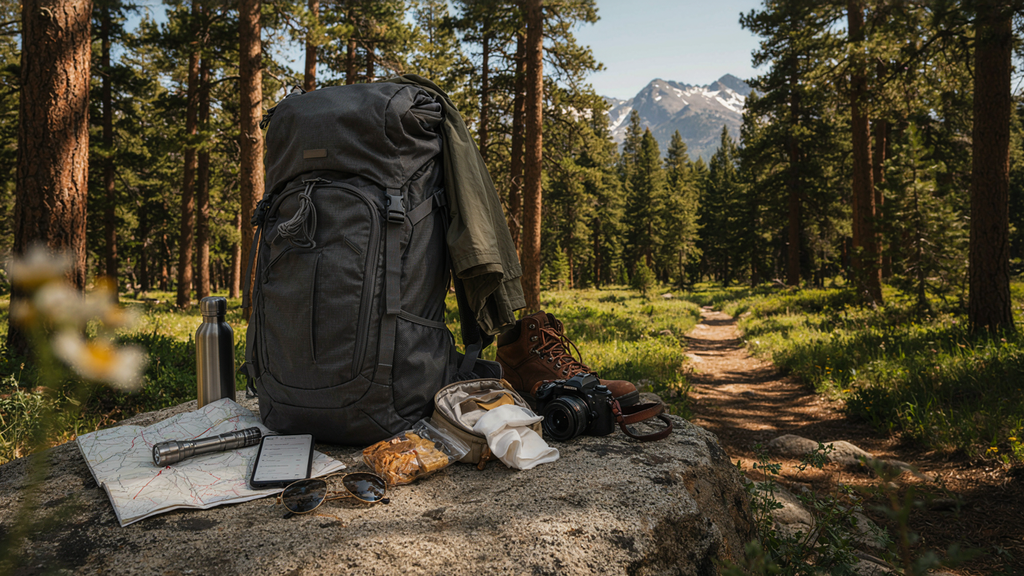
Use this checklist before you leave.
Destination
- Destination selected
- Weather checked
- Local conditions checked
- Opening hours verified
- Closures checked
- Permits researched
Transportation
- Flights or transportation booked
- Rental car arranged if needed
- Directions downloaded
- Parking researched
- Fuel or charging stops planned
Accommodation
- Hotel or campground booked
- Check-in details saved
- Cancellation policy reviewed
- Location checked
Activities
- Main activity selected
- Reservations confirmed
- Backup activity chosen
- Required equipment identified
Packing
- Weather-appropriate clothing
- Comfortable footwear
- Identification
- Chargers
- Necessary medications
- Reusable water bottle
- Sun protection
- Navigation tools
- Emergency essentials
How to Make Your Adventure More Memorable
The best travel memories are not always created by checking off famous attractions.
Try keeping a simple travel journal. Write down one interesting thing you learned each day.
Take fewer but more meaningful photos.
Try a local dish.
Visit a neighborhood outside the main tourist area.
Talk with local guides.
Wake up early for a peaceful viewpoint.
Leave some time with no plans.
Most importantly, pay attention to the experience rather than constantly documenting it.
Sustainable Ways to Find Your Next Adventure
Adventure travel can be more responsible when you make thoughtful choices.
Consider:
- Staying on marked trails
- Following wildlife-distance rules
- Carrying out your trash
- Supporting local businesses
- Using public transportation when practical
- Avoiding unnecessary single-use items
- Respecting local communities
- Following campground and park rules
- Choosing established accommodations and campsites
Responsible travel protects the places that make adventures possible.
Where to Find Reliable Travel Information
Before traveling, verify important details with authoritative sources.
Useful sources include:
- National Park Service — park conditions, alerts, permits, visitor information, and official regulations
- U.S. Forest Service — national forest information, recreation areas, closures, and conditions
- USA.gov — federal government travel-related information
- State tourism boards — destination information and regional events
- Official state park websites — park rules, reservations, trail information, and closures
- Official transportation providers — current schedules and travel requirements
- Local visitor bureaus — destination-specific recommendations and event calendars
Use blogs and social platforms for inspiration, but verify important details with official sources before traveling.
Internal Linking Opportunities for a Travel Website
To build a strong internal-link structure, connect this article naturally to related travel guides.
Recommended internal links include:
Best Places to Visit in the USA
Best National Parks in the USA
Best USA Road Trips
Best Weekend Getaways in the USA
Best Beaches in the USA
Best Hidden Gems in America
Best Places to Visit in New York
Best Things to Do in California
Best Places to Visit in Florida
National Park Trip Planning Guide
USA Travel Packing Checklist
Best Scenic Drives in America
Use descriptive anchor text rather than generic phrases such as “click here.”
Suggested External Authority Sources

For factual verification and trustworthy travel information, consider referencing:
- National Park Service
- U.S. Forest Service
- U.S. Fish & Wildlife Service
- USA.gov
- Federal Highway Administration
- Official state tourism departments
- Official state park agencies
- Official city and destination tourism organizations
- National Weather Service
- Recreation.gov
These sources can strengthen the E-E-A-T signals of a travel article when used appropriately.
Frequently Asked Questions
What does “find your next adventure” mean?
“Find your next adventure” means choosing a new travel experience that matches your interests, time, budget, and comfort level. It could be a road trip, national park visit, city break, beach vacation, hiking trip, or local getaway.
How do I find my next adventure in the USA?
Start by deciding what type of experience you want. Then compare destinations based on travel time, budget, weather, activities, transportation, and availability.
What is the best adventure destination in the USA?
There is no single best destination for everyone. National parks are excellent for outdoor travelers, major cities work well for culture and food, and coastal destinations are ideal for travelers who enjoy beaches and water-based activities.
What is a good adventure for a weekend?
Choose a destination within a few hours of home. State parks, small towns, nearby cities, scenic drives, beaches, and hiking areas can all work well for short trips.
How much does an adventure trip cost?
Costs vary widely. A local road trip can be relatively affordable, while flights, hotels, tours, and multi-day outdoor trips can cost considerably more. Build a complete budget before booking.
What should I consider before planning an adventure?
Consider your available time, budget, transportation, physical ability, weather, experience level, travel companions, reservations, and local rules.
Are national parks good for adventure travel?
Yes. National parks offer many forms of adventure, including hiking, scenic drives, wildlife watching, camping, photography, and educational programs.
How can I find less crowded travel destinations?
Look beyond the most famous attractions, consider smaller communities, explore shoulder-season travel, and research alternative destinations near major tourist areas.
How far in advance should I plan an adventure?
It depends on the destination. Popular parks, accommodations, transportation, tours, and special events may require early planning. Short local trips can often be arranged much closer to departure.
How can I make my next adventure more memorable?
Choose an experience that genuinely interests you, avoid overplanning, explore beyond major attractions, learn about the local area, and leave some room for spontaneous discoveries.
Conclusion
The USA is full of incredible opportunities to find your next adventure, whether you want to explore a national park, take an unforgettable road trip, relax on a beautiful beach, discover a hidden gem, or experience a new city. You do not need to travel far or spend a fortune to create meaningful travel memories.
The best adventure is one that matches your interests, budget, available time, and travel style. Start with one experience you truly want to have, choose a destination that fits your plans, check current travel conditions, and build a flexible itinerary. A little preparation can make your journey safer, easier, and much more enjoyable.
So, what are you waiting for? Pick a destination, mark your calendar, and start planning today. Your next adventure could be closer than you think—so get out there, explore something new, and make your next trip unforgettable.
Read More:Visit New York State: 25 Amazing Places, Things to Do & Expert Travel Tips for 2026