Travel is easier than ever to plan. You can search for hotels, compare flights, read reviews, build itineraries, and find popular attractions in minutes. Yet easy planning does not always create a memorable trip. A search engine can tell you what is famous, but it may not tell you why a place matters to the people who live there.
That is where journeys shaped by local experts can make a major difference. Local knowledge adds context to a destination. It can help you understand a neighborhood, choose a better restaurant, avoid crowded times, discover regional traditions, and experience a place beyond its most photographed landmarks.
For travelers in 2026, this approach is especially useful. Many people want trips that feel personal rather than mass-produced. They want authentic experiences, responsible tourism, local food, cultural connections, and flexible itineraries. Working with people who understand a destination can help bring those goals together.
This guide explains what local-expert travel means, how it works, what to look for, common mistakes to avoid, and how to build your own expert-informed itinerary.
Quick Answer
Journeys shaped by local experts are trips designed or improved with help from people who know a destination firsthand. These experts can include local guides, destination specialists, chefs, historians, outdoor professionals, artists, drivers, and experienced residents.
Instead of following only a standard tourist checklist, travelers can use local knowledge to discover authentic neighborhoods, regional food, lesser-known attractions, cultural traditions, practical travel advice, and experiences that fit their interests.
The biggest advantage is simple: local expertise can turn a basic vacation into a more meaningful and personalized journey.
Why Journeys Shaped by Local Experts Are Becoming More Popular
Travelers increasingly want more than a list of attractions. They want context, flexibility, and experiences that match their interests.
A local expert can add value in several ways:
- Destination knowledge: Learn what makes a place special.
- Personalization: Build activities around your interests.
- Local perspective: Understand customs, history, food, and daily life.
- Better time management: Reduce time spent on less-interesting activities.
- Hidden discoveries: Find places that may receive less tourist attention.
- Practical guidance: Learn about transportation, reservations, weather, and local etiquette.
- Authentic experiences: Connect with food, art, history, and communities.
- Greater confidence: Have someone knowledgeable to help you navigate unfamiliar situations.
The goal is not necessarily to avoid famous attractions. A good local expert knows when iconic sights are worth visiting and when a quieter alternative may be better.
What Makes a Local Travel Expert Valuable?
Not everyone who lives in a destination is automatically a travel expert. Strong local expertise combines firsthand knowledge with communication skills, destination awareness, and an understanding of what travelers actually need.
Firsthand Destination Knowledge
A local expert should know the destination beyond basic tourist information.
They may understand:
- Neighborhood differences
- Seasonal events
- Local transportation
- Regional food
- Cultural traditions
- Popular and less-crowded attractions
- Typical travel times
- Local etiquette
- Weather patterns
- Reservation requirements
Personal Experience
Firsthand experience is one of the most useful forms of travel knowledge.
A local food expert may know which dishes represent the region. A hiking guide may understand trail conditions. A historian may explain the background behind a landmark.
Good Communication
Knowledge is only useful when it is explained clearly.
Look for experts who listen to travelers, answer questions, explain expectations, and adapt their recommendations.
Respect for Local Communities
Responsible local tourism should benefit communities rather than simply treating neighborhoods as attractions.
A strong expert should encourage respectful behavior and help visitors understand local customs.
Ability to Personalize
The best travel advice is rarely identical for every visitor.
A family with children, a history enthusiast, a food lover, and an outdoor traveler may all need very different itineraries.
15 Ways Local Experts Can Improve Your Trip
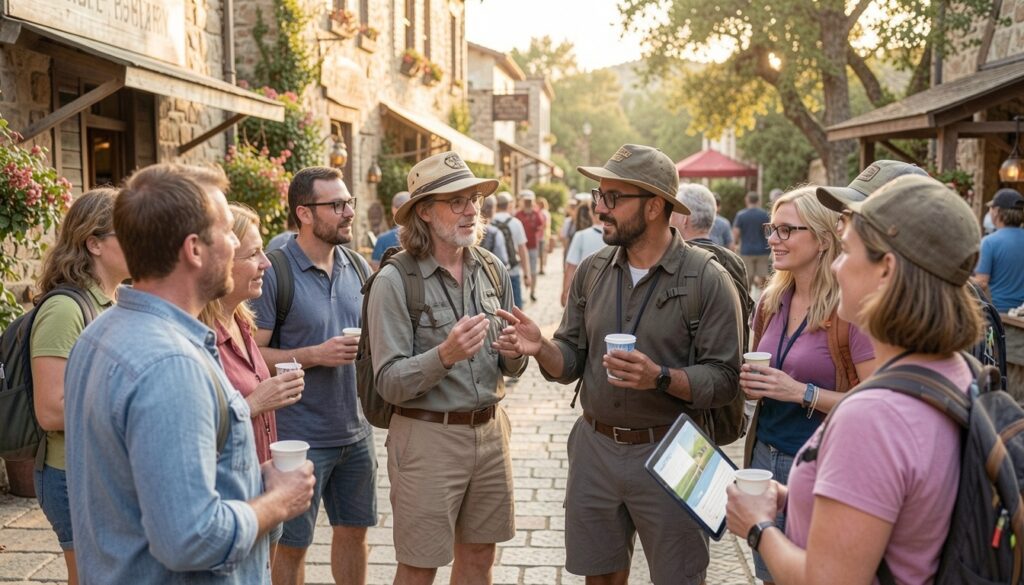
Discover Authentic Local Food
Food is often one of the fastest ways to understand a destination.
A local expert can introduce travelers to regional specialties, traditional cooking methods, neighborhood markets, bakeries, family-run restaurants, and seasonal foods.
Instead of asking only, “What is the best restaurant?” consider asking:
“What food would you recommend if I wanted to understand this destination?”
That question can lead to a much more interesting experience.
Explore Beyond Tourist Centers
Popular tourist districts have their advantages, but they do not represent an entire city.
Local knowledge can help you explore residential neighborhoods, local markets, creative districts, parks, independent shops, and cultural spaces.
Always follow local guidance about safety and appropriate visitor behavior.
Understand Local History
A landmark can look impressive without visitors understanding its importance.
A knowledgeable guide can explain:
- When it was built
- Why it matters
- Important historical events
- Local traditions
- Architectural details
- How the site connects to modern life
That context can make sightseeing far more memorable.
Find Better Times to Visit Popular Attractions
Local experts often understand crowd patterns.
They may suggest:
- Early morning visits
- Weekday sightseeing
- Seasonal alternatives
- Less-busy entrances
- Nearby attractions for flexible scheduling
This does not guarantee a quiet experience, but it can improve your planning.
Build Interest-Based Itineraries
Instead of creating an itinerary around a destination’s most famous attractions, begin with your interests.
For example:
Food lover: markets → cooking experience → neighborhood restaurant → dessert stop
History traveler: museum → historic district → landmark → local historian
Outdoor traveler: scenic trail → local nature guide → regional food → sunset viewpoint
Art lover: gallery → artist district → museum → independent studio
This is one of the strongest benefits of journeys shaped by local experts.
Learn Local Customs
Cultural differences can affect everything from clothing and greetings to photography and dining.
A local expert can explain what visitors should know before entering certain communities or participating in cultural experiences.
Improve Transportation Planning
Transportation can consume valuable vacation time.
Local advice may help travelers understand whether to use:
- Public transportation
- Walking
- Trains
- Buses
- Taxis
- Rideshare services
- Rental cars
- Private transfers
Always confirm current schedules and operating rules before traveling.
Discover Seasonal Experiences
Some experiences are strongly connected to time of year.
Local experts may know about:
- Festivals
- Farmers markets
- Seasonal foods
- Cultural celebrations
- Wildlife viewing periods
- Outdoor activities
- Holiday events
Avoid Generic Travel Recommendations
A standard list might tell everyone to visit the same ten attractions.
Local expertise encourages travelers to ask better questions and build a trip around their own priorities.
Make Better Restaurant Choices
Online ratings can be helpful, but they do not always explain whether a restaurant matches your preferences.
A local food expert can help you consider cuisine, atmosphere, location, timing, specialties, and reservation needs.
Improve Photography Opportunities
A local photographer or guide may know interesting viewpoints, lighting conditions, architectural details, and less-obvious photo locations.
Always respect photography restrictions and people’s privacy.
Connect With Local Culture
Cultural experiences can include:
- Cooking
- Craft workshops
- Music
- Art
- Local history
- Traditional markets
- Community events
The most meaningful experiences are usually respectful and genuinely connected to local communities.
Add Flexibility to Your Schedule
A rigid itinerary can make travel stressful.
Local experts can help travelers identify which activities need reservations and which can remain flexible.
Learn About Responsible Travel
Local professionals can help visitors make better choices regarding transportation, local businesses, cultural sites, wildlife experiences, and environmental impact.
Create Memories That Feel Personal
The biggest benefit may be emotional.
A trip becomes more memorable when travelers understand the stories, people, food, landscapes, and traditions behind what they see.
Journeys Shaped by Local Experts vs. Traditional Travel Planning
Both approaches can work well. The right choice depends on your travel style, budget, destination, and confidence.
| Feature | Traditional Planning | Local-Expert Approach |
| Itinerary | Often self-created | Personalized with local input |
| Attractions | Usually popular sights | Popular sights plus local discoveries |
| Food | Online reviews | Local recommendations plus research |
| Culture | Self-guided | More context and explanation |
| Flexibility | Depends on planning | Can be customized |
| Local knowledge | Limited | High |
| Cost | Often lower | May cost more |
| Convenience | Requires research | Can reduce research time |
| Personalization | Moderate | High |
| Best for | Independent travelers | Travelers seeking deeper experiences |
A hybrid approach can be excellent. You can plan your major transportation and accommodation yourself while using local experts for selected experiences.
How to Choose the Right Local Expert
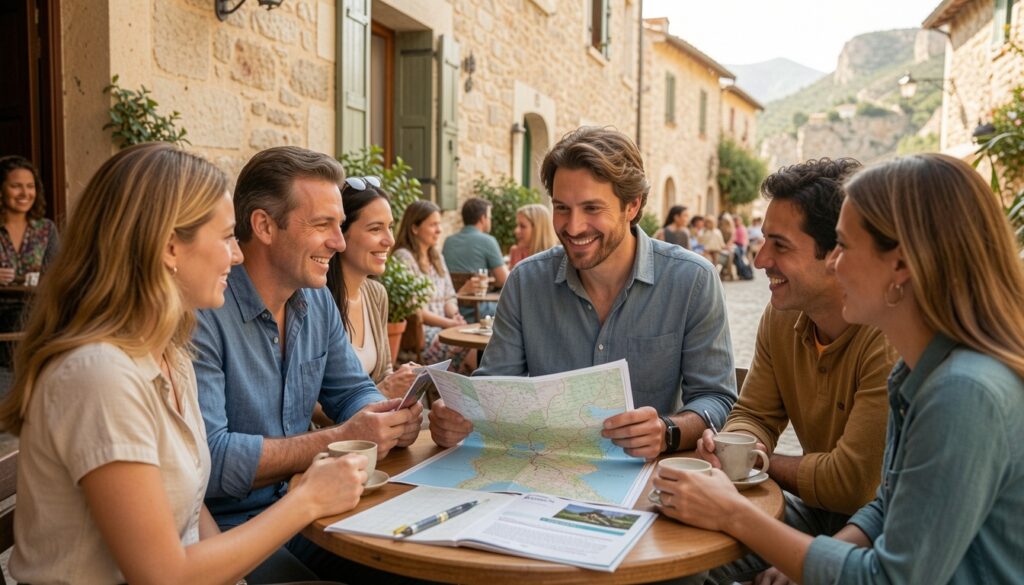
Choosing the right person or service is important because expertise levels can vary.
Check Relevant Experience
Look for experience related to your destination and interests.
A general city guide may be excellent for sightseeing, while a specialist may be better for food, hiking, photography, history, or architecture.
Read Recent Reviews Carefully
Reviews can reveal useful patterns.
Look for comments about:
- Communication
- Accuracy
- Professionalism
- Punctuality
- Flexibility
- Knowledge
- Safety
- Overall experience
Do not rely on star ratings alone.
Ask About Personalization
Before booking, ask whether the experience can be adjusted to your interests.
Understand What Is Included
Clarify whether the price includes:
- Guide services
- Transportation
- Food
- Attraction tickets
- Equipment
- Hotel pickup
- Entrance fees
Never assume something is included.
Confirm Cancellation Policies
Travel plans can change. Read cancellation and refund rules before committing.
Prioritize Safety
For outdoor activities, transportation, or unfamiliar environments, ask about safety procedures, qualifications, emergency plans, and appropriate equipment.
How Much Do Local-Expert Travel Experiences Cost?
There is no single price for local-expert travel.
Cost depends on:
- Destination
- Experience length
- Group size
- Private vs. shared experience
- Specialist expertise
- Transportation
- Meals
- Admission fees
- Activity complexity
- Season
A short neighborhood walking experience may cost much less than a private multi-day itinerary with transportation and specialist guides.
Instead of asking only, “Is this expensive?”, consider:
“What value does this experience add to my trip?”
If expert guidance saves time, improves planning, provides access to a specialized experience, or helps you discover something you would not have found yourself, the additional cost may be worthwhile.
Pros and Cons of Journeys Shaped by Local Experts
| Pros | Cons |
| Personalized experiences | Can cost more |
| Local knowledge | Quality varies |
| Better cultural context | Less independence for some travelers |
| Potentially better time management | Requires advance research |
| Unique food and activities | Some experiences sell out |
| Practical destination advice | Not every recommendation will suit everyone |
| Greater confidence | Added planning or booking steps |
The best solution is often balance. Use local expertise where it provides clear value and keep the rest of your trip independent.
How to Build a Trip Around Local Expertise
You do not need a local expert for every hour of your vacation.
A smarter approach is to identify the parts of your trip where local knowledge provides the most value.
Choose Your Main Interests
Write down your top three priorities.
For example:
Local food
History
Outdoor experiences
Identify Knowledge Gaps
Ask yourself what you do not understand about the destination.
Do you need help with transportation? Food? Cultural etiquette? Hiking? Neighborhood selection?
Select the Right Specialist
Match the expert to your needs.
Keep Important Logistics Separate
Book flights, hotels, required tickets, and other essential arrangements through reliable providers and confirm details directly.
Leave Room for Discovery
Do not fill every hour.
A good itinerary includes free time for unexpected discoveries, rest, and changes in weather or circumstances.
Verify Important Information
Local recommendations are valuable, but travelers should still confirm opening hours, admission requirements, transportation schedules, weather conditions, and other time-sensitive information.
Common Mistakes Travelers Make
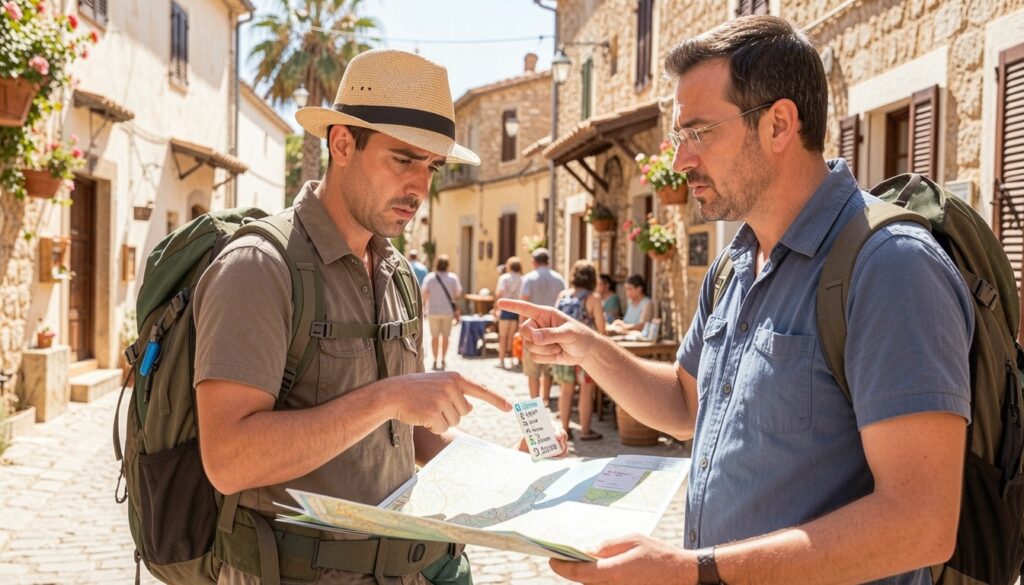
Assuming Every Local Is an Expert
Living somewhere does not automatically mean someone is qualified to guide visitors.
Following Recommendations Without Research
Local advice should complement, not replace, basic travel research.
Trying to See Everything
More activities do not always create a better vacation.
Ignoring Cultural Etiquette
Visitors should research appropriate behavior and follow local guidance.
Choosing Price Over Value
The cheapest experience may not provide the best knowledge, safety, or organization.
Booking Without Reading the Details
Always check inclusions, meeting points, duration, cancellation rules, accessibility, and age requirements.
Expecting an Experience to Be Completely “Secret”
Popular local recommendations can become popular quickly. Focus on quality and relevance rather than chasing a supposedly hidden location.
Overplanning
Even a personalized itinerary needs breathing room.
Expert Tips for Getting More From Local Knowledge
Ask Open-Ended Questions
Instead of asking, “Where should I go?” try:
- “What would you recommend for someone visiting for the first time?”
- “What food should I try here?”
- “Which neighborhood best matches my interests?”
- “What should visitors understand about this place?”
- “What should I avoid doing?”
Tell the Expert Your Preferences
Share your:
- Budget
- Interests
- Fitness level
- Food preferences
- Travel pace
- Group size
- Accessibility needs
The more useful information you provide, the more relevant the recommendations can become.
Book Popular Experiences Early
Specialist guides and small-group experiences can have limited capacity.
Keep a Flexible Day
Reserve at least part of your schedule for recommendations that come up during the trip.
Respect Local Knowledge
You are visiting someone’s home region. Be curious without being intrusive.
Verify Time-Sensitive Details
Even excellent experts cannot control weather, closures, transportation changes, or temporary restrictions.
A Practical Local-Expert Travel Planning Checklist
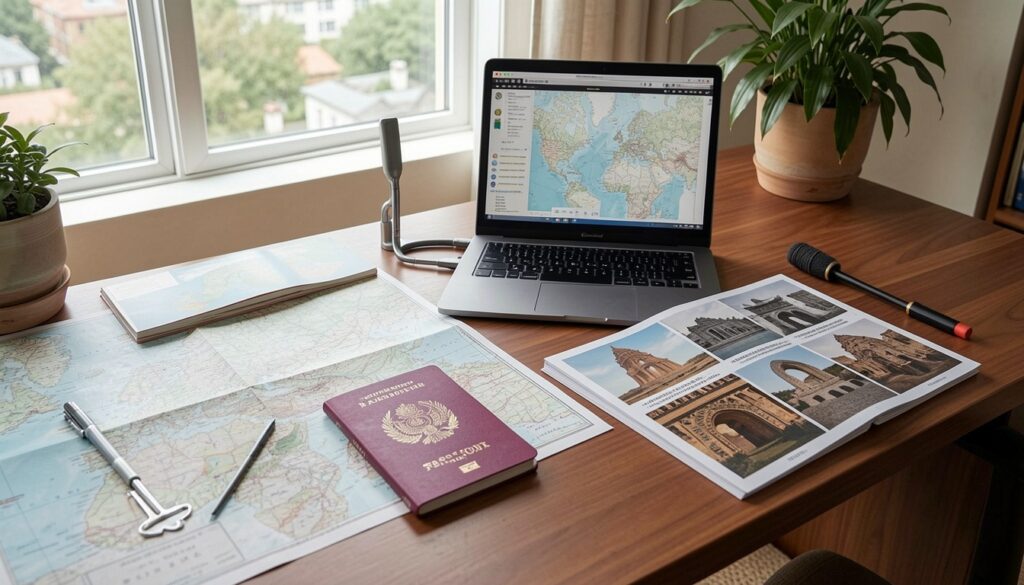
H2 Image Prompt:
Create a photorealistic flat-lay travel planning scene with passport, map, smartphone, notebook, camera, itinerary, and coffee on a clean desk, subtle local destination elements, organized vacation preparation, premium editorial photography, no readable text, 16:9.
- Define your main travel interests
- Research the destination basics
- Identify where local expertise would help most
- Compare qualified local guides or specialists
- Read recent reviews
- Check credentials where relevant
- Confirm pricing
- Review inclusions and exclusions
- Check cancellation policies
- Confirm meeting and pickup details
- Ask about accessibility or special requirements
- Research local customs
- Verify important attraction information
- Leave free time in your itinerary
- Keep backup plans for weather or closures
- Save important contact information
- Respect local communities and cultural sites
Sample 5-Day Journey Shaped by Local Experts

Imagine you are planning a five-day city trip.
Orientation With a Local Guide
Start with a walking experience focused on the city’s history and major neighborhoods.
This helps you understand the destination before exploring independently.
Local Food Experience
Book a food-focused experience with someone who understands regional cuisine.
Try local specialties and ask questions about ingredients, traditions, and dining customs.
Independent Exploration
Use what you learned to explore on your own.
Visit a museum, shop, park, or neighborhood that matches your interests.
Specialist Experience
Choose a specialist experience such as:
- Photography
- Architecture
- Hiking
- Art
- History
- Cooking
Flexible Local Recommendations
Keep the final day open.
Return to a favorite neighborhood, try a recommended restaurant, revisit an attraction, or explore somewhere you discovered during the trip.
This format combines expert guidance with independence.
Internal Linking Opportunities for a Travel Website
A travel website can strengthen this article with contextual internal links to related content.
Suggested internal linking topics include:
- Ultimate Travel Planning Guide
- Best Travel Destinations in the USA
- How to Create a Travel Budget
- How to Choose the Best Hotel
- Travel Packing Checklist
- Best Family Vacation Destinations
- Best Food Destinations in the USA
- How to Plan a Weekend Getaway
- Responsible Tourism Guide
- Travel Safety Tips
- Best Hidden Gems in the USA
- Travel Photography Tips
- How to Build a Flexible Travel Itinerary
Use descriptive anchor text rather than generic phrases such as “click here.”
Suggested External Authority Sources
For an EEAT-focused travel article, consider referencing authoritative organizations and official destination resources without relying on them for promotional claims.
Recommended source types include:
U.S. Department of State — destination safety and travel advisories
National Park Service — official U.S. national park information
Centers for Disease Control and Prevention — travel health guidance
Federal Aviation Administration — air travel and aviation information
Transportation Security Administration — airport security requirements
Official destination tourism boards — local attractions, events, and visitor information
UN Tourism — international tourism information and responsible travel resources
UNESCO — cultural and heritage information
Official transportation agencies — current transit information
Official attraction websites — opening hours, admission, and booking requirements
Always prioritize current official information for details that can change.
Frequently Asked Questions
What does “journeys shaped by local experts” mean?
It describes travel experiences influenced or designed with help from people who have firsthand knowledge of a destination. Their insights can improve itinerary planning, cultural understanding, food experiences, sightseeing, and local discovery.
Are local travel experts worth the cost?
They can be worthwhile when their knowledge provides meaningful value. This may include saving planning time, creating personalized experiences, improving cultural understanding, or helping travelers discover experiences they would otherwise miss.
How do I find a trustworthy local travel expert?
Look for relevant experience, recent reviews, clear pricing, transparent policies, strong communication, and appropriate qualifications for specialized activities.
Can local experts create completely customized itineraries?
Many travel professionals can personalize recommendations or itineraries, but the exact level of customization varies. Confirm what is included before booking.
Are local-guided trips better than independent travel?
Neither approach is automatically better. Independent travel offers maximum freedom, while local expertise can provide deeper destination knowledge. Combining both approaches can work particularly well.
What questions should I ask a local guide?
Ask about their experience, specialties, itinerary flexibility, group size, transportation, costs, cancellation policy, and what makes their experience different.
Can local experts help travelers find hidden gems?
They may recommend less-touristy places based on their knowledge, but travelers should avoid expecting every recommendation to be completely unknown. Good local travel focuses on meaningful experiences rather than simply avoiding tourists.
How early should I book a local expert?
For popular destinations, private guides, specialist experiences, holidays, and peak seasons, booking early is generally wise. Availability varies by destination and provider.
Are local experiences suitable for families?
Yes, many can be adapted for families. Parents should confirm age requirements, walking distances, safety arrangements, accessibility, and activity intensity before booking.
What is the best way to use local expertise on a trip?
Use it strategically. Consider hiring a local expert for the parts of a destination where specialized knowledge provides the greatest benefit, then explore independently during the rest of the trip.
Conclusion
Journeys shaped by local experts can turn an ordinary vacation into a more personal, meaningful, and memorable experience. Instead of relying only on popular attractions and generic itineraries, travelers can benefit from firsthand local knowledge, authentic food, cultural insights, hidden corners, and practical destination advice.
The key is to choose trustworthy experts, communicate your interests clearly, and leave enough flexibility in your itinerary. You do not need a local guide for every part of your trip. Even one carefully chosen local experience can give you a deeper understanding of the destination and help you discover places you might otherwise miss.
As you plan your next vacation, consider adding local expertise to the journey. Research reputable guides, compare experiences, check current details, and choose activities that match your travel style. When local knowledge meets thoughtful planning, your trip can become more than a vacation—it can become an experience you remember for years.
Read More:Top USA Destinations: 25 Best Places to Visit in the United States in 2026
;