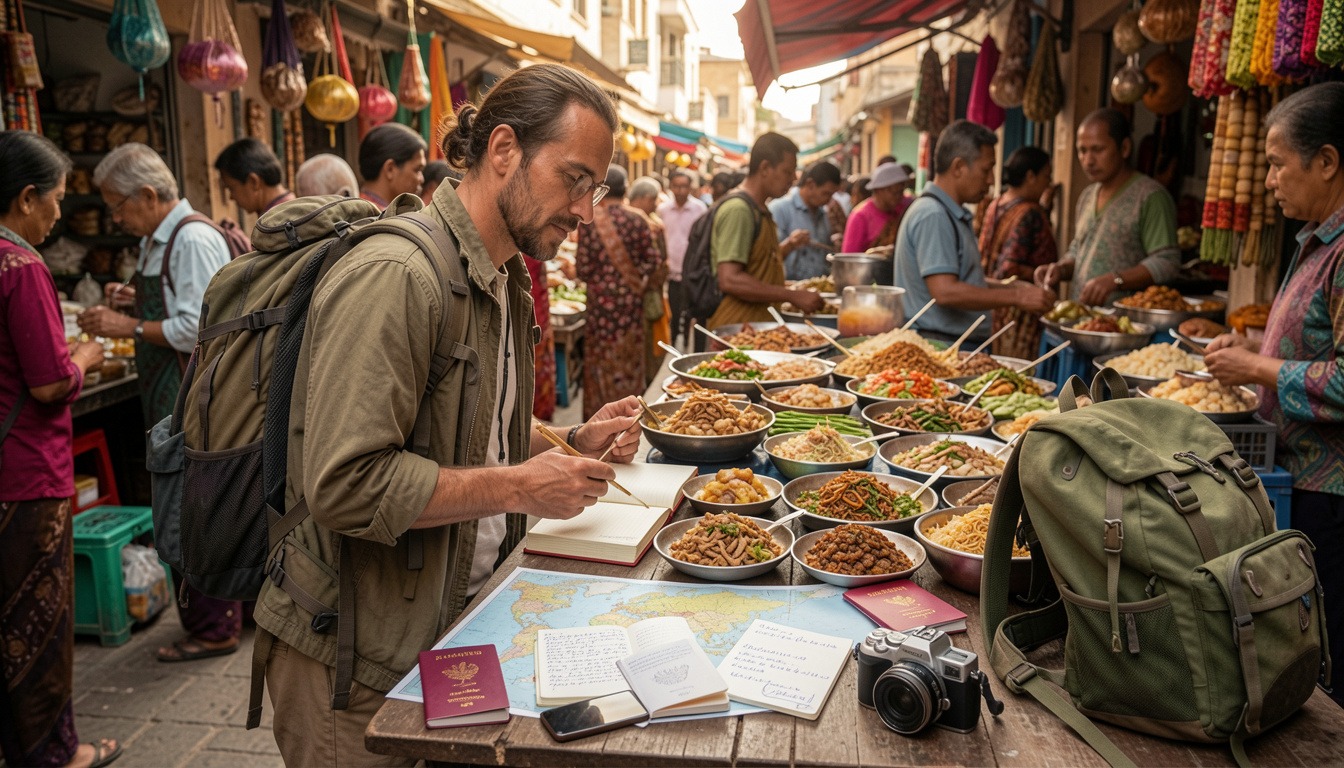
Travel blogs come in many forms. Some focus on luxury hotels, others on cheap flights, famous attractions, or Instagram-friendly destinations. Legal Nomads took a different path. Founded by Jodi Ettenberg in 2008, the site grew from a personal travel journal into a respected resource centered on food, culture, storytelling, gluten-free travel, and practical world travel advice.
Jodi originally left her corporate law career to travel for a year. Instead of returning to the legal profession, she continued traveling and writing. Food gradually became one of the most important ways she connected with different cultures. Her experiences also shaped detailed resources for travelers with celiac disease and gluten-free dietary needs.
Today, Legal Nomads is worth exploring if you want to understand how food can make travel more meaningful, how to plan long-term adventures, and how curiosity can lead you away from ordinary tourist routines. This guide explains what makes the site useful, the biggest lessons travelers can learn from it, and how to apply those ideas to your own trips in 2026.
Quick Answer
Legal Nomads is the travel website founded by Jodi Ettenberg, a former corporate lawyer who left her legal career in 2008 for what was originally planned as a one-year travel sabbatical. Her travels eventually became a new career built around travel writing, photography, food culture, and practical travel resources.
For travelers, Legal Nomads is especially useful for food-focused travel, gluten-free travel, long-term trip planning, travel budgeting, street food, cultural exploration, and alternative career ideas. The site has evolved over time, but its central idea remains curiosity: learning about places and people through stories, food, and personal experiences.
If you want more than a generic list of tourist attractions, Legal Nomads can be a valuable source of inspiration for planning meaningful trips.
What Makes Legal Nomads Different?
The biggest difference is its approach to travel.
Instead of treating travel as a checklist of attractions, Legal Nomads often looks at people, food, history, local traditions, and everyday experiences.
Jodi’s own story demonstrates this evolution. Her site began as a way to keep friends and family updated about her travels. Over time, it became a business and a community for people interested in food, stories, photography, and alternative ways of living.
Key Characteristics of Legal Nomads
| Feature | Why It Matters |
| Food-focused travel | Helps travelers understand destinations through local cuisine |
| Cultural storytelling | Adds history and context to travel experiences |
| Practical resources | Useful for planning, budgeting, packing, and longer trips |
| Gluten-free travel | Provides specialized resources for travelers with celiac disease |
| Photography | Shows destinations through visual storytelling |
| Alternative careers | Encourages readers to think differently about work and travel |
| Personal experiences | Makes travel advice more relatable |
| Long-term travel | Provides ideas for travelers planning extended trips |
This combination makes Legal Nomads more than a conventional travel blog.
25 Powerful Travel Lessons From Legal Nomads

Let Curiosity Guide Your Trip
One of the strongest lessons from Legal Nomads is simple: be curious.
Instead of asking only, “What should I see?” ask:
- What do locals eat?
- Why is this dish important?
- How did this neighborhood develop?
- What traditions are still alive?
- What can I learn from everyday life here?
Curiosity can turn a standard vacation into a deeper cultural experience.
Explore Through Food
Food can be a gateway to culture.
A local dish may reveal information about geography, migration, religion, agriculture, economics, or history.
Legal Nomads became strongly associated with this style of food travel. Jodi has written extensively about street food and local cuisine, showing how meals can become a way to connect with people and places.
When visiting a new destination, consider trying:
- Local markets
- Traditional breakfast foods
- Regional snacks
- Family-run restaurants
- Street food
- Local drinks
- Seasonal specialties
You do not need an expensive restaurant to experience great food.
Travel Beyond Major Attractions
Popular attractions have value, but they should not be your entire trip.
Spend time walking through neighborhoods, visiting markets, observing daily life, and talking with people when appropriate.
For example, instead of spending an entire day inside a famous attraction, you could explore the surrounding neighborhood afterward and discover a small bakery, market, bookstore, or family-owned restaurant.
Learn Before You Arrive
Research makes travel easier.
Legal Nomads’ travel resources encourage readers to plan important details such as budgeting, packing, visas, insurance, and destination research.
Before an international trip, research:
- Entry requirements
- Passport validity
- Local transportation
- Typical costs
- Weather
- Cultural customs
- Food safety
- Travel insurance
- Emergency contacts
- Local laws
Good preparation gives you more freedom once the trip begins.
Build a Realistic Travel Budget
Long-term travel requires more than enthusiasm.
Create a budget covering:
| Expense | Example Planning Question |
| Transportation | How much will flights, trains, and buses cost? |
| Accommodation | What is my realistic nightly budget? |
| Food | Will I eat mainly at restaurants, markets, or cook? |
| Activities | Which attractions require admission fees? |
| Insurance | What coverage do I need? |
| Emergency fund | What happens if plans change? |
| Connectivity | Do I need an eSIM or local SIM? |
A realistic budget should include a buffer for unexpected expenses.
Pack for Your Actual Trip
Do not pack for every imaginary situation.
Think about the destination, weather, activities, accommodation, laundry access, and transportation.
A practical packing strategy often means choosing versatile clothing, comfortable footwear, important documents, basic toiletries, and necessary technology.
Legal Nomads’ travel resources include packing and planning advice designed to help travelers prepare without becoming overwhelmed.
Take Food Safety Seriously
Trying local food is exciting, but food safety matters.
The CDC recommends that international travelers make careful food and water choices because contaminated food and water can expose travelers to infectious diseases. Raw or undercooked foods can carry additional risks.
Useful habits include:
- Wash your hands before eating.
- Choose food that is cooked thoroughly.
- Be cautious with untreated water.
- Consider destination-specific health guidance.
- Keep necessary medications and health information accessible.
- Seek professional medical advice before international travel when appropriate.
The goal is not to fear local food. The goal is to make informed choices.
Use Food to Start Conversations
Food creates natural opportunities for connection.
Ask a local resident:
“What should I try here?”
Or:
“What is this dish traditionally eaten with?”
Simple questions can lead to recommendations that never appear in a typical guidebook.
Learn a Few Local Words
You do not need fluency.
Learning “hello,” “thank you,” “please,” and basic food-related phrases can make interactions smoother and more respectful.
For travelers with dietary restrictions, learning precise food-related language can be especially important.
Take Photos That Tell Stories
Travel photography should capture more than famous landmarks.
Try photographing:
- Markets
- Food preparation
- Streets
- Architecture
- Signs
- Public spaces
- Local crafts
- Everyday scenes
Think about the story behind the image.
Slow Down
Fast travel can leave you exhausted.
If your schedule allows, spend several days in one neighborhood or city rather than constantly moving.
Slower travel gives you more opportunities to notice patterns, revisit favorite places, and understand local life.
Keep Notes While Traveling
Write down small details.
Record:
- Foods you tried
- Names of places
- Interesting conversations
- Unexpected discoveries
- Costs
- Favorite neighborhoods
- Lessons learned
These notes can become valuable memories later.
Don’t Treat Travel as a Performance
Not every moment needs to become a social media post.
Some experiences are valuable because you experienced them—not because they received likes.
This is particularly relevant today, when travel content can create unrealistic expectations about what a “perfect” trip should look like.
Prepare for Change
Travel rarely goes exactly according to plan.
Flights get delayed. Weather changes. Attractions close. Reservations disappear.
Build flexibility into your itinerary whenever possible.
Choose Experiences Over Checklists
A meaningful trip does not require visiting 25 attractions.
You might remember a two-hour conversation, an unexpected meal, or a quiet walk more vividly than another famous landmark.
Research Local History
Food becomes more interesting when you understand its background.
Before trying a regional dish, learn:
- Where it originated
- How it evolved
- What ingredients are traditional
- When people traditionally eat it
- How migration influenced it
This creates a richer travel experience.
Think About Accessibility
Travel planning should consider different mobility and accessibility needs.
Check:
- Transportation access
- Hotel accessibility
- Attraction conditions
- Elevator availability
- Walking distances
- Rest opportunities
Do not assume every destination or attraction will meet your needs.
Travel With Dietary Needs in Mind
Legal Nomads is particularly valuable for travelers interested in gluten-free travel because Jodi’s own experience with celiac disease shaped specialized guides and translation cards.
If you have a medically necessary dietary restriction, research your destination before departure and communicate your needs clearly.
Build Your Own Travel Research System
Do not depend on a single website.
Compare:
- Official tourism websites
- Government travel information
- Health authorities
- Airline or railway websites
- Hotel information
- Reputable travel blogs
- Recent traveler reports
This helps you identify outdated information.
Travel Is a Learning Experience
You do not have to return home with hundreds of photographs and souvenirs.
Return with knowledge.
Learn about:
- History
- Food
- Language
- Geography
- Culture
- People
- Yourself
Consider Long-Term Travel Carefully
Long-term travel can sound romantic, but it requires planning.
Consider:
- Income
- Insurance
- Visas
- Accommodation
- Banking
- Taxes
- Healthcare
- Communication
- Emergency planning
Legal Nomads’ resources include information for people interested in location-independent work and alternative career paths.
Use Travel to Rethink Your Career
Jodi’s transition from corporate law to travel writing is one of the most interesting parts of the Legal Nomads story.
That does not mean everyone should quit their job and travel.
Instead, ask:
What skills do I already have that could support a different lifestyle?
Writing, photography, design, programming, teaching, consulting, marketing, and other skills can sometimes create flexible work opportunities.
Don’t Ignore the Difficult Parts
Authentic travel stories include challenges.
Jet lag, loneliness, mistakes, illness, delays, cultural misunderstandings, and budget problems can all happen.
Good travel planning prepares for both the exciting and difficult parts.
Keep Learning After the Trip
Your trip does not have to end when your flight lands.
Continue learning about:
- The country’s history
- Its cuisine
- Books by local writers
- Films and documentaries
- Language
- Regional traditions
This can make your memories more meaningful.
Let Your Travel Style Evolve
Your travel priorities may change.
You may start with backpacking and later prefer slower trips. You may move from sightseeing to food exploration. You may become more interested in photography, history, or local culture.
That is normal.
The Legal Nomads story itself demonstrates how a travel project can evolve dramatically over time.
How to Use Legal Nomads for Trip Planning
Legal Nomads works best as one part of a larger research process.
Start with inspiration, then verify important details through official sources.
Choose a Destination
Begin with destinations that match your interests.
If food is your priority, research destinations known for strong food cultures.
Explore Food Stories
Look for local dishes, markets, ingredients, and food traditions.
Create a personal “must try” list.
Research Practical Details
Check transportation, accommodation, costs, entry requirements, and health considerations.
Create a Flexible Itinerary
Plan your essential activities but leave room for unexpected discoveries.
Verify Current Information
Travel rules and operating details can change.
Use official government and destination sources to confirm current requirements.
Save Important Information Offline
Keep copies of:
- Passport information
- Reservations
- Insurance details
- Emergency contacts
- Important addresses
- Transportation information
Legal Nomads vs. Traditional Travel Guides
| Category | Legal Nomads Approach | Traditional Guide Approach |
| Main focus | Stories, food, culture | Attractions and logistics |
| Food | Central theme | Often secondary |
| Personal experience | Strong | Usually limited |
| Cultural context | High | Varies |
| Practical planning | Strong | Usually strong |
| Gluten-free travel | Specialized | Often limited |
| Long-term travel | Useful | Varies |
| Storytelling | Major feature | Often secondary |
| Photography | Important | Usually supportive |
Neither format is automatically better. They serve different purposes.
For the best results, combine narrative travel resources with official information.
Pros and Cons of Legal Nomads
| Pros | Cons |
| Strong personal storytelling | Some information may be older |
| Excellent food-travel perspective | Not designed as a complete booking platform |
| Useful gluten-free resources | Focus is narrower than general travel portals |
| Practical world travel resources | Some content reflects personal experience |
| Encourages deeper cultural exploration | Travelers still need to verify current rules |
| Helpful long-term travel ideas | Not every destination receives equal coverage |
| Distinctive photography and writing | Site content has evolved over time |
Is Legal Nomads Still Useful in 2026?
Yes, but use it strategically.
The site’s own About page explains that its travel publishing has become quieter since Jodi’s health circumstances changed in 2017, while many resource and gluten-free pages remain active and useful.
That means readers should distinguish between:
Evergreen travel lessons
Personal travel stories
Current travel requirements
Destination-specific information
For current rules, always verify details with official authorities.
A Practical Legal Nomads-Inspired Travel Checklist
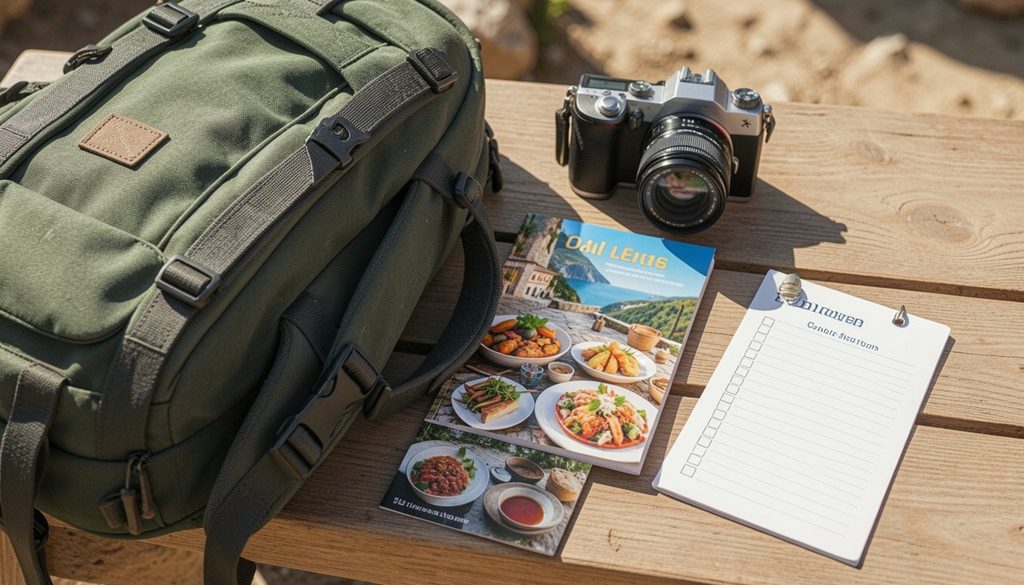
- Choose a destination based on your interests.
- Research local food and cultural traditions.
- Check passport and entry requirements.
- Review destination-specific health information.
- Create a realistic travel budget.
- Research transportation.
- Choose accommodation based on your needs.
- Prepare a flexible itinerary.
- Save important documents offline.
- Learn basic local phrases.
- Research food safety.
- Plan for dietary restrictions if applicable.
- Pack according to the actual destination.
- Leave space for spontaneous experiences.
- Keep emergency contacts accessible.
- Record memorable foods and experiences.
- Verify information that may have changed recently.
Common Mistakes When Using Travel Blogs
Assuming Every Detail Is Current
A blog post may have been written years ago.
Better approach: Check publication and update dates, then verify time-sensitive details.
Treating Personal Experience as Universal
One traveler’s experience may not match yours.
Accommodation quality, transportation, food preferences, accessibility, and budget can differ.
Ignoring Official Sources
Travel blogs are excellent for inspiration, but official sources should be used for important legal, health, and entry information.
Planning Every Minute
Overplanning can make travel stressful.
Leave breathing room.
Focusing Only on Instagram-Friendly Places
Popular locations can be worthwhile, but everyday neighborhoods often provide a different perspective.
Ignoring Food Safety
Trying local food is part of the adventure, but travelers should still follow appropriate food and water precautions. The CDC specifically recommends careful food and water choices when traveling internationally.
Expert Tips for Getting More From Legal Nomads
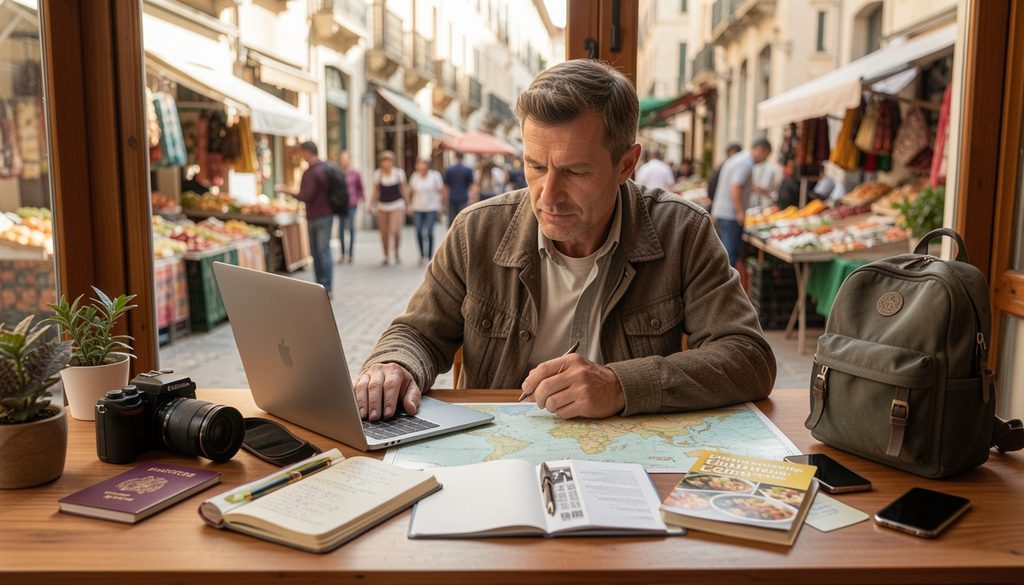
Read for Ideas, Not Just Destinations
Do not limit your research to destination names.
Pay attention to how Jodi approaches food, culture, storytelling, and research.
Create a Food Research Folder
Save articles, dishes, restaurants, markets, and cultural notes in one place.
Pair Stories With Official Information
Use travel writing to understand a place and official sources to verify current requirements.
Research Dietary Needs Early
If you have celiac disease or another medically necessary dietary restriction, research communication strategies and food options before departure.
Use Local Experiences as Learning Opportunities
A market visit can teach you about agriculture. A dish can teach you about history. A neighborhood can teach you about migration and architecture.
Don’t Copy Someone Else’s Trip
Use Legal Nomads as inspiration, then build an itinerary that fits your own interests, budget, schedule, and needs.
Keep Your Plans Flexible
A strong itinerary should provide structure without removing spontaneity.
Suggested Internal Linking Opportunities
If you run a travel website, Legal Nomads-related content can connect naturally to other travel guides.
Consider internal links such as:
- Solo Travel Guide → for independent travelers
- Budget Travel Tips → for travelers planning affordable trips
- International Travel Checklist → for pre-trip preparation
- Best Food Destinations in the USA → for food-focused travelers
- Gluten-Free Travel Guide → for travelers researching dietary needs
- Street Food Travel Guide → for culinary explorers
- Travel Photography Tips → for visual storytellers
- Long-Term Travel Guide → for extended trips
- Digital Nomad Travel Guide → for location-independent workers
- Travel Insurance Guide → for trip protection information
- Best Travel Destinations in 2026 → for destination inspiration
- How to Plan an International Trip → for beginners
Use descriptive anchor text rather than repeatedly linking the same phrase.
Suggested External Authority Sources
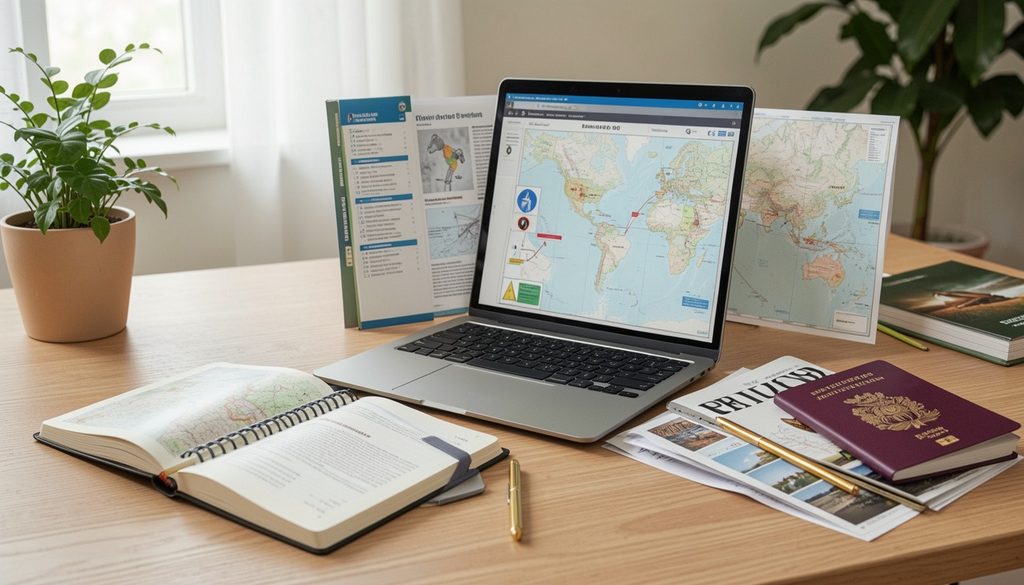
For a trustworthy travel article, consider referencing these authoritative sources when appropriate:
U.S. Department of State — passports, international travel, country information, and travel advisories.
CDC Travelers’ Health — destination-specific health and food/water guidance.
Official destination tourism boards — current attractions, events, and local information.
Airline and railway operators — current schedules, baggage rules, and travel policies.
Government immigration websites — visa and entry requirements.
Legal Nomads — first-hand travel stories, food travel resources, and specialized gluten-free resources.
The CDC’s 2026 Yellow Book specifically provides guidance on food and water precautions for international travelers, making it a useful authority for health-related travel claims.
FAQs About Legal Nomads
What is Legal Nomads?
Legal Nomads is a travel website founded by Jodi Ettenberg in 2008. It became known for travel writing, food stories, photography, gluten-free travel resources, and practical travel planning information.
Who created Legal Nomads?
Jodi Ettenberg created Legal Nomads. She previously worked as a corporate lawyer before leaving her legal career for a planned one-year travel sabbatical in 2008.
Why is Legal Nomads famous?
The site became known for combining travel with food, culture, personal storytelling, photography, and practical resources. It also developed specialized gluten-free travel guides and translation cards.
Is Legal Nomads a travel agency?
No. Legal Nomads is primarily a travel writing and resource website rather than a traditional travel agency or booking platform.
Is Legal Nomads useful for food travelers?
Yes. Food is one of the site’s defining themes. Jodi’s travel writing frequently explores local dishes, markets, street food, and the cultural meaning of food.
Does Legal Nomads cover gluten-free travel?
Yes. Gluten-free travel became an important part of the site’s resources because Jodi has celiac disease. Her guides and translation cards were designed to help travelers communicate their dietary needs abroad.
Can beginners use Legal Nomads?
Absolutely. Beginners can use it for inspiration and practical travel research. However, beginners should also check official sources for current visa, health, safety, and entry requirements.
Is Legal Nomads still active?
The site remains online with travel resources and gluten-free guides. Its travel publishing became quieter after Jodi’s health circumstances changed in 2017, but the website continues to maintain resources for readers.
What can travelers learn from Legal Nomads?
Travelers can learn to explore destinations through food, culture, curiosity, storytelling, and local experiences rather than relying only on traditional tourist attractions.
Is Legal Nomads enough for planning an international trip?
It is a useful resource, but it should not be your only source. Combine travel blogs with official government, health, transportation, and destination sources for current information.
Conclusion
Legal Nomads stands out because it treats travel as more than moving from one attraction to another. Its strongest lesson is that curiosity can change the way you experience a destination.
Food can introduce you to history. Markets can introduce you to everyday life. Local conversations can reveal perspectives that guidebooks often miss. Careful research can make long-term travel less overwhelming. And personal storytelling can help travelers understand that meaningful journeys are not always perfect.
Jodi Ettenberg’s story also shows how a travel project can evolve. What began as a one-year break from a legal career became a long-running travel and food website, a collection of specialized resources, and a community built around curiosity and learning.
For USA travelers planning international trips in 2026, the best strategy is to use Legal Nomads for inspiration, cultural context, food research, and practical ideas, then verify current requirements through official government, health, transportation, and destination sources.
Read More:Travel Solo, Travel Adventurously: 25 Proven Tips for an Unforgettable Journey in 2026