Traveling alone can completely change the way you experience a destination. When you travel solo, travel adventurously, you decide where to go, what to see, when to slow down, and which experiences are worth remembering. You do not have to wait for someone else’s schedule or compromise on every decision.
For many travelers in the USA, solo travel is also a chance to become more confident and independent. A solo trip can be as simple as a weekend in another city or as ambitious as exploring national parks, international destinations, or unfamiliar cultures. The key is choosing adventures that challenge you without putting you in unnecessary danger.
This guide explains 25 practical ways to travel solo and travel adventurously in 2026. You will learn how to choose destinations, plan your trip, manage money, stay connected, meet people, handle unexpected changes, and make your journey more memorable.
Quick Answer
To travel solo, travel adventurously, start with a destination that matches your experience level, create a flexible itinerary, research local customs, set a realistic budget, pack light, and build basic safety habits into every day.
Solo adventure travel does not mean taking unnecessary risks. The best trips combine independence, curiosity, preparation, and smart decision-making. You can hike, explore new cities, try local food, visit national parks, take scenic road trips, or join guided activities while still keeping your trip comfortable and responsible.
The simple formula is:
Research + preparation + flexibility + smart safety habits = a better solo adventure.
25 Proven Ways to Travel Solo and Travel Adventurously
Choose a Destination That Matches Your Experience
Your first solo adventure should not necessarily be your most complicated trip.
If you are new to solo travel, consider a destination with reliable transportation, plenty of accommodation options, useful tourist information, and activities suitable for independent travelers.
Experienced travelers may feel comfortable choosing destinations with more complex transportation systems or remote outdoor adventures.
Ask yourself:
- How comfortable am I navigating unfamiliar places?
- Can I communicate effectively there?
- How easy is transportation?
- What is the local weather like?
- How accessible are emergency services?
- Does the destination fit my budget?
Choosing the right destination gives you confidence before you even leave home.
Start With a Short Solo Trip
You do not need to begin with a month-long international adventure.
A two- or three-day trip can teach you important solo travel skills without creating unnecessary pressure.
Try a nearby:
- City break
- National park visit
- Beach destination
- Mountain town
- Scenic road trip
- Cultural weekend
A short trip helps you learn how you handle navigation, dining alone, budgeting, scheduling, and unexpected changes.
Once you become comfortable, you can gradually increase the length and complexity of your adventures.
Build a Flexible Itinerary
One of the biggest benefits of solo travel is flexibility.
Instead of planning every minute, create a basic framework.
For example:
| Trip Element | What to Plan |
| Arrival | Transportation from airport or station |
| Accommodation | First night’s lodging |
| Major attractions | 2–3 priorities |
| Activities | A few optional experiences |
| Meals | Flexible restaurant ideas |
| Free time | Several open periods |
| Departure | Transportation home |
This approach prevents your vacation from becoming a race between attractions.
Leave room for spontaneous discoveries.
Research Your Destination Before You Go
Good preparation is one of the smartest ways to travel adventurously.
Research:
- Local laws
- Transportation
- Weather
- Neighborhoods
- Cultural customs
- Common tourist scams
- Emergency procedures
- Recommended areas for visitors
- Entry requirements when traveling internationally
Look at official government and tourism resources when making important decisions.
Travel blogs can provide inspiration, but official sources should be your starting point for rules, travel advisories, and entry information.
Create a Simple Solo Travel Safety Plan
Adventure should not mean ignoring basic safety.
Before leaving, share your general itinerary with someone you trust. Keep important contact information available offline, and know how you will get help if something goes wrong.
Your safety plan can include:
- Emergency contacts
- Accommodation details
- Transportation information
- Copies of important documents
- Travel insurance information
- Local emergency numbers
- A daily check-in plan
You do not need to be constantly worried. A simple plan gives you more freedom because you know what to do if plans change.
Pack Light
Packing light makes solo travel easier.
When you are responsible for your own luggage, fewer bags mean fewer things to carry, store, and keep track of.
Focus on versatile clothing and essential travel items.
Solo Travel Packing Checklist
- Comfortable walking shoes
- Weather-appropriate clothing
- Personal toiletries
- Phone and charging cable
- Portable power bank
- Travel documents
- Payment cards
- Small amount of emergency cash
- Reusable water bottle
- Any necessary personal medications
- Daypack
- Copies of important information
Your packing list should change according to your destination and planned activities.
Learn Basic Navigation Skills
Getting around independently is an important part of solo adventure travel.
Before your trip, learn how to use:
- Offline maps
- Public transportation apps
- Walking directions
- Airport or train maps
- Local transit cards
- Digital travel documents
Download important information before leaving reliable internet access.
Knowing your route in advance can reduce stress, especially when arriving somewhere unfamiliar.
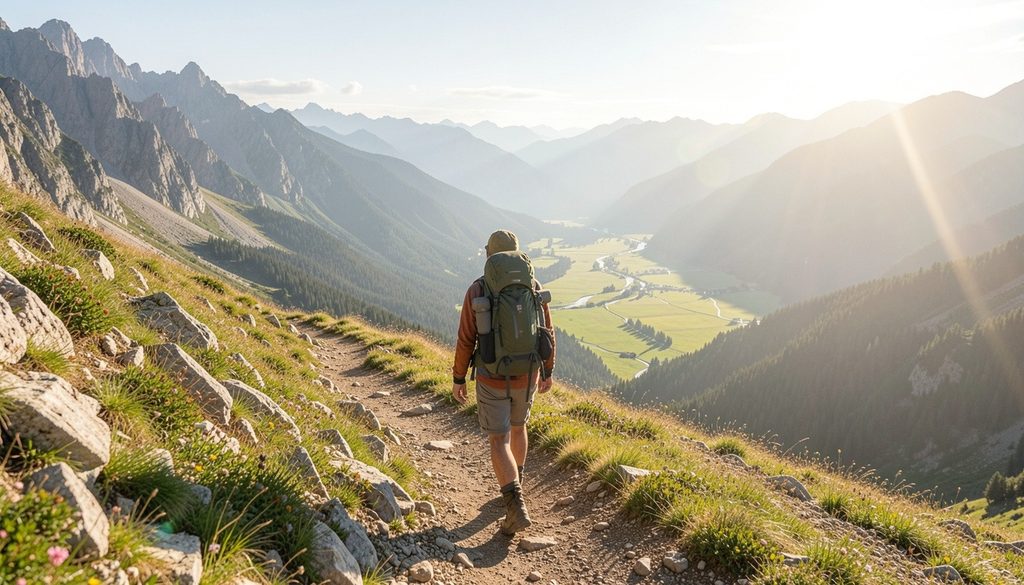
Try One Adventurous Activity
You do not need to turn your entire vacation into an extreme adventure.
Choose one activity that pushes you slightly outside your comfort zone.
Examples include:
- Guided hiking
- Kayaking with a reputable operator
- Scenic cycling
- Wildlife viewing
- Snorkeling with qualified guides
- Rock-climbing lessons
- Zip-lining through an established tour company
- A sunrise excursion
Choose activities appropriate for your age, experience, and local conditions.
The goal is to create a memorable experience—not to prove how much risk you can handle.
Use Guided Tours When Appropriate
Solo travelers do not have to do everything alone.
A reputable guided tour can make an unfamiliar activity easier and more social.
Consider guided experiences for:
- Historical walking tours
- Food tours
- Museum visits
- Wildlife excursions
- Hiking routes
- Cultural experiences
Guides can also provide useful local knowledge that you might not discover through a standard itinerary.
Stay in Social but Comfortable Accommodation
Your accommodation can influence your entire solo travel experience.
Depending on your preferences, consider:
- Hostels with private rooms
- Boutique hotels
- Guesthouses
- Established vacation rentals
- Traditional hotels
Look at recent reviews and pay attention to comments about location, cleanliness, transportation, and customer service.
A social property can make it easier to meet other travelers without requiring you to sacrifice personal space.
Learn How to Meet People Safely
One common misconception about solo travel is that you have to be alone all the time.
You can meet people through:
- Walking tours
- Group activities
- Cooking classes
- Museums
- Cultural events
- Organized excursions
- Traveler meetups
Keep normal boundaries and avoid sharing unnecessary personal information with strangers.
You can be friendly while still being cautious.
Eat Local Food
Food can be one of the best ways to understand a destination.
Instead of eating only familiar chain restaurants, try local dishes when practical.
Start with:
- Popular local restaurants
- Busy food markets
- Regional specialties
- Well-reviewed cafés
- Traditional breakfast spots
If you have allergies or dietary restrictions, research ingredients and communicate clearly before ordering.
Create a Realistic Travel Budget
A solo traveler pays for everything personally, so budgeting matters.
Break your budget into categories:
| Expense | Example Budget Category |
| Transportation | Flights, trains, buses, rental cars |
| Accommodation | Hotels, hostels, guesthouses |
| Food | Meals, snacks, drinks |
| Activities | Tours, tickets, attractions |
| Local transport | Transit, taxis, rides |
| Insurance | Travel protection |
| Emergency fund | Unexpected expenses |
| Shopping | Souvenirs and personal purchases |
Always leave some room for unexpected costs.
A flexible emergency fund can prevent a small problem from becoming a major travel issue.
Protect Your Important Documents
Keep important documents secure and accessible.
Consider having secure digital copies of:
- Passport
- Identification
- Insurance details
- Transportation bookings
- Accommodation confirmations
- Emergency contacts
Do not leave sensitive documents unattended.
For international travel, make sure your passport meets the destination’s entry requirements well before departure.
Keep Someone Updated
A simple communication routine can make solo travel more comfortable.
Tell a trusted person:
- Where you are staying
- Your broad itinerary
- When you expect to arrive
- When you expect to return
You do not need to send constant updates.
A basic check-in system is often enough.
Respect Local Culture
Responsible travelers learn before they arrive.
Research:
- Appropriate clothing
- Photography etiquette
- Tipping customs
- Religious or cultural practices
- Public behavior
- Dining etiquette
- Local laws
Remember that you are a guest in another community.
Respectful behavior can also lead to better interactions with locals.
Take the Scenic Route Sometimes
Adventure does not always require an expensive excursion.
Sometimes the journey itself becomes the experience.
Consider:
- Scenic train rides
- Coastal drives
- Local buses
- Walking routes
- Ferry trips
- Small-town stops
However, always check current transportation conditions and avoid isolated routes when local guidance suggests they are unsuitable.
Wake Up Early for Popular Attractions
Early mornings can offer a calmer travel experience.
You may find:
- Fewer crowds
- Cooler temperatures
- Better photography conditions
- More peaceful walks
- Easier transportation
This is especially useful at popular attractions and outdoor destinations.
You can enjoy major sights early and keep the afternoon flexible.
Keep a Travel Journal
When you travel alone, there is no travel companion automatically sharing the little moments with you.
A journal can help preserve them.
Write down:
- Favorite meals
- Funny moments
- New places
- Interesting conversations
- Unexpected discoveries
- Lessons learned
Even a few sentences each evening can become a valuable record of your adventure.
Embrace Small Detours
A flexible itinerary allows you to notice opportunities.
Maybe you discover a local market, a beautiful park, a small bookstore, or an interesting neighborhood.
If the situation is safe and practical, allow yourself some freedom to explore.
This is one of the most rewarding parts of solo travel.
Know When to Say No
Confidence is important, but so are boundaries.
You can politely decline:
- Uncomfortable invitations
- Unexpected transportation offers
- Activities that feel unsafe
- Pressure to spend money
- Plans you did not agree to
You never need to justify every decision.
A simple “No, thank you” is enough.
Prepare for Weather Changes
Adventure plans can change quickly because of weather.
Before outdoor activities, check current conditions and follow local warnings.
Carry suitable clothing and know alternative indoor activities.
A rainy day does not have to ruin your trip.
It can become an opportunity to visit a museum, café, gallery, market, or historic site.
Travel at Your Own Pace
Solo travel gives you control over your schedule.
If you love museums, spend more time in museums.
If you prefer hiking, build your itinerary around nature.
If you need a quiet afternoon, take one.
You do not need to visit every attraction just because a travel guide lists it.
The best itinerary is one that fits your interests and energy level.
Document Your Adventure Responsibly
Take photographs, but do not let your camera control your trip.
Capture:
- Landscapes
- Architecture
- Local food
- Streets
- Nature
- Cultural details
- Memorable moments
Respect people and private spaces before taking photographs.
Also consider keeping your phone secure when photographing crowded places.
Learn From Every Trip
Your first solo trip does not have to be perfect.
After returning home, ask:
- What worked?
- What was stressful?
- What did I pack unnecessarily?
- Which activities were worth the money?
- What would I change?
- What did I learn about myself?
Every journey can make your next adventure easier.
Best Destinations for Solo Adventure Travel
The ideal destination depends on your experience, interests, budget, and comfort level.
| Destination Type | Good For | Adventure Ideas |
| Large cities | First-time solo travelers | Museums, food, neighborhoods |
| National parks | Nature lovers | Hiking, scenic drives |
| Coastal destinations | Relaxed adventurers | Beaches, kayaking, boat tours |
| Mountain towns | Outdoor travelers | Hiking, scenic trips |
| Small historic towns | Slow travelers | Walking tours, local culture |
| International cities | Experienced travelers | Food, history, culture |
For a first trip, prioritize destinations where transportation and visitor information are relatively easy to understand.
Pros and Cons of Solo Adventure Travel
| Pros | Cons |
| Complete freedom | You handle every decision |
| Flexible schedule | No automatic travel companion |
| Builds confidence | Some activities cost more alone |
| Easier to change plans | You must manage your own safety |
| More opportunities for reflection | Dining alone may feel unusual at first |
| Can encourage cultural immersion | Unexpected problems are yours to solve |
The advantages often become more noticeable as you gain experience.
Travel Solo, Travel Adventurously: Safety Essentials

A smart solo traveler prepares without becoming overly fearful.
Before You Leave
Research your destination and save important information offline.
During Transportation
Stay aware of your surroundings and verify transportation details before entering a vehicle or boarding a service.
At Your Accommodation
Keep valuables secure and understand how to contact staff if you need help.
During Outdoor Activities
Follow local rules, weather warnings, trail information, and professional guidance.
When Meeting New People
Be friendly, but protect your privacy and personal boundaries.
Common Mistakes Solo Travelers Make
Overplanning
Trying to visit everything can make your trip exhausting.
Ignoring Local Conditions
Weather, transportation changes, and local events can affect your plans.
Carrying Too Much
Heavy luggage becomes especially inconvenient when you are traveling alone.
Forgetting an Emergency Fund
Unexpected transportation, accommodation, or activity costs can happen.
Sharing Too Much Personal Information
You can socialize without revealing sensitive details.
Taking Unnecessary Risks
Adventure should be exciting, not reckless.
Skipping Travel Insurance Research
Understand what your policy covers before relying on it.
Depending Completely on Internet Access
Download maps, reservations, and essential information before you need them.
Expert Tips for Travelers Who Want More Adventure
Start Small, Then Go Bigger
Build your confidence gradually.
Combine Independent and Guided Travel
Explore independently while using professionals for activities where local expertise matters.
Plan Your First and Last Day Carefully
Arrivals and departures can be stressful. Make those days simple.
Leave Empty Space in Your Schedule
Some of your best experiences may not be planned.
Focus on Experiences, Not Just Destinations
A memorable conversation, scenic walk, or local meal can matter more than checking another attraction off a list.
Keep Safety Decisions Simple
If something feels unnecessarily risky, choose another option.
Learn Basic Local Phrases
Even a few useful words can make everyday interactions easier when traveling internationally.
A Practical Solo Adventure Travel Checklist

- Choose a destination that fits your experience level
- Research local customs and travel conditions
- Check entry requirements for international travel
- Create a realistic budget
- Reserve accommodation
- Plan transportation
- Save important information offline
- Share your itinerary with a trusted person
- Pack light
- Prepare an emergency fund
- Research outdoor activities
- Check weather conditions
- Choose reputable tour operators when needed
- Keep important documents secure
- Schedule free time
- Prepare a backup plan
- Respect local culture
- Stay flexible
- Document your favorite memories
How to Plan a Solo Adventure Trip Step by Step

Pick Your Travel Style
Decide whether you want:
- Nature
- Culture
- Food
- Beaches
- Cities
- Road trips
- Outdoor adventure
Set Your Budget
Determine your maximum spending limit before booking.
Select Your Destination
Compare transportation, accommodation, weather, activities, and travel requirements.
Book the Essentials
Secure important transportation and accommodation first.
Plan Your Activities
Choose a few must-do experiences and leave room for spontaneous exploration.
Prepare for Safety
Research local conditions and create a simple communication plan.
Pack Smart
Bring versatile essentials instead of unnecessary items.
Enjoy the Journey
Once you arrive, give yourself permission to slow down and experience the destination.
Solo Travel vs. Group Travel
| Feature | Solo Travel | Group Travel |
| Freedom | Very high | Shared |
| Planning | Personal responsibility | Shared responsibility |
| Social interaction | You create opportunities | Built in |
| Schedule | Flexible | Usually coordinated |
| Budget | Can vary | Often shared |
| Personal growth | Strong independence | Strong teamwork |
| Adventure style | Highly customizable | Group-friendly activities |
Neither option is automatically better.
Choose the format that fits the trip you want.
Suggested Internal Linking Opportunities
A travel website can strengthen this article with relevant internal links such as:
Best Travel Destinations in the USA
Best National Parks to Visit
Weekend Getaway Ideas
Travel Planning Checklist
Hand Luggage Only Packing Tips
Best Travel Apps for 2026
How to Create a Travel Budget
Offseason Travel Guide
Best Beaches in the USA
Travel Safety Tips for Beginners
Best Road Trips in America
How to Plan an International Trip
Use descriptive anchor text rather than generic phrases such as “click here.”
Suggested External Authority Sources
For stronger EEAT signals, consider referencing authoritative sources such as:
- U.S. Department of State — international travel guidance and country information
- CDC Travelers’ Health — health information for international travelers
- National Park Service — official U.S. national park information
- Transportation Security Administration (TSA) — airport security and packing guidance
- Federal Aviation Administration (FAA) — aviation-related information
- U.S. Customs and Border Protection (CBP) — entry and border information
- Official destination tourism boards — local attractions, events, and visitor information
- Official transportation agencies — current schedules, routes, and travel updates
These sources should support factual claims rather than replace firsthand travel advice.
Frequently Asked Questions
Is it safe to travel solo?
Solo travel can be a positive experience when you research your destination, understand local conditions, maintain sensible boundaries, and avoid unnecessary risks. Safety varies by destination and activity, so always check current local guidance.
How can a beginner start solo traveling?
Start with a short trip to a destination you can navigate comfortably. Plan your transportation and accommodation in advance, then gradually add more independent activities.
What is the best destination for a first solo trip?
There is no universal best destination. A good first destination should match your experience, budget, interests, and comfort with transportation and language.
How much money should I budget for solo travel?
Your budget depends on the destination, trip length, accommodation, transportation, food, and activities. Build a daily spending estimate and add an emergency cushion.
How do I meet people while traveling alone?
Join reputable walking tours, classes, group activities, cultural events, or organized excursions. Social accommodation can also provide opportunities to meet other travelers.
What should I pack for solo adventure travel?
Pack versatile clothing, comfortable footwear, travel documents, communication devices, charging equipment, personal essentials, and items appropriate for your planned activities.
Should I book everything before traveling solo?
Book essential transportation and accommodation, especially for your arrival. Keep less important parts of your itinerary flexible when possible.
Can solo travel be adventurous without being dangerous?
Absolutely. Adventure can mean exploring a new neighborhood, hiking an appropriate trail, trying local food, taking a scenic train, or joining a guided activity. You do not need unnecessary risk to have an exciting trip.
How do I stay connected during solo travel?
Keep your phone charged, download important information offline, and understand your connectivity options before leaving. Share your general itinerary with someone you trust.
How can I become more confident traveling alone?
Start small, prepare well, and learn from each trip. Confidence usually grows through experience rather than trying to eliminate every uncertain moment before departure.
Read More:The Broke Backpacker: 25 Powerful Budget Travel Lessons, Tips & Resources for 2026