America is home to some of the world’s most spectacular natural landscapes. From towering mountain peaks and colorful canyons to crystal-clear lakes and ancient forests, National Parks USA showcase the country’s incredible beauty while protecting wildlife and historic landscapes for future generations.
Whether you’re planning your first road trip or adding another destination to your travel bucket list, visiting a national park is an unforgettable experience. Each park offers unique scenery, exciting outdoor activities, and opportunities to connect with nature in ways that cities simply can’t provide.
This guide covers everything you need to know about National Parks USA, including the best parks to visit, travel planning tips, costs, seasonal recommendations, and expert advice to help you enjoy an amazing adventure.
What Are National Parks USA?
National Parks USA are protected public lands managed to preserve America’s natural beauty, wildlife, geological wonders, and historical significance. These parks are managed by the National Park Service and welcome millions of visitors every year.
They offer opportunities for hiking, camping, kayaking, wildlife watching, photography, stargazing, and scenic drives. Every park has its own unique ecosystem, making each visit completely different from the last.
Some parks are famous for towering waterfalls, while others feature volcanoes, glaciers, deserts, giant caves, or lush forests. Together, they represent some of the most beautiful landscapes on Earth.
Why Are National Parks Important?
National parks protect valuable ecosystems and preserve habitats for thousands of species of plants and animals. They also safeguard important cultural landmarks and historical sites that tell the story of America.
Besides conservation, these parks promote outdoor recreation, education, scientific research, and sustainable tourism. Visiting them helps support local communities while encouraging appreciation for nature.
Benefits of Visiting National Parks
- Experience breathtaking natural beauty
- Improve physical and mental well-being
- Enjoy hiking and outdoor adventures
- Learn about wildlife and conservation
- Create unforgettable family memories
- Capture incredible landscape photography
- Escape busy city life
- Explore unique ecosystems
Why Visit National Parks USA?
Every national park has something unique to offer. Some are famous for waterfalls, while others are known for wildlife, mountain scenery, colorful rock formations, or ancient forests.
No matter your travel style, you’ll find activities that suit your interests. Families enjoy scenic drives and educational visitor centers, couples appreciate peaceful sunsets, photographers chase dramatic landscapes, and adventure seekers tackle challenging hiking trails.
One of the biggest advantages of visiting National Parks USA is the incredible variety. In one vacation, you can explore deserts, alpine lakes, glaciers, canyons, beaches, and forests without leaving the country.
What Makes America’s National Parks Special?
Diverse Landscapes
From Arizona’s red rocks to Alaska’s glaciers, every region offers a completely different experience.
Incredible Wildlife
Many parks are home to bears, elk, moose, wolves, bison, mountain goats, bald eagles, sea otters, and hundreds of bird species.
Outdoor Adventures
Visitors can enjoy:
- Hiking
- Backpacking
- Camping
- Rock climbing
- Canoeing
- Kayaking
- Scenic drives
- Wildlife viewing
- Horseback riding
- Fishing
- Ranger-led programs
Beautiful Every Season
Each season transforms the parks into a different destination.
| Season | Best Experiences |
| Spring | Wildflowers, waterfalls, fewer crowds |
| Summer | Hiking, camping, family vacations |
| Fall | Colorful foliage, cooler weather |
| Winter | Snow-covered mountains, wildlife, skiing in selected parks |
Top National Parks USA You Should Visit
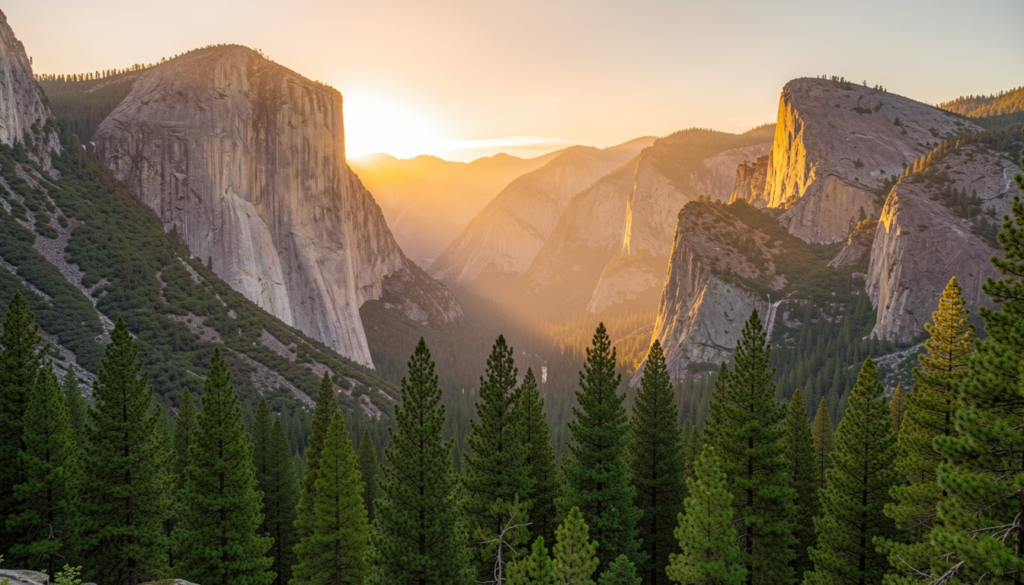
Below are some of America’s most famous national parks that belong on every traveler’s bucket list.
| National Park | State | Famous For | Best Time to Visit |
| Yellowstone | Wyoming, Montana, Idaho | Geysers, bison, hot springs | May–September |
| Yosemite | California | Granite cliffs, waterfalls | April–October |
| Grand Canyon | Arizona | Massive canyon views | March–May, September–November |
| Zion | Utah | Red cliffs and hiking | Spring & Fall |
| Glacier | Montana | Alpine lakes and glaciers | July–September |
| Great Smoky Mountains | Tennessee & North Carolina | Forests, wildlife, waterfalls | Spring & Fall |
| Acadia | Maine | Coastal scenery | June–October |
| Rocky Mountain | Colorado | Alpine hiking | June–September |
| Olympic | Washington | Rainforest and beaches | Summer |
| Arches | Utah | Natural sandstone arches | Spring & Fall |
Yellowstone National Park
Yellowstone is America’s first national park and remains one of the most visited destinations in the country. Visitors come to witness erupting geysers, colorful hot springs, dramatic landscapes, and abundant wildlife.
Popular attractions include Old Faithful, Grand Prismatic Spring, Yellowstone Lake, Lamar Valley, and Mammoth Hot Springs.
Best activities
- Wildlife viewing
- Scenic drives
- Hiking
- Photography
- Camping
- Ranger programs
Yosemite National Park
Yosemite is famous for towering granite cliffs, giant sequoia trees, crystal-clear rivers, and spectacular waterfalls. It attracts climbers, photographers, and outdoor enthusiasts from around the world.
Top attractions include Yosemite Valley, Half Dome, El Capitan, Bridalveil Fall, and Glacier Point.
Visitors can enjoy everything from easy walking trails to challenging backcountry adventures.
Comparison Table: Yellowstone vs Yosemite
| Feature | Yellowstone | Yosemite |
| Best For | Wildlife | Waterfalls & Granite Cliffs |
| Family Friendly | ⭐⭐⭐⭐⭐ | ⭐⭐⭐⭐⭐ |
| Hiking | Excellent | Excellent |
| Camping | Excellent | Excellent |
| Photography | Outstanding | Outstanding |
| Scenic Drives | Excellent | Very Good |
| Wildlife | Exceptional | Good |
| Best Visit | Summer | Late Spring & Fall |
Best National Parks USA by Season
One of the best things about exploring National Parks USA is that every season offers a completely different experience. Whether you enjoy colorful spring wildflowers, warm summer adventures, vibrant autumn foliage, or peaceful winter landscapes, there is always a perfect time to visit.
Planning your trip around the season helps you avoid crowds, enjoy better weather, and experience each park at its most beautiful.
Spring (March–May)
Spring is one of the most rewarding seasons for visiting many National Parks USA destinations. Melting snow creates spectacular waterfalls, wildflowers bloom across valleys, and wildlife becomes more active after winter.
Best Parks to Visit in Spring
| National Park | Why Visit in Spring |
| Yosemite | Peak waterfalls and blooming meadows |
| Great Smoky Mountains | Wildflowers and pleasant temperatures |
| Zion | Comfortable hiking weather |
| Arches | Cooler temperatures for exploring |
| Joshua Tree | Desert flowers in bloom |
| Saguaro | Blooming cacti and sunny days |
Pros
- Smaller crowds
- Mild temperatures
- Beautiful waterfalls
- Excellent photography
- Active wildlife
Summer (June–August)
Summer is the busiest travel season because schools are on vacation and almost every hiking trail is open.
This is the best time to visit high-elevation parks where snow has melted and scenic roads are fully accessible.
Best Parks During Summer
| National Park | Highlights |
| Glacier | Going-to-the-Sun Road |
| Rocky Mountain | Alpine hiking |
| Acadia | Coastal adventures |
| Olympic | Beaches and rainforest |
| Mount Rainier | Wildflower meadows |
| Yellowstone | Wildlife viewing |
Summer Travel Tips
- Reserve hotels months ahead.
- Book campsites early.
- Start hikes before 8 AM.
- Carry plenty of water.
- Expect larger crowds.
Fall (September–November)
Fall is a favorite season for experienced travelers. Cooler temperatures make hiking more enjoyable, and colorful leaves transform forests into breathtaking landscapes.
Best Parks in Fall
- Great Smoky Mountains
- Acadia
- Shenandoah
- Rocky Mountain
- Zion
- Cuyahoga Valley
Why Visit in Autumn?
- Cooler weather
- Smaller crowds
- Beautiful foliage
- Lower accommodation prices
- Better wildlife viewing
Winter (December–February)
Winter offers a completely different perspective on National Parks USA. Snow-covered mountains, frozen waterfalls, and peaceful trails create magical scenery.
Best Winter Parks
| Park | Winter Activity |
| Yellowstone | Snowcoach tours |
| Bryce Canyon | Snow-covered hoodoos |
| Yosemite | Winter photography |
| Grand Canyon South Rim | Scenic viewpoints |
| Everglades | Dry season wildlife |
| Death Valley | Comfortable temperatures |
National Park Entrance Fees
Most National Parks USA charge an entrance fee that helps maintain roads, trails, visitor centers, and conservation programs.
Fees vary depending on the park and the type of vehicle.
| Pass Type | Average Cost |
| Private Vehicle | $20–$35 |
| Motorcycle | $15–$30 |
| Individual Walk-in | $10–$20 |
Many parks also offer free admission on select days throughout the year.
America the Beautiful Pass
If you plan to visit several National Parks USA locations in one year, purchasing the America the Beautiful Pass can save a significant amount of money.
Benefits
- Access to more than 2,000 federal recreation sites
- Valid for one year
- Covers entrance fees at most national parks
- Great value for road trips
- Ideal for families
Who Should Buy It?
The annual pass is worth purchasing if you plan to visit three or more national parks within a year.
How to Plan Your National Parks USA Trip
Planning ahead makes your vacation smoother and more enjoyable.
Step 1: Choose the Right Park
Think about your travel goals.
Do you want:
- Mountain scenery?
- Wildlife?
- Desert landscapes?
- Waterfalls?
- Beaches?
- Family-friendly activities?
Choose parks that match your interests.
Step 2: Decide the Best Season
Research weather conditions before booking flights or hotels.
Some parks experience heavy snowfall, while others become extremely hot during summer.
Step 3: Reserve Accommodation Early
Popular parks such as Yellowstone and Yosemite often sell out months in advance.
Book:
- Hotels
- Cabins
- Lodges
- Campgrounds
- RV sites
as early as possible.
Step 4: Plan Daily Activities
Create a simple itinerary that includes:
- Visitor centers
- Scenic drives
- Hiking trails
- Sunrise viewpoints
- Sunset locations
- Picnic areas
Avoid packing too many activities into one day.
Step 5: Check Park Alerts
Before leaving, always check for:
- Road closures
- Fire restrictions
- Weather updates
- Trail conditions
- Wildlife warnings
Being prepared helps avoid unexpected surprises.
National Parks USA Packing Checklist
Packing properly makes every outdoor adventure safer and more comfortable.
Essential Clothing
✔ Comfortable hiking boots
✔ Moisture-wicking shirts
✔ Hiking pants
✔ Rain jacket
✔ Warm layers
✔ Hat
✔ Sunglasses
✔ Extra socks
Hiking Gear
✔ Backpack
✔ Water bottles
✔ Snacks
✔ Trekking poles
✔ Headlamp
✔ Power bank
✔ Maps
✔ Compass
Safety Items
✔ First-aid kit
✔ Sunscreen
✔ Insect repellent
✔ Emergency whistle
✔ Multi-tool
✔ Flashlight
✔ Portable charger
Photography Gear
✔ Camera
✔ Extra batteries
✔ Tripod
✔ Binoculars
✔ Cleaning cloth
Expert Tips for Visiting National Parks USA
Experienced travelers recommend these simple strategies to enjoy a safer and more memorable trip.
Arrive Early
Parking lots fill quickly at popular attractions. Arriving before sunrise often means fewer crowds and better lighting for photography.
Stay Hydrated
Many hiking trails have limited or no drinking water. Carry enough water for the entire day, especially during summer.
Respect Wildlife
Always observe animals from a safe distance. Never feed wildlife or approach them for photographs.
Download Offline Maps
Cell service is often unavailable inside many parks.
Download maps before arriving.
Leave No Trace
Help protect National Parks USA by following Leave No Trace principles:
- Pack out trash.
- Stay on marked trails.
- Respect wildlife.
- Protect plants.
- Leave natural objects where you find them.
Common Mistakes Visitors Make
Avoid these common mistakes to have a safer and more enjoyable adventure.
| Mistake | Better Choice |
| Starting hikes late | Begin early in the morning |
| Bringing too little water | Carry extra water |
| Ignoring weather forecasts | Check forecasts daily |
| Getting too close to wildlife | Keep a safe distance |
| Skipping reservations | Book months in advance |
| Wearing unsuitable shoes | Use hiking boots |
| Leaving food unattended | Store food properly |
| Going off marked trails | Stay on designated paths |
Pros and Cons of Visiting National Parks USA
| Pros | Cons |
| Incredible scenery | Popular parks can be crowded |
| Excellent hiking | Some parks require reservations |
| Wildlife viewing | Weather changes quickly |
| Great family vacations | Limited cell service |
| Affordable outdoor adventure | Remote locations |
| Camping opportunities | Seasonal road closures |
| Educational experiences | Busy during summer holidays |
| Fantastic photography | Some hikes are physically demanding |
Top Things to Do in National Parks USA
Visiting National Parks USA is about much more than simply enjoying beautiful views. Every park offers exciting outdoor activities that suit different interests, fitness levels, and travel styles. Whether you’re traveling with family, friends, or solo, you’ll find memorable experiences in every season.
From hiking scenic trails to spotting wildlife in their natural habitats, these adventures make every national park visit unique.
Hiking the Best Trails
Hiking is the most popular activity in National Parks USA because it allows visitors to experience landscapes up close. Many parks offer trails for beginners, while others challenge experienced hikers with steep climbs and long-distance routes.
Best Beginner Hiking Trails
| National Park | Trail | Distance | Difficulty |
| Yosemite | Lower Yosemite Fall Trail | 1 mile | Easy |
| Grand Canyon | Rim Trail | 2–13 miles | Easy |
| Yellowstone | Fountain Paint Pot Trail | 0.5 mile | Easy |
| Acadia | Ocean Path | 4.5 miles | Easy |
| Great Smoky Mountains | Laurel Falls Trail | 2.6 miles | Easy |
Best Moderate Hiking Trails
| National Park | Trail | Difficulty |
| Zion | Emerald Pools | Moderate |
| Glacier | Hidden Lake Overlook | Moderate |
| Rocky Mountain | Bear Lake Loop | Moderate |
| Olympic | Sol Duc Falls | Moderate |
| Bryce Canyon | Queen’s Garden Trail | Moderate |
Best Challenging Hiking Trails
| National Park | Trail |
| Yosemite | Half Dome |
| Zion | Angels Landing |
| Grand Canyon | Bright Angel Trail |
| Glacier | Grinnell Glacier |
| Rocky Mountain | Longs Peak |
Safety Tip: Always check trail conditions before starting a hike and carry enough water, snacks, and emergency supplies.
Wildlife Watching in National Parks USA
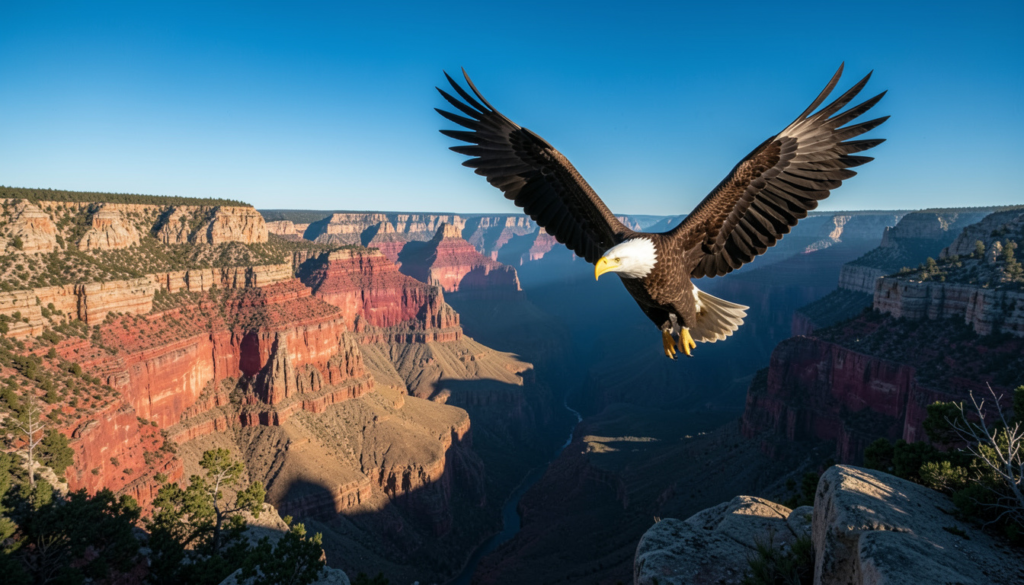
One of the biggest attractions of National Parks USA is the opportunity to see wildlife in its natural environment. Every park is home to different species, making each visit exciting.
Animals You May See
- Bison
- Elk
- Moose
- Black bears
- Grizzly bears
- Wolves
- Mountain lions
- Bald eagles
- Deer
- Foxes
- Bighorn sheep
- Sea otters
- Alligators (Everglades)
Best Parks for Wildlife Viewing
| National Park | Famous Wildlife |
| Yellowstone | Bison, wolves, bears |
| Glacier | Mountain goats, grizzly bears |
| Grand Teton | Moose and elk |
| Everglades | Alligators and birds |
| Denali | Caribou, wolves, bears |
| Olympic | Roosevelt elk |
Wildlife Safety Guide
Respecting wildlife helps protect both animals and visitors.
Follow These Safety Rules
✅ Stay at least 100 yards from bears and wolves.
✅ Stay at least 25 yards from elk, deer, and bison.
✅ Never feed wild animals.
✅ Keep food stored securely.
✅ Stay on designated trails.
✅ Carry bear spray where recommended.
✅ Supervise children closely.
Camping in National Parks USA
Camping lets you fully experience the beauty of National Parks USA. Whether you choose a developed campground or a backcountry campsite, spending a night under the stars is unforgettable.
Types of Camping
Developed Campgrounds
These include:
- Restrooms
- Picnic tables
- Fire rings
- Drinking water
- Parking
Perfect for beginners and families.
Backcountry Camping
Ideal for experienced hikers seeking solitude and adventure.
Requires:
- Permits
- Navigation skills
- Lightweight gear
- Leave No Trace practices
Camping Essentials
| Item | Why You Need It |
| Tent | Shelter |
| Sleeping bag | Warmth |
| Sleeping pad | Comfort |
| Camp stove | Cooking |
| Headlamp | Night visibility |
| Water filter | Safe drinking water |
| Food storage container | Wildlife safety |
Scenic Drives You Shouldn’t Miss
Not every visitor wants long hikes. Fortunately, many National Parks USA feature spectacular scenic roads.
| Park | Scenic Drive |
| Yellowstone | Grand Loop Road |
| Glacier | Going-to-the-Sun Road |
| Shenandoah | Skyline Drive |
| Blue Ridge Parkway | Mountain scenery |
| Acadia | Park Loop Road |
| Rocky Mountain | Trail Ridge Road |
These drives offer incredible viewpoints, picnic areas, and easy access to popular attractions.
National Parks USA for Families
National parks are excellent destinations for families because they combine education with outdoor fun.
Children can learn about wildlife, geology, conservation, and American history while enjoying fresh air and adventure.
Family-Friendly Activities
- Junior Ranger Programs
- Nature walks
- Visitor centers
- Wildlife watching
- Picnic areas
- Easy hiking trails
- Scenic drives
- Boat tours
Best Family-Friendly Parks
| National Park | Why Families Love It |
| Yellowstone | Geysers and wildlife |
| Yosemite | Waterfalls and easy trails |
| Great Smoky Mountains | Streams and forests |
| Acadia | Coastal adventures |
| Everglades | Airboat tours nearby |
| Grand Canyon | Amazing viewpoints |
Budget Travel Tips for National Parks USA
Exploring National Parks USA doesn’t have to be expensive. Careful planning can help you enjoy an unforgettable trip while staying within your budget.
Ways to Save Money
Buy an Annual Park Pass
If you’re visiting multiple parks, an annual pass can reduce overall entrance costs.
Camp Instead of Staying in Hotels
Campgrounds are often much more affordable than nearby hotels and offer a closer connection to nature.
Visit During the Shoulder Season
Traveling in spring or fall usually means lower lodging prices, fewer crowds, and pleasant weather.
Pack Your Own Food
Bringing snacks, drinks, and picnic meals helps reduce dining expenses, especially in remote areas.
Book Early
Flights, accommodations, and campsites are often cheaper when reserved well in advance.
Sample 7-Day National Parks USA Road Trip
| Day | Destination | Main Activity |
| Day 1 | Arrive | Visitor Center & Scenic Drive |
| Day 2 | Hiking | Waterfalls & Photography |
| Day 3 | Wildlife | Sunrise Tour |
| Day 4 | Scenic Drive | Picnic & Short Walks |
| Day 5 | Adventure | Kayaking or Longer Hike |
| Day 6 | Relax | Sunset Viewpoints |
| Day 7 | Departure | Souvenir Shopping & Visitor Museum |
This itinerary can be adapted for parks like Yellowstone, Yosemite, Zion, or Glacier.
Quick Answer
National Parks USA include 63 protected national parks spread across the country, offering breathtaking mountains, deserts, forests, waterfalls, wildlife, and unforgettable outdoor adventures. Popular choices include Yellowstone, Yosemite, Grand Canyon, Zion, Glacier, Acadia, and Great Smoky Mountains National Park. Whether you love hiking, camping, photography, or scenic drives, there’s a national park perfect for every traveler.
FAQs
What are the best National Parks USA to visit for first-time travelers?
If you’re visiting National Parks USA for the first time, start with Yellowstone, Yosemite, Grand Canyon, Zion, Great Smoky Mountains, Glacier, Acadia, Rocky Mountain, Olympic, and Bryce Canyon. These parks offer iconic scenery, excellent visitor facilities, and activities for all experience levels.
How many National Parks are there in the USA?
There are 63 official national parks in the United States, managed by the National Park Service. Together, they protect millions of acres of forests, deserts, mountains, coastlines, and unique ecosystems.
What is the best time to visit National Parks USA?
The ideal time depends on the park you plan to visit.
- Spring: Wildflowers, waterfalls, and fewer crowds.
- Summer: Best for hiking and family vacations.
- Fall: Cooler weather and colorful foliage.
- Winter: Snow-covered landscapes and peaceful scenery.
Do I need reservations to visit National Parks USA?
Some of the most popular parks require reservations for timed entry, camping, or lodging during peak travel seasons. It’s a good idea to check park requirements several months before your trip.
Is the America the Beautiful Pass worth buying?
Yes. If you plan to visit three or more National Parks USA in one year, the annual pass can save money by covering entrance fees at most federal recreation sites.
Which National Park is best for families?
Families often enjoy:
- Yellowstone National Park
- Yosemite National Park
- Great Smoky Mountains National Park
- Acadia National Park
- Grand Canyon National Park
These parks offer easy trails, visitor centers, ranger programs, scenic drives, and educational activities for children.
What should I pack for a national park trip?
Bring comfortable hiking shoes, weather-appropriate clothing, a reusable water bottle, snacks, sunscreen, insect repellent, a first-aid kit, a map, a flashlight, and a camera. Packing layers is recommended because weather conditions can change quickly.
Are pets allowed in National Parks USA?
Pets are allowed in many areas but are often restricted on hiking trails and in wilderness zones. Always review each park’s pet policy before traveling.
How can I stay safe while visiting National Parks USA?
Stay on marked trails, carry enough water, watch weather forecasts, keep a safe distance from wildlife, inform someone about your hiking plans, and follow all park regulations and ranger guidance.
Which National Park is the most visited in the USA?
The Great Smoky Mountains National Park is consistently the most visited national park in the United States due to its free entry, scenic mountain landscapes, abundant wildlife, and wide range of hiking opportunities.
Conclusion
Exploring National Parks USA is one of the best ways to experience America’s incredible natural beauty. From the geothermal wonders of Yellowstone and the towering granite cliffs of Yosemite to the dramatic landscapes of the Grand Canyon and the peaceful forests of the Great Smoky Mountains, every park offers unforgettable adventures.
Whether you enjoy hiking, camping, wildlife watching, scenic drives, photography, or simply relaxing in nature, there’s a national park that matches your interests. Careful planning, the right gear, and respect for the environment will help you make the most of every visit while preserving these remarkable places for future generations.
If you’re planning your next vacation, add National Parks USA to the top of your travel bucket list. Start by choosing the park that fits your travel style, create an itinerary, and prepare for memories that will last a lifetime.
Read More: Can You Bring Vitamins on a Plane? 2026 TSA Rules, Packing Tips & Travel Guide