Nidhivan Vrindavan is one of the most fascinating spiritual destinations in India. Located in the holy city of Vrindavan in Uttar Pradesh, this sacred forest attracts millions of devotees, pilgrims, historians, and curious travelers every year. While many temples are known for their beautiful architecture, Nidhivan is famous for something far more mysterious—its centuries-old legends that continue to inspire faith and wonder.
According to Hindu beliefs, Lord Krishna and Radha still visit Nidhivan every night to perform the divine Raas Leela. Because of this belief, the area is closed before sunset, and no one is allowed to stay inside after dark. Locals and temple priests have passed down stories of unexplained events, making this sacred grove one of the most talked-about spiritual places in India.
Whether you are planning a pilgrimage, exploring India’s hidden mysteries, or simply looking for a peaceful place filled with devotion and history, Nidhivan Vrindavan offers an unforgettable experience. In this complete travel guide, you’ll discover its history, legends, visitor information, practical travel tips, and everything you need to know before your visit.
Quick Answer
Nidhivan Vrindavan is one of India’s most mysterious and sacred places, located in the holy town of Vrindavan, Uttar Pradesh. Devotees believe that Lord Krishna and Radha perform the divine Raas Leela here every night. Visitors are required to leave the premises before sunset, and staying inside after closing is strictly prohibited. The site is famous for its twisted Tulsi trees, spiritual atmosphere, centuries-old legends, and deep religious significance.
What Is Nidhivan Vrindavan?
Nidhivan Vrindavan is a sacred grove located near the famous Banke Bihari Temple in Vrindavan, Uttar Pradesh. It is considered one of the holiest sites associated with Lord Krishna’s divine pastimes. The name “Nidhivan” comes from two Sanskrit words—“Nidhi,” meaning treasure, and “Van,” meaning forest. Together, the name symbolizes a divine forest filled with spiritual treasures.
Unlike ordinary forests, Nidhivan is known for its dense collection of uniquely twisted Tulsi trees. These trees are unlike any other in India because they remain green throughout the year despite appearing dry and intertwined. Devotees believe that each tree represents a Gopi, the devoted companions of Lord Krishna, who transform back into their divine forms every night to participate in the celestial dance.
Today, Nidhivan is maintained as both a religious site and a protected spiritual heritage area. Visitors come not only to seek blessings but also to experience the peaceful atmosphere that surrounds the forest. Walking through its narrow pathways, hearing devotional chants, and witnessing centuries-old traditions create an experience unlike any other destination in India.
Quick Facts About Nidhivan Vrindavan
| Feature | Details |
| Location | Vrindavan, Uttar Pradesh |
| Famous For | Krishna’s Raas Leela Legends |
| Main Attraction | Twisted Tulsi Trees |
| Nearby Temple | Banke Bihari Temple |
| Entry Fee | Free |
| Best Time to Visit | October to March |
| Photography | Allowed in selected areas |
| Evening Access | Not Allowed |
| Ideal Visit Duration | 1–2 Hours |
| Suitable For | Pilgrims, Families, History Lovers |
Why Is Nidhivan Vrindavan So Famous?
Among hundreds of temples and holy places in Braj, Nidhivan Vrindavan stands apart because of its powerful blend of faith, mystery, and tradition. It is one of the few places where mythology is deeply woven into daily life, influencing how locals, priests, and visitors treat the sacred grove.
The biggest reason behind its popularity is the belief that Lord Krishna and Radha continue to perform the divine Raas Leela here every night. According to temple traditions, no human, animal, or bird is believed to remain inside the grove after sunset. Temple priests carefully close the gates each evening after preparing Rang Mahal, where offerings such as sweets, water, betel leaves, and a decorated bed are placed for the divine couple.
By morning, devotees believe these offerings show signs of being used, strengthening the faith of millions who visit every year. While there is no scientific evidence to confirm these beliefs, the stories have been preserved through generations and remain an important part of Vrindavan’s spiritual identity.
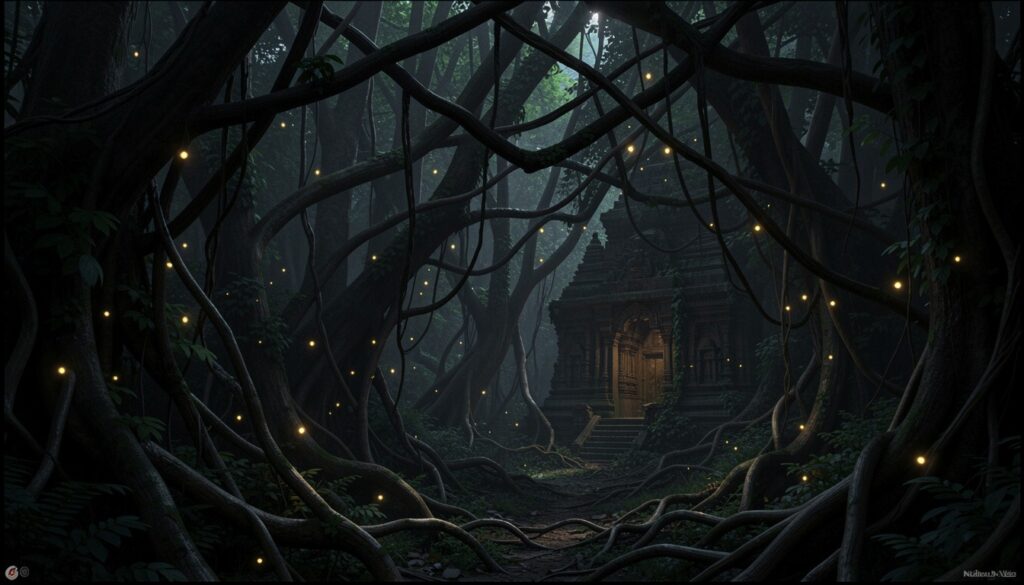
Another unique feature is the forest itself. The Tulsi trees appear unusually twisted, with their branches intertwined in a way that has fascinated botanists and visitors alike. Devotees believe these trees are not ordinary plants but divine forms connected to Krishna’s eternal pastimes.
Beyond the legends, Nidhivan offers an atmosphere of peace and devotion. The sounds of temple bells, devotional songs, and chanting create an environment where many visitors feel a deep sense of calm and spiritual connection. Even travelers who come out of curiosity often leave with a greater appreciation for India’s rich religious heritage.
For photographers, history enthusiasts, and spiritual seekers alike, Nidhivan Vrindavan is much more than a tourist attraction—it is a place where faith, culture, and mystery come together in a truly unforgettable way.
Highlights of Nidhivan Vrindavan
| Attraction | Why It Is Special |
| Twisted Tulsi Trees | Believed to represent Krishna’s Gopis |
| Rang Mahal | Sacred room prepared nightly for Radha and Krishna |
| Spiritual Atmosphere | Peaceful environment for prayer and meditation |
| Ancient Legends | Stories passed down for centuries |
| Religious Importance | Major pilgrimage destination in Braj |
| Unique Traditions | Closed before sunset every day |
| Cultural Heritage | Deep connection with Krishna devotion |
History of Nidhivan Vrindavan
The history of Nidhivan Vrindavan is closely connected with the sacred land of Braj, where Lord Krishna is believed to have spent His childhood. While historians cannot determine the exact age of Nidhivan, many religious texts and local traditions suggest that this holy grove has been a place of devotion for hundreds of years.
Vrindavan itself gained great importance during the 16th century when renowned saints such as Chaitanya Mahaprabhu, Swami Haridas, and the Six Goswamis helped rediscover many sacred places associated with Lord Krishna. During this period, Nidhivan became recognized as one of the holiest forests in Braj.
Swami Haridas, a respected saint and devotee of Krishna, is especially linked with Nidhivan. It is believed that through his deep devotion and devotional music, he received the divine vision of Radha and Krishna here. According to tradition, this miraculous event later led to the appearance of the famous Banke Bihari Ji.
Over the centuries, kings, saints, and devotees have helped preserve this sacred grove. Unlike many tourist attractions that have changed with modernization, Nidhivan continues to maintain its ancient traditions. Even today, the temple priests follow rituals that have been practiced for generations.
The spiritual atmosphere, old pathways, and unique Tulsi trees remind visitors that this is more than just a historical site—it is a living place of faith where traditions continue every single day.
Timeline of Nidhivan Vrindavan
| Period | Important Event |
| Ancient Era | Associated with Lord Krishna’s divine pastimes |
| Medieval Period | Worship continued through local saints |
| 16th Century | Rediscovered by Chaitanya Mahaprabhu and Swami Haridas |
| Mughal Era | Protected by Krishna devotees |
| Modern Day | One of Vrindavan’s most visited pilgrimage sites |
The Mystery of Nidhivan Vrindavan
The greatest attraction of Nidhivan Vrindavan is not its buildings or temples but the mystery that surrounds it. Every day, thousands of visitors come to hear stories that have been passed down through generations.
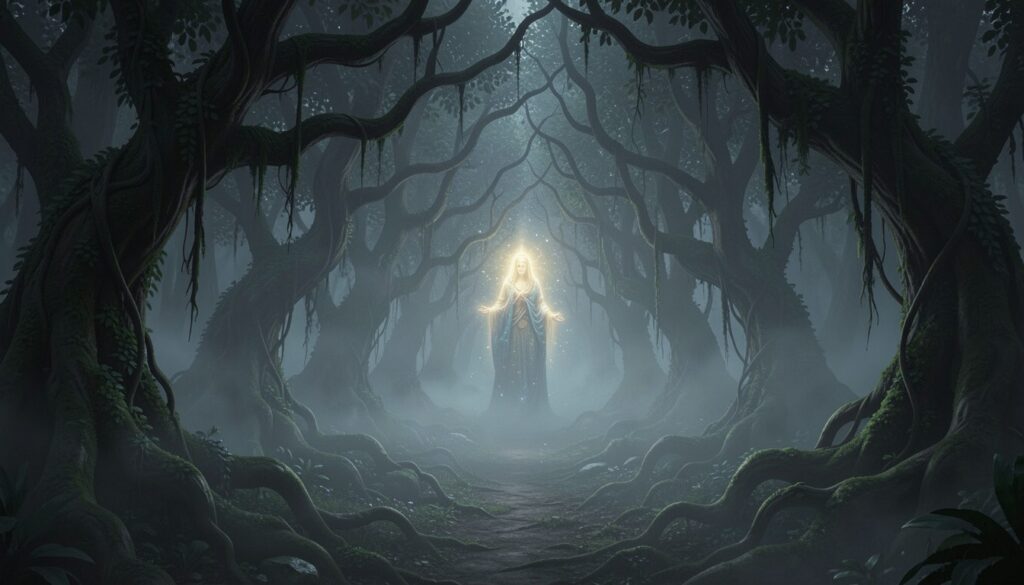
According to local belief, Lord Krishna returns to Nidhivan every night to perform the divine Raas Leela with Radha and the Gopis. Because of this sacred belief, the entire forest is cleared before sunset.
Temple priests lock the gates in the evening, and nobody—including security guards—is allowed to remain inside after closing. Nearby residents also believe they should not look toward the grove during the night.
Many devotees believe that anyone who attempts to stay inside after sunset loses their mental balance or experiences unexplained events. Although there is no scientific evidence to support these stories, the traditions continue to be respected by millions of pilgrims.
For believers, these mysteries strengthen their faith. For travelers, they add an unforgettable sense of wonder that makes Nidhivan unlike any other destination in India.
Why Is Nidhivan Closed at Night?
One of the most common questions visitors ask is why Nidhivan Vrindavan closes before sunset.
The answer lies in centuries-old religious tradition.
Devotees believe that after the temple closes, Lord Krishna and Radha arrive to perform the celestial Raas Leela. Since this divine event is considered sacred, humans are not permitted to witness it.
Every evening, priests prepare Rang Mahal, a small room inside the grove, by placing:
- A decorated bed
- Fresh flowers
- Betel leaves (Paan)
- Water
- Sweets
- Sandalwood paste
The room is locked until morning.
When priests reopen it the next day, devotees believe the bed appears disturbed and some offerings seem to have been used. These observations are considered signs of the divine presence by many worshippers.
Whether viewed through faith or curiosity, this nightly ritual remains one of the most fascinating traditions associated with Nidhivan.
Rang Mahal: The Most Sacred Place Inside Nidhivan
Among all the locations inside Nidhivan Vrindavan, Rang Mahal holds special importance.
According to tradition, this is the place where Radha and Lord Krishna rest after performing the Raas Leela each night.
Although visitors can see the exterior during the day, access to the inner chamber is limited because of its religious significance.
Each evening, temple priests prepare the room with great devotion.
Items traditionally placed inside include:
| Offering | Symbolic Meaning |
| Decorated Bed | Resting place for Radha and Krishna |
| Water | Hospitality |
| Betel Leaves | Traditional offering |
| Sweets | Divine Prasad |
| Fresh Flowers | Purity and devotion |
| Sandalwood Paste | Sacred fragrance |
For devotees, Rang Mahal is one of the holiest places in Vrindavan because it represents the eternal love between Radha and Krishna
Religious Significance of Nidhivan Vrindavan
For followers of Lord Krishna, Nidhivan Vrindavan is much more than a sacred forest. It is believed to be one of the places where divine love is still spiritually present.
The grove represents the deep connection between Krishna, Radha, and the Gopis. Every tree, pathway, and shrine reminds devotees of the stories described in Hindu traditions.
Pilgrims visit Nidhivan for many reasons, including:
- Seeking the blessings of Radha and Krishna.
- Experiencing the spiritual energy of Braj.
- Offering prayers for peace and happiness.
- Learning about Krishna’s divine pastimes.
- Strengthening their faith through pilgrimage.
Many devotees also combine their visit with nearby temples such as Banke Bihari Temple, ISKCON Temple, Prem Mandir, and Radha Raman Temple to complete their Vrindavan pilgrimage.
The Unique Tulsi Trees of Nidhivan
One of the most unusual features of Nidhivan Vrindavan is its dense forest of Tulsi plants.
At first glance, these trees appear dry, twisted, and intertwined. However, they continue to remain alive year after year.
According to local belief:
- Every Tulsi tree represents one Gopi.
- At night, they transform into divine companions of Lord Krishna.
- By sunrise, they return to their tree form.
Although botanists explain the unusual shape through natural growth patterns and environmental conditions, devotees continue to view these trees as sacred symbols of eternal devotion.
Visitors are encouraged to admire the trees respectfully and avoid touching or damaging them.
Interesting Facts About the Tulsi Trees
| Fact | Description |
| Appearance | Twisted and intertwined branches |
| Species | Sacred Tulsi |
| Religious Belief | Represent Krishna’s Gopis |
| Condition | Stay green despite dry appearance |
| Protection | Preserved as sacred heritage |
Amazing Facts About Nidhivan Vrindavan
Here are some fascinating facts about Nidhivan Vrindavan that attract visitors from around the world:
The Forest Closes Before Sunset
No visitor is allowed to remain inside after evening prayers.
The Tulsi Trees Look Different
Their twisted trunks make them unlike ordinary Tulsi plants.
Rang Mahal Is Prepared Every Evening
Priests continue a ritual that has been followed for generations.
It Is One of Braj’s Holiest Sites
Millions of devotees visit every year.
Photography May Be Restricted
Certain sacred areas should not be photographed.
It Is Located Near Famous Temples
Visitors can easily combine their trip with Banke Bihari Temple, Prem Mandir, and ISKCON Vrindavan.
Spiritual Atmosphere
Many travelers describe Nidhivan as one of the most peaceful places in Vrindavan.
Nidhivan Vrindavan Timings
Planning your visit at the right time can make your experience at Nidhivan Vrindavan more peaceful and enjoyable. Since the site follows strict religious traditions, visitors are only allowed during daytime hours. The grove closes before sunset because of the long-standing belief that Lord Krishna and Radha perform the divine Raas Leela there every night.
Timings may vary slightly during festivals, special occasions, or seasonal changes, so it’s always a good idea to confirm locally before your visit.
Nidhivan Vrindavan Visiting Hours
| Details | Timings |
| Opening Time (Summer) | Around 5:00 AM |
| Closing Time (Summer) | Around 8:00 PM* |
| Opening Time (Winter) | Around 6:00 AM |
| Closing Time (Winter) | Around 7:00 PM* |
| Best Visiting Hours | Early morning or late afternoon |
| Average Visit Duration | 1–2 Hours |
Note: Visitors are asked to leave well before the evening closing rituals begin.
Nidhivan Vrindavan Entry Fee
One of the best things about Nidhivan Vrindavan is that there is no entry fee. Everyone is welcome to visit this sacred place, regardless of age or nationality.
Entry Information
| Category | Fee |
| Indian Visitors | Free |
| Foreign Visitors | Free |
| Children | Free |
| Senior Citizens | Free |
| Camera | Usually Allowed (Follow Local Rules) |
| Mobile Photography | Allowed in Permitted Areas |
Although entry is free, visitors often choose to make voluntary donations to support temple maintenance and religious activities.
Best Time to Visit Nidhivan Vrindavan
The beauty and spiritual atmosphere of Nidhivan Vrindavan can be experienced throughout the year, but some seasons offer a more comfortable visit.
October to March (Highly Recommended)
Winter is considered the best season because the weather remains pleasant. Comfortable temperatures make it easier to explore nearby temples and spend more time walking through Vrindavan.
Advantages:
- Cool weather
- Ideal for sightseeing
- Comfortable for elderly visitors
- Best photography conditions
April to June
Summers in Uttar Pradesh can be extremely hot, with temperatures often exceeding 40°C (104°F).
If visiting during summer:
- Arrive early in the morning.
- Carry drinking water.
- Wear light cotton clothing.
- Avoid afternoon sightseeing.
July to September
The monsoon season brings greenery to the sacred town.
Benefits include:
- Fresh surroundings
- Fewer tourists
- Cooler weather than summer
However, occasional rain may affect travel plans.
REAL ID Deadline 2026: The Ultimate Guide to What You Need Before You Fly in the U.S.
Best Festivals to Experience Nidhivan
Visiting during festivals offers a unique spiritual experience.
| Festival | Why Visit? |
| Janmashtami | Celebrates Lord Krishna’s birth |
| Radhashtami | Honors Radha Rani |
| Holi | Famous Braj celebrations |
| Kartik Month | Special devotional programs |
| Jhulan Yatra | Beautiful temple decorations |
During these occasions, Vrindavan becomes vibrant with devotional songs, flower decorations, and cultural events.
How to Reach Nidhivan Vrindavan
Reaching Nidhivan Vrindavan is easy because Vrindavan is well connected by road and rail.
By Air
The nearest airport is Agra Airport, while Indira Gandhi International Airport (Delhi) offers better domestic and international connectivity. From either airport, taxis and buses are available to Vrindavan.
By Train
The nearest railway station is Mathura Junction, located about 12 km (7.5 miles) from Vrindavan.
From the station, you can take:
- Auto-rickshaw
- Taxi
- Local bus
- E-rickshaw
Travel time is approximately 20–30 minutes.
By Road
Vrindavan has excellent road connections with major North Indian cities.
Approximate travel times:
| City | Distance | Travel Time |
| Delhi | 180 km | 3–4 Hours |
| Agra | 75 km | 1.5 Hours |
| Mathura | 12 km | 20 Minutes |
| Jaipur | 230 km | 5 Hours |
| Lucknow | 400 km | 7 Hours |
Many pilgrims also travel by private vehicles or tourist buses.
Dress Code at Nidhivan Vrindavan
Although there is no officially enforced dress code, modest clothing is strongly recommended because Nidhivan Vrindavan is an important religious site.
Recommended Clothing
For Women
- Long dresses
- Salwar kameez
- Saree
- Comfortable footwear
For Men
- Full-length pants
- Kurta
- Shirts with sleeves
- Comfortable walking shoes
Avoid:
- Very short clothing
- Loud behavior
- Revealing outfits
Respectful attire helps maintain the spiritual atmosphere of the sacred grove.
Visitor Rules at Nidhivan Vrindavan
Following local customs ensures a respectful visit.
Important Rules
✅ Follow instructions from temple staff.
✅ Maintain silence inside the grove.
✅ Avoid touching sacred trees.
✅ Keep the area clean.
✅ Remove footwear where required.
✅ Respect photography restrictions.
✅ Leave before closing time.
Things You Should Never Do
❌ Stay after sunset.
❌ Damage plants or trees.
❌ Litter the premises.
❌ Play loud music.
❌ Disturb worshippers.
❌ Climb on structures.
Essential Travel Tips
Whether you’re visiting for spiritual reasons or sightseeing, these tips will help make your trip smoother.
Before You Go
- Start your day early.
- Carry water.
- Wear comfortable shoes.
- Keep cash for small purchases.
- Charge your phone.
During Your Visit
- Walk slowly and enjoy the peaceful surroundings.
- Respect local customs.
- Listen to guides carefully.
- Visit nearby temples on the same day.
After Your Visit
- Explore Vrindavan’s local markets.
- Try traditional vegetarian food.
- Attend an evening aarti at another nearby temple.
TSA 3-1-1 Rule Explained (2026): The Complete Guide to Flying With Liquids Without Stress
Nearby Attractions
A visit to Nidhivan Vrindavan can easily be combined with several famous spiritual landmarks.
| Attraction | Distance | Why Visit |
| Banke Bihari Temple | 700 m | Most famous Krishna temple |
| Prem Mandir | 3 km | Stunning evening light show |
| ISKCON Vrindavan | 2 km | Peaceful devotional atmosphere |
| Seva Kunj | 500 m | Connected to Krishna’s pastimes |
| Radha Raman Temple | 1 km | Historic temple |
| Govind Dev Temple | 1.5 km | Ancient architecture |
| Mathura | 12 km | Birthplace of Lord Krishna |
Nidhivan vs Seva Kunj
Many travelers wonder whether they should visit Nidhivan or Seva Kunj. The good news is that both are located close to each other and can easily be explored on the same day.
| Feature | Nidhivan | Seva Kunj |
| Main Attraction | Sacred Forest | Garden Complex |
| Famous For | Raas Leela Legends | Radha-Krishna Stories |
| Atmosphere | Mysterious & Spiritual | Peaceful & Historic |
| Visit Duration | 1–2 Hours | 30–60 Minutes |
| Family Friendly | Yes | Yes |
| Photography | Limited Areas | Allowed in Many Areas |
For the best experience, include both locations in your Vrindavan itinerary.
Pros and Cons of Visiting Nidhivan Vrindavan
| Pros | Cons |
| Rich spiritual atmosphere | Can become crowded during festivals |
| Free entry | Limited parking nearby |
| Easy to reach | Narrow streets around the area |
| Deep historical importance | Photography restrictions in some places |
| Close to famous temples | Summer weather can be very hot |
| Suitable for families | Evening access is not allowed |
Common Mistakes to Avoid When Visiting Nidhivan Vrindavan
Many first-time visitors make small mistakes that can affect their overall experience. Since Nidhivan Vrindavan is a deeply respected religious site, understanding local customs and planning ahead will help you enjoy a peaceful and meaningful visit.
Arriving Too Late
One of the most common mistakes is reaching Nidhivan close to closing time. Visitors are required to leave before the evening rituals begin, so arriving early gives you enough time to explore the sacred grove without feeling rushed.
Ignoring Temple Etiquette
Speaking loudly, playing music, or behaving casually inside the premises can disturb worshippers. Always maintain silence and show respect for the spiritual atmosphere.
Touching the Sacred Tulsi Trees
The unique Tulsi trees are considered sacred by devotees. Avoid touching, climbing, or breaking branches, as this is seen as disrespectful.
Wearing Inappropriate Clothing
Although there is no strict dress code, modest clothing is recommended. Comfortable, respectful attire is the best choice for visiting religious places.
Visiting During Peak Afternoon Heat
If you’re traveling during summer, avoid the hottest part of the day. Early mornings and late afternoons are much more comfortable.
Forgetting Cash
Small shops, donation boxes, and local vendors may not always accept digital payments. Carry some cash for convenience.
Believing Every Story Without Understanding Its Religious Context
Nidhivan is famous for its mysteries and legends. These stories are an important part of local faith and tradition. Visitors should appreciate them respectfully while understanding that beliefs may differ among individuals.
Expert Tips for Visiting Nidhivan Vrindavan
Whether you’re a pilgrim or a traveler, these practical tips will help you make the most of your visit.
Visit on a Weekday
Weekdays are generally less crowded than weekends and major festivals, allowing you to enjoy a quieter experience.
Combine Nearby Attractions
Plan a full-day itinerary that includes:
- Banke Bihari Temple
- Prem Mandir
- ISKCON Temple
- Seva Kunj
- Radha Raman Temple
This will help you explore the spiritual heart of Vrindavan in one trip.
Hire a Local Guide
A knowledgeable guide can explain the history, traditions, and religious significance of Nidhivan, making your visit more meaningful.
Carry Essentials
Bring:
- Drinking water
- Sunglasses
- Hat or cap
- Comfortable footwear
- Power bank
- Small amount of cash
Respect Local Beliefs
Even if you visit out of curiosity, remember that Nidhivan is a place of worship for millions of devotees. Respecting local customs creates a positive experience for everyone.
Nidhivan Vrindavan Travel Checklist
Use this checklist before your trip to ensure a smooth visit.
| Checklist Item | Status |
| Comfortable walking shoes | ☐ |
| Modest clothing | ☐ |
| Water bottle | ☐ |
| Phone fully charged | ☐ |
| Power bank | ☐ |
| Cash for donations | ☐ |
| Camera (if permitted) | ☐ |
| Identity card | ☐ |
| Sunscreen | ☐ |
| Hat or umbrella | ☐ |
Conclusion
Nidhivan Vrindavan is much more than a tourist destination—it is one of India’s most sacred and fascinating spiritual sites. From its ancient legends and uniquely twisted Tulsi trees to its deep connection with Lord Krishna and Radha, every corner of this holy grove reflects centuries of faith and devotion.
Whether you visit as a pilgrim, a history enthusiast, or a curious traveler, Nidhivan offers a memorable experience that combines spirituality, culture, and tradition. By following local customs, planning your visit during the best season, and exploring nearby temples, you can enjoy a meaningful journey through one of the most revered places in Braj.
If you’re planning a trip to Vrindavan, make Nidhivan Vrindavan a priority on your itinerary. Its peaceful atmosphere, rich heritage, and timeless stories make it a destination that leaves a lasting impression on visitors from around the world.
FAQs
Why is Nidhivan Vrindavan famous?
Nidhivan Vrindavan is famous for its spiritual significance and the centuries-old belief that Lord Krishna and Radha perform the divine Raas Leela here every night.
Is there an entry fee for Nidhivan?
No. Entry to Nidhivan is free for all visitors.
What are the visiting hours of Nidhivan?
The grove is generally open during the day and closes before the evening rituals begin. Timings may vary slightly depending on the season.
Can visitors stay inside Nidhivan after sunset?
No. Visitors must leave before sunset, and staying inside after closing is strictly prohibited according to temple traditions.
How much time is needed to explore Nidhivan?
Most visitors spend around one to two hours exploring the grove and nearby temples.
What is the best time of year to visit Nidhivan?
October through March offers the most pleasant weather for sightseeing and pilgrimage.
Is photography allowed inside Nidhivan?
Photography may be permitted in certain areas but restricted near sacred locations. Always follow the instructions of temple authorities.
Which temple is closest to Nidhivan?
The famous Banke Bihari Temple is located just a short walk away.
Is Nidhivan suitable for families?
Yes. Families, senior citizens, solo travelers, and pilgrims all visit Nidhivan throughout the year.
Can foreign tourists visit Nidhivan?
Absolutely. Visitors from around the world are welcome to explore this sacred place while respecting local customs and traditions.
Read More:Ekadashi February 2026 | Vijaya Ekadashi, Amalaki Ekadashi Dates
Meta Boxes
Meta Boxes