Choosing outdoor gear can feel overwhelming. There are hundreds of hiking shoes, backpacks, tents, jackets, sleeping bags, and other products competing for your attention. Switchback Travel is one resource that can make this process easier by combining outdoor gear reviews, buying guides, comparison tables, and practical advice for activities such as hiking, backpacking, camping, climbing, and skiing.
What makes a useful outdoor gear website different from a basic shopping list is the amount of context behind its recommendations. Switchback Travel’s published guides commonly explain what the editors tested, where products were used, important specifications, strengths and weaknesses, and how competing products compare. For example, its testing pages describe real-world use across locations and conditions rather than relying only on manufacturer specifications.
This guide explains how to use Switchback Travel effectively in 2026, what types of information you can find there, how to evaluate its recommendations, and how to combine gear reviews with official safety information when planning your next U.S. outdoor adventure.
Quick Answer
Switchback Travel is an outdoor-focused publication that provides gear reviews, buying guides, outdoor advice, and trip-planning resources for activities such as hiking, backpacking, camping, climbing, skiing, and related adventures.
Its content includes:
- Outdoor gear reviews
- “Best gear” buying guides
- Hiking and backpacking advice
- Camping resources
- Climbing information
- Skiing and winter-sports coverage
- Product comparison tables
- Packing checklists
- Gear-testing explanations
- Pros and cons for individual products
Its reviews can be especially useful when you want to understand why a product is recommended, not simply whether it has good specifications.
What Is Switchback Travel?
Switchback Travel is an online outdoor publication focused heavily on equipment and adventure information. Its content covers many categories, including hiking footwear, backpacks, tents, rain gear, winter equipment, climbing equipment, and camping products.
A major feature of its content is the combination of product specifications and hands-on observations. For example, Switchback’s hiking sandal guide discusses factors such as intended use, fit, weight, traction, stability, durability, and construction instead of treating price as the only deciding factor.
That approach matters because outdoor equipment rarely has a universal “best” choice.
A lightweight trail runner may be excellent for a fast day hike but less suitable for someone carrying a heavy backpack over rough terrain. Similarly, an ultralight tent may save weight but give up some interior space or durability.
The goal is therefore not simply to find the product with the highest rating. The goal is to find the right product for your particular trip.
Why Switchback Travel Is Useful for Outdoor Gear Research
There are several reasons outdoor travelers may find Switchback Travel helpful.
It Explains the Trade-Offs
Outdoor equipment almost always involves compromises.
You might choose between:
- Weight and durability
- Price and premium materials
- Comfort and packability
- Weather protection and breathability
- Space and packed size
- Technical features and simplicity
Switchback Travel’s guides frequently discuss these trade-offs. Its backpacking tent coverage, for example, explains that reducing weight can affect interior space, durability, features, weather protection, and cost.
That kind of explanation is more useful than simply seeing a product ranked first.
Reviews Include Real-World Testing
Hands-on testing is particularly valuable for outdoor equipment.
A product can look excellent on paper but behave differently after several days outside.
Switchback Travel describes testing equipment in real outdoor environments. Its rain-pants guide, for instance, discusses testing across hiking, backpacking, climbing, and long-distance trails in different conditions.
Comparison Tables Save Time
Comparison tables allow readers to quickly review important specifications.
Depending on the category, you may see information such as:
| Specification | Why It Matters |
| Weight | Important for backpacking and long hikes |
| Price | Helps determine overall value |
| Capacity | Useful for packs and tents |
| Materials | Can indicate durability and performance |
| Waterproofing | Important in wet climates |
| Insulation | Important for cold-weather activities |
| Packed size | Useful when space is limited |
| Best use | Helps match gear to an activity |
Instead of opening dozens of individual product pages, you can first narrow your choices with a table.
Switchback Travel Gear Categories to Explore
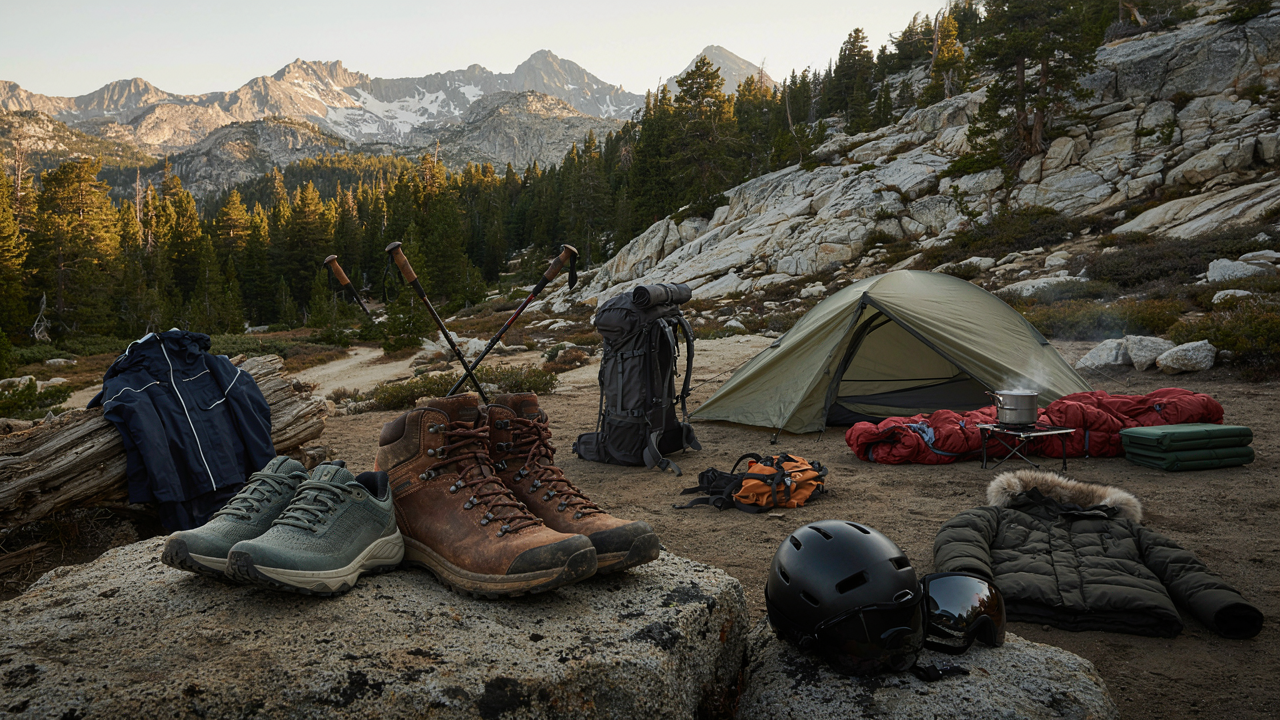
One of the best ways to use the site is to organize your research around the type of adventure you’re planning.
Hiking Gear
For day hikes, useful categories include:
- Hiking shoes
- Hiking boots
- Trail runners
- Daypacks
- Hiking socks
- Trekking poles
- Rain jackets
- Rain pants
- Hydration equipment
A good hiking setup should match the terrain and weather rather than simply following the most popular recommendation.
Backpacking Gear
Backpacking requires more careful gear selection because you carry everything for the trip.
Important categories include:
- Backpacking packs
- Backpacking tents
- Sleeping bags
- Sleeping pads
- Water filters
- Camp stoves
- Lightweight clothing
- Navigation equipment
- Headlamps
Switchback Travel also publishes backpacking checklists covering equipment, clothing, kitchen gear, health items, and optional accessories.
Camping Gear
Car camping gives you more freedom to bring larger and heavier equipment.
Useful research categories include:
- Camping tents
- Sleeping bags
- Camping mattresses
- Camp chairs
- Cooking equipment
- Coolers
- Lanterns
- Outdoor clothing
The ideal car-camping setup can be very different from an ultralight backpacking setup.
Climbing and Alpine Gear
Climbers often need highly specialized equipment.
Research may include:
- Technical clothing
- Hardshell jackets
- Climbing packs
- Approach footwear
- Alpine equipment
- Winter layers
For technical activities, always combine product research with appropriate training and current local safety guidance.
Skiing and Winter Gear
Switchback Travel also covers winter equipment.
Its ski helmet coverage, for example, describes different helmets for resort skiing, backcountry use, and freestyle skiing while explaining its testing background.
Winter gear research can include:
- Ski helmets
- Ski clothing
- Winter boots
- Gloves
- Goggles
- Backcountry equipment
- Snow travel gear
How to Use Switchback Travel Reviews Correctly

A common mistake is to read a review, see the “best overall” product, and immediately assume it is the right purchase.
Instead, follow this process.
Define Your Adventure
Ask yourself:
- Where will I use the gear?
- How long will the trip be?
- What season is it?
- What weather should I expect?
- How much equipment will I carry?
- Am I hiking established trails or rough terrain?
- Is weight important?
- What is my budget?
These questions help you understand which features matter most.
Read the Buying Advice
Don’t jump directly to the first product.
Read the buying advice first.
It often explains the differences between materials, designs, weights, features, and intended uses.
Compare Several Products
Create a short list of three to five products.
Then compare:
Price
Weight
Features
Durability
Intended use
Fit
Weather protection
Warranty or manufacturer support
Check the Product’s Current Version
Outdoor gear changes frequently.
A product may receive a new model, revised materials, or updated features.
Always confirm that the model you’re considering is still current before purchasing.
Consider Your Own Priorities
A recommendation is not a command.
If you value durability more than minimum weight, you may prefer a heavier option.
If you’re a casual weekend hiker, you may not need expensive expedition-level equipment.
Switchback Travel vs. Other Outdoor Research Sources
No single website should be your only source for important outdoor decisions.
Here’s a practical comparison:
| Source | Best For | Main Strength |
| Switchback Travel | Gear research | Reviews and comparisons |
| National Park Service | National parks | Official rules and safety |
| U.S. Forest Service | National forests | Recreation information |
| Leave No Trace | Outdoor ethics | Responsible recreation |
| Manufacturer | Product specifications | Current technical details |
| Local park/ranger | Current conditions | Local updates |
Switchback Travel is most useful as a gear research source. Government agencies are better for current trail closures, regulations, permits, hazards, and park-specific conditions.
The National Park Service recommends checking weather, park alerts, route conditions, and appropriate equipment before hiking.
Pros and Cons of Switchback Travel
| Pros | Cons |
| Detailed gear reviews | Not every product will suit every traveler |
| Hands-on testing information | Older reviews may describe previous models |
| Useful comparison tables | Outdoor conditions vary greatly |
| Buying advice explains trade-offs | Recommendations are editorial opinions |
| Covers many outdoor categories | Prices and availability can change |
| Practical packing resources | A review cannot replace local safety information |
| Good resource for beginners and experienced users | Specialized activities may require additional expert guidance |
Bottom Line
Switchback Travel can be a strong starting point for gear research, but responsible travelers should verify current specifications, prices, availability, regulations, weather, and local conditions before a trip.
How to Choose Hiking Gear With Switchback Travel

The best hiking gear depends on the hike.
Day Hikes
For a short, established trail, you may prioritize:
- Comfortable footwear
- Lightweight clothing
- Small daypack
- Water
- Food
- Weather protection
- Navigation
- Basic emergency supplies
Switchback Travel’s day-hiking checklist includes footwear, clothing, a daypack, hydration, navigation, first aid, sun protection, and other useful items.
Overnight Backpacking
Overnight trips require more planning.
You may need:
- Backpack
- Tent
- Sleeping bag
- Sleeping pad
- Cooking system
- Food
- Water treatment
- Extra clothing
- Navigation equipment
- Emergency supplies
The key is to balance weight, comfort, safety, and durability.
Outdoor Safety: Don’t Rely on Gear Reviews Alone
Good equipment helps, but equipment alone doesn’t make a trip safe.
The National Park Service recommends carrying the Ten Essentials and adapting your equipment to the activity and conditions. These systems include navigation, sun protection, insulation, hydration, nutrition, emergency shelter, first aid, illumination, and other emergency needs.
Before heading out, check:
- Weather forecast
- Trail conditions
- Park alerts
- Fire restrictions
- Water availability
- Permit requirements
- Seasonal closures
- Your planned route
- Emergency communication options
Tell a trusted person where you’re going and when you expect to return.
For unfamiliar or challenging outdoor trips, going with an experienced adult or knowledgeable group is a smart choice.
Expert Tips for Getting More From Switchback Travel
Don’t Chase the Lightest Gear
Ultralight doesn’t automatically mean better.
A lighter product may sacrifice features, space, or durability.
Choose weight savings only when they genuinely improve your trip.
Read the “What We Like” and “What We Don’t”
The negative points can be more useful than the headline recommendation.
A product might be excellent overall but unsuitable for your particular needs.
Pay Attention to Testing Conditions
Consider where and how a product was tested.
A jacket tested during wet alpine conditions may provide more useful information for a rainy mountain trip than a review based mostly on casual city use.
Check Multiple Sources
Use Switchback Travel for editorial testing and comparisons.
Then verify:
- Manufacturer specifications
- Current product version
- Current price
- Warranty
- Availability
- Official trail information
Match Gear to Your Trip
Ask one simple question:
“What problem does this gear solve on my trip?”
If the answer isn’t clear, you may not need the product.
Common Mistakes When Using Switchback Travel
Buying the “Best Overall” Product Automatically
“Best overall” means best according to a particular set of priorities.
Your priorities may be different.
Ignoring Weight
A product that weighs only a little more may not matter on a day hike.
On a multi-day backpacking trip, those extra ounces can add up.
Focusing Only on Price
The cheapest product isn’t always the best value.
Consider:
- Durability
- Comfort
- Performance
- Expected use
- Warranty
- Long-term value
Ignoring Fit
Fit is critical for:
- Hiking shoes
- Boots
- Backpacks
- Clothing
- Sleeping bags
- Helmets
A highly rated product can still be wrong if it doesn’t fit you correctly.
Using Old Information
Outdoor products change.
Check the publication date and look for updates.
Switchback Travel frequently identifies when guides have been updated. For example, its hiking sandal guide notes a 2025 update that changed recommendations and removed discontinued products.
Switchback Travel Checklist for Smart Gear Research
Use this checklist before buying outdoor equipment:
Trip Planning
- Identify destination
- Check season
- Check expected weather
- Determine trip length
- Understand terrain
- Check local regulations
Gear Research
- Find the relevant Switchback Travel guide
- Read buying advice
- Compare several products
- Check weight
- Check materials
- Consider durability
- Review pros and cons
- Check product fit
- Confirm current model
Before the Trip
- Check official trail information
- Check closures and alerts
- Prepare navigation
- Pack sufficient water and food
- Carry emergency supplies
- Tell someone your itinerary
- Follow Leave No Trace principles
The National Park Service specifically recommends staying on designated trails, checking weather, carrying appropriate essentials, and planning ahead.
Internal Linking Opportunities for a Travel Website
If you’re publishing this article on a broader U.S. travel or outdoor website, consider adding contextual internal links to related content.
Suggested Internal Links
- Best Hiking Trails in the USA
- Beginner’s Guide to Backpacking
- National Parks in the United States
- Best U.S. National Parks for Hiking
- Hiking Safety Tips for Beginners
- Complete Camping Checklist
- Best Day Hikes in Colorado
- Best Hiking Destinations in California
- Utah National Parks Road Trip
- Best Fall Hiking Destinations in the USA
- How to Pack a Backpacking Pack
- What to Pack for a Weekend Hiking Trip
- Best Time to Visit U.S. National Parks
Use descriptive anchor text rather than generic phrases such as “click here.”
Suggested External Authority Sources

For a trustworthy travel website, support safety and regulatory claims with authoritative sources such as:
National Park Service (NPS) — park regulations, alerts, hiking safety, permits, and trip planning.
U.S. Forest Service (USFS) — national forest recreation, trail information, and safety.
Leave No Trace Center for Outdoor Ethics — responsible outdoor recreation principles.
National Weather Service (NWS) — weather forecasts and warnings.
U.S. Geological Survey (USGS) — maps, geographic information, and natural-resource data.
Official park websites — current closures, permits, conditions, and local regulations.
Outdoor gear manufacturers — current specifications, sizing, warranties, and product updates.
Frequently Asked Questions
What is Switchback Travel?
Switchback Travel is an outdoor publication covering gear reviews, buying guides, hiking, backpacking, camping, climbing, skiing, and other outdoor activities.
Is Switchback Travel good for beginners?
Yes. Its buying advice and comparison tables can help beginners understand differences between products. However, beginners should also use official park and safety resources when planning outdoor activities.
Does Switchback Travel test outdoor gear?
Many Switchback Travel guides describe hands-on testing and real-world use. Its published testing explanations provide details about how products were evaluated.
Can I use Switchback Travel to choose hiking shoes?
Yes. Hiking footwear is one of the useful categories for gear research. Compare intended terrain, fit, traction, weight, comfort, and weather protection rather than choosing solely by ranking.
Is Switchback Travel useful for backpacking?
Yes. Backpacking is a major area of its outdoor coverage, including tents, packs, sleeping systems, clothing, cooking equipment, and checklists.
Should I trust every Switchback Travel recommendation?
Treat recommendations as informed editorial opinions rather than universal rules. Compare the testing information with your own needs and verify current product details before buying.
Does Switchback Travel cover camping?
Yes. Camping and backpacking equipment are among the subjects covered by the publication, including tents, sleeping equipment, cooking gear, clothing, and checklists.
How should I use Switchback Travel for a national park trip?
First research the gear you need, then check the official national park website for current regulations, closures, weather information, permits, alerts, and trail conditions.
Is the lightest outdoor gear always the best?
No. Lower weight can involve trade-offs involving durability, comfort, space, features, or price. The best choice depends on the trip.
What is the best way to compare outdoor gear?
Start with your intended use, then compare weight, fit, durability, features, weather protection, price, and long-term value. Read both the advantages and disadvantages before deciding.
Conclusion
Switchback Travel outdoor enthusiasts ke liye gear research aur adventure planning ka ek useful resource hai. Hiking shoes aur backpacks se lekar tents, sleeping bags, rain gear, camping equipment, aur winter gear tak, detailed reviews aur comparisons travelers ko informed decisions lene mein help karte hain.
Lekin kisi bhi gear recommendation ko blindly follow karne ke bajaye, apni trip ki length, terrain, weather, comfort needs, experience level, aur budget ko consider karein. Product reviews ke saath manufacturer specifications aur official park or trail information bhi check karein, especially when safety, closures, permits, or changing weather conditions are involved.
Agar aap 2026 mein hiking, backpacking, camping, ya kisi outdoor adventure ki planning kar rahe hain, Switchback Travel ko apni gear-research process ka starting point banayein. Smart comparison, proper preparation, aur reliable safety information ke saath aap apni next U.S. outdoor adventure ko more comfortable, organized, and enjoyable bana sakte hain.
Read More:SectionHiker: The Ultimate 2026 Guide to Hiking Trails, Gear, Reviews & Expert Tips