Becoming a successful National Parks Traveler starts with understanding that America’s national parks are more than beautiful places to take photographs. They are protected landscapes filled with mountains, forests, deserts, rivers, wildlife, historic sites, and remarkable ecosystems. Each park has its own rules, seasons, challenges, and travel opportunities.
Whether you’re planning your first national park road trip or building a bucket list of America’s most iconic landscapes, preparation can make your experience much better. The right itinerary helps you spend less time dealing with avoidable problems and more time enjoying trails, overlooks, scenic drives, visitor centers, and quiet moments in nature.
This guide explains how to plan a national park adventure, choose destinations, prepare for changing conditions, avoid common mistakes, and travel responsibly. It is designed for U.S. travelers who want practical advice rather than a simple list of attractions.
Quick Answer
A National Parks Traveler is someone who explores U.S. national parks with a focus on smart planning, responsible travel, outdoor safety, and meaningful experiences. A good national park trip involves more than choosing a scenic destination. You should research park conditions, permits, reservations, weather, transportation, trails, lodging, and Leave No Trace practices before you go.
For first-time visitors, start with a park that matches your interests and experience level. Popular choices include Yellowstone, Yosemite, Grand Canyon, Zion, Great Smoky Mountains, Rocky Mountain, Acadia, and Olympic National Parks. Always check official park information before traveling because road closures, trail conditions, reservations, and seasonal restrictions can change.
What Is a National Parks Traveler?
A National Parks Traveler can be described as a traveler who explores national parks while learning about the landscapes, history, wildlife, recreation opportunities, and conservation responsibilities connected to them.
National park travel can include:
- Hiking and backpacking
- Scenic drives
- Wildlife watching
- Camping
- Photography
- Stargazing
- Ranger programs
- Historic-site visits
- Family adventures
- Road trips
- Accessible outdoor experiences
- Nature education
The best approach is not to visit as many parks as possible. Instead, focus on creating safe, enjoyable, and responsible experiences.
Why Visit U.S. National Parks?
America’s national parks offer an enormous variety of landscapes within one country.
You can experience:
| Landscape | Example National Parks |
| Mountains | Rocky Mountain, Grand Teton |
| Desert | Arches, Joshua Tree |
| Canyons | Grand Canyon, Canyonlands |
| Rainforest | Olympic |
| Waterfalls | Yosemite |
| Coastal scenery | Acadia |
| Volcanoes | Hawaiʻi Volcanoes |
| Geothermal features | Yellowstone |
| Forests | Great Smoky Mountains |
| Glaciers | Glacier |
This variety makes national park travel suitable for different interests and travel styles.
25 Smart Tips for Every National Parks Traveler
Choose the Right Park for Your Trip
Don’t choose a destination only because it is famous.
Think about:
- Your available travel time
- Your preferred activities
- Fitness and hiking experience
- Season
- Budget
- Driving distance
- Family needs
- Weather tolerance
A weekend trip requires a different strategy from a two-week national park road trip.
Research the Best Season
Every park has a different travel season.
Summer may provide easier access to high-elevation areas, while spring and fall can offer cooler weather and fewer visitors in some destinations. Winter can transform certain parks but may also bring snow, closures, and difficult driving conditions.
Always research seasonal conditions before booking transportation or lodging.
Check Official Park Information Before Leaving
This is one of the most important habits for a National Parks Traveler.
Check:
- Road conditions
- Trail closures
- Entrance requirements
- Weather
- Fire restrictions
- Shuttle systems
- Camping information
- Permit requirements
- Construction
- Wildlife alerts
Conditions can change quickly.
Build a Realistic Itinerary
One of the biggest planning mistakes is trying to see everything.
Instead of scheduling ten major activities in one day, choose a few priorities.
For example:
Morning: Scenic viewpoint
Late morning: Short hike
Afternoon: Visitor center or scenic drive
Evening: Sunset or ranger program
Leave extra time for traffic, parking, meals, weather, and unexpected delays.
Learn About Entrance Fees
Many national parks charge entrance fees, while some areas may have additional reservation or activity costs.
Before your trip, determine whether you need:
- A park entrance pass
- A timed-entry reservation
- A camping reservation
- A wilderness permit
- A special activity permit
Don’t assume that one reservation covers every activity.
Understand Timed Entry and Reservations
Some busy parks or popular areas may use reservation systems to manage crowds.
Reservation requirements can change from year to year, so verify current rules before traveling.
This is especially important during:
- Summer holidays
- Spring break
- Fall foliage periods
- Holiday weekends
- Popular sunrise and sunset periods
Start Early
Early mornings are often valuable for national park travelers.
Starting early can help you:
- Find parking
- Avoid some crowds
- Enjoy cooler temperatures
- See wildlife
- Photograph softer morning light
- Complete longer hikes safely
It also gives you more flexibility if plans change.
Prepare for Changing Weather
Mountain and desert weather can change quickly.
Pack according to the environment rather than the forecast alone.
Useful items can include:
- Water
- Layers
- Rain protection
- Sun protection
- Sturdy footwear
- Navigation tools
- Food or snacks
- Emergency supplies
For longer hikes, preparation becomes even more important.
Carry Enough Water
Water planning is essential, particularly in hot or dry environments.
Don’t assume that water will always be available on the trail. Research water sources and park guidance before starting a hike.
In hot conditions, dehydration can become a serious concern surprisingly quickly.
Respect Wildlife
Seeing wildlife is one of the most exciting parts of national park travel.
But wildlife should remain wild.
Never approach animals for a photograph or attempt to feed them. Use appropriate distances and follow park instructions.
A telephoto lens or zoom is much better than getting dangerously close.
Stay on Designated Trails
Shortcuts can damage plants, increase erosion, and disturb sensitive habitats.
Stay on marked routes unless park authorities specifically permit off-trail travel.
This is especially important around fragile desert landscapes and alpine environments.
Practice Leave No Trace
Responsible travel helps protect parks for future visitors.
Basic principles include:
- Pack out trash
- Leave natural objects where you find them
- Respect wildlife
- Minimize campfire impacts
- Stay on durable surfaces
- Keep campsites clean
- Respect other visitors
Being a responsible National Parks Traveler means protecting the places you came to enjoy.
Download Important Information Before You Go
Cell service can be limited or unavailable in many parks.
Before leaving reliable coverage, download:
- Maps
- Reservation details
- Directions
- Confirmation emails
- Emergency information
- Important park information
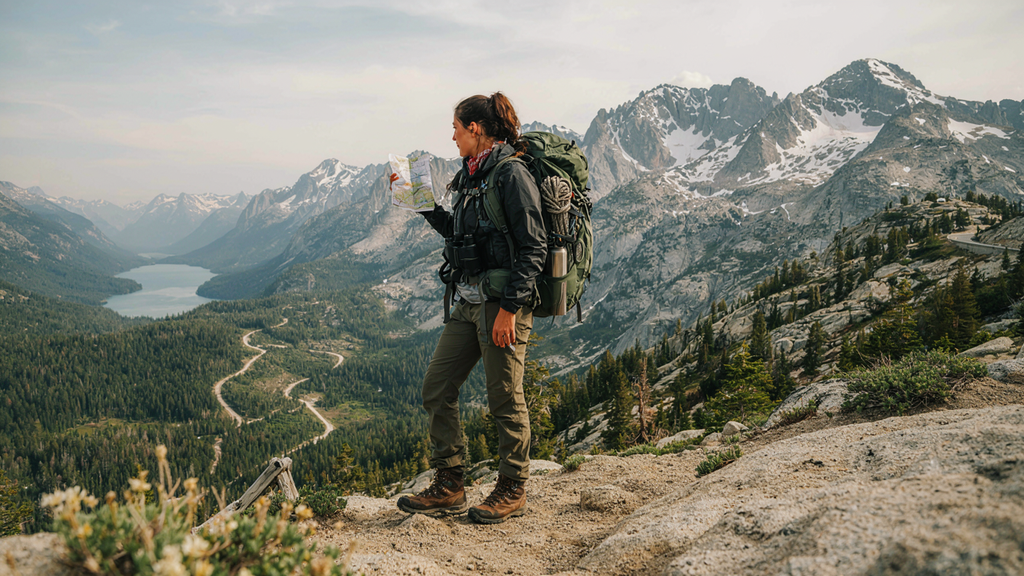
A paper map can also be useful for remote areas.
Don’t Depend Completely on Your Phone
A smartphone is useful, but it shouldn’t be your only navigation tool.
Battery life, reception, weather, and damaged devices can all become problems.
For remote adventures, consider appropriate navigation equipment and know how to use it before your trip.
Give Yourself More Driving Time Than Expected
National park roads can be slower than normal highways.
You may encounter:
- Wildlife
- Traffic
- Construction
- Narrow roads
- Scenic pullouts
- Mountain driving
- Parking delays
Don’t create an itinerary that requires perfect timing.
Book Popular Lodging Early
Lodging near famous national parks can become expensive or sell out during peak periods.
Compare:
- Park lodges
- Hotels
- Cabins
- Campgrounds
- Nearby communities
- Vacation rentals where appropriate
Always check cancellation policies before paying.
Consider Nearby Gateway Towns
Staying outside a park can sometimes provide more lodging choices.
Gateway communities may offer:
- Restaurants
- Grocery stores
- Hotels
- Equipment shops
- Fuel
- Shuttle services
However, staying farther away can also mean longer daily drives.
Plan Meals in Advance
Some parks have limited food options.
Bring suitable food and snacks when appropriate, especially for long hiking days.
If you’re staying in a gateway town, grocery shopping before entering the park can save time.
Don’t Underestimate Short Hikes
A trail described as “short” isn’t automatically easy.
Difficulty depends on:
- Elevation
- Heat
- Steepness
- Surface
- Exposure
- Weather
- Your experience
Read the complete trail description before starting.
Learn Basic Hiking Safety
Tell someone your plans for longer or remote hikes.
Know:
- Your route
- Expected distance
- Turnaround point
- Weather forecast
- Emergency procedures
- Water availability
Avoid taking unnecessary risks simply to complete an itinerary.
Respect Other Visitors
National parks belong to everyone.
Good visitor etiquette includes:
- Keeping noise reasonable
- Allowing others space at viewpoints
- Following parking rules
- Yielding appropriately on trails
- Keeping dogs where permitted
- Avoiding blocking scenic areas
Courtesy makes the experience better for everyone.
Explore Beyond the Most Famous Viewpoint
Iconic attractions are popular for a reason, but they aren’t the entire park.
Visit:
- Lesser-known trails
- Historic areas
- Visitor centers
- Scenic drives
- Ranger programs
- Overlooks
- Quiet picnic areas
You may discover experiences that don’t appear in every social media post.
Plan Around Your Travel Group
A solo hiker, family with young children, and experienced backpacking group should not follow the same itinerary.
Consider everyone’s:
- Experience
- Energy
- Interests
- Mobility
- Comfort level
- Attention span
A successful trip is one everyone can enjoy.
Protect Your Photography Time
If photography matters to you, schedule time rather than hoping you’ll “find a few minutes.”
Research:
- Sunrise locations
- Sunset viewpoints
- Seasonal scenery
- Wildlife opportunities
- Weather patterns
Remember that a great photograph should never come at the expense of personal safety or environmental protection.
Slow Down
The best national park trips aren’t always the busiest.
Spend time listening to the wind, watching clouds move across mountains, learning from rangers, or simply sitting at a viewpoint.
National park travel is an experience—not a race.
Best National Parks for Different Travel Styles
Choosing the right park becomes easier when you match the destination to your interests.
| Travel Style | Parks to Consider | Why |
| First-time visitor | Grand Canyon | Iconic scenery and viewpoints |
| Mountain lover | Rocky Mountain | High-elevation landscapes |
| Wildlife enthusiast | Yellowstone | Diverse wildlife and ecosystems |
| Waterfall fan | Yosemite | Dramatic valleys and waterfalls |
| Desert explorer | Arches | Distinctive rock formations |
| Coastal traveler | Acadia | Ocean, mountains, and forests |
| Forest escape | Great Smoky Mountains | Forests and biodiversity |
| Rainforest adventure | Olympic | Diverse ecosystems |
| Stargazing | Several remote parks | Dark-sky opportunities |
| Family road trip | Many large parks | Scenic drives and varied activities |
These are starting points, not rankings. Your ideal park depends on the season and the type of experience you want.
National Parks Traveler Pros and Cons
National park travel can be incredibly rewarding, but it also requires preparation.
| Pros | Cons |
| Incredible scenery | Crowds at popular sites |
| Outdoor recreation | Weather can change quickly |
| Educational experiences | Some areas have limited services |
| Wildlife viewing | Lodging can be expensive |
| Great road-trip opportunities | Long driving distances |
| Photography opportunities | Reservations may be required |
| Opportunities to disconnect | Cell service can be limited |
| Supports conservation | Rules and restrictions must be followed |
The key is to understand these challenges before your trip rather than discovering them after arrival.
How to Plan a National Park Road Trip

A national park road trip can be one of the best ways to explore the United States.
Pick a Region
Avoid creating a route that crosses huge distances unnecessarily.
Popular regions include:
- Southwest
- Rocky Mountains
- Pacific Northwest
- California
- Southeast
- Alaska
- Hawaii
Choose Two to Four Main Destinations
For a one-week trip, fewer destinations often create a better experience.
Instead of visiting six parks for one day each, consider spending more time in two or three.
Calculate Driving Times
Use realistic travel estimates.
Include stops for:
- Fuel
- Food
- Rest
- Photography
- Traffic
- Road conditions
Reserve What Needs Reservations
Book high-demand lodging and activities first.
Then build the flexible portions of your itinerary around those fixed reservations.
Create a Backup Plan
Have alternatives for:
- Rain
- Snow
- Heat
- Road closures
- Trail closures
- Crowds
A flexible itinerary is usually stronger than a rigid one.
Essential National Park Packing Checklist
Day-Hike Checklist
- Water
- Food or snacks
- Weather-appropriate layers
- Sun protection
- Navigation method
- First-aid supplies
- Fully charged phone
- Emergency essentials
- Appropriate footwear
- Trash bag
Road Trip Checklist
- Driver’s license
- Vehicle documents
- Fuel plan
- Offline maps
- Lodging confirmations
- Park reservations
- Food and snacks
- Water
- Chargers
- Weather information
Your exact packing list should change according to the park, season, trail, and activities.
Common Mistakes National Park Travelers Make
Visiting Without Checking Current Conditions
Old blog posts and social media posts may not reflect current conditions.
Always verify important details before departure.
Trying to See Everything
Overpacked itineraries can turn a relaxing trip into a stressful one.
Choose priorities.
Ignoring Elevation
A trail can feel much harder at high elevation than the same distance at sea level.
Allow time to adjust when appropriate.
Assuming Cell Service Exists Everywhere
Remote areas may have little or no connectivity.
Prepare before entering coverage gaps.
Getting Too Close to Wildlife
Wild animals can behave unpredictably.
Observe from a safe distance and follow park rules.
Forgetting Reservations
Popular parks can have reservation systems for certain activities or access periods.
Check requirements early.
Following Outdated Advice
National park policies can change.
Confirm current information with official sources before your trip.
Treating Social Media as a Safety Guide
A beautiful photograph doesn’t show:
- Weather
- Trail difficulty
- Crowds
- Distance
- Hazards
- Access conditions
Use social media for inspiration, not as your only planning source.
Expert Tips for a Better National Parks Traveler Experience

Use the 3-Layer Research Method
Before your trip, research information from three levels:
Layer 1: Official sources
Use official park information for rules, closures, permits, and current conditions.
Layer 2: Detailed trip planning
Use reputable travel resources for itinerary ideas, logistics, and destination comparisons.
Layer 3: Personal judgment
Match the information to your own experience, abilities, budget, and travel group.
This approach helps reduce the risk of relying on outdated or incomplete advice.
Plan Your “Must Do” and “Nice to Do” Lists
Your must-do list should contain only the experiences you would regret missing.
Your nice-to-do list gives you flexibility.
If weather or crowds disrupt your first plan, move to your backup activities rather than abandoning the day.
Build Buffer Time Into Every Day
A two-hour buffer can be more valuable than adding another attraction.
National parks are unpredictable in a good way. A wildlife sighting, unexpected viewpoint, ranger conversation, or beautiful sunset can become the highlight of your trip.
National Parks Traveler vs. Traditional Sightseeing
National park travel differs from a typical city vacation.
| National Park Travel | Traditional City Travel |
| Weather can dominate plans | Indoor alternatives are common |
| Trails may require preparation | Attractions are often close together |
| Cell service may be limited | Connectivity is usually easier |
| Driving can take longer | Public transportation may be available |
| Wildlife can affect travel | Wildlife is rarely a major factor |
| Conservation rules are central | Regulations vary by attraction |
| Nature is the main attraction | Museums, food, and entertainment may dominate |
Neither style is better. They simply require different planning approaches.
How to Travel Responsibly in National Parks

Responsible tourism is essential because millions of people visit America’s protected lands every year.
Follow Park Rules
Rules exist to protect visitors, wildlife, and natural resources.
Leave Natural Objects Alone
Rocks, plants, fossils, antlers, and other natural materials should generally remain where they are unless park rules specifically state otherwise.
Keep Your Campsite Clean
Food and trash can attract wildlife.
Follow local food-storage and waste-disposal rules.
Respect Quiet Places
Not every park experience needs music, loud conversations, or constant phone use.
Sometimes the best experience is simply being present.
Suggested Internal Linking Opportunities for a Travel Website
A comprehensive travel website can strengthen this article with contextual internal links to related guides such as:
Best National Parks in the USA
Best National Park Road Trips
Best Hiking Trails in the USA
National Park Camping Guide
Best Places to Visit in the United States
USA Travel Bucket List
Best Scenic Drives in America
Best Family Vacation Destinations in the USA
Hiking Safety Tips for Beginners
Best Travel Gear for National Park Trips
Yellowstone National Park Guide
Grand Canyon Travel Guide
Yosemite National Park Guide
Zion National Park Guide
Great Smoky Mountains Travel Guide
Use descriptive anchor text instead of repeatedly linking with generic phrases such as “click here.”
Suggested External Authority Sources

For an EEAT-focused national park article, consider referencing authoritative sources such as:
- National Park Service
- U.S. Department of the Interior
- Recreation.gov
- Leave No Trace Center for Outdoor Ethics
- National Weather Service
- U.S. Geological Survey
- USDA Forest Service
- Official state tourism agencies
- Individual national park official pages
Use these sources for current regulations, weather, reservations, conservation guidance, maps, closures, and scientific information.
Frequently Asked Questions
What is a National Parks Traveler?
A National Parks Traveler is someone who explores America’s national parks while planning responsibly, following park rules, staying safe, and respecting natural and cultural resources.
What is the best national park to visit for the first time?
There is no single best park for everyone. Grand Canyon, Yellowstone, Yosemite, Zion, Great Smoky Mountains, and Rocky Mountain are popular starting points because they offer distinctive landscapes and many visitor opportunities.
How far in advance should I plan a national park trip?
For popular parks and peak travel periods, begin planning several months ahead when possible. High-demand lodging, camping, permits, and reservations can fill quickly.
What should I bring to a national park?
At minimum, bring suitable water, food, weather-appropriate clothing, navigation tools, sun protection, and basic emergency supplies. Your exact equipment should match the park and activity.
Can I visit national parks without hiking?
Yes. Many parks offer scenic drives, overlooks, visitor centers, ranger programs, historical attractions, and accessible areas.
Are national parks safe?
National parks can be enjoyed safely when visitors understand the environment and follow official guidance. Weather, wildlife, terrain, water, traffic, and remoteness can all create risks.
Should I visit national parks in summer?
Summer is popular because many areas are accessible, but it can also bring crowds and higher demand. The best season depends on the specific park and the activities you want to do.
How do I avoid crowds in national parks?
Visit during less busy periods when practical, arrive early, explore beyond the most popular attractions, and consider visiting lesser-known areas that fit your itinerary.
Can I rely on my phone inside a national park?
Not always. Cell coverage varies widely. Download important information before entering remote areas and carry appropriate backup navigation tools when needed.
How can I become a more responsible National Parks Traveler?
Follow park rules, stay on designated trails, respect wildlife, pack out trash, conserve resources, and encourage others to protect public lands.
Conclusion
Exploring America’s national parks is about more than checking famous destinations off a travel list. A successful National Parks Traveler plans ahead, respects nature, prepares for changing conditions, and takes time to enjoy the experience. From breathtaking mountain views and peaceful forests to dramatic deserts and unforgettable wildlife encounters, every park offers something different.
Before your next trip, check official park information, understand seasonal conditions, prepare the right gear, and create a flexible itinerary. Follow trail rules, keep a safe distance from wildlife, and practice Leave No Trace principles to help protect these incredible places.
Whether you’re planning a weekend getaway, a family vacation, or a multi-park road trip, smart preparation can make your adventure safer and more enjoyable. Choose your next national park, start planning today, and make your journey one worth remembering.
Read More:Switchback Travel: The Ultimate 2026 Guide to Outdoor Gear Reviews, Hiking Tips & Adventure Planning