Travel can be one of the best ways to experience new places, learn about different cultures, spend meaningful time with family or friends, and create memories that last for years. But a great trip rarely happens by accident. Even a simple weekend getaway becomes easier when you know where you are going, how much you can spend, what you need to pack, and how you will get around.
In 2026, travelers have more choices than ever. You can take a road trip across the United States, explore a national park, enjoy a city vacation, relax at a beach destination, or plan an international adventure. The challenge is deciding what fits your time, budget, and travel style.
This complete travel guide brings those decisions together in one practical resource. From choosing a destination and building an itinerary to saving money, packing efficiently, staying safe, and avoiding common mistakes, you will find actionable advice for planning a smoother trip.
Quick Answer
The best travel strategy in 2026 is to plan around your budget, destination, interests, available time, and comfort level rather than trying to copy someone else’s itinerary. Start by choosing the right destination, set a realistic budget, book important transportation and accommodations early, and leave some flexibility for unexpected changes.
For most travelers, a successful trip includes five basics: smart planning, realistic budgeting, reliable transportation, suitable accommodations, and a flexible itinerary. Before international travel, also check current entry rules, health guidance, travel advisories, and document requirements.
The goal is not to fill every hour with activities. The best trips balance famous attractions with free time, local experiences, good food, rest, and unexpected discoveries.
What Does Travel Mean Today?
Travel is more than simply moving from one location to another. It can include vacations, road trips, weekend escapes, cultural journeys, outdoor adventures, family holidays, business trips, and long-term exploration.
Modern travelers often combine several travel styles in one trip.
For example, a 10-day vacation could include:
- Three days exploring a major city
- Two days visiting nearby attractions
- Three days in nature
- One relaxed beach day
- One flexible day for shopping or unexpected experiences
This approach creates variety without making the itinerary feel rushed.
Popular Types of Travel
| Travel Style | Best For | Typical Experience |
| Solo Travel | Independent travelers | Flexibility and personal discovery |
| Family Travel | Parents and children | Attractions, comfort and convenience |
| Road Trips | Couples, families, friends | Scenic drives and multiple destinations |
| Luxury Travel | Comfort-focused travelers | Premium hotels, dining and experiences |
| Budget Travel | Cost-conscious travelers | Affordable lodging and transportation |
| Adventure Travel | Active travelers | Hiking, nature and outdoor activities |
| Cultural Travel | Curious explorers | Museums, history, food and local traditions |
| Beach Travel | Relaxation | Beaches, water activities and downtime |
| City Breaks | Short vacations | Food, museums, shopping and sightseeing |
| National Park Travel | Nature lovers | Hiking, scenery and wildlife |
How to Choose the Right Travel Destination
Choosing a destination is one of the most important parts of travel planning.
Instead of asking, “Where should I go?” ask:
“What kind of experience do I want?”
That small change can make your decision much easier.
Consider Your Available Time
A three-day weekend and a three-week vacation require very different destinations.
For a short trip, choose somewhere with convenient transportation and attractions close together.
For a longer vacation, you can explore multiple cities or regions.
Match the Destination to Your Interests
Think about the activities you actually enjoy.
You may prefer:
- Beaches
- Museums
- Hiking
- Food
- Architecture
- Shopping
- History
- Photography
- Wildlife
- Theme parks
- Music and entertainment
- Scenic drives
Your interests should influence your destination more than social media trends.
Check the Season
Weather can completely change a travel experience.
Before booking, research:
- Average temperatures
- Rainy seasons
- Snow conditions
- Hurricane risks
- Peak tourist periods
- Major festivals
- Local holidays
- Seasonal closures
Some destinations are more enjoyable during shoulder seasons, when crowds may be lower and prices can be more manageable.
Consider the Total Cost
A destination with cheap flights may still be expensive once you add hotels, transportation, food, attraction tickets and other costs.
Calculate the total trip cost, not just the airfare.
How to Build a Travel Budget
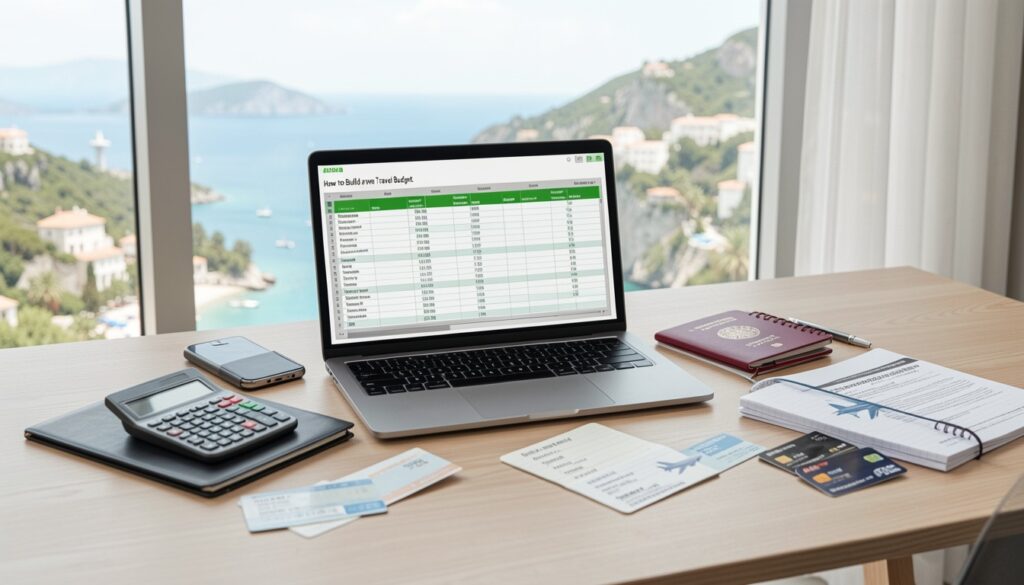
A realistic budget is one of the most useful tools you can create before a trip.
Basic Travel Budget Formula
Total Travel Budget = Transportation + Accommodation + Food + Activities + Local Transportation + Shopping + Emergency Fund
For example:
| Expense | Example Budget |
| Flights | $500 |
| Hotel | $900 |
| Food | $450 |
| Local Transportation | $200 |
| Attractions | $250 |
| Shopping | $150 |
| Emergency Buffer | $300 |
| Total | $2,750 |
These numbers are only an example. Your actual budget will depend heavily on destination, season, trip length and travel style.
How to Save Money While Traveling
You can reduce costs without making your vacation miserable.
Try these strategies:
- Travel during less busy periods.
- Compare several transportation options.
- Choose accommodations with useful amenities.
- Stay slightly outside the most expensive tourist area.
- Use public transportation where practical.
- Look for free attractions.
- Set a daily food budget.
- Book popular attractions ahead when necessary.
- Avoid changing hotels every night.
- Leave room in the budget for unexpected costs.
Budget Travel vs. Luxury Travel
| Factor | Budget Travel | Luxury Travel |
| Accommodation | Hostels, simple hotels, rentals | Premium hotels and resorts |
| Transportation | Public transit, economy flights | Premium cabins, private transfers |
| Dining | Local restaurants, casual meals | Fine dining |
| Activities | Free or low-cost attractions | Private tours and premium experiences |
| Flexibility | Often requires more planning | More convenience |
| Cost | Lower | Higher |
How to Create a Smart Travel Itinerary
A good itinerary should guide your trip without controlling every minute.
One of the biggest travel planning mistakes is trying to visit too many places in too little time.
The 60–70% Rule
A useful strategy is to plan approximately 60–70% of your available time and leave the rest flexible.
That means you can:
- Sleep later
- Explore a neighborhood
- Try a restaurant you discover locally
- Deal with transportation delays
- Rest when you need to
- Change plans because of weather
Sample 5-Day City Travel Itinerary
Day 1: Arrival, hotel check-in and nearby sightseeing
Day 2: Major landmarks and historic attractions
Day 3: Museums, neighborhoods and local food
Day 4: Day trip or outdoor experience
Day 5: Shopping, relaxed sightseeing and departure
Avoid Overloading Each Day
Instead of scheduling six major attractions, choose two or three priorities.
Ask yourself:
“If I could only do three things here, what would I regret missing?”
Those activities should become the foundation of your itinerary.
Best Ways to Travel Around the United States
The United States offers many ways to explore.
Air Travel
Flying works best when distances are large or your vacation time is limited.
Consider:
- Departure airport
- Layover time
- Baggage rules
- Arrival time
- Transportation from the airport
- Total ticket cost
Road Trips
Road trips are ideal for exploring scenic regions and multiple destinations.
A good road-trip plan should include:
- Reasonable driving distances
- Fuel stops
- Rest breaks
- Overnight accommodations
- Weather checks
- Backup routes
- Vehicle preparation
Don’t plan every driving day around maximum mileage. A shorter drive can give you more time to actually enjoy the destination.
Rail Travel
Rail can be a comfortable choice for certain city-to-city journeys. It may also reduce the stress of driving and parking.
Public Transportation
In major U.S. cities, public transportation can be practical and often cheaper than renting a car.
Research:
- Subway systems
- Buses
- Trains
- Airport connections
- Day passes
- Contactless payment options
How to Choose Hotels and Accommodations

The cheapest room is not always the best value.
Before booking, consider the complete experience.
Check These Factors
- Location
- Total price
- Taxes and fees
- Cancellation policy
- Parking costs
- Breakfast
- Wi-Fi
- Room size
- Reviews
- Transportation access
- Check-in and check-out times
Hotel Location Matters
A hotel that costs $40 less per night may not actually save money if you spend an extra hour commuting each day.
For city vacations, staying near your main attractions can sometimes be worth paying slightly more.
Hotels vs. Vacation Rentals
| Factor | Hotel | Vacation Rental |
| Short Stay | Usually convenient | Can be less convenient |
| Kitchen | Limited | Often available |
| Housekeeping | Usually included | Varies |
| Families | Can be convenient | More space may help |
| Location | Often central | Depends on property |
| Amenities | Predictable | Highly variable |
Always check the current property rules and total price before booking.
What to Pack for Travel
Packing should be based on your destination and activities—not on the fear that you might need everything.
Essential Travel Packing List
- Passport or required identification
- Wallet and payment cards
- Phone
- Chargers
- Travel documents
- Appropriate clothing
- Comfortable shoes
- Toiletries
- Necessary medications
- Reusable water bottle
- Small day bag
- Weather-appropriate items
- Copies of important documents
- Emergency contact information
For international travel, check destination-specific health and entry guidance before departure. The CDC recommends reviewing destination health information and preparing an appropriate travel health kit.
Carry-On vs. Checked Bag
| Carry-On | Checked Bag |
| Important documents | Larger clothing collection |
| Electronics | Full-size toiletries where allowed |
| Essential medications | Extra shoes |
| Basic clothing | Bulky items |
| Valuables | Items not needed during the flight |
Keep important items and anything you cannot easily replace in your carry-on when possible.
Travel Safety: How to Stay Prepared
Smart travel safety is about preparation rather than fear.
Before leaving, research your destination and understand local laws, transportation options, emergency contacts and common risks.
For international trips, official government and health resources should be part of your research. The CDC recommends checking destination-specific health information before departure and planning for unexpected medical needs.
Practical Safety Habits
- Keep important documents secure.
- Share your basic itinerary with someone you trust.
- Avoid displaying expensive valuables.
- Use reputable transportation.
- Stay aware of your surroundings.
- Keep emergency contacts accessible.
- Follow local laws and customs.
- Have a backup payment method.
- Save important information offline.
- Know where to seek help if something goes wrong.
For international travel, consider appropriate travel insurance and check whether your existing health coverage applies abroad.
How to Travel More Responsibly
Responsible travel means enjoying a destination while respecting the people, environment and culture that make it special.
Support Local Businesses
Whenever practical, spend money with:
- Local restaurants
- Independent shops
- Local guides
- Small hotels
- Community businesses
- Local artists
Respect Local Culture
Before visiting a new place, learn basic customs.
This can include:
- Dress expectations
- Photography rules
- Religious customs
- Tipping practices
- Greeting styles
- Public behavior
- Local laws
Protect Natural Places
When visiting national parks and other natural areas:
- Stay on designated trails.
- Follow posted rules.
- Dispose of waste properly.
- Respect wildlife.
- Avoid damaging plants or geological features.
- Follow permit and reservation requirements.
Park rules can change by destination and season, so check the official National Park Service information for the specific park. For example, current 2026 rules vary between parks, with some requiring reservations for particular activities while others do not require advance entry reservations.
Pros and Cons of Travel
| Pros | Cons |
| Creates memorable experiences | Can be expensive |
| Builds cultural awareness | Planning takes time |
| Provides a break from routine | Delays can happen |
| Encourages personal growth | Travel can be tiring |
| Supports local economies | Crowded destinations can be stressful |
| Offers new food and activities | Unexpected costs may occur |
| Creates opportunities for photography | Weather can disrupt plans |
The key is preparation. Most common travel problems become easier to handle when you have a backup plan.
Common Travel Mistakes to Avoid

Planning Too Many Activities
A packed itinerary can leave you exhausted.
Better approach: Pick a few priorities each day.
Ignoring the Total Cost
A cheap flight does not guarantee a cheap vacation.
Better approach: Calculate transportation, lodging, food, activities and local travel together.
Booking Without Checking Location
A beautiful hotel may be inconvenient if it is far from everything you want to see.
Better approach: Check travel times before booking.
Forgetting Documents
Passport and entry requirements can ruin an otherwise perfect trip if ignored.
Better approach: Verify requirements before departure.
Packing Too Much
Heavy luggage can make every transfer harder.
Better approach: Pack versatile clothing and prioritize essentials.
Having No Backup Plan
Flights can be delayed, attractions can close and weather can change.
Better approach: Keep at least one alternative for important activities.
Following Social Media Blindly
A viral location may not match your interests or travel style.
Better approach: Use social media for inspiration, then verify information through reliable sources.
Forgetting Rest
Vacation is not a competition.
Better approach: Schedule downtime.
Expert Tips for Better Travel in 2026
Book the “Must-Haves” First
Reserve flights, popular accommodations and time-sensitive experiences first. Keep flexible activities for later.
Build Around One Main Experience
Give each trip a central theme.
For example:
- National parks
- Food
- History
- Beaches
- Architecture
- Family attractions
- Photography
Then build your itinerary around it.
Use a Travel Budget Buffer
Keep an emergency reserve instead of spending your entire budget before departure.
Check Official Sources
Travel information can change quickly. Confirm important details through official airport, park, government, airline or destination sources.
Save Important Information Offline
Download:
- Hotel information
- Maps
- Reservation confirmations
- Transportation details
- Emergency contacts
This can help when your mobile connection is unreliable.
Research Before You Leave, Then Explore Naturally
Preparation should make your trip easier, not remove spontaneity.
Know your essentials, then leave room for discovery.
Recheck Time-Sensitive Details
Operating hours, entry policies, transportation schedules and reservation rules can change.
For example, the National Park Service currently shows different 2026 reservation requirements across individual parks, demonstrating why travelers should check the specific park rather than rely on general assumptions.
Your Ultimate Travel Planning Checklist
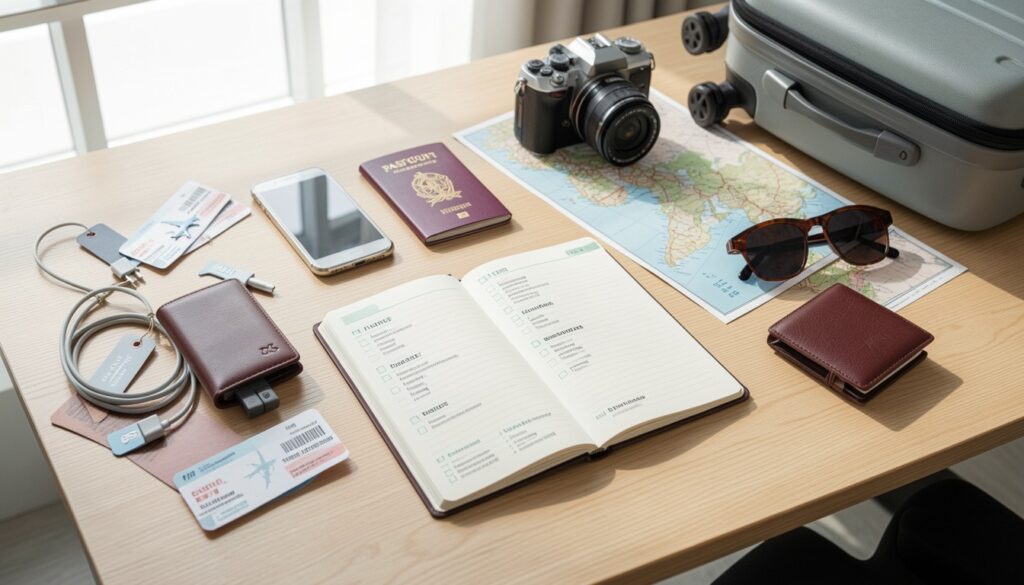
4–8 Weeks Before Travel
- Choose destination
- Set total budget
- Check travel dates
- Research weather
- Review entry requirements
- Check health information
- Book major transportation
- Reserve accommodation
- Research major attractions
1–2 Weeks Before Travel
- Confirm reservations
- Create itinerary
- Download maps
- Check transportation
- Prepare documents
- Organize payment methods
- Start packing
- Prepare appropriate travel essentials
24–48 Hours Before Departure
- Check flight or transportation status
- Review weather
- Charge devices
- Download tickets
- Confirm hotel
- Check luggage
- Secure important documents
- Share itinerary with someone you trust
During the Trip
- Keep important items secure
- Stay hydrated
- Follow local rules
- Monitor weather
- Keep emergency contacts available
- Leave time for rest
- Enjoy the destination without rushing
Travel Planning by Traveler Type
Best Travel Approach for Families
Families usually benefit from shorter daily schedules, convenient accommodations and activities that work for different ages.
Build in snack breaks, rest periods and flexible time.
Best Approach for Solo Travelers
Solo travelers often have greater flexibility. Focus on safe transportation, convenient accommodation and activities that genuinely interest you.
Best Approach for Couples
Mix major experiences with relaxed moments. A trip does not need to be packed with sightseeing to be memorable.
Best Approach for Budget Travelers
Focus on total value rather than the lowest possible price.
A slightly more expensive hotel in a convenient location may save money on transportation.
Best Approach for Road Trippers
Avoid turning every day into a marathon driving session. Scenic stops, local restaurants and unexpected viewpoints can become some of the best parts of the trip.
How to Make Travel More Memorable

The most memorable travel experiences are not always the most expensive.
Try:
- Eating at a local restaurant
- Exploring a neighborhood on foot
- Visiting a small museum
- Watching a sunset
- Taking a scenic route
- Learning a few local phrases
- Talking respectfully with locals
- Visiting outside peak hours
- Keeping a simple travel journal
- Taking photographs without spending the entire trip behind a screen
Give yourself time to notice the destination.
Frequently Asked Questions
What is the best way to plan a trip?
Start with your destination, dates and budget. Then book major transportation and accommodations before building a flexible daily itinerary.
How far in advance should I plan travel?
There is no single perfect timeline. Popular destinations, major holidays and limited-availability experiences often require earlier planning, while simpler domestic trips may be easier to arrange closer to departure.
How can I make travel cheaper?
Compare transportation, travel during less busy periods, choose accommodations carefully, use public transportation where practical and set a daily spending limit.
What should I pack for travel?
Pack identification and required documents, appropriate clothing, comfortable shoes, electronics and chargers, toiletries, necessary medications and destination-specific essentials.
Is travel insurance worth it?
It can be valuable for trips with significant prepaid costs or international medical concerns. Review exactly what a policy covers, including exclusions and emergency assistance.
How can I avoid travel stress?
Do not overpack your itinerary. Leave buffer time between major activities, confirm reservations and keep backup options for important plans.
What should I do if my travel plans change?
Check your transportation and accommodation policies, contact providers as soon as possible and prioritize the most important parts of your itinerary.
How can I travel responsibly?
Respect local communities, follow environmental rules, support local businesses and learn basic customs before visiting.
Should I plan every minute of a vacation?
No. A flexible itinerary is usually better than an overloaded schedule. Plan your priorities and leave room for rest and unexpected discoveries.
What makes a successful trip?
A successful trip balances preparation and flexibility. Know your budget, documents, transportation and important reservations, but give yourself freedom to enjoy the destination.
Conclusion
Travel is more than simply visiting a new destination—it is an opportunity to discover new places, experience different cultures, try new activities, and create lasting memories. With smart planning, a realistic budget, the right packing strategy, and a flexible itinerary, you can make your trip smoother and more enjoyable.
Whether you are planning a family vacation, solo adventure, road trip, beach getaway, or international journey, focus on what matters most to you. Research important details before leaving, keep essential documents and emergency information organized, and always leave some room for unexpected experiences.
The best travel experiences do not always come from expensive hotels or packed schedules. Sometimes, a local meal, scenic viewpoint, quiet neighborhood, or spontaneous adventure becomes the highlight of the entire trip. Start planning your next journey today, travel smart, stay curious, and make every trip count.