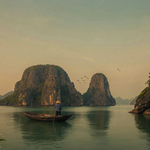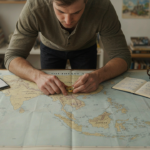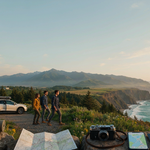
Planning a trip around Southeast Asia can feel exciting and overwhelming at the same time. Thailand, Vietnam, Cambodia, Laos, Malaysia, Indonesia, and other destinations offer beaches, cities, temples, food, mountains, islands, and cultural experiences. The challenge is deciding where to go, how long to stay, and how to move between places without turning your vacation into a race.
That is where Travelfish.org can be useful. The website has focused on independent travel in Southeast Asia since 2004 and describes itself as an independent travel guide that researches the region through first-hand travel. Its coverage includes destination information, travel planning, transportation, food, safety, itineraries, and practical advice.
For travelers from the United States, Travelfish.org can be especially helpful when you want more than a list of famous attractions. Its approach focuses on how a trip actually works on the ground. This guide explains what Travelfish.org offers, which travelers can benefit from it, how to use its resources, and what to check before booking your 2026 Southeast Asia adventure.
Quick Answer
Travelfish.org is an independent Southeast Asia travel guide focused on practical information for independent travelers. It covers destinations and travel-planning topics across countries including Thailand, Laos, Cambodia, Vietnam, Malaysia, and Indonesia.
The site can help with:
- Southeast Asia destination research
- Regional itinerary planning
- Transportation planning
- Weather considerations
- Beaches and islands
- Food and local experiences
- Travel safety
- Budget planning
- Cultural etiquette
- Country and city guides
- Independent travel advice
- Trip-planning checklists
A major strength is its focus on how to travel, rather than simply telling you what attractions to visit.
Best for: Independent travelers, backpackers, first-time Southeast Asia visitors, slow travelers, and travelers who want practical regional planning information.
Why Travelfish.org Matters for Southeast Asia Travel
Travelfish.org has a different feel from a typical destination marketing website. Instead of presenting Southeast Asia as one simple vacation destination, it breaks the region into countries, cities, islands, routes, transportation options, and travel styles.
The website says it has been researching independent travel in Southeast Asia since 2004 and emphasizes that it pays its own way while researching.
That independent-travel perspective can be valuable because Southeast Asia is not one uniform destination.
Thailand may be relatively easy for a first-time visitor to navigate. Laos can require more patience with transportation. Indonesia is an enormous archipelago with very different travel experiences. Malaysia offers a mixture of cities, beaches, food, rainforest, and cultural destinations.
Travelfish.org recognizes these differences and provides planning advice accordingly.
What Makes Its Approach Different?
Instead of only asking:
“What should I see?”
Travelfish encourages travelers to think about questions such as:
- How long should I stay?
- What destinations work well together?
- Should I travel overland or fly?
- What is the weather like?
- How much travel time should I allow?
- What type of traveler am I?
- How much planning is actually necessary?
- Can I slow down and enjoy fewer destinations?
Its regional itinerary advice specifically warns travelers against trying to see too much because distances in Southeast Asia can be deceptive.
Best Ways to Use Travelfish.org for Trip Planning
The biggest mistake travelers make with travel websites is browsing randomly. A better approach is to use a website as a planning system.
Travelfish.org has several categories that can help you move from inspiration to an actual itinerary. Its travel-planning section covers topics ranging from deciding where to go and how long to stay to weather, transportation, safety, food, money, documents, and packing.
Start With the Region
First, decide which part of Southeast Asia interests you.
For example:
First Southeast Asia trip: Thailand + Laos or Thailand + Cambodia
Food and culture: Vietnam + Thailand
Beaches and islands: Thailand + Malaysia or Indonesia
City and food trip: Singapore + Malaysia
Long backpacking trip: Thailand + Laos + Cambodia + Vietnam
Do not automatically choose five or six countries because they look close together on a map.
Decide How Much Time You Have
Your available time should control your itinerary.
A seven-day trip requires a different strategy from a one-month adventure.
For a short vacation, choose one country or one compact region. For a longer trip, you can add multiple countries.
Travelfish’s itinerary guidance repeatedly emphasizes the importance of pacing yourself rather than trying to collect destinations.
Research Transportation
Look at how destinations connect before booking hotels.
A destination might appear close on a map but still require a long combination of bus, train, ferry, or flight connections.
Research:
- Flights
- Trains
- Buses
- Ferries
- Local transportation
- Border crossings
- Transfer times
Check the Weather
Southeast Asia has several climate patterns, and weather varies considerably between countries and regions.
Travelfish advises travelers to consider weather when ordering a regional itinerary because changing the sequence of destinations can sometimes reduce the number of wet days.
However, do not treat weather as a guarantee. Always check current official forecasts before departure.
Southeast Asia Destinations Covered by Travelfish.org
Travelfish.org provides extensive information for several major Southeast Asian destinations.
Its current country resources include Thailand, Cambodia, Indonesia, Malaysia, Vietnam, Laos, and Myanmar/Burma-related material, although travelers should always check current government advisories before visiting any destination.
Thailand
Thailand is one of the easiest starting points for many first-time Southeast Asia travelers.
You can combine:
- Bangkok
- Chiang Mai
- Northern Thailand
- Southern Thailand
- Islands
- Beaches
- Food experiences
- Cultural attractions
Travelfish describes Thailand as a popular first introduction to Southeast Asia, with extensive tourist infrastructure and relatively easy transportation.
Cambodia
Cambodia is more than Angkor Wat.
A trip can include:
- Siem Reap
- Angkor archaeological sites
- Phnom Penh
- Cambodian islands
- Rural areas
- Food experiences
- Historical sites
Travelfish notes that Cambodia has expanded beyond its traditional tourist routes, while many less-visited areas remain available to travelers looking beyond the major highlights.
Vietnam
Vietnam works well for travelers interested in food, history, cities, landscapes, and long-distance travel.
Possible stops include:
- Hanoi
- Ha Long Bay
- Central Vietnam
- Hoi An
- Ho Chi Minh City
- Mekong Delta
- Northern mountain areas
Laos
Laos can appeal to travelers who want a slower pace and fewer major-city crowds.
Possible experiences include:
- Luang Prabang
- Vientiane
- Mekong River travel
- Mountain landscapes
- Local markets
- Temples
- Rural communities
Malaysia
Malaysia offers a particularly broad mix of experiences.
Travelfish highlights its combination of jungle, beaches, snorkeling and diving, food, and cultural heritage.
Popular planning options include:
- Kuala Lumpur
- Penang
- Melaka
- Sabah
- Sarawak
- Taman Negara
- Malaysian islands
Indonesia
Indonesia is far larger than Bali.
Travelfish describes Indonesia as a huge archipelago with opportunities for independent and luxury travelers alike, while noting that much of the country remains less explored than Bali.
Depending on your interests, you could research:
- Bali
- Java
- Lombok
- Sumatra
- Flores
- Sulawesi
- Indonesian islands
Travelfish.org for Southeast Asia Itinerary Planning
One of the most useful reasons to use Travelfish.org is itinerary research.
Its regional itinerary guidance explains that travelers should avoid assuming Southeast Asia is easy to cross quickly simply because the countries appear close together on a map.
Example 7-Day Itinerary
For a first-time traveler with only one week:
Option A: Thailand
- Days 1–3: Bangkok
- Days 4–6: Chiang Mai
- Day 7: Departure
Option B: Singapore + Malaysia
- Days 1–2: Singapore
- Days 3–5: Kuala Lumpur
- Days 6–7: Penang
Example 14-Day Itinerary
Thailand + Cambodia
- Days 1–4: Bangkok
- Days 5–7: Chiang Mai
- Days 8–10: Siem Reap
- Days 11–13: Phnom Penh
- Day 14: Departure
Example 21-Day Itinerary
Vietnam
- Hanoi
- Northern Vietnam
- Central Vietnam
- Hoi An
- Ho Chi Minh City
- Mekong Delta
The exact route should depend on transportation, weather, budget, and personal interests.
A Useful Planning Rule
Do not measure a trip only by the number of destinations.
Measure it by the quality of time you have in each destination.
Travelfish’s planning advice makes a similar point: fewer places with more time can be better than constantly moving.
Travelfish.org for Beaches, Islands, Food and Local Experiences
Southeast Asia is famous for beaches and islands, but choosing the right one depends on what you actually want to do.
Travelfish’s beach and island planning resource compares destinations according to factors such as diving, surfing, relaxation, resort atmosphere, and more remote island experiences.
For Beach Lovers
Consider:
- Thailand’s islands
- Malaysian islands
- Indonesian beaches
- Cambodia’s islands
For Food Travelers
Research:
- Thai street food
- Vietnamese regional cuisine
- Malaysian hawker food
- Indonesian dishes
- Cambodian cuisine
- Local markets
For Culture Lovers
Look for:
- Temples
- Historic neighborhoods
- Museums
- Traditional markets
- Religious sites
- Local festivals
- Historic architecture
For Nature Lovers
Consider:
- Rainforests
- Mountains
- Waterfalls
- Islands
- National parks
- Diving destinations
- Wildlife areas
Why Local Experiences Matter
A good Southeast Asia itinerary should not consist only of famous attractions.
Leave room for:
- Walking through local neighborhoods
- Visiting markets
- Trying regional food
- Using local transportation
- Talking respectfully with residents
- Exploring smaller towns
- Spending an extra night somewhere you enjoy
These experiences often become the most memorable parts of a trip.
Travelfish.org Travel Tips for U.S. Travelers

Travelers from the United States should think about several practical issues before leaving home.
Documents
Check:
- Passport validity
- Visa requirements
- Entry rules
- Proof of onward travel if applicable
- Travel insurance
- Copies of important documents
Entry requirements can change, so verify them through the relevant government or embassy before departure.
Money
Do not assume you can travel completely cashless.
Travelfish’s September 2026 cashless-travel guidance recommends keeping some local currency available even as card and mobile-payment use becomes easier across the region.
A sensible setup is:
- One main payment card
- A backup card stored separately
- Some local currency
- Mobile payment where available
- A secure way to carry important documents
Transportation
Research transportation before assuming a journey is short.
Depending on the country, you may use:
- Domestic flights
- Trains
- Buses
- Ferries
- Taxis
- Ride-hailing services
- Local public transportation
Cultural Awareness
Learn basic local customs before arriving.
Pay attention to:
- Clothing expectations at religious sites
- Photography rules
- Appropriate behavior in temples
- Local greetings
- Food customs
- Religious traditions
- Environmental responsibilities
Health and Safety
Check current health advice from official U.S. government and public-health sources before traveling.
Consider:
- Travel insurance
- Necessary vaccinations
- Prescription medication planning
- Mosquito protection
- Hydration
- Food and water precautions
- Emergency contacts
Pros and Cons of Using Travelfish.org
| Pros | Cons |
| Strong focus on independent travel | Not designed as a complete booking platform |
| Extensive Southeast Asia coverage | Travelers still need official sources for entry rules |
| Practical planning advice | Some information may require checking for latest changes |
| Useful regional itineraries | Beginners may need time to explore the site’s depth |
| Destination-specific research | Coverage does not include every Southeast Asian country |
| Focus on transportation and logistics | Not every traveler wants independent travel |
| Useful travel-planning philosophy | Accommodation and booking research may require other platforms |
Travelfish itself notes that it does not cover every country in Southeast Asia; for example, its regional overview says it does not currently cover the Philippines and Brunei in the same way as its core destinations.
Expert Tips for Getting More From Travelfish.org
Start With Your Travel Style
Before choosing a country, ask what type of traveler you are.
Do you want:
- Beaches?
- Food?
- History?
- Hiking?
- Night markets?
- Wildlife?
- Cities?
- Quiet villages?
Your answer should influence the destination.
Use the Site Before Booking
Research destinations first.
Then compare:
Route
Travel time
Weather
Budget
Accommodation
Activities
Entry requirements
Don’t Overplan
Travelfish’s own planning philosophy repeatedly encourages travelers to avoid overly aggressive itineraries. Its advice suggests allowing time for rest and unexpected changes.
Build Flexibility Into Your Schedule
Leave some empty space.
A flexible itinerary allows you to:
- Stay longer in a great destination
- Handle transportation delays
- Rest after long journeys
- Change plans because of weather
- Follow local recommendations
Use Current Official Sources for Rules
Travel guides are excellent for context, but official sources should be your final check for:
- Visas
- Entry requirements
- Health rules
- Safety advisories
- Border conditions
- Transportation disruptions
Common Travelfish.org Travel Planning Mistakes

Even excellent travel resources cannot prevent every planning mistake.
Trying to Visit Too Many Countries
A two-week vacation does not need six countries.
Choose fewer destinations and enjoy them properly.
Ignoring Travel Days
A travel day is still part of your vacation.
Do not schedule five major attractions immediately after a long international or regional journey.
Assuming Map Distance Equals Travel Time
A destination that looks close may require several transportation connections.
Ignoring Seasonal Weather
Research weather before finalizing an island or outdoor-heavy itinerary.
Travelfish notes that Southeast Asia’s climate varies significantly and that itinerary order can affect weather exposure.
Treating Old Information as Current
Transportation schedules, prices, entry requirements, and local conditions change.
Always confirm important details before departure.
Booking Everything in Advance
Some trips benefit from advance reservations, while others are better with flexibility.
Your travel style should determine how much you pre-book.
Staying Only in Tourist Areas
Popular destinations are popular for a reason, but exploring beyond the obvious can make a trip more rewarding.
Travelfish.org Southeast Asia Travel Checklist
Use this checklist before your trip.
Before Booking
- Choose your main destination
- Check the best travel season
- Research entry requirements
- Estimate your total budget
- Compare transportation options
- Decide how many destinations are realistic
Before Departure
- Check passport validity
- Confirm visas or entry permissions
- Buy appropriate travel insurance
- Check official travel advisories
- Review health recommendations
- Save emergency contacts
- Download important travel documents
- Prepare payment cards and backup funds
- Install useful travel apps
- Make copies of important documents
During the Trip
- Respect local customs
- Keep important documents secure
- Monitor weather
- Stay flexible
- Allow rest days
- Use reputable transportation
- Keep some local cash
- Try local food responsibly
- Reduce plastic and waste
- Support local businesses
Is Travelfish.org Good for First-Time Southeast Asia Travelers?
Yes, Travelfish.org can be useful for first-time Southeast Asia travelers, especially those who want to understand how independent travel works rather than simply follow a packaged tour.
Its planning resources cover the major decisions travelers face, including choosing destinations, deciding how long to travel, transportation, weather, safety, food, money, documents, and packing.
However, first-time travelers should not use one website as their only source.
A better strategy is:
Travelfish.org → destination research
Official government sources → entry and safety requirements
Airlines/transport providers → current schedules
Accommodation platforms → current availability
Maps → actual distances and travel times
This creates a stronger research process.
Suggested Internal Linking Opportunities for a Travel Website
If you publish this article on a travel website, consider adding contextual internal links to related content such as:
Southeast Asia Travel Guide
Best Southeast Asia Destinations
Thailand Travel Guide
Vietnam Travel Guide
Cambodia Travel Guide
Malaysia Travel Guide
Indonesia Travel Guide
Best Southeast Asia Beaches
Southeast Asia Backpacking Guide
Southeast Asia Packing Checklist
Best Time to Visit Southeast Asia
Southeast Asia Travel Safety Guide
Thailand Itinerary
Vietnam Itinerary
Cambodia Itinerary
Southeast Asia Budget Travel Guide
Best Southeast Asia Islands
Southeast Asia Food Guide
Travel Insurance Guide
International Travel Checklist for U.S. Travelers
Use descriptive anchor text rather than repeatedly linking the exact focus keyword.
Suggested External Authority Sources
For a trustworthy article, consider referencing these types of authoritative sources when appropriate:
- U.S. Department of State — country travel advisories and entry-related information
- CDC — travel health information
- Official immigration websites for individual Southeast Asian countries
- Official tourism boards
- IATA — airline and travel-document information
- World Health Organization — international health information
- Official national park and heritage authorities
- Local transportation authorities
- Official embassy websites
For destination inspiration and independent-travel research, Travelfish.org itself is the primary source discussed in this article. Its current website provides regional itineraries, country guides, travel-planning information, weather guidance, and practical advice.
Frequently Asked Questions
What is Travelfish.org?
Travelfish.org is an independent travel guide focused on Southeast Asia. It provides destination information, regional itineraries, transportation advice, travel planning resources, and practical tips for independent travelers.
Is Travelfish.org useful for Americans?
Yes. U.S. travelers can use it to research Southeast Asian destinations, routes, transportation, weather, food, cultural experiences, and independent travel strategies. Americans should still verify visas, entry rules, and official travel advisories through government sources.
Which countries does Travelfish.org cover?
Its core coverage includes Southeast Asian destinations such as Thailand, Cambodia, Laos, Vietnam, Malaysia, Indonesia, and Myanmar/Burma-related resources. The site states that it does not currently provide the same coverage for every Southeast Asian country, including the Philippines and Brunei.
Is Travelfish.org free?
Much of the site’s travel information is publicly accessible online. Travelers should check the current website for the availability and terms of specific resources or services.
Is Travelfish.org good for backpackers?
Yes. Its independent-travel focus makes it particularly relevant to backpackers and travelers who want to plan routes, compare destinations, use local transportation, and travel at a flexible pace.
Can Travelfish.org help plan a Southeast Asia itinerary?
Yes. It has regional and country-specific itinerary resources designed to help travelers decide where to go, how long to stay, and how destinations can fit together.
Does Travelfish.org cover beaches and islands?
Yes. Its Southeast Asia travel-planning resources include information about beaches and islands, with attention to different travel styles such as diving, surfing, relaxing, and more remote island experiences.
Can Travelfish.org replace official government travel information?
No. It is best used as a travel-planning and destination research resource. Official government sources should be used for current visa requirements, entry rules, safety advisories, and other official regulations.
Does Travelfish.org provide transportation advice?
Yes. Transportation is one of the planning areas covered by the site, including information and advice about getting around Southeast Asia.
What is the best way to use Travelfish.org?
Start with your travel style and available time. Research possible destinations, compare routes, check weather, estimate transportation time, and then verify current official requirements before booking.
Conclusion
Travelfish.org is a valuable research tool for travelers who want to explore Southeast Asia independently and thoughtfully. Its strength is not simply the number of destinations it discusses, but the practical way it approaches travel planning—from deciding where to go and how long to stay to understanding transportation, weather, food, money, culture, and safety.
For U.S. travelers planning a 2026 adventure, the smartest approach is to combine Travelfish.org’s destination and itinerary research with current information from official government, immigration, health, airline, and transportation sources. Most importantly, resist the temptation to squeeze too many countries into one trip. Southeast Asia rewards travelers who slow down, stay curious, and leave room for unexpected experiences.
Start with one region, build a realistic route, research the practical details, and then give yourself enough time to actually enjoy the journey. Use Travelfish.org as part of your research process, then turn that research into a Southeast Asia trip that fits your own travel style.
Read More:TTI10 Birthday Giveaways: Ultimate 2026 Guide to Travel Prizes & How to Enter