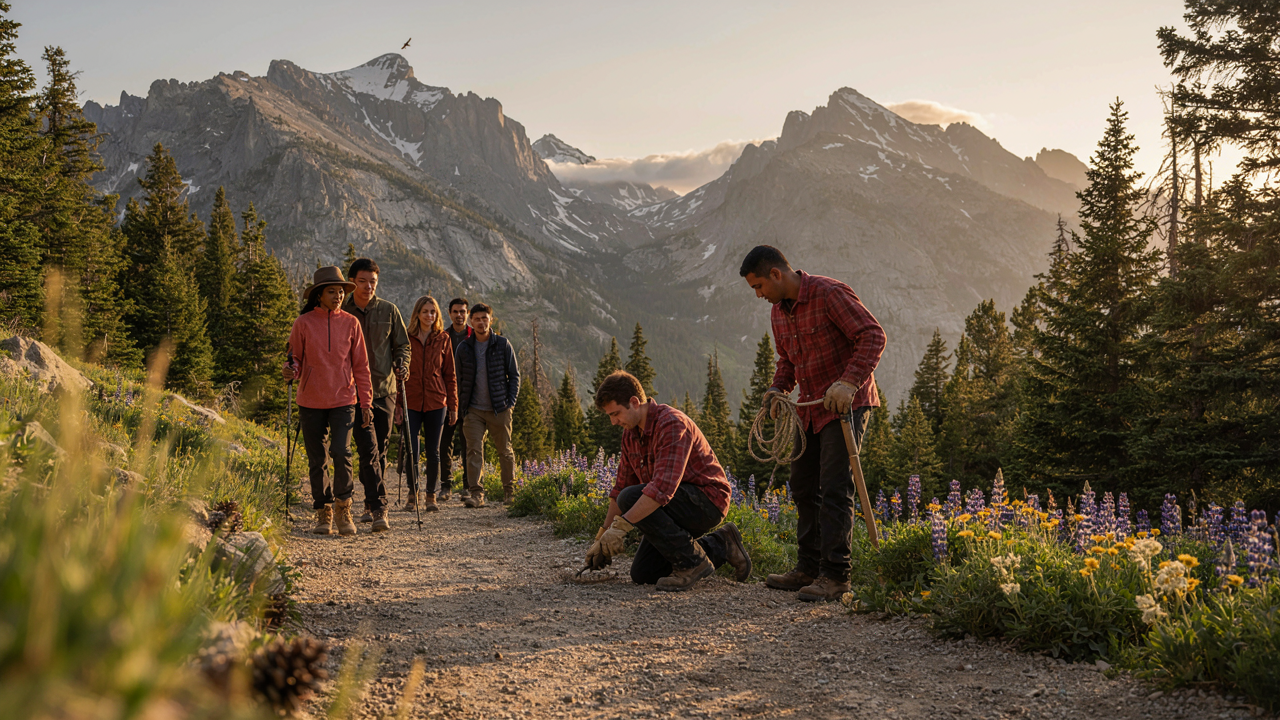
Hiking is one of the easiest ways to experience America’s public lands. A short local walk can introduce you to a nearby forest, while a multi-day trek can take you through mountains, deserts, coastlines, and national forests. But every enjoyable hiking experience depends on something many visitors rarely think about: well-maintained trails and protected natural areas.
That is where the American Hiking Society plays an important role. For decades, the organization has brought hikers and conservation supporters together to improve America’s trail network and give people a stronger voice in outdoor recreation policy.
Whether you’re a beginner looking for ways to support local trails, an experienced backpacker interested in volunteer trail work, or a traveler planning adventures around America’s public lands, understanding AHS can help you become a more responsible and informed trail user.
Quick Answer
The American Hiking Society (AHS) is a national nonprofit organization focused on protecting America’s foot trails, supporting trail stewardship, encouraging hiking, and advocating for public lands. Founded in 1976, the organization works with hikers, volunteers, trail groups, government agencies, and conservation partners across the United States.
The organization is especially known for programs such as National Trails Day®, Volunteer Vacations, hiking advocacy, and Hike the Hill®. Its work combines outdoor recreation with trail conservation, volunteer service, and public-land advocacy.
For hikers, the biggest takeaway is simple: the American Hiking Society is not just about finding a trail. It also helps build, maintain, protect, and advocate for the trails people use.
What Is the American Hiking Society?
The American Hiking Society is a national nonprofit organization established in 1976 to represent and support the hiking community. Its work centers on foot trails, public lands, conservation, volunteer stewardship, and the hiking experience.
Rather than operating as a single trail system, AHS works as an organization that connects people and groups interested in hiking and trail conservation.
Its activities include:
- Trail advocacy
- Volunteer trail maintenance
- Public-land conservation
- National Trails Day®
- Volunteer Vacations
- College Alternative Break projects
- Hiking-community engagement
- Trail funding advocacy
- Partnerships with government agencies and nonprofit organizations
AHS also works with organizations such as the National Park Service, Bureau of Land Management, U.S. Forest Service, state parks, trail organizations, and other partners through its stewardship programs.
Why Does the American Hiking Society Matter?
A trail can look simple from a visitor’s perspective, but keeping it safe and sustainable can require substantial planning and labor.
Trail organizations may need to:
- Repair damaged trail surfaces
- Clear vegetation
- Improve drainage
- Maintain bridges and structures
- Reduce erosion
- Protect sensitive areas
- Improve access
- Educate visitors
- Secure funding
AHS helps bring volunteers, advocacy, and partnerships into this larger conservation effort.
A Brief History of the American Hiking Society
The history of the American Hiking Society is closely connected to the growth of America’s modern trail and conservation movement.
AHS was formally incorporated on October 13, 1976, as a 501(c)(3) organization. Its early purpose was to give the national hiking community a stronger voice and promote the protection of foot trails.
The organization later developed programs and partnerships that expanded its role beyond advocacy.
Important Milestones
| Year | Milestone |
| 1974 | An early Volunteer Vacation project took place in Colorado. |
| 1976 | American Hiking Society was incorporated. |
| 1978 | Volunteer Vacations became an official AHS program. |
| 1980–81 | AHS launched HikaNation, a coast-to-coast hiking effort. |
| 1983 | AHS helped lead efforts connected with amendments to the National Trails Act. |
| 1989 | AHS and Backpacker magazine founded the American Discovery Trail initiative. |
| 1992 | AHS helped bring together organizations that contributed to the formation of the Partnership for the National Trails System. |
| 1993 | AHS established National Trails Day®. |
| 1997 | AHS created Hike the Hill®. |
These milestones demonstrate how the organization evolved from national hiking advocacy into a broader network involving stewardship, education, partnerships, and public-land policy.
7 Major Ways the American Hiking Society Supports Trails

Trail Advocacy
One of the most important roles of the American Hiking Society is advocacy.
Trail advocacy means working to make sure hiking trails and public lands receive attention from policymakers, land managers, and the public.
AHS advocates around issues including:
- Trail funding
- Public-land management
- Conservation
- Access to trails
- Outdoor recreation
- Long-term trail protection
Its advocacy efforts give individual hikers an opportunity to participate in larger conversations about the future of America’s trails.
Why Trail Advocacy Matters
Many trail improvements depend on funding and public policy. Even the most popular hiking destination needs long-term planning and resources.
A well-funded trail system can better support:
- Maintenance
- Visitor safety
- Conservation
- Accessibility
- Recreation
- Local tourism
For this reason, hiking advocacy is an important part of responsible outdoor participation.
Volunteer Vacations
One of AHS’s most distinctive programs is Volunteer Vacations.
These trips allow participants to travel to different parts of the country while helping build or maintain trails. Projects can take place in locations ranging from Alaska to the U.S. Virgin Islands.
Volunteer Vacations can involve:
- Trail construction
- Trail maintenance
- Clearing vegetation
- Repairing trail tread
- Backpacking
- Day hiking
- Camping
- Working with local land managers
AHS says crews generally consist of 6–15 volunteers accompanied by a crew leader, although project details can vary.
Are Volunteer Vacations Good for Beginners?
You do not necessarily need previous trail-maintenance experience. Projects are rated according to difficulty, and participants should carefully read each project description before choosing a trip.
AHS notes that projects can involve 6–8 hours of physical labor per day, so participants should honestly assess whether a project matches their abilities and experience.
For younger travelers or students, always check current eligibility rules and participate with appropriate adult or program supervision where required.
National Trails Day®
National Trails Day® is one of the most recognizable American Hiking Society initiatives.
The annual event brings people together for trail service, outdoor recreation, advocacy, cleanups, and education. AHS established National Trails Day® in 1993.
In 2026, National Trails Day® took place on June 6, marking its 34th annual celebration. AHS encouraged people across the country to participate in activities that connected communities with trails.
What Can You Do on National Trails Day?
Depending on your local area, activities may include:
- Joining a trail cleanup
- Participating in a volunteer project
- Hiking with a local group
- Learning about trail conservation
- Supporting a trail organization
- Organizing an outdoor community event
AHS also offered a 2026 micro-grant program designed to help communities create more inclusive National Trails Day experiences.
Hike the Hill®
Hike the Hill® is an advocacy event organized with the Partnership for the National Trails System.
The program brings members of the trails community together to discuss priorities with congressional and federal agency leaders. Topics include trail funding, public-land management, conservation, and other trail-related policy issues.
The 2026 in-person event was scheduled for March 1–5 in Washington, D.C., alongside virtual issue briefings.
For travelers who want to understand how hiking policy works beyond the trailhead, Hike the Hill® provides an example of how outdoor recreation can connect directly with public policy.
Partnerships With Trail Organizations

America’s trail network is too large and diverse for one organization to manage alone.
AHS therefore works with government agencies, nonprofits, trail organizations, land managers, and community groups.
Its Volunteer Vacations program, for example, can involve partners such as:
- Bureau of Land Management
- National Park Service
- U.S. Forest Service
- U.S. Fish and Wildlife Service
- State parks
- Trail organizations
- Other nonprofit partners
These partnerships allow volunteers to work on projects where their labor can have a practical conservation benefit.
Student and Alternative Break Opportunities
AHS also provides trail stewardship opportunities designed for college groups through its College Alternative Break program.
These experiences can combine travel, outdoor recreation, teamwork, and conservation service.
For students interested in environmental careers, recreation management, public lands, or conservation, a trail-service experience can provide a useful look at how outdoor organizations operate in the real world.
Building a Culture of Trail Stewardship
Perhaps the broadest contribution of the American Hiking Society is encouraging people to think of themselves as trail stewards.
A trail steward does more than simply enjoy a beautiful view.
A responsible trail user also thinks about:
- Protecting vegetation
- Staying on designated routes
- Respecting wildlife
- Carrying out trash
- Following local regulations
- Respecting other visitors
- Supporting trail maintenance
- Helping protect public lands
This approach turns hiking from a passive activity into a more responsible relationship with the outdoors.
American Hiking Society vs. Local Hiking Clubs
AHS is a national organization, while local hiking clubs usually focus on a specific region or community.
| Feature | American Hiking Society | Local Hiking Club |
| Geographic reach | National | Local or regional |
| Main focus | Advocacy, stewardship, trails | Hiking, social activities, local trails |
| Trail advocacy | Strong national role | Often community-focused |
| Volunteer projects | National opportunities | Usually nearby |
| National events | Yes | May participate |
| Local trail knowledge | Varies | Often excellent |
| Best for | National trail supporters | People seeking local hiking connections |
The two can complement each other. You might support AHS nationally while joining a local trail club for weekend hikes.
American Hiking Society Pros and Cons
No organization is perfect for every hiker. Here’s a balanced look at what AHS offers.
| Pros | Cons |
| National focus on hiking and trails | Not a replacement for local trail knowledge |
| Strong trail advocacy | Some programs require registration |
| Volunteer opportunities | Volunteer projects can be physically demanding |
| National Trails Day® | Events vary by location |
| Conservation partnerships | Travel may be necessary for some projects |
| Educational and stewardship opportunities | Some programs have limited availability |
| Supports public-land advocacy | Its work may feel less relevant to hikers seeking only trail recommendations |
Who Benefits Most?
The American Hiking Society may be particularly valuable for people who:
- Care about trail conservation
- Want to volunteer
- Enjoy public lands
- Want to support hiking advocacy
- Are interested in outdoor stewardship
- Want to participate in National Trails Day®
- Want to combine travel with conservation work
How to Get Involved With the American Hiking Society
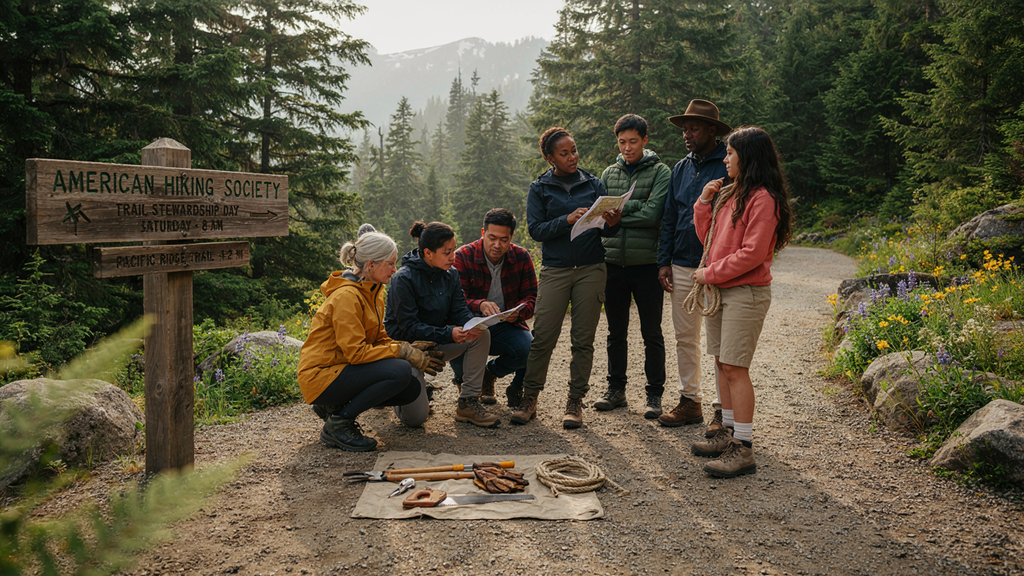
Getting involved doesn’t have to mean taking a week-long volunteer trip.
You can start small.
Learn About Your Local Trails
Find a nearby trail and learn who manages it.
It might be managed by:
- A city
- County
- State park
- National park
- National forest
- Bureau of Land Management
- Local nonprofit
- Trail organization
Understanding who manages your favorite trail is the first step toward becoming a better trail supporter.
Look for Volunteer Opportunities
AHS provides Volunteer Vacation opportunities around the country. Current projects can include weekend and week-long trips.
Choose a project based on:
- Difficulty
- Location
- Duration
- Accommodation
- Transportation needs
- Physical demands
- Your experience
Participate in National Trails Day®
Look for an event near you or consider supporting a local trail project.
National Trails Day® is designed to make trail stewardship accessible to communities across the country.
Support Trail Advocacy
Stay informed about public-land and trail-funding issues.
Even simple actions, such as learning about proposed policies or contacting elected representatives through appropriate civic channels, can help hikers participate in the conservation conversation.
American Hiking Society Volunteer Vacation Checklist
Before joining a volunteer trail project, use this simple checklist.
Planning Checklist
- Read the complete project description
- Check the project difficulty
- Confirm dates
- Understand transportation requirements
- Review accommodation details
- Check what meals are provided
- Pack appropriate hiking clothing
- Bring sufficient water capacity
- Prepare personal medications if applicable
- Follow all safety instructions
- Understand the expected physical workload
- Tell organizers about relevant limitations or needs
- Confirm emergency procedures
- Review weather conditions before departure
AHS explains that Volunteer Vacation projects can vary from primitive campsites to cabins or other accommodations, so reading the individual trip information is essential.
Common Mistakes Hikers Make When Supporting Trail Conservation
Assuming Trails Maintain Themselves
A beautiful trail requires ongoing work. Erosion, storms, vegetation growth, heavy use, and weather can all affect trail conditions.
Choosing a Volunteer Project Without Reading the Difficulty Rating
Trail work is physical. Choosing a project without understanding the workload can lead to an unpleasant experience for you and the crew.
Ignoring Local Rules
Every trail system can have different regulations regarding camping, pets, fires, bicycles, permits, and seasonal access.
Always follow the rules posted by the land manager.
Treating Advocacy as Someone Else’s Job
Trail funding and public-land policy affect everyone who uses trails.
You don’t need to be a policy expert to learn about important issues.
Focusing Only on Famous Trails
Popular destinations receive a lot of attention, but local trails can also need volunteers and community support.
Leaving Trash Behind
Even small amounts of litter can damage the outdoor experience and wildlife habitat.
Ignoring Weather and Trail Conditions
A trail project or hike should always be approached with current conditions in mind.
Expert Tips for Making the Most of the American Hiking Society

Combine Hiking With Service
Instead of viewing outdoor travel only as sightseeing, consider adding a conservation activity to your itinerary.
Start With a Local Project
You don’t need to travel across the country to make a difference.
Look for local trail cleanups, volunteer days, or stewardship events.
Match the Project to Your Abilities
AHS provides project ratings for Volunteer Vacations. Take those ratings seriously and choose an experience appropriate for you.
Ask Who Manages the Trail
Before visiting a trail, identify the responsible land manager. This can help you find official information about closures, permits, weather, and regulations.
Think Long Term
The best trail supporters don’t just care about one hiking trip. They care about whether the trail will still be healthy and enjoyable years from now.
Learn Leave No Trace Principles
Trail stewardship begins with everyday hiking behavior. Staying on trails, respecting wildlife, packing out waste, and avoiding damage to vegetation are simple ways to reduce your impact.
Is the American Hiking Society Worth Supporting?
For people who care about hiking, public lands, and trail conservation, the American Hiking Society offers a valuable national platform.
Its programs cover several parts of the outdoor experience—from volunteer trail maintenance to National Trails Day® and federal trail advocacy. AHS also works with organizations that manage public lands and trails, giving its programs a broader reach than an individual hiking club.
That doesn’t mean every program will be suitable for every person.
If your goal is simply to find a nearby hiking route, a local park agency or trail organization may be more useful. But if you want to understand the bigger picture of America’s trail system and contribute to its future, AHS is worth exploring.
American Hiking Society and the Future of U.S. Trails
The future of hiking depends on more than scenic landscapes.
America needs:
- Well-maintained trails
- Sustainable recreation
- Adequate funding
- Responsible visitors
- Strong conservation partnerships
- Community involvement
- Public support for outdoor recreation
AHS’s current advocacy work continues to focus on trail funding, public-land management, and conservation priorities. In 2026, the organization also highlighted federal trail-funding efforts involving a broad coalition of organizations.
Its Volunteer Vacations program shows another side of the solution: putting people directly to work on trails.
The combination of advocacy and hands-on service is important because trails need both policy support and physical maintenance.
American Hiking Society vs. Other Trail Resources
Hikers often use several organizations and resources rather than relying on one source.
| Resource Type | Best For |
| American Hiking Society | National advocacy and trail stewardship |
| National Park Service | National park information |
| U.S. Forest Service | National forest information |
| Bureau of Land Management | BLM-managed public lands |
| State park agencies | State-specific recreation |
| Local hiking clubs | Local hikes and community |
| Leave No Trace | Responsible outdoor practices |
| Partnership for the National Trails System | National scenic and historic trail network |
The smartest approach is to use AHS for national hiking and stewardship context while checking the official land manager for current trail-specific rules and conditions.
10 Practical Ways to Be a Better Trail Steward

Stay on designated trails.
Follow posted regulations.
Pack out everything you bring in.
Respect wildlife from a safe distance.
Avoid damaging plants.
Keep noise under control.
Share trails respectfully.
Learn basic outdoor ethics.
Participate in local trail-service events.
Support organizations working to protect trails.
These actions may seem small, but millions of visitors making responsible choices can have a meaningful cumulative impact.
Frequently Asked Questions
What does the American Hiking Society do?
The American Hiking Society works to support America’s hiking community through trail advocacy, public-land conservation, volunteer stewardship, partnerships, and programs such as National Trails Day® and Volunteer Vacations.
When was the American Hiking Society founded?
The American Hiking Society was incorporated on October 13, 1976.
What is National Trails Day®?
National Trails Day® is an annual nationwide celebration focused on trails, outdoor recreation, stewardship, advocacy, and community involvement. AHS established the event in 1993.
What are American Hiking Society Volunteer Vacations?
Volunteer Vacations are organized trail-building and maintenance trips where participants work with partner organizations and land managers while spending time outdoors. Trips can range from weekends to longer projects.
Do I need trail-maintenance experience for a Volunteer Vacation?
Prior trail-maintenance experience is not necessarily required. However, projects can involve substantial physical labor, so participants should read the individual project description and difficulty rating carefully before registering.
Does the American Hiking Society manage all U.S. hiking trails?
No. AHS is a national advocacy and stewardship organization rather than the single manager of America’s trails. Many trails are managed by federal agencies, state agencies, local governments, nonprofits, or other land managers.
How can I support the American Hiking Society?
You can explore its volunteer programs, participate in National Trails Day®, follow its advocacy work, support trail stewardship, or get involved with relevant hiking and conservation activities.
What is Hike the Hill®?
Hike the Hill® is an advocacy event that brings the trails community together to discuss trail and public-land priorities with congressional and federal agency leaders.
Is the American Hiking Society only for experienced hikers?
No. The organization supports a broad hiking community. Some volunteer opportunities require significant physical effort, but people can support trail conservation in many other ways.
Why is trail stewardship important?
Trail stewardship helps maintain the quality, sustainability, and accessibility of hiking routes while reducing damage to surrounding natural areas. It also helps ensure that trails remain enjoyable for future visitors.
Conclusion
The American Hiking Society plays an important role in protecting America’s trails, supporting outdoor recreation, and encouraging hikers to become responsible stewards of public lands. Through programs such as trail advocacy, volunteer projects, National Trails Day®, and community partnerships, the organization helps make hiking more sustainable for both current and future generations.
Whether you are a beginner planning your first hike or an experienced outdoor traveler looking for ways to give back, supporting trail conservation can make your adventures more meaningful. Simple actions like following trail rules, respecting wildlife, joining a cleanup, or volunteering on a trail project can have a lasting impact.
If hiking is part of your travel lifestyle, consider learning more about the American Hiking Society and the organizations that protect the trails you enjoy. Explore responsibly, support conservation efforts, and help keep America’s hiking trails beautiful, safe, and accessible for years to come.
Read More:National Parks Traveler: The Ultimate 2026 Guide to Planning Epic U.S. National Park Adventures