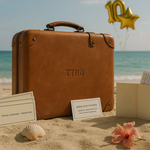
Packing a checked bag seems simple until you arrive at the airport and discover that an item is prohibited, requires special handling, or triggers a TSA inspection. Many travelers focus on carry-on restrictions, but TSA checked baggage rules are just as important for avoiding delays, extra fees, and confiscated items.
Whether you are flying domestically within the United States or preparing for an international trip, understanding what can and cannot go into checked luggage can save time and stress. The rules cover everything from batteries and electronics to food, medications, sporting equipment, and liquids.
In this complete guide, you will learn the latest TSA checked baggage rules for 2026, discover common mistakes travelers make, compare TSA regulations with airline policies, and get practical packing tips that help you move through airport security with confidence.
What Are TSA Checked Baggage Rules?
6
TSA checked baggage rules are the security regulations that govern what passengers may place in luggage that travels in the aircraft’s cargo hold. These rules are enforced by the Transportation Security Administration and apply to flights departing from U.S. airports.
Unlike carry-on baggage, checked luggage allows larger containers of liquids and many items that would otherwise be restricted in the cabin. However, hazardous materials remain prohibited because they can pose a fire, explosion, or safety risk during flight.
The main goals of TSA checked baggage rules are to:
- Prevent dangerous items from entering the aircraft
- Reduce fire risks in the cargo hold
- Protect passengers and crew
- Ensure compliance with federal aviation regulations
- Allow efficient baggage screening and inspection
Important
Remember
TSA rules determine whether an item is permitted from a security standpoint, while airlines determine how much luggage you may check and what fees apply.
TSA vs Airline Checked Baggage Rules

4
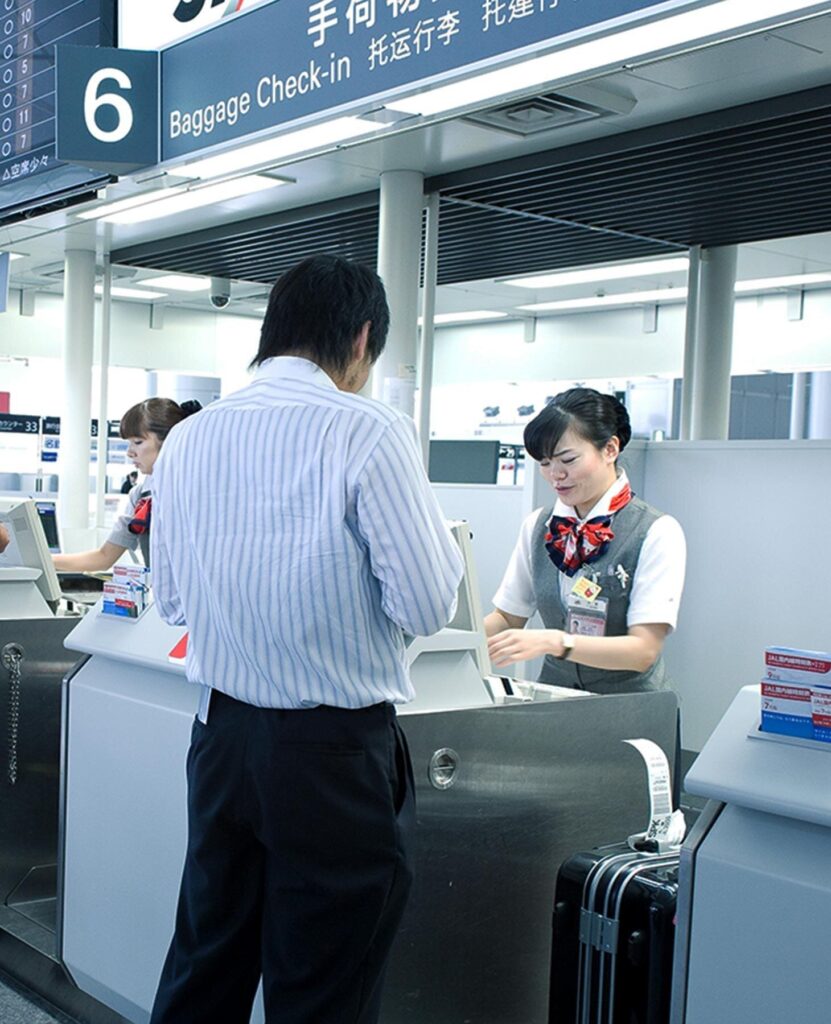
Many travelers assume TSA and airline baggage policies are the same. They are not. TSA focuses on security, while airlines focus on size, weight, and operational limits.
Quick Comparison Table
| Feature | TSA Rules | Airline Rules |
| Security screening | Yes | No |
| Prohibited items | Yes | Sometimes |
| Bag weight limits | No | Yes |
| Bag size limits | No | Yes |
| Checked baggage fees | No | Yes |
| Oversize/overweight charges | No | Yes |
| Hazardous materials restrictions | Yes | Yes |
Typical Airline Limits
| Flight Type | Common Weight Limit |
| U.S. domestic economy | 50 lb (23 kg) |
| International economy | 50 lb (23 kg) |
| Business class | 70 lb (32 kg) |
| First class | 70 lb (32 kg) |
Example
Good to know
A 55-pound suitcase may be allowed by TSA because it contains no prohibited items, but your airline could still charge an overweight baggage fee.
Why This Difference Matters
Understanding both sets of rules helps you avoid two common problems:
TSA
Security issue
A prohibited item is discovered during screening.
Airline
Airline issue
Your bag exceeds the airline’s weight or size allowance.
Before You Check Your Bag
Quick Pre-Check Checklist
Do this
Remove prohibited hazardous materials
Check your airline’s weight limit
Keep medications in your carry-on
Carry valuable electronics with you
Label your suitcase with contact information
Use a TSA-approved lock if you want added security
How TSA Screens Checked Baggage
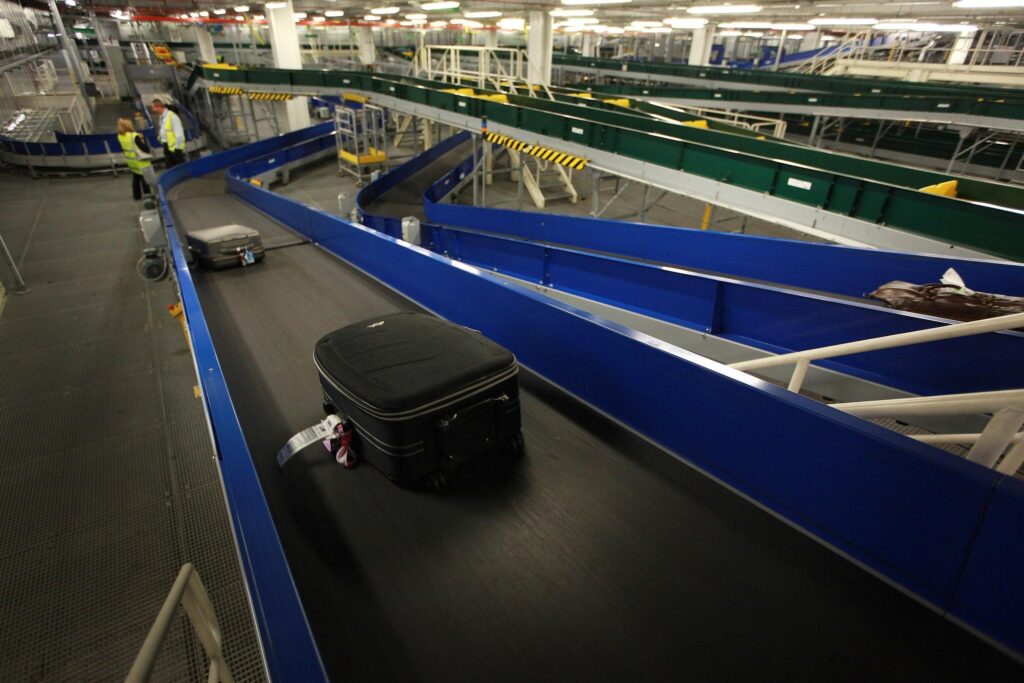
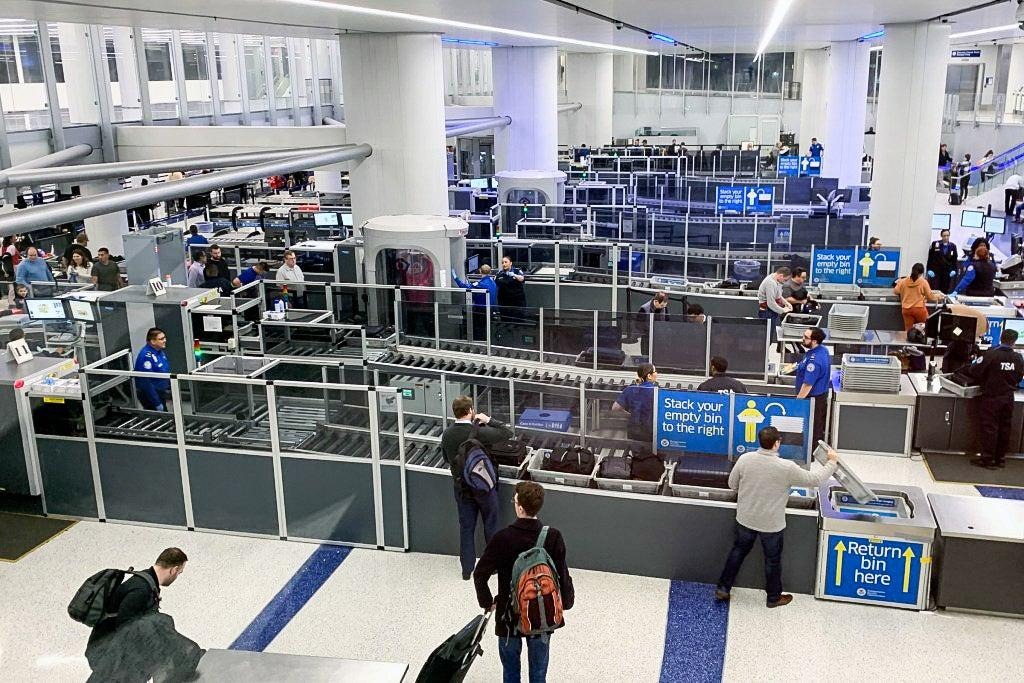
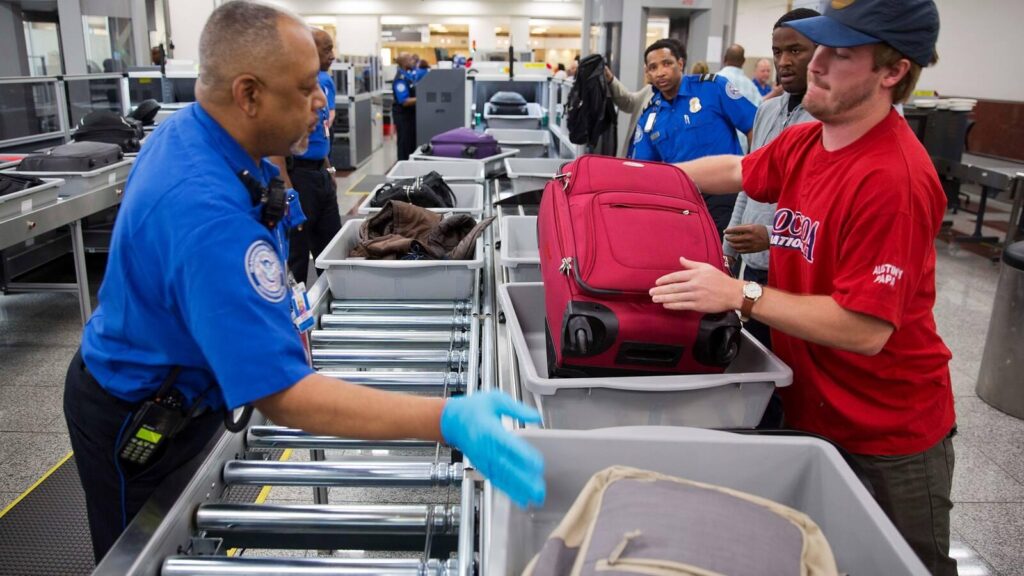
Before your suitcase is loaded onto the aircraft, it goes through several layers of security screening. Every checked bag is screened, but not every bag is opened. TSA uses advanced imaging technology to detect prohibited or dangerous items.
If something unusual appears during screening, TSA officers may inspect your luggage manually. If your bag is opened, you will usually find a notice inside explaining that it was inspected.
What Happens During Screening?
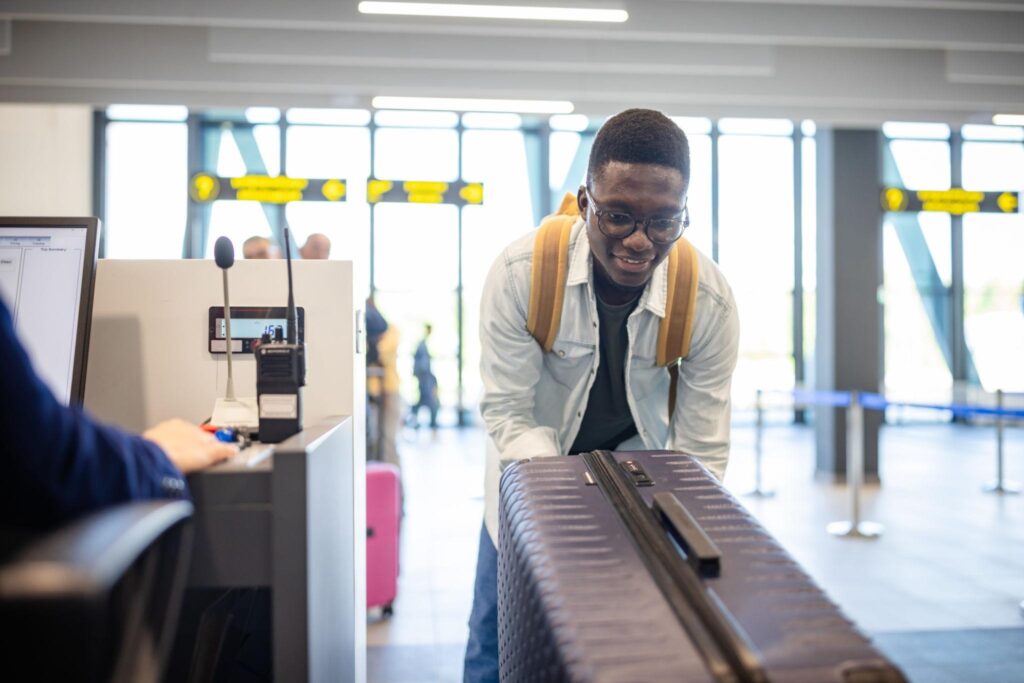
- Your checked bag is tagged by the airline.
- It moves through TSA screening equipment.
- If the bag is clear, it is loaded onto the aircraft.
- If an item requires inspection, TSA officers may open the bag.
- After inspection, the bag is resealed and sent to the aircraft.
Travel Tip: Avoid overpacking your suitcase. A neatly packed bag is easier for TSA officers to inspect if necessary, reducing the chance of delays or damage.
What Can You Pack in Checked Baggage?
One advantage of checked luggage is that many items prohibited in carry-on bags are allowed in the cargo hold.
Common Items Allowed
| Item | Allowed in Checked Bag? | Notes |
| Clothing | ✅ Yes | No restrictions |
| Shoes | ✅ Yes | No restrictions |
| Books | ✅ Yes | Heavy books may increase bag weight |
| Toiletries | ✅ Yes | Full-size containers allowed |
| Shampoo | ✅ Yes | Any size if properly sealed |
| Conditioner | ✅ Yes | Pack securely to prevent leaks |
| Body Wash | ✅ Yes | Recommended to place in leak-proof bags |
| Makeup | ✅ Yes | Powder and liquid makeup allowed |
| Hair Dryer | ✅ Yes | Allowed |
| Curling Iron | ✅ Yes | Electric models allowed |
| Towels | ✅ Yes | No restrictions |
| Blankets | ✅ Yes | Allowed |
| Toys | ✅ Yes | Most toys permitted |
Unlike carry-on baggage, TSA does not apply the 3.4-ounce liquid rule to checked luggage. Larger bottles of shampoo, lotion, sunscreen, and similar items are generally allowed.
Electronics in Checked Baggage
Many travelers place electronics in checked luggage, but this is not always the best idea.
Electronics Generally Allowed
- Laptop
- Desktop computer
- Keyboard
- Mouse
- Monitor
- Printer
- Camera
- Video camera
- Gaming console
- Electric toothbrush
- Hair straightener
- Electric shaver
Although these items are allowed, TSA recommends carrying expensive electronics in your cabin bag whenever possible.
Why?
Checked baggage may experience:
- Rough handling
- Vibration
- Temperature changes
- Theft risk
- Accidental damage
Expert Advice: If your laptop costs $1,500, keep it with you instead of placing it in checked baggage.
Lithium Batteries: One of the Most Important TSA Rules
Lithium batteries are among the most misunderstood items covered by TSA checked baggage rules.
Loose Lithium Batteries
❌ Not Allowed
Examples include:
- Spare phone batteries
- Spare camera batteries
- Power bank batteries
- Rechargeable battery packs
Loose batteries create a fire hazard if they short-circuit during flight.
Installed Lithium Batteries
Many devices containing installed batteries are allowed.
Examples include:
- Smartphones
- Tablets
- Laptops
- Smartwatches
- Cameras
However, very large lithium batteries may have airline-specific restrictions.
Battery Rules at a Glance
| Battery Type | Checked Bag | Carry-On |
| Installed phone battery | ✅ Yes | ✅ Yes |
| Installed laptop battery | ✅ Yes | ✅ Yes |
| Spare lithium battery | ❌ No | ✅ Yes |
| Power bank | ❌ No | ✅ Yes |
| AA alkaline batteries | ✅ Yes | ✅ Yes |
| AAA batteries | ✅ Yes | ✅ Yes |
Food in Checked Baggage
Good news for travelers—you can pack many food items in checked luggage.
Foods Usually Allowed
- Chocolate
- Candy
- Coffee
- Tea
- Pasta
- Rice
- Bread
- Crackers
- Cookies
- Chips
- Cereal
- Nuts
- Dried fruit
- Spices
- Protein bars
If you’re traveling internationally, remember that your destination country may have customs restrictions on agricultural products, meat, dairy, or fresh produce.
Can You Pack Frozen Food?
Yes, provided it stays frozen during travel.
Acceptable cooling methods include:
- Frozen gel packs
- Dry ice (within airline limits)
- Ice packs
Always check your airline’s rules for transporting dry ice.
Liquids in Checked Baggage
Many travelers are surprised that full-size liquid containers are allowed in checked luggage.
Examples
- Shampoo
- Conditioner
- Lotion
- Sunscreen
- Mouthwash
- Body wash
- Perfume
- Laundry detergent
- Liquid soap
Packing Tips
- Tighten bottle caps.
- Place bottles in sealed plastic bags.
- Wrap glass containers with clothing.
- Use leak-proof travel organizers.
Alcohol Rules
Alcohol can be packed in checked baggage, but restrictions apply.
| Alcohol Type | Allowed? |
| Wine | ✅ Usually |
| Beer | ✅ Usually |
| Spirits under airline limits | ✅ Yes |
| Extremely high-proof alcohol | ❌ Often prohibited |
Some airlines impose quantity or alcohol-content limits, so always verify before traveling.
Toiletries You Can Check
Most personal care products are permitted.
Examples
- Toothpaste
- Face wash
- Moisturizer
- Sunscreen
- Deodorant
- Hair gel
- Hair spray
- Makeup remover
- Nail polish remover (subject to hazardous material rules)
Pack liquids upright and use resealable bags to minimize spills.
Medications in Checked Baggage
Prescription and over-the-counter medications are generally allowed in checked luggage.
Examples include:
- Prescription medicine
- Vitamins
- Pain relievers
- Allergy medication
- Cold medicine
- First-aid supplies
Best Practice
Even though medications are allowed in checked baggage, always keep essential medicines in your carry-on. If your checked bag is delayed or lost, you’ll still have access to important prescriptions.
Medical Devices
The following items are typically permitted:
- CPAP machine
- Blood pressure monitor
- Thermometer
- Mobility aids
- Medical braces
Carry documentation for specialized medical equipment if requested by TSA or the airline.
TSA Electronics Rules (2026 Guide): What You Can Bring Through Airport Security Without Problems
Valuable Items: Should You Check Them?
Technically, many valuable items are allowed in checked baggage—but it’s not recommended.
Keep These in Your Carry-On
- Passport
- Wallet
- Credit cards
- Cash
- Jewelry
- Laptop
- Tablet
- Camera
- External hard drives
- Important documents
Losing checked luggage is uncommon, but valuable or irreplaceable items are best kept with you.
Quick Packing Checklist
Before heading to the airport, make sure you have:
- ✅ Removed prohibited hazardous materials
- ✅ Packed liquids in leak-proof bags
- ✅ Placed valuables in your carry-on
- ✅ Moved spare lithium batteries to your carry-on
- ✅ Labeled your suitcase
- ✅ Weighed your bag to meet airline limits
- ✅ Packed medications separately
- ✅ Used a TSA-approved lock if desired
Featured Snippet: What Can You Put in Checked Baggage?
Most clothing, shoes, toiletries, books, full-size liquids, food, and installed electronic devices are allowed in checked baggage. However, spare lithium batteries, fireworks, explosives, and other hazardous materials are prohibited. Always check both TSA security rules and your airline’s baggage policies before your trip.
What Cannot Go in Checked Baggage?
Although checked luggage allows many more items than a carry-on, TSA checked baggage rules still prohibit anything that could create a fire, explosion, or serious safety risk during a flight.
Some prohibited items are banned by TSA, while others are restricted by airlines or federal hazardous materials regulations.
Common Prohibited Items
| Item | Allowed in Checked Bag? | Reason |
| Fireworks | ❌ No | Explosion risk |
| Dynamite | ❌ No | Explosive |
| Gunpowder | ❌ No | Hazardous material |
| Gasoline | ❌ No | Highly flammable |
| Paint thinner | ❌ No | Flammable chemical |
| Propane cylinders | ❌ No | Compressed gas |
| Bleach | ❌ No | Hazardous chemical |
| Loose lithium batteries | ❌ No | Fire risk |
| Fuel for camping stoves | ❌ No | Flammable |
| Torch lighters | ❌ Usually No | Fire hazard |
Firearms and Ammunition
Firearms are one of the most misunderstood areas of TSA checked baggage rules.
Firearms Are Allowed Only If:
- They are unloaded.
- They are packed in a hard-sided locked case.
- The firearm is declared to the airline at check-in.
- Only the passenger retains the key or combination.
- Airline rules are followed.
Ammunition
Ammunition may be transported under specific airline and TSA requirements, including proper packaging and quantity limits. Requirements vary by airline.
Firearm Travel Checklist
- ✅ Unloaded firearm
- ✅ Hard-sided case
- ✅ Locked container
- ✅ Declare at airline counter
- ✅ Follow airline ammunition limits
Sharp Objects
Many sharp objects are acceptable in checked baggage.
Usually Allowed
- Kitchen knives
- Hunting knives
- Scissors
- Sewing needles
- Screwdrivers
- Wrenches
- Hammers
- Axes (properly secured)
Wrap blades carefully to protect baggage handlers and TSA officers.
Sporting Equipment
Sports gear is commonly transported in checked luggage.
Examples
- Baseball bats
- Golf clubs
- Hockey sticks
- Tennis rackets
- Fishing rods (depending on airline)
- Skis
- Snowboards
- Skateboards
- Camping gear
Some oversized equipment may require special handling or additional baggage fees.
Musical Instruments
Small instruments may fit as carry-ons, but larger ones often need to be checked.
Examples include:
- Guitar
- Cello
- Drum kit
- Keyboard
- Amplifier
Use a hard protective case to reduce the risk of damage during transport.
Can You Pack Gifts?
Yes—but avoid wrapping them before your flight.
If TSA needs to inspect a wrapped gift, officers may need to unwrap it, potentially damaging the packaging.
Better options:
- Use gift bags.
- Wrap gifts after arriving.
- Carry wrapping paper separately.
Traveling with Baby Items
Families can check many baby essentials.
Common Baby Items
- Stroller
- Car seat
- Portable crib
- Baby carrier
- Diaper bag (airline rules vary)
- Baby formula
- Baby food
Many airlines allow certain baby items free of charge.
Traveling with Medical Equipment
Passengers with medical needs can check larger medical devices.
Examples include:
- Wheelchair
- Walker
- Oxygen equipment (airline approval may be required)
- CPAP accessories
- Mobility scooters (battery rules apply)
Contact your airline before travel if you’re bringing specialized medical equipment.
Common Mistakes Travelers Make

Avoiding these mistakes can save you time, money, and stress.
1. Packing Spare Lithium Batteries
Power banks and spare rechargeable batteries belong in your carry-on—not your checked suitcase.
2. Forgetting Airline Weight Limits
TSA doesn’t set weight limits, but airlines do. Exceeding the limit can lead to expensive overweight baggage fees.
3. Packing Valuables
Never place passports, cash, jewelry, or expensive electronics in checked luggage if you can avoid it.
4. Ignoring Airline Policies
An item allowed by TSA may still be restricted by your airline due to size, weight, or safety considerations.
5. Packing Liquids Poorly
Even though large liquids are allowed, leaking bottles can ruin clothing and electronics.
Use:
- Zip-top bags
- Leak-proof containers
- Protective packing cubes
6. Locking Bags Incorrectly
Use TSA-compatible locks. If a bag requires inspection, TSA can open these locks without damaging them.
7. Waiting Until Airport Check-In
Research baggage rules before your trip to avoid surprises at the airport.
Expert Packing Tips
Frequent travelers use these strategies to make airport travel easier.
Roll Instead of Fold
Rolling clothes saves space and reduces wrinkles.
Keep Heavy Items at the Bottom
Place heavier items near the wheels of rolling luggage to improve balance and reduce strain.
Use Packing Cubes
Packing cubes:
- Keep clothing organized.
- Make inspections easier.
- Save space.
- Simplify unpacking.
Photograph Your Suitcase
Take pictures of:
- The outside of your bag.
- The contents.
This can help if your luggage is delayed or lost.
Add Identification
Include:
- Name
- Phone number
- Email address
Avoid displaying your home address on the outside of your luggage for privacy reasons.
Weigh Your Bag at Home
A small luggage scale can help you avoid overweight baggage fees at the airport.
Pros and Cons of Checking a Bag
| Pros | Cons |
| Carry larger liquids | Risk of lost luggage |
| Pack more clothing | Possible baggage fees |
| Bring sports equipment | Longer airport wait at baggage claim |
| Fewer carry-on restrictions | Risk of damage during handling |
| More comfortable during flight | Weight limits apply |
Comparison Table: Checked Bag vs Carry-On
| Feature | Checked Bag | Carry-On |
| Large liquids | ✅ Yes | ❌ No |
| Power banks | ❌ No | ✅ Yes |
| Spare lithium batteries | ❌ No | ✅ Yes |
| Large tools | ✅ Usually | ❌ Usually No |
| Valuable electronics | ⚠️ Allowed but not recommended | ✅ Recommended |
| Medicines | ✅ Allowed | ✅ Best kept here |
| Firearms | ✅ Under strict rules | ❌ No |
Real-Life Packing Example
Business Traveler
Sarah is flying from Chicago to Seattle for a conference.
She packs:
Checked Bag
- Business clothing
- Shoes
- Full-size shampoo
- Full-size lotion
- Hair dryer
- Makeup
- Extra jackets
Carry-On
- Laptop
- Phone
- Charger
- Passport
- Prescription medication
- Power bank
- Wallet
By following TSA checked baggage rules, Sarah avoids delays, keeps her valuables safe, and has everything she needs if her checked bag arrives late.
People Also Ask
Can TSA open my checked luggage?
Yes. TSA may inspect any checked bag if additional screening is needed. If your bag is opened, a notice is usually placed inside explaining the inspection.
Are full-size shampoo bottles allowed in checked baggage?
Yes. Unlike carry-on luggage, checked baggage can contain full-size bottles of shampoo, conditioner, and other toiletries, provided they are packed securely.
Can I pack my laptop in checked baggage?
Yes, laptops are allowed in checked luggage. However, it’s strongly recommended to keep them in your carry-on to reduce the risk of theft or damage.
Can I pack food in checked baggage?
Yes. Most packaged foods are allowed, though international destinations may have customs restrictions on certain agricultural products.
Quick Answer
What are TSA checked baggage rules?
2026
The TSA allows many items in checked baggage that are restricted in carry-on bags, including larger liquids, certain tools, and some sporting equipment.
However, you cannot pack:
- Explosives
- Flammable liquids
- Loose lithium batteries
- Fireworks
- Compressed gas cylinders
- Many hazardous chemicals
For most U.S. flights, the safest approach is:
- Keep valuables, medications, passports, and electronics with batteries in your carry-on.
- Place clothing, shoes, toiletries, and non-hazardous items in checked baggage.
- Follow both TSA checked baggage rules and your airline’s weight and size limits.
FAQs
What are the TSA checked baggage rules?
TSA checked baggage rules explain what items passengers may place in luggage that travels in the aircraft’s cargo hold. While larger liquids, toiletries, clothing, and many personal items are allowed, hazardous materials such as explosives, fireworks, and loose lithium batteries are prohibited.
Can I pack full-size shampoo in checked baggage?
Yes. Unlike carry-on luggage, checked baggage is not limited by the TSA’s 3-1-1 liquid rule. Full-size bottles of shampoo, conditioner, lotion, sunscreen, and similar toiletries are generally allowed. To prevent leaks, seal containers tightly and place them in plastic bags.
Are laptops allowed in checked baggage?
Yes, laptops are permitted in checked luggage. However, TSA and most travel experts recommend carrying laptops in your carry-on because checked bags can be delayed, damaged, or lost during transit.
Can I put a power bank in my checked suitcase?
No. Power banks and spare lithium batteries are not allowed in checked baggage because they pose a fire risk. Always pack them in your carry-on bag and follow your airline’s battery capacity guidelines.
Can TSA open my checked luggage?
Yes. TSA has the authority to inspect any checked bag if additional screening is required. If your luggage is opened, TSA will typically place an inspection notice inside your suitcase.
Is food allowed in checked baggage?
Yes. Most packaged foods such as snacks, coffee, tea, pasta, rice, cereal, cookies, candy, and spices are allowed in checked baggage. If you’re traveling internationally, be aware that your destination country may have customs restrictions on fresh food, meat, dairy, or agricultural products.
Can I carry medications in checked baggage?
Yes. Prescription and over-the-counter medications are allowed in checked luggage. However, it’s best to keep essential medicines in your carry-on in case your checked bag is delayed or lost.
Can I pack alcohol in checked baggage?
Yes, alcoholic beverages are generally allowed in checked baggage, but there are limits based on alcohol content and airline policies. High-proof alcohol may be restricted or prohibited, so check your airline’s guidelines before traveling.
What happens if TSA finds a prohibited item in my checked bag?
If TSA discovers a prohibited item, officers may remove it, confiscate it, or conduct additional screening. Depending on the item, you may also experience delays or further inspection.
Do TSA checked baggage rules apply to international flights?
Yes. TSA rules apply to flights departing from U.S. airports, including international flights. In addition, you must also follow the customs and security regulations of your destination country and any baggage policies set by your airline.
Conclusion
Understanding TSA checked baggage rules before you travel can save you time, money, and unnecessary stress at the airport. While checked luggage gives you more flexibility than a carry-on, it is still subject to important security regulations. Knowing what you can pack, what is prohibited, and how to organize your suitcase helps ensure a smoother travel experience.
Always remember that TSA focuses on security, while airlines enforce weight, size, and baggage fee policies. Before every trip, review your airline’s baggage allowance, pack hazardous items correctly, keep valuable belongings and essential medications in your carry-on, and move spare lithium batteries out of your checked bag.
Whether you’re flying for business, a family vacation, or an international adventure, following the latest TSA checked baggage rules can help you avoid delays, protect your belongings, and travel with confidence.
Rad More: REAL ID Requirements: The Complete 2026 Guide to Documents, Rules, Deadlines & How to Apply